

By: Gaming Industry Desk
Published: September 2026
Main Facts: The Unforeseen Arrival of Version 14.00
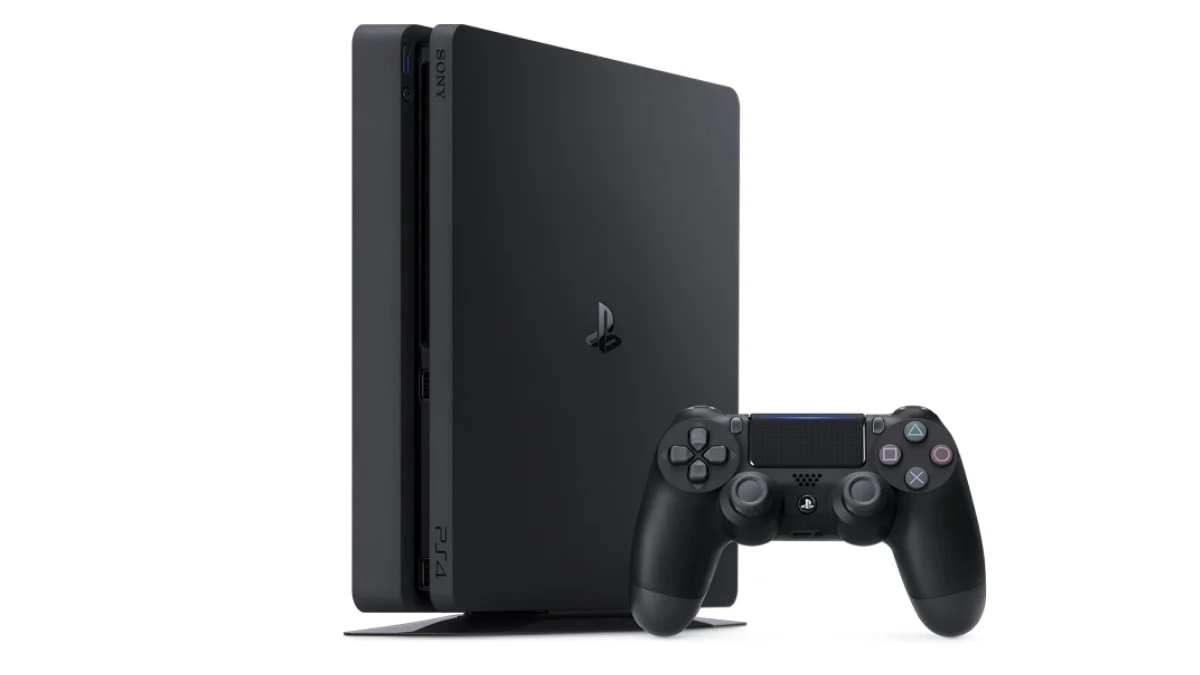
In an unexpected move that underscores Sony Interactive Entertainment’s continued, albeit quiet, commitment to its legacy hardware, a brand-new system software update has been deployed for the PlayStation 4. Released on September 16, 2026, System Software Version 14.00 (internally tracked in some directories as version 14.000) arrives as the fourth major maintenance patch for the aging console this calendar year.
Despite the console having celebrated its thirteenth anniversary on the horizon since its original November 2013 launch, millions of players worldwide still actively utilize the platform. However, those expecting a sweeping interface overhaul or new social integration tools will find a very different kind of update. True to form for late-lifecycle console support, Sony’s official patch notes for Version 14.00 are characteristically brief:
"We’ve improved system software performance and stability."
While the phrasing offers virtually no granular insight into the specific code alterations, backend optimizations, or potential vulnerability patches included in the package, industry analysts note that such updates are critical for maintaining PlayStation Network (PSN) connectivity and preserving background security protocols.
Unlike its contemporary counterpart—the PlayStation 5, which launched a massive parallel update (version 26.06-14.00.00) packed with feature-rich additions like a new Community Activity widget, enhanced voice chat speaker indicators, and default PlayStation Spectral Super Resolution (PSSR) enhancements—the PlayStation 4 patch is strictly foundational. It introduces no new consumer-facing features, alters no dashboard menus, and remains entirely invisible to the end-user experience post-installation.
For a console that has long since passed the baton of flagship development to the PS5 and its rumored mid-generation iterations, the very existence of a version 14.00 firmware release highlights the sheer logistical complexity of maintaining a massive, interconnected digital ecosystem where older hardware architectures must still securely communicate with modern server infrastructure.
Chronology: Tracing the PlayStation 4’s 2026 Maintenance Lifecycle
To fully understand the context of the September 14.00 patch, one must examine the cadence of PlayStation 4 updates rolled out over the course of 2026. Sony has maintained a steady, if infrequent, maintenance schedule for the 2013 hardware throughout the year, prioritizing security and minor usability adjustments over structural innovations.
1. January 28, 2026: Patch 13.04 – The Security Vanguard
Kicking off the year’s maintenance cycle, Sony deployed patch 13.04 in late January. This update bypassed any consumer-facing interface tweaks to focus squarely on under-the-hood security fixes. In an era where digital storefronts, cross-platform multiplayer authentication, and account security are prime targets for malicious actors, patching legacy browser vulnerabilities and system exploits is paramount to safeguarding the broader PlayStation Network ecosystem.
2. March 16, 2026: Patch 13.50 – Refining Usability and Messaging
Moving into the spring, Sony released version 13.50. Unlike purely defensive security updates, this mid-March patch tackled minor quality-of-life adjustments. Specifically, it targeted messaging protocols and improved usability across select dashboard screens. While modest, these changes demonstrated that Sony was still willing to touch the console’s user interface to smooth out lingering friction points in day-to-day navigation.
3. June 16, 2026: Patch 13.52 – Mid-Year Hardening
Exactly three months prior to the September rollout, version 13.52 landed on consoles globally. Much like the January patch, this update functioned primarily as a security and stability hardening measure. It served to patch newly discovered exploits and ensure that the legacy console remained compliant with evolving data privacy and server handshake requirements enforced by Sony Interactive Entertainment’s network engineers.
4. September 16, 2026: Patch 14.00 – Crossing the Fourteenth Threshold
Culminating the year’s updates thus far, Version 14.00 brings the console firmware into the fourteen-dot-zero numerical bracket. Released concurrently with major updates across Sony’s newer hardware lines, this patch solidifies the structural integrity of the operating system as the console marches deeper into its second decade of existence.
Supporting Data: The Longevity and Resiliency of the PS4 Ecosystem
To appreciate the significance of ongoing system updates for a legacy platform, one must examine the hardware’s historical footprint and current ecosystem dynamics.
| Metric / Detail | PlayStation 4 (Base & Slim) | PlayStation 4 Pro |
|---|---|---|
| Original Launch Date | November 15, 2013 (NA) / November 29, 2013 (EU) | November 10, 2016 |
| Discontinuation Status | Officially phased out in Japan (2021); global production wound down | Phased out alongside base models |
| Lifetime Hardware Sales | Estimated ~117+ Million Units Globally | Combined with base figures in official tallies |
| Latest Firmware Version | Version 14.00 (Released September 16, 2026) | Version 14.00 (Released September 16, 2026) |
| Primary Focus of 2026 Patches | Security, Network Compliance, Stability | Security, Network Compliance, Stability |
The Optionality of Installation
A notable aspect of the 14.00 release is its immediate impact on gameplay accessibility. As with many minor PlayStation system software updates, PS4 users are not strictly forced to download and install version 14.00 immediately to play their existing library of offline physical or digital games.
However, a critical caveat remains: accessing online features, synchronizing saved data to PlayStation Plus cloud storage, participating in multiplayer matches, or accessing the PlayStation Store will invariably require the console to be updated to the latest available system software version. Furthermore, while the influx of brand-new, AAA multi-platform software built exclusively for current-gen hardware has all but dried up for the PS4, occasional cross-gen titles and indie releases continue to filter onto the platform. These emerging games may occasionally embed mandatory firmware version requirements directly into their discs or digital launch manifests, ensuring that players eventually have to adopt the patch to experience new software.
Official Responses and Industry Perspective
As is typical for minor maintenance firmware updates, Sony Interactive Entertainment has maintained a quiet posture regarding Version 14.00. Eschewing flashy PlayStation Blog posts, developer deep-dives, or video walkthroughs, the corporation treated the release as a routine operational milestone rather than a consumer event.
Industry observers and software engineers who monitor console architectures note that this low-key approach is standard operating procedure for platform holders managing legacy ecosystems. When a console reaches advanced age, updates are rarely designed to excite the user base; rather, they are designed to be frictionless.
An anonymous third-party developer who has previously published titles on both PS4 and PS5 commented on the reality of maintaining cross-generational codebases:
"People often forget that the PlayStation Network is a unified ecosystem. When Sony updates its server-side security, certificate authorities, or account authentication pipelines to combat modern cyber threats, those protocols have to talk cleanly to older hardware. If you don’t push periodic handshake and stability patches to legacy consoles like the PS4, millions of active accounts risk getting locked out of online services entirely. Version 14.00 isn’t about giving players new toys; it’s about keeping the plumbing from leaking."
Furthermore, consumer advocacy groups tracking digital preservation have cautiously praised platform holders who maintain basic network functionality for older devices. In an era where digital storefront closures (such as the historical—and ultimately reversed—threat to close the PS3 and PSvita stores) spark intense anxiety over digital ownership and game preservation, the active deployment of system patches in 2026 signals that Sony is not yet ready to flip the kill switch on the PS4’s online infrastructure.
Implications: What Version 14.00 Means for the Future of PS4 Support
The arrival of PlayStation 4 System Software Update 14.00 carries several clear implications for gamers, developers, and the broader video game industry as it transitions fully into the mid-2020s.
1. The Extended Long Tail of Legacy Hardware
The PlayStation 4 is rapidly solidifying its place in history as one of the most resiliently supported consoles of all time. Given its massive installed base—surpassing 117 million units sold worldwide—a significant fraction of the global gaming populace continues to rely on the platform as their primary or secondary entertainment hub. By continuing to issue maintenance patches well into the lifecycle of the PlayStation 5, Sony is effectively smoothing out the hardware transition curve for budget-conscious gamers, developing markets, and casual households who have yet to upgrade.
2. Diminishing Returns on Consumer-Facing Innovation
Gamers should harbor no illusions regarding the future roadmap of the PS4. The era of feature-rich firmware updates—such as the introduction of folders, external hard drive support, or custom themes that characterized the console’s mid-life cycle—is definitively over. Future updates, should they arrive, will almost certainly mirror the pattern established in 2026: brief patch notes, invisible backend enhancements, security hardening, and structural maintenance.
3. The Gradual Fade of Active Software Development
While a trickle of sports titles, indie games, and cross-generation releases continue to launch with PS4 compatibility, the window is closing. As development engines (such as Unreal Engine 5 and proprietary next-gen frameworks) demand hardware acceleration, high-speed NVMe storage, and advanced ray-tracing pipelines native to the PS5 and Xbox Series X/S, developers are increasingly unable to scale down their visions for Jaguar-CPU-equipped legacy hardware. Consequently, the primary utility of the PS4 is shifting from an active destination for premier new releases to a massive, stable archive platform for past generations of gaming classics.
4. Network Lifecycle Considerations
How long will Sony continue to release these stability patches? As long as the PlayStation Network server architecture can economically support legacy authentication methods without compromising overall network security, patches like Version 14.00 will likely continue to drop on an ad-hoc basis. However, users should view each subsequent update as another milestone along the inevitable winding down of active digital infrastructure support.
Conclusion
PlayStation 4 System Software Update 14.00 may not revolutionize the gaming landscape, nor will it prompt celebratory discourse across social media forums. Yet, its quiet arrival on September 16, 2026, serves as a poignant reminder of the sheer scale of modern gaming ecosystems. By keeping its thirteen-year-old hardware stable, secure, and connected, Sony ensures that the legacy of the PlayStation 4 remains intact, functional, and secure for the millions of players who still call the platform home. As we look ahead, users can safely anticipate further routine maintenance patches of this nature, keeping the wheels turning on one of history’s most successful consoles just a little bit longer.

