

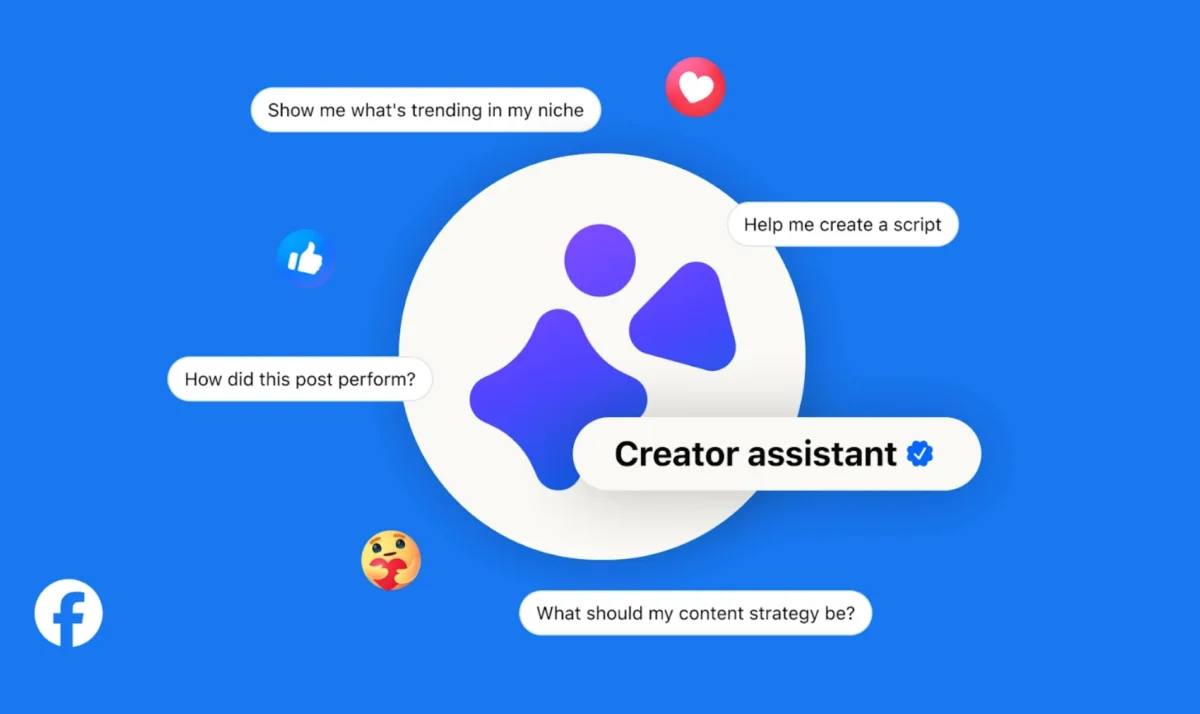
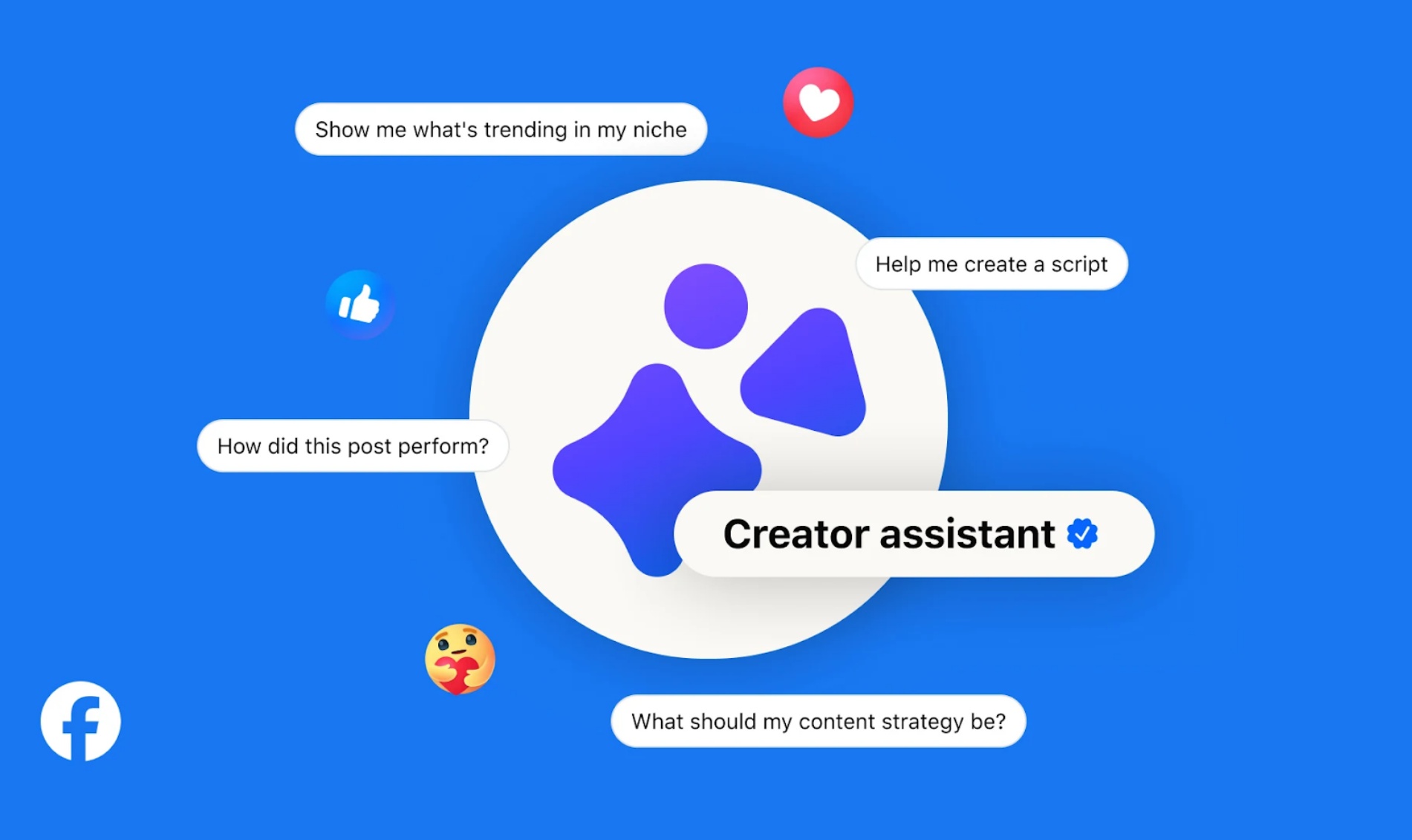
In a significant strategic pivot, Meta has announced the return of the Facebook Creator Studio. The platform, which was unceremoniously sunsetted in 2023 and folded into the broader, often unwieldy Meta Business Suite, is making a comeback. However, this is not merely a restoration of a legacy tool; it is a complete reimagining. The new Creator Studio is built around a sophisticated, AI-powered "Creator Assistant" designed to bridge the gap between complex data analytics and actionable creative strategy.
This move signals a broader shift in how Meta intends to support its creator economy. By isolating the creator-centric experience from the administrative density of the Business Suite, Meta is acknowledging a core truth of the modern digital landscape: creators require focus, and AI is the tool they increasingly demand to maintain it.
A Chronology of Meta’s Creator Infrastructure
To understand the weight of this announcement, one must look at the turbulent history of Meta’s creator tools.
2020: The Peak of Creator Studio
At the height of the creator economy boom, Facebook introduced its dedicated Creator Studio. It was a centralized hub for managing video content, tracking monetization, and monitoring insights. It was widely praised for its utility and streamlined design, serving as the "home base" for many independent influencers and media brands.
2023: The Great Consolidation
In a move that caught many creators off-guard, Meta opted to shutter the standalone Creator Studio. The goal was to unify all business operations under the "Meta Business Suite." While this move streamlined operations for large-scale enterprise advertisers, it alienated individual creators. The interface became cluttered, navigation grew complex, and the specific needs of content creators were buried under layers of marketing-focused tools.
2025–2026: The AI Integration Era
Following a period of intense user feedback and vocal complaints from the creator community, Meta began testing a new approach. Recognizing that creators were missing the dedicated, lightweight experience of the original studio, the company began developing a successor that would leverage its proprietary generative AI models.
2026: The Reintroduction
Today, the Creator Studio returns as a dedicated, AI-integrated app. It represents the culmination of three years of user feedback, aiming to provide a "concise, intuitive, and intelligent" environment for content production and performance optimization.
The Core Functionality: What the AI Assistant Actually Does
The defining feature of the new Creator Studio is the AI Assistant. Unlike early generative AI tools that focused primarily on flashy image or video synthesis, Meta’s new assistant is designed to function as an automated "co-pilot."
1. The Automated Secretary
The AI assistant handles the rote tasks that often lead to creator burnout. This includes drafting captions, suggesting hashtags, and scheduling posts based on peak audience activity times. By analyzing historical data, the assistant can suggest a posting cadence that maximizes reach without requiring the creator to manually parse through daily traffic metrics.
2. Personalized Voice Modeling
One of the primary concerns with AI-generated content is the "canned" feel. Meta claims to have addressed this by training the model on the creator’s historical output. Over time, the assistant learns the unique linguistic quirks, tone, and formatting preferences of the individual, allowing it to generate drafts that feel authentic rather than robotic.
3. Analytics for the Non-Data Scientist
Perhaps the most significant value proposition is the transformation of raw numbers into human-readable insights. Creators often complain that while they have access to an overwhelming amount of data, they lack the analytical background to know what to do with it. The AI Assistant acts as a translator, identifying trends in audience retention or engagement drops and offering specific, plain-English advice on how to pivot content strategy.
Supporting Data: Why Creators Need Help
The necessity of this tool is underscored by current industry trends. According to recent studies on the creator economy, the primary point of friction for creators is not the creative process itself, but the "business of creation"—the administrative, analytical, and scheduling overhead.
Data from the Pew Research Center and internal Meta usage reports indicate that creators are spending upwards of 40% of their time on tasks that do not involve actual content creation. As the competition for attention on social platforms intensifies, creators are under increasing pressure to produce high-frequency, high-quality content.
The AI Assistant addresses this "creative bandwidth" issue. By reducing the time spent on analytics and drafting, Meta is betting that it can keep creators on the Facebook platform longer, preventing the migration to short-form video competitors that offer more intuitive creator tools.
Official Responses and Creator Sentiment
The reaction from the creator community has been one of cautious optimism. Jen Hamilton, a prominent Facebook creator, expressed relief regarding the new analytics interface. "One of my biggest complaints with Facebook analytics—or analytics in general—has always been that I don’t know what to do with those numbers," Hamilton noted. "So I really appreciate having something that can break it down for me."
Meta’s official stance, as articulated in their corporate blog, emphasizes that this is a response to community demand. "Facebook creators miss having a dedicated space where they can easily focus on what matters most," the company stated. "Now, we’re reintroducing Facebook Creator Studio—this time as an AI-powered app that shows you exactly what to do next to succeed on Facebook."
This is a departure from the "AI-at-all-costs" narrative that has dominated the tech industry for the past two years. Rather than forcing generative AI into every corner of the user experience, Meta is positioning this tool as a "supplementary service"—a utility that works for the creator, rather than replacing the creator.
Implications for the Future of Social Media
The return of Creator Studio with an AI-first focus has several long-term implications for the industry:
The Shift Toward "Vibe-Based" AI
Meta is clearly moving away from the "uncanny valley" approach of creating AI avatars or deepfake influencers. Instead, they are focusing on "vibe-based" AI—tools that enhance the human element rather than suppressing it. This is a strategic move to regain trust among users who have grown weary of synthetic content.
The Specialization of Platforms
As Facebook, YouTube, and TikTok continue to refine their creator tools, we are seeing a move toward specialized environments. By separating the Creator Studio from the Business Suite, Meta is acknowledging that the "creator" persona is distinct from the "business" persona. Expect other platforms to follow suit, creating bifurcated interfaces that cater to the unique psychological and operational needs of content creators versus corporate advertisers.
Lowering the Barrier to Entry
The democratization of content creation is the ultimate goal here. By providing AI-driven insights that were previously available only to major media houses with data science teams, Meta is effectively leveling the playing field for the "average" creator. A user with a modest following now has access to the same strategic guidance as a top-tier influencer.
Conclusion
The rebirth of Facebook Creator Studio is a testament to Meta’s ability to listen to its user base, even if that listening process takes time. By integrating AI as an assistant rather than a replacement, Meta has managed to turn a complex technological evolution into a functional, user-friendly benefit.
For the modern creator, the challenge is no longer just "getting seen," but managing the sheer scale of the digital ecosystem. If the new Creator Studio can successfully deliver on its promise of an "automated secretary" that truly understands the voice and needs of the individual, it may well secure Facebook’s place as the primary home for the next generation of digital storytellers.
The question remains: will the creator community trust Meta to handle their creative workflow again after the dissolution of the original studio? The answer will likely depend on the precision of the AI, the simplicity of the UI, and the company’s commitment to maintaining a space that prioritizes the human creator above all else. For now, the "vibe" is one of productive collaboration—a welcome change for a platform that has spent years searching for its creative footing.

