

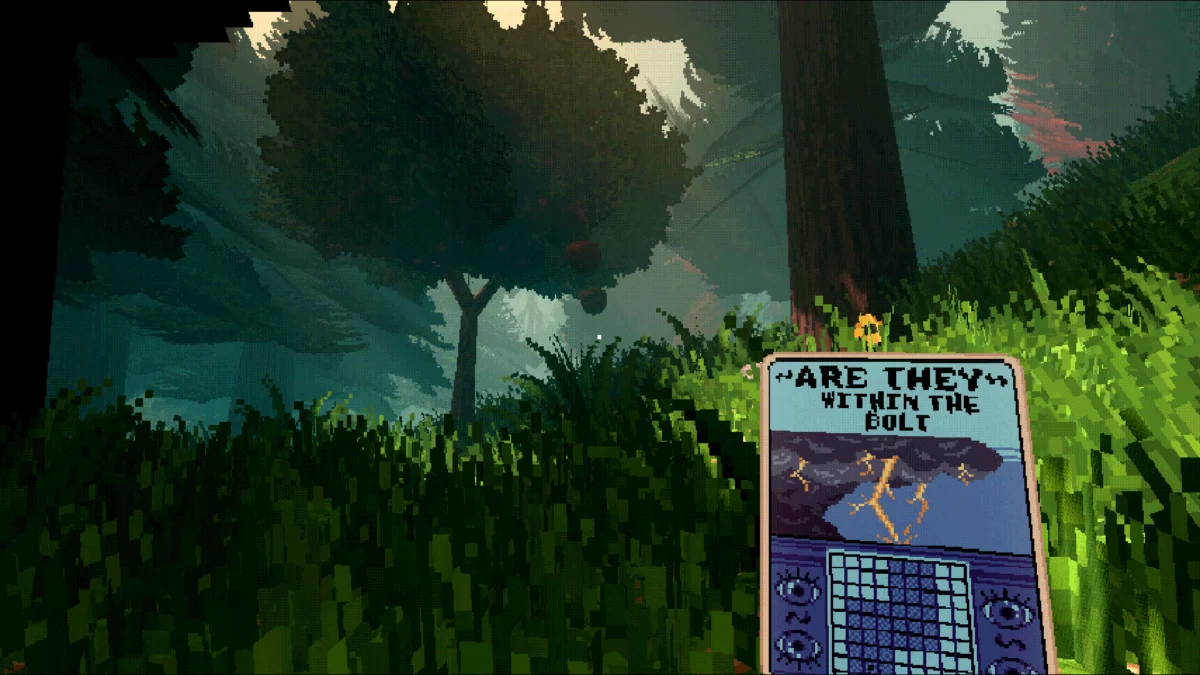
In the era of the Steam Summer Sale, the line between "collector" and "digital hoarder" has become razor-thin. When Watch Dogs 2 drops to a mere $2.50—a price point that effectively renders the content free when measured against the time investment required to finish it—the impulse to purchase is no longer about gameplay; it is about the acquisition itself. We have entered an age where the pleasure of the transaction has surpassed the utility of the product, leading to a strange, growing ecosystem of "dopamine sites" that satisfy our consumerist urges without costing us a single cent.
The Mechanics of the Digital Backlog
Every Steam user is familiar with the phenomenon: the library that grows faster than one’s capacity to play. During massive seasonal sales, the allure of a 90% discount acts as a psychological siren song. Why pass up Dead Island 2 for $5, even if you loathe zombie games, first-person shooters, and the aesthetic of Los Angeles? The logic is always the same: "It’s an investment in case I change my mind."
This behavior, however, is rarely about the hypothetical future. It is about the immediate rush of the "Add to Cart" button. Whether it’s the pursuit of Steam Points, the completion of badge collections, or simply the dopamine hit that comes from seeing one’s library count tick upward, the digital storefront has become a form of entertainment in its own right—separate from the actual gaming experience.
Chronology of a Trend: From Idle Games to "Dopamine Sites"
The shift toward valuing the process of digital accumulation over the utility of the software can be traced back to the early 2010s with the rise of the "idle" or "incremental" game genre. Titles like Cookie Clicker and Candies were initially dismissed as ironic satire—commentaries on the meaningless nature of RPG leveling mechanics.
Yet, something unexpected happened: people actually enjoyed them. They weren’t just playing a joke; they were engaging with a primal, lizard-brain feedback loop of growth and achievement. This marked the beginning of a cultural acceptance of meaningless, repetitive digital gratification.
Fast forward to today, and we see the logical evolution of this trend in the form of "dopamine sites." As reported by Mashable, South Korean developers have launched platforms like "FoodNeverComes." This app allows users to browse menus, select items, and process a "purchase" for food that will never arrive. It provides all the tactile, satisfying steps of a real e-commerce transaction—the browsing, the confirmation, the delivery tracking—without the financial cost or the caloric intake. It is pure, distilled consumerism, divorced from the act of consumption.
The Rise of the Steam Sale Simulator
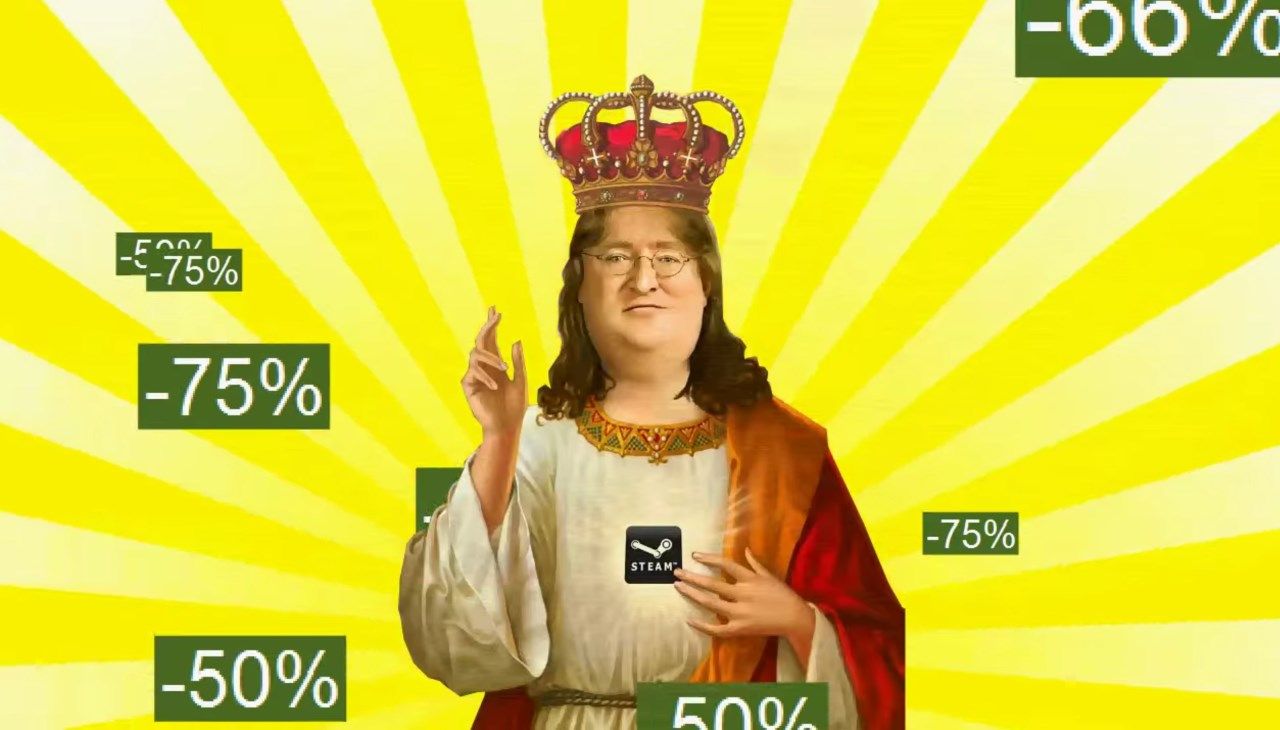
Inevitably, this trend has collided with the world of PC gaming. At steamsalesimulator.com, developer Mike Wing has created a perfect mirror of the Steam storefront. The site replicates the entire experience: the ability to add thousands of dollars of inventory to a cart, the slot-machine-style chimes upon checkout, and even randomized "gifts" from a digital version of Gabe Newell.
It is a surreal experience to "save" nearly $1,000 in ten minutes while accumulating dozens of games you have no intention of playing. The site proves a sobering point: the high we get from the Steam Sale isn’t about the games; it’s about the act of buying them. Once the dopamine fades, the user is left with a digital library that is, in the case of the simulator, literally empty, and in the case of actual Steam, effectively stagnant.
Supporting Data: The Market Reality
While we indulge in these simulations of commerce, the actual market data shows a fascinating, if quiet, landscape. According to the most recent Steam revenue charts (covering June 23–30), the market is currently in a state of lull, characterized by extreme reliance on deep discounts to drive movement.
Top Steam Games by Revenue (June 23–30)
| Rank | Game |
|---|---|
| 1 | Meccha Chameleon |
| 2 | Counter-Strike 2 |
| 3 | Dota 2 |
| 4 | Cyberpunk 2077 |
| 5 | PUBG: Battlegrounds |
| 6 | Dead by Daylight |
| 7 | The Binding of Isaac: Rebirth |
| 8 | Warhammer 40,000: Darktide |
| 9 | Steam Deck |
| 10 | Call of Duty: Modern Warfare 2 |
The data confirms that major titles are surviving on the strength of aggressive pricing. The Binding of Isaac: Rebirth recently hit a new concurrent player record of 130,954, fueled entirely by a 90% discount. Similarly, Call of Duty: Modern Warfare 2 saw a massive resurgence due to an unprecedented price drop. This suggests that the "hoarding" instinct is not just an individual quirk—it is a core pillar of the industry’s business model. When games reach a price of $5 or less, they move from "entertainment product" to "impulse-buy commodity."
Official Perspectives and Psychological Implications
Why are we so drawn to these storefronts? Dr. Gabrielle Schreyer-Hoffman, a psychologist interviewed by Mashable, suggests that these behaviors are coping mechanisms. "We do see people use social media, shopping, and buying food to fill voids and avoid being present," she explains. "Maybe you don’t spend the money, but you’re not really dealing with the core issue, which is: Why are we going to these websites to do this?"
The "void" being filled is often a lack of agency or the stress of modern living. In a world where real-world achievements can take months or years of effort, the ability to "level up" a Steam profile or "acquire" a library of 500 games provides an instant sense of progress. The simulation sites, in this context, are not just jokes—they are a mirror held up to our own compulsive habits. They reveal that the gratification is not in the play, but in the purchase.
Implications: The Future of Digital Consumption
What does this mean for the future of gaming? As we spend more time interfacing with "fantasy e-commerce" and less time engaging with the actual software we buy, the definition of a "gamer" is shifting.
- The Normalization of the Backlog: The "backlog" is no longer a personal failure; it is a feature of the Steam ecosystem. Publishers understand that a significant portion of their revenue comes from users who will never open the application.
- The Gamification of Shopping: Retailers are increasingly adopting "idle game" mechanics—streaks, badges, and points—to keep users engaged with the storefront even when they aren’t looking for a specific game.
- The Rise of "Dopamine-Only" Platforms: As economic pressures mount, it is highly likely we will see more platforms like FoodNeverComes or Steam Sale Simulator that target the psychology of shopping without the financial burden. These could eventually become a recognized category of "digital wellness" or "stress relief" applications.
Final Reflections
The irony of the current gaming landscape is that the easier it becomes to acquire games, the harder it becomes to find the time to value them. We are drowning in content, and our response has been to turn the act of shopping into a high-score game of its own.
As one Steam user, Failgirl69, recently ruminated in a review for Feed the Pit: "It’s okay to kill people and throw them into an eldritch flesh-pit as long as they deserve it. Is it a game about materialism? Is it about found family? All I know is, it feels super cathartic to finally tackle and stab someone 58 times after being chased by a giant tree."
Perhaps that is the ultimate goal of the modern gamer. In a world of infinite, cheap, and instantly accessible content, we aren’t looking for a masterpiece to change our lives. We are looking for a momentary distraction—a way to fill the void, one click at a time, until the next sale starts. We are all just adding items to the cart, waiting for a chime that tells us we’ve finally, for a brief second, achieved something.

