Main Facts: A Meeting of Digital Destruction and Human Psychology
For most people, the visceral, destructive scenarios of video games remain safely contained within the digital realm. Few ever pull a legendary sword from ancient stone or find themselves recruited into the yakuza by a hardened figure in a dimly lit bar. Yet, interactive media possesses a unique capacity to bridge the gap between abstract fantasy and physical reality.
This intersection of destruction, psychology, and modern societal frustration sits at the heart of Virtue and a Sledgehammer, an upcoming narrative adventure game developed jointly by Deconstructeam and Selkie Harbour, and published by Devolver Digital. Set for release on Windows PC via Steam this fall, the title follows Pratelle—a one-woman army on a mission to demolish the remnants of her rural Spanish hometown, armed with what she describes as "20 pounds of physical media."
To explore the profound allure of this destructive gameplay loop, a hands-on exploration in a Manhattan rage room paired with insights from affective neuroscientist Dr. Eric Leonardis reveals why breaking things feels so satisfying. Far from simple teenage angst, smashing objects—both in virtual spaces and physical rage rooms—taps into complex neurochemical rewards, deep-seated historical and cultural rituals, and a rising wave of contemporary anxiety surrounding digital encroachment, artificial intelligence, and the loss of consumer ownership.
Chronology: From Manhattan Rage Rooms to Rural Spanish Ruins
The journey into the psychology of Virtue and a Sledgehammer began in a cramped, high-energy environment on Manhattan’s Lower East Side. Stepping into a local rage room with the explicit intent of channeling Pratelle’s unyielding fury offered an immediate lesson in the physical reality of destruction.
Initial expectations of instantly unleashing an inner beast collided with the surprising physics of the room. Early attempts to hurl plates against reinforced walls resulted in disappointing bounces and minor chips. However, switching tools to an aluminum baseball bat and targeting a discarded LED television transformed the experience entirely. Smashing through the outer glass screen, ripping apart layers of plasticine sheets, and hammering down to the inner metal encasing delivered an intense wave of adrenaline. Within thirty minutes, the activity produced a heavy sweat, a racing heart, and the peculiar euphoria of unbridled demolition.
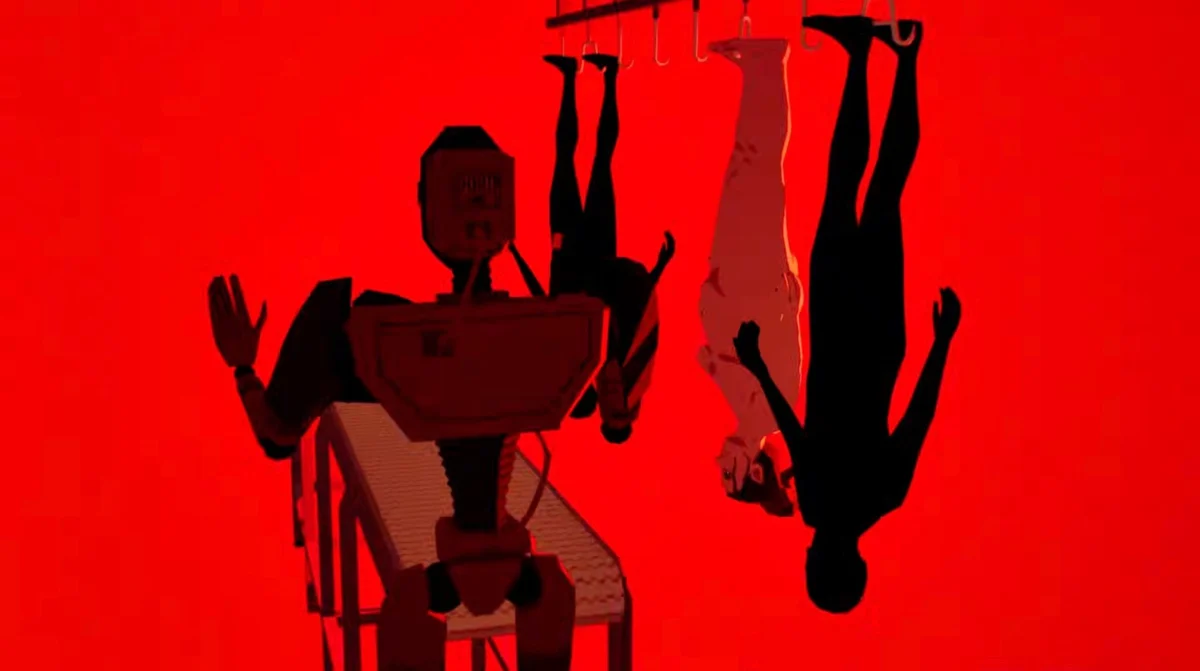
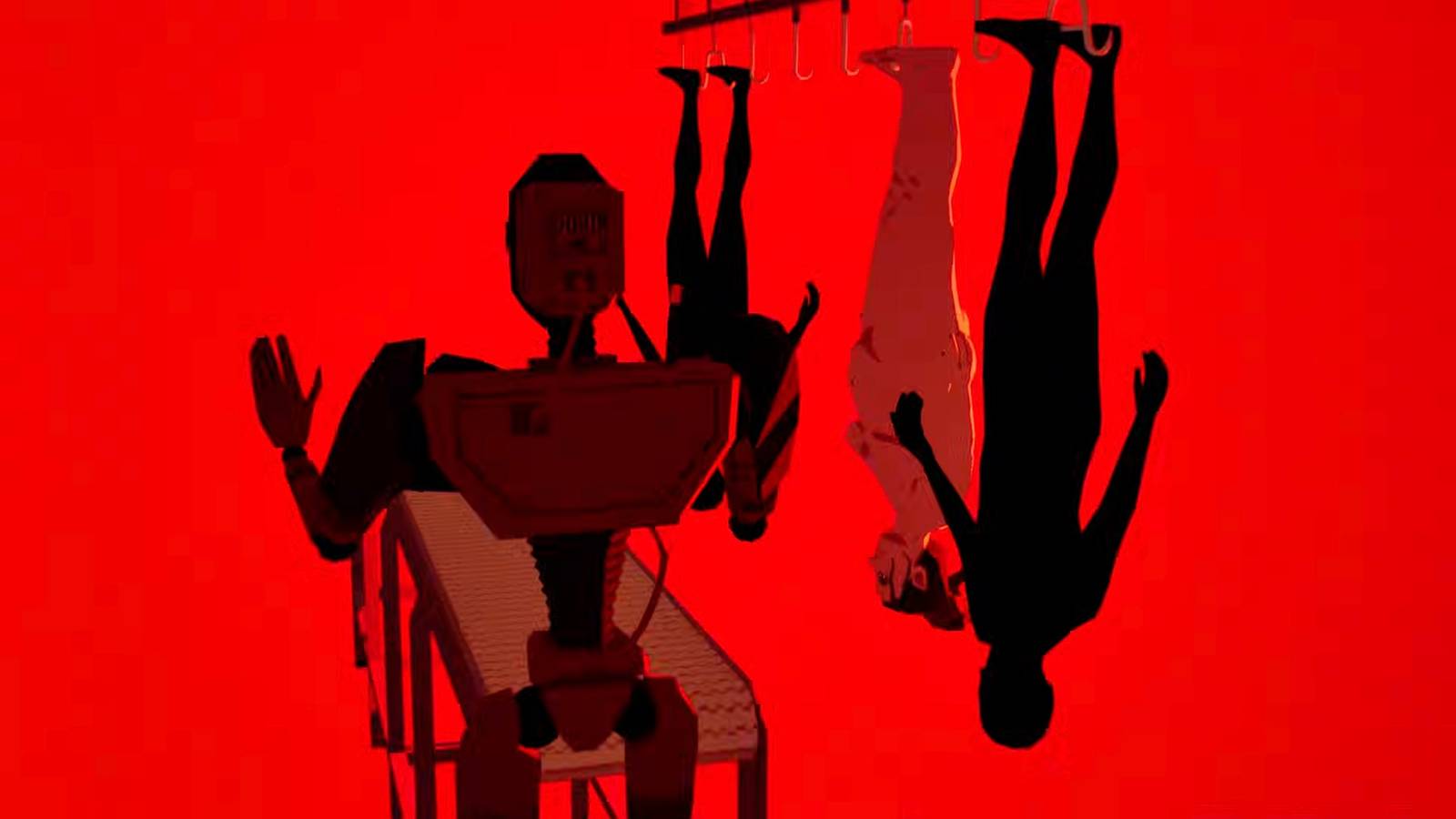
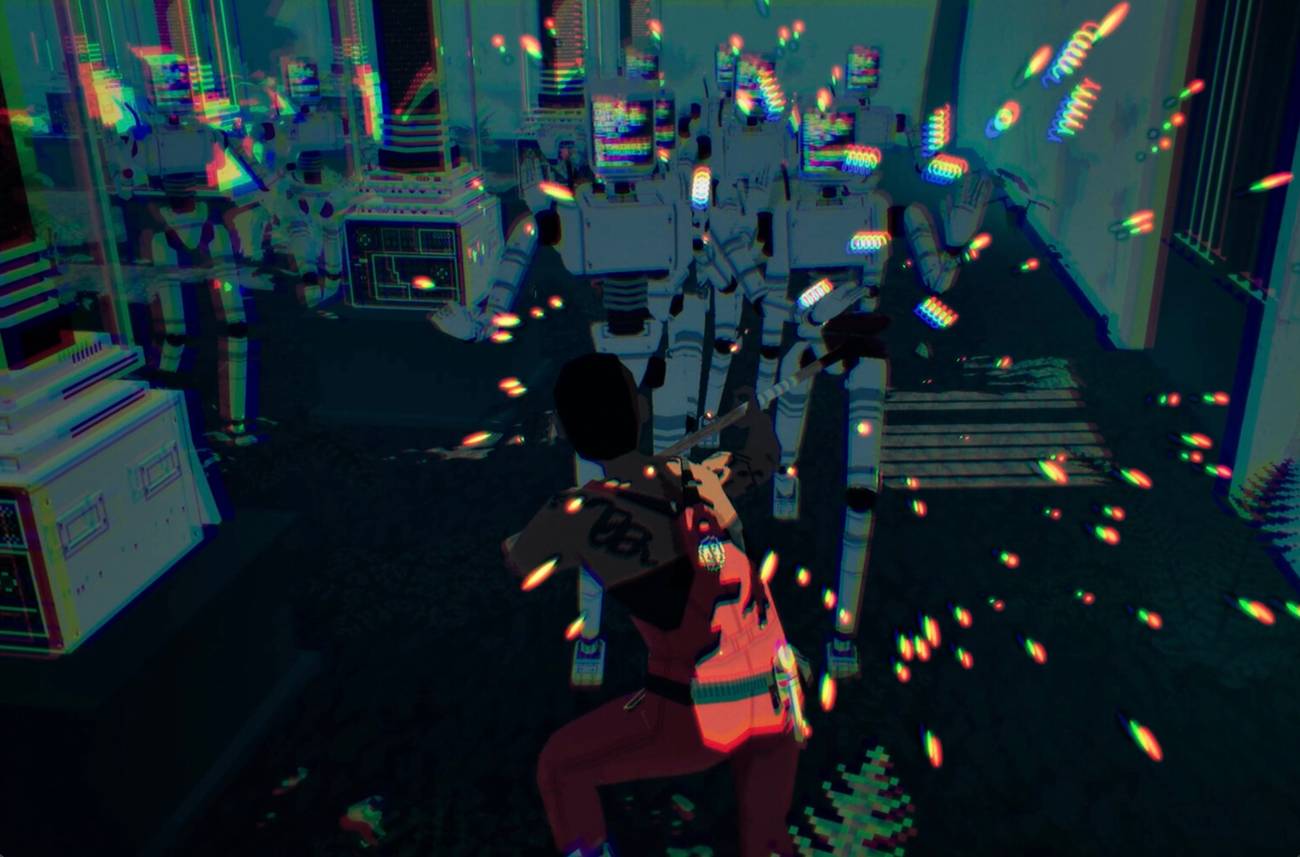
This physical catharsis mirrors the narrative trajectory of Virtue and a Sledgehammer. In the game, Pratelle returns to the ruins of her childhood, navigating a hostile landscape populated by cube-headed robots—the digitized memories of her former neighbors. Whether these entities greet her with trepidation or open aggression, the gameplay loop remains steadfast: everything gets the hammer.
Through high-contrast visuals characterized by blood reds, vivid greens, and low-poly angles, players are plunged directly into Pratelle’s headspace. Avoiding the sterile, ubiquitous look of modern engines like Unreal Engine 5, the game presents a world where raw human movement and emotional friction stand in stark contrast to the skittish, gray automatons littering the protagonist’s path.
Supporting Data: The Neuroscience of Destruction
While the immediate sensation of smashing an electronic display feels intensely gratifying, it raises a fundamental scientific question: why does destruction feel so good?
To unpack the neurochemical underpinnings of this phenomenon, Dr. Eric Leonardis, an affective neuroscientist and postdoctoral fellow at the Salk Institute in La Jolla, California, sheds light on the mechanics of the brain during acts of physical exertion and destruction.
The Myth of Catharsis
The most common assumption regarding rage rooms and destructive video games is that they offer emotional catharsis—the idea that venting anger through physical outlets prevents future outbursts. According to Leonardis, scientific research has thoroughly debunked this notion.
He points to a comprehensive meta-analysis encompassing 154 studies that evaluated attempts to soothe anger through physical activities like punching bags or running. The findings demonstrated the opposite effect: participants frequently engaged in subsequent aggressive behavior because the physical exertion caused them to ruminate further on their grievances, often reporting higher levels of anger afterward.
This phenomenon is driven by "excitation transfer." When an individual experiences an elevated heart rate and stress symptoms, the brain struggles to accurately contextualize the source of physiological arousal, allowing the emotional state to persist and intensify.
The Neurochemical Cocktail
If destroying random objects does not resolve deep-seated grief or anger, why does it feel remarkably intoxicating? Leonardis explains that the act triggers a powerful cascade of pleasurable neurotransmitters and hormones:
Endocannabinoids: Responsible for the classic "runner’s high," released in response to intense physical exertion.
Endogenous Opioids: The brain’s natural morphine-like compounds, secreted by the pituitary gland and hypothalamus into the bloodstream.
Dopamine: The primary reward chemical distributed throughout the ventral tegmental area and striatum, which reinforces the behavior and makes individuals want to repeat it.
Serotonin: A mood-regulating chemical activated during physical exertion and heavy impacts.
The combination of these neurochemicals creates an experience that mimics the euphoric effects of a narcotic substance, explaining why a solid dent in a television screen can induce a rush comparable to a stiff drink.
Official Perspectives and Historical Context: Ritual Destruction and the Illusion of Control
Beyond immediate neurochemical rewards, the impulse to destroy carries deep historical and psychological significance. Pratelle’s campaign to demolish her hometown taps into ancient human traditions.
Cross-Cultural Rituals of Grief
Humanity possesses a well-documented history of ritual destruction in the face of tragedy and loss. Scholars studying Mayan and American Southwest indigenous cultures have noted centuries-old burial practices where survivors intentionally smashed ceramic bowls belonging to the deceased.
Participants would poke holes in pottery to ensure the vessels could never be used again, sometimes placing them over the faces of the dead. According to Leonardis, this practice represented an early human attempt to assert control and agency in powerless situations. Smashing a meaningful object serves a symbolic function, helping individuals process grief and ultimately move toward acceptance.
The Illusion of Control and Pain Perception
Neurological research further demonstrates that perceived control fundamentally alters how the human brain processes physical trauma. In studies examining the "illusion of control," participants subjected to controlled electrical shocks exhibited massive physiological stress—measured via skin conductance and sweat—when shocks were administered by an external party. However, when subjects were led to believe they retained control over the administration of the shock, their reported pain levels dropped significantly.
This psychological mechanism explains Pratelle’s compulsion to pick up the sledgehammer herself rather than passively endure her circumstances. Furthermore, simulated destruction satisfies a healthy dose of morbid curiosity. The prefrontal cortex allows humans to safely explore the consequences of catastrophic actions in virtual spaces, preparing the mind for how it might respond during real-world crises.
Implications: Technology Anxiety, Transhumanism, and the Return to Physical Media
Virtue and a Sledgehammer arrives at a uniquely fraught cultural moment. Modern society is experiencing heightened anxiety regarding the omnipresence of technology, artificial intelligence, and corporate control over digital life.
AI models increasingly threaten creative industries by absorbing human intellectual property, while data centers strain local water supplies and release industrial emissions. Simultaneously, major technology corporations—such as PlayStation—face intense backlash and legal scrutiny for asserting that consumers cannot truly own digital goods, all while attempting to phase out physical media entirely.
Rejecting the Digital Panopticon
Dr. Leonardis notes that the growing cultural friction surrounding transhumanism and corporate consolidation directly influences the appeal of games like Virtue and a Sledgehammer.
"The idea of transhumanism is becoming more and more prevalent in our everyday life. And what we’re seeing is people are responding negatively to a lot of it, especially in the arts," Leonardis explains. "So the idea of hitting a robot with a sledgehammer, that’s very attractive today, when we have AI trying to steal a lot of people’s intellectual property. At the same time, there is this movement against these technological means and returning to physical media, returning to embodiment. We want other humans to be generating the content that we are consuming."
This cultural zeitgeist explains why Pratelle’s targets are gray, skittish automatons rather than living people, and why visitors to rage rooms instinctively gravitate toward smashing electronics. Both mediums reflect a widespread, collective desire to reclaim personal agency, reject sterile corporate ecosystems, and demand authentic human-crafted experiences over endless streams of algorithmic content.
Conclusion
While smashing objects with a sledgehammer is not a clinical substitute for addressing deep-seated trauma, it remains a potent, historically rooted mechanism for asserting control over an increasingly chaotic world. For players seeking an outlet for modern frustrations, Virtue and a Sledgehammer promises to deliver both emotional resonance and visceral satisfaction when it launches on Windows PC via Steam this fall.