

Main Facts
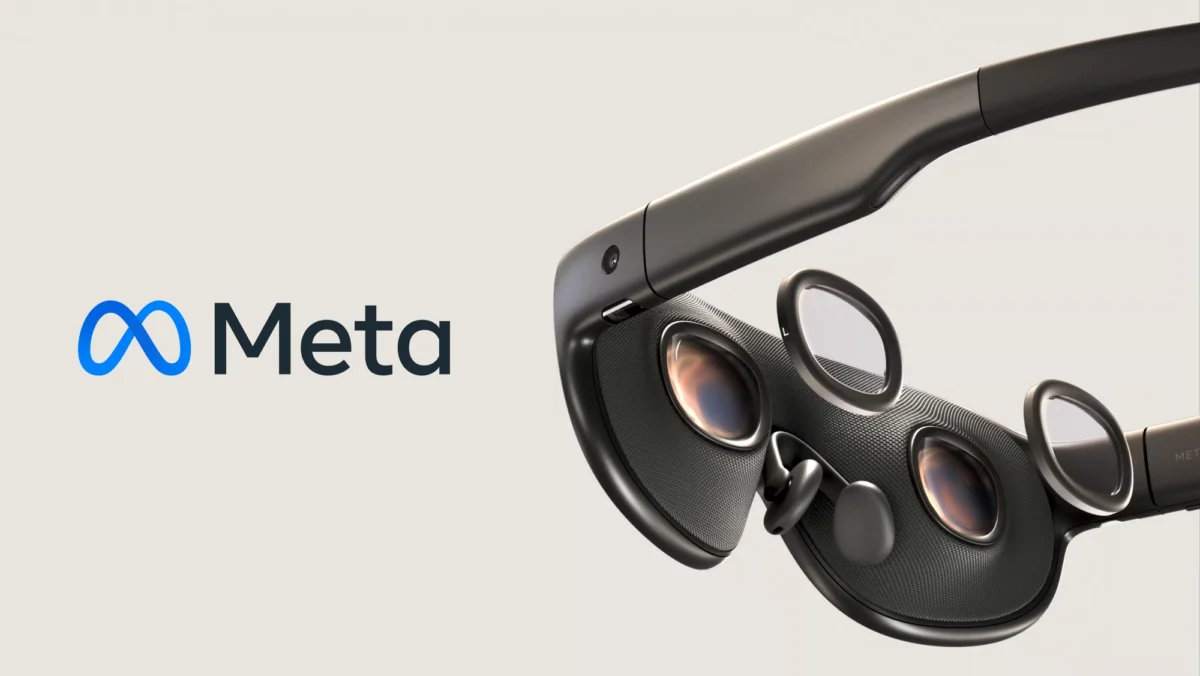
The first concrete, high-resolution visual assets detailing Meta’s next-generation high-end headset—widely tracked under the internal development codenames Phoenix, Stanley, and Loma—have surfaced within official Horizon OS firmware packages. Discovered initially as an enigmatic system-level package released in August 2026 and subsequently populated with rich asset files in September, the data provides an unprecedented look into the hardware design philosophy driving Meta’s upcoming premium wearable.
Unlike the bulkier, all-in-one architecture of the Meta Quest series, the leaked firmware assets confirm that Project Phoenix is engineered as an ultralight, open-periphery device. Intended to occupy the high-end market tier previously targeted by the Meta Quest Pro, Phoenix abandons traditional facial interfaces in favor of a sleek, glasses-like aesthetic. Key hardware features highlighted in the leaked files include:
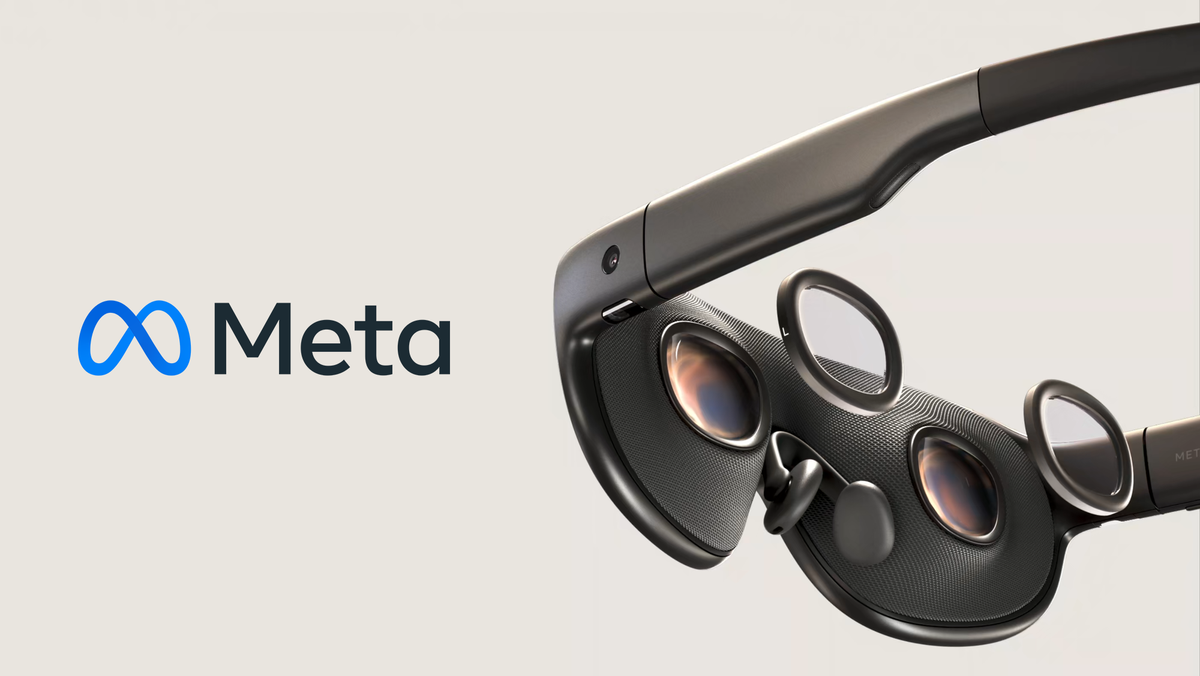
- Glasses-Style Nose Pads: Replacing the traditional foam facial interface with a lighter, more open contact point akin to conventional eyewear.
- Integrated Sensors: Strategically placed tracking and environment sensors embedded along the sides and undersides of the device’s temples.
- Tethered Compute Puck: A distinct processing unit tethered via a cable connecting directly to the end of the left temple, alleviating the heavy onboard computational load from the facial chassis to ensure a featherlight wearing experience.
- Custom Prescription Integration: Advanced software protocols and hardware mounts designed explicitly for custom prescription lens inserts, paired via dedicated QR code scanning workflows.
As the tech industry anticipates official revelations, the convergence of these firmware leaks with upcoming developer sessions at Meta Connect 2026 suggests that the company is preparing to redefine its ecosystem standards around controller-free, eye- and hand-tracking navigation.
Chronology
The discovery of the Phoenix headset assets is the culmination of a months-long trail of breadcrumbs left inside Meta’s software pipelines. A chronological breakdown of events reveals how the leak materialized:

- Early 2026 (Project Rumors Intensify): Multiple reputable industry reports indicate that Meta is actively developing a high-end, lightweight device featuring an open-periphery design and a tethered compute puck. The project is identified across various layers under internal codenames Phoenix, Stanley, and Loma.
- August 2026 (The "Ghost" App Appears): Meta quietly releases a free utility app entitled HorizonOS Prescription Lens to the Horizon Store. Users note its peculiar behavior: rather than functioning as a standard downloadable application that populates the standard App Library, it installs silently as a system-reliant package distributed via a standard ZIP file format rather than an APK. Early exploration reveals a sparse placeholder structure intended for pairing prescription inserts with the unannounced Phoenix hardware.
- September 2026 (Asset Update & Major Leak): Meta pushes an update to the HorizonOS Prescription Lens package. Upon inspecting the updated ZIP archive, data miners and tech publications uncover the first explicit, high-definition visuals of the Phoenix headset. The files include instructional animations demonstrating lens attachment, QR code pairing sequences, and rear-angle shots highlighting the compute puck tether.
- Late September 2026 (Meta Connect Horizon): With Meta Connect 2026 fast approaching, conference schedules reveal sessions directly aligned with the hardware’s expected capabilities—most notably, a deep-dive session titled "A practical guide to controller-free interaction."
Supporting Data & Technical Specifications
While Meta has yet to officially release a comprehensive spec sheet for Project Phoenix, data extracted from the recent firmware updates, combined with baseline industry reporting from outlets like UploadVR, paints a detailed technical picture of the device:
| Hardware Category | Leaked / Reported Specification | Design Impact |
|---|---|---|
| Form Factor | Ultralight, open-periphery glasses style | Eliminates heavy facial enclosure, reducing thermal fatigue and neck strain. |
| Compute Architecture | Tethered "compute puck" | Offloads heavy CPU/GPU processing and primary battery weight to a pocketable or clip-on puck, keeping the headpiece exceptionally light. |
| Interface Elements | Glasses-style nose pads (no traditional gasket) | Allows ambient light into the peripheral vision (open-periphery), facilitating seamless mixed-reality integration with the physical environment. |
| Input Methods | Advanced eye and hand tracking (Controller-free focus) | Designed for natural gestural input, minimizing reliance on physical controllers. |
| Optics & Vision Correction | Modular prescription lens inserts with QR pairing | Streamlines the onboarding process for users requiring vision correction through automated system configuration. |
The transition from a self-contained headset to a split-architecture design (headpiece + compute puck) mirrors strategies seen in premium enterprise and consumer mixed-reality devices, prioritizing ergonomic comfort over standalone battery and processing density.

Official Responses and Industry Context
Meta has maintained a strict policy of corporate silence regarding leaked firmware files, declining to issue formal press statements confirming or denying the specifics of Project Phoenix, Stanley, or Loma. However, corporate behavior and event planning speak volumes.
The inclusion of specialized system packages like the HorizonOS Prescription Lens app directly in the public-facing Horizon Store indicates that Meta is already laying the foundational software infrastructure required for the device’s eventual rollout. Pre-staging these modular packages suggests that Horizon OS is rapidly evolving to natively support multiple disparate hardware form factors simultaneously—transitioning from the monolithic Quest line to a more diversified device ecosystem.

Industry analysts note that Meta’s timing is critical. Competitors in the spatial computing space have steadily chipped away at the ergonomic shortcomings of first-generation headsets, putting pressure on Meta to deliver a device that bridges the gap between productivity-focused spatial displays and everyday consumer wearables. By focusing on an ultralight footprint and an open-periphery view, Meta appears to be targeting users who found the Quest Pro or Apple Vision Pro too heavy or socially isolating for extended, all-day use.
Implications for the Spatial Computing Market
The emergence of Project Phoenix carries profound implications for the trajectory of the virtual, augmented, and mixed reality markets.
1. Shift Toward Ergonomic Normalization
For years, consumer adoption of head-mounted displays has been hampered by physical bulk. Heavy front-heavy designs lead to discomfort during long work or entertainment sessions. By adopting a split design—decoupling the processing power into a tethered puck while keeping the glasses frame featherlight—Meta is signaling that comfort must precede high-density standalone capability in the premium tier. This move could establish a new design standard across the industry, forcing competitors to rethink how they balance computing power with physical ergonomics.
2. The Death of the Traditional Facial Gasket?
The inclusion of nose pads and an open-periphery design points to a broader philosophical shift away from total visual isolation. While fully immersive, closed-off virtual reality remains vital for gaming, productivity and mixed-reality workflows heavily benefit from spatial awareness. An open-periphery headset allows users to maintain natural body posture, see their immediate surroundings effortlessly, and interact with the physical world without relying entirely on passthrough camera feeds.

3. Maturation of Controller-Free Interaction
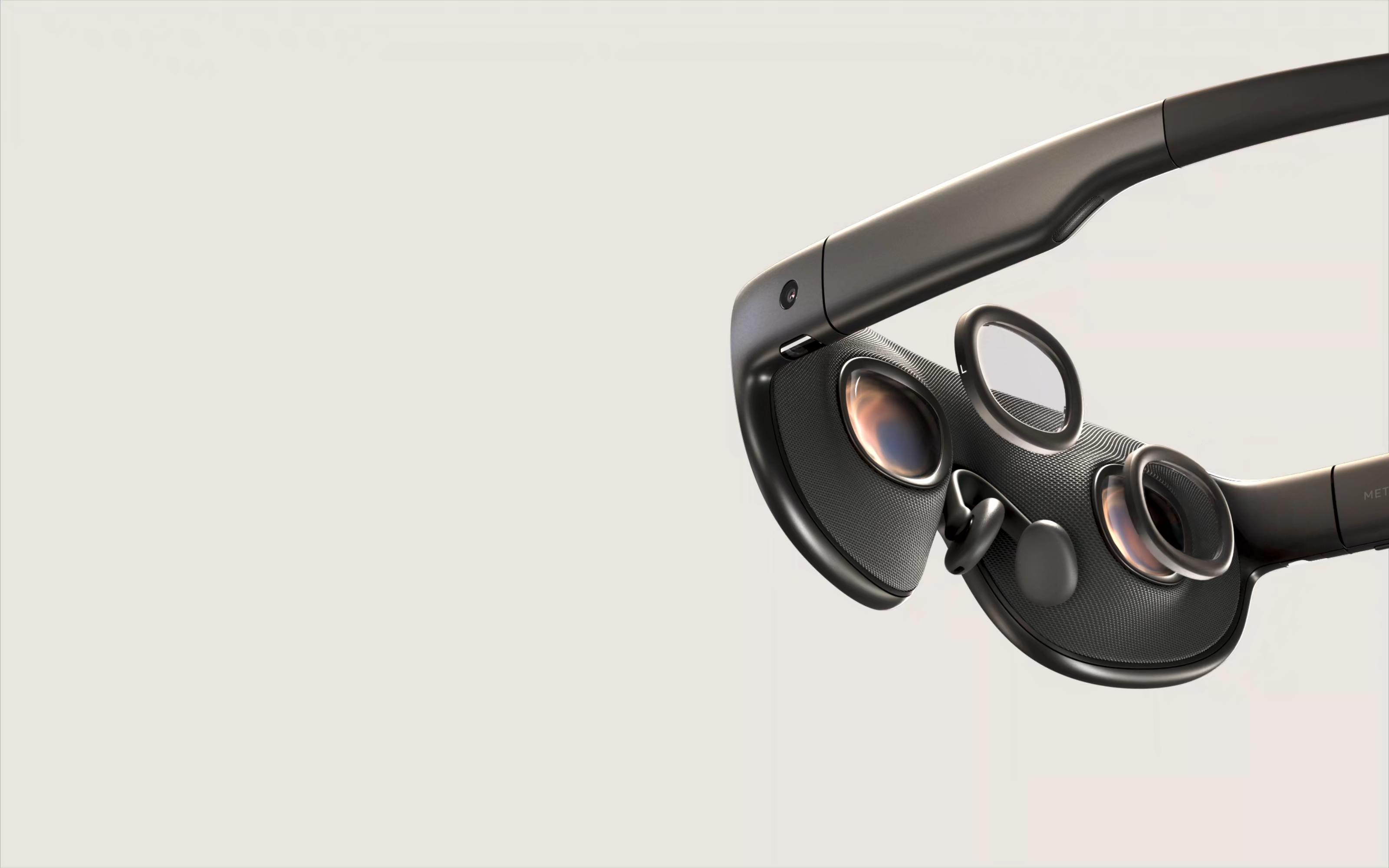
The coordination between the hardware’s sensor suite—visible along the temples of the Phoenix headset—and Meta Connect 2026’s emphasis on "controller-free interaction" highlights a strategic bet on natural user interfaces. If Meta can deliver ultra-low-latency hand and eye tracking via an ultralight form factor, it removes a major friction point for casual and professional adoption alike. Navigating operating systems entirely through glances and micro-gestures edges spatial computing closer to true mainstream viability.
As Meta Connect 2026 unfolds, all eyes will be on whether the company officially pulls back the curtain on Project Phoenix, transforming these firmware breadcrumbs into the next major chapter of consumer spatial computing.

