

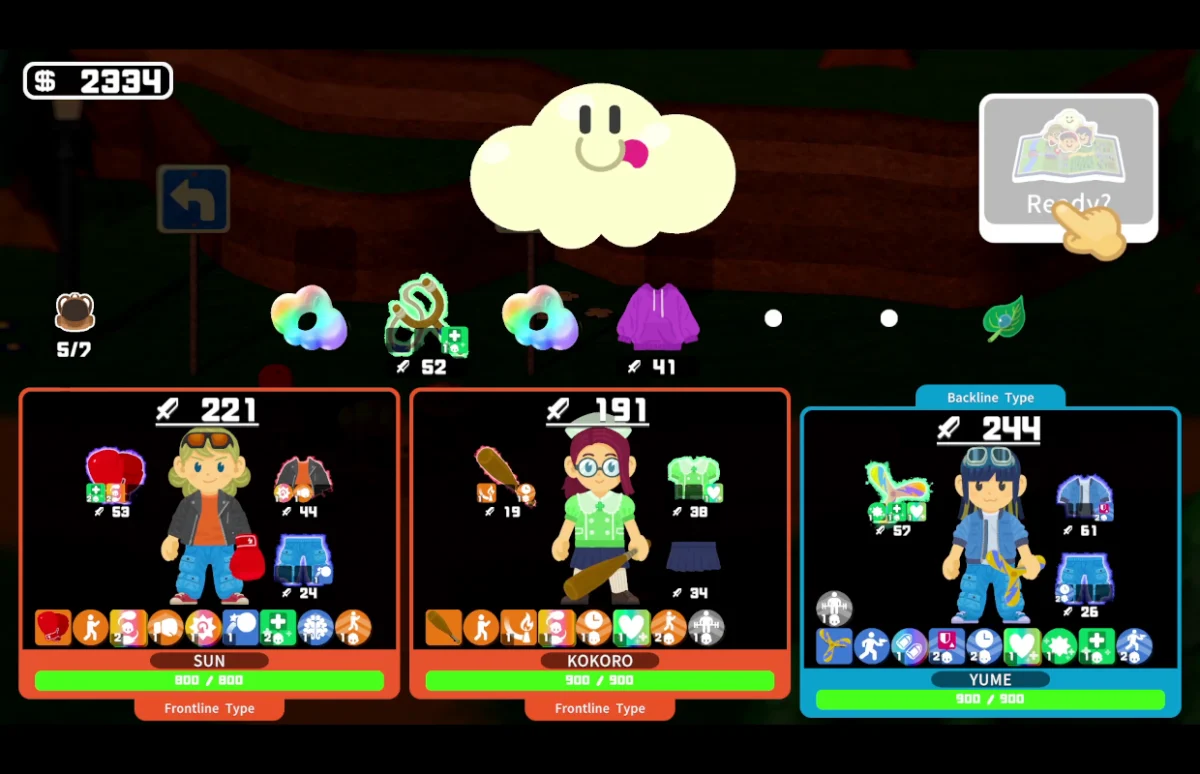
The landscape of the indie roguelite genre is notoriously crowded, yet Rebuild Games is carving out a unique niche with its upcoming title, Summer Road. Following a successful circuit of physical gaming exhibitions, the studio has officially transitioned its development cycle into the public sphere, launching a playable demo for PC via Steam. This milestone marks the first time that the public can experience the studio’s ambitious blend of auto-battler mechanics, fashion-forward aesthetics, and high-stakes roguelite progression from the comfort of their own homes.
With a full commercial release currently slated for 2026, the arrival of this demo serves as a crucial bridge between prototype and product. As the developers prepare for the long road to launch, they are positioning the demo not merely as a marketing tool, but as a collaborative laboratory where player feedback will directly influence the final shape of the game.
Main Facts: The ‘Summer Road’ Experience
Summer Road is marketed as a "10-Minute Auto-Roguelite," a descriptor that highlights the game’s focus on tight, high-intensity gameplay sessions. Unlike traditional, drawn-out strategy games, Summer Road aims to capture the "essence" of the genre by distilling complex combat into rapid-fire, decision-heavy encounters.
The core gameplay loop is defined by a trifecta of design pillars:
- Auto-Battler Mechanics: The combat resolves automatically, shifting the player’s agency from real-time execution to strategic pre-planning and unit management.
- Dress-up Systems: Integrating aesthetic customization with mechanical utility, the game allows players to outfit their characters, likely tying character appearance to stat modifiers or ability sets.
- Roguelite Progression: Every run is procedurally generated, ensuring that no two journeys down the "Summer Road" are identical.
The demo offers a substantial slice of the final experience, guiding players from the initial tutorial stages all the way through to a climactic encounter with a "UFO"—a boss fight that underscores the game’s quirky, perhaps slightly surreal, thematic direction. The game will support Japanese, English, and Simplified Chinese at launch, reflecting a clear intent to appeal to a broad, international audience.
Chronology: From Exhibition Booths to Digital Storefronts
The journey of Summer Road is a testament to the modern indie development lifecycle, which relies heavily on community validation.
The Pre-Digital Era (2023–2024)
Before reaching the Steam platform, Summer Road spent significant time on the "event circuit." Rebuild Games utilized physical gaming exhibitions—likely including major indie showcases across Asia—to gather empirical data. During these events, developers could observe players in real-time, watching where they faltered, where they excelled, and which mechanics elicited the most joy. This phase was critical for refining the "game feel," ensuring that the 10-minute loop was neither too punishing nor too trivial.
The Pivot to Public Beta
By mid-2024, the studio reached a point of diminishing returns with in-person playtesting. To iterate faster, they began the process of porting their exhibition builds to a public-facing format. This involved cleaning up the codebase, implementing standard Steam integration (such as achievement tracking and library support), and creating a robust feedback pipeline.
The Steam Launch
The current demo, released to the public on the Steam platform, represents the "latest version" of the game. It incorporates the cumulative feedback from those earlier exhibitions. The transition is significant; while an exhibition demo is curated and limited, a Steam demo is open to a global audience, subjecting the game to a wider variety of hardware configurations, playstyles, and player expectations.
Supporting Data: Why the ‘Auto-Battler’ Genre Matters
The "Auto-battler" (or "Auto-chess") subgenre has seen a massive surge in popularity since the late 2010s, but it has historically been dominated by large-scale titles with long match times. Summer Road attempts to disrupt this trend by focusing on the "10-minute" constraint.
Market Dynamics
In the current gaming climate, "time-poor" players represent a significant market segment. Titles that respect the user’s schedule—like Vampire Survivors or Balatro—have dominated the charts precisely because they offer a complete, satisfying experience in short bursts. Summer Road’s design philosophy aligns perfectly with this trend. By compressing the roguelite experience into a 10-minute window, Rebuild Games is tapping into a psychological "loop" that encourages "just one more run" behavior.
Technical Challenges
Developing an auto-battler requires an immense amount of balance work. Because the player is not controlling the units directly, the developers must ensure that the AI, the RNG (random number generation) of loot drops, and the synergy between different character "dress-up" options remain fair. The inclusion of a dedicated bug-reporting forum thread suggests that the studio is keenly aware of these technical challenges and is prepared to use the community as an auxiliary QA (Quality Assurance) team.
Official Responses and Developer Intent
In their official announcement, the team at Rebuild Games expressed a mix of excitement and humility. The statement provided on the Steam page serves as a bridge between the creators and the community, emphasizing that the demo is a living document.
“While we have showcased playable builds at many gaming exhibitions in the past, this is our very first time releasing a demo on Steam,” the team noted. “You can now play the latest version of Summer Road, which reflects all the wonderful feedback we’ve received from players so far.”
Crucially, the studio is not just asking for praise; they are actively seeking critical feedback. They have established two distinct channels for communication:
- The Demo Feedback Thread: Focused on gameplay feel, balance, and design preferences.
- The Bug Reporting Thread: A technical repository for issues related to crashes, performance, or UI glitches.
This two-pronged approach indicates a mature development philosophy. By separating "design opinion" from "technical failure," the studio can prioritize critical stability fixes while simultaneously analyzing player sentiment to shape future content.
Implications: The Road to 2026
The release of this demo is a "make or break" moment for Summer Road. With the full launch set for 2026, Rebuild Games has roughly 18 to 24 months to finalize their product. This window is a luxury in the indie world, but it also presents a risk: the "hype" generated by a demo can dissipate if the update cycle is too slow.
Community Building
By inviting players to wishlist and follow the game now, the studio is building a core group of "evangelists." These players will be the ones who provide the day-one reviews, share screenshots on social media, and ultimately dictate the game’s success on the Steam algorithm at launch.
The "Dress-up" Factor
One of the most intriguing aspects of Summer Road is its "Dress-up" mechanic. In a market often obsessed with dark fantasy or gritty realism, the choice to lean into fashion and customization could be a major differentiator. If the developers can successfully tie fashion choices to meaningful strategic depth, they could attract a demographic that is typically ignored by traditional roguelites.
A Long-Term Commitment
The 2026 release date suggests that Rebuild Games is not rushing the process. They are allowing for a long "Early Access-adjacent" period where the public plays a part in the development. If they remain responsive to the forums and consistently update the demo based on the feedback they receive, they could build a loyal, dedicated fanbase that remains invested until the final release.
Final Thoughts
Summer Road is a promising entry into the roguelite space, characterized by a clear vision and a commitment to community-driven design. The decision to release a public demo after refining the game in physical exhibitions shows a studio that is confident in its core mechanics but humble enough to recognize the value of player insight.
For those interested in the future of the auto-battler genre, the Summer Road demo is worth a download. Whether you are a fan of the tactical depth of deck-builders or the visual flair of dress-up games, the 10-minute loop offers a compelling reason to jump in. As the team at Rebuild Games continues to iterate toward their 2026 launch, the "Summer Road" looks to be a journey well worth taking.
How to Participate:
- Download: Visit the Summer Road Steam Page to grab the free demo.
- Provide Feedback: Join the discussion in the Steam Community Forums.
- Support: If the demo resonates with you, be sure to "Wishlist" the game to help the developers increase their visibility on the Steam store.

