

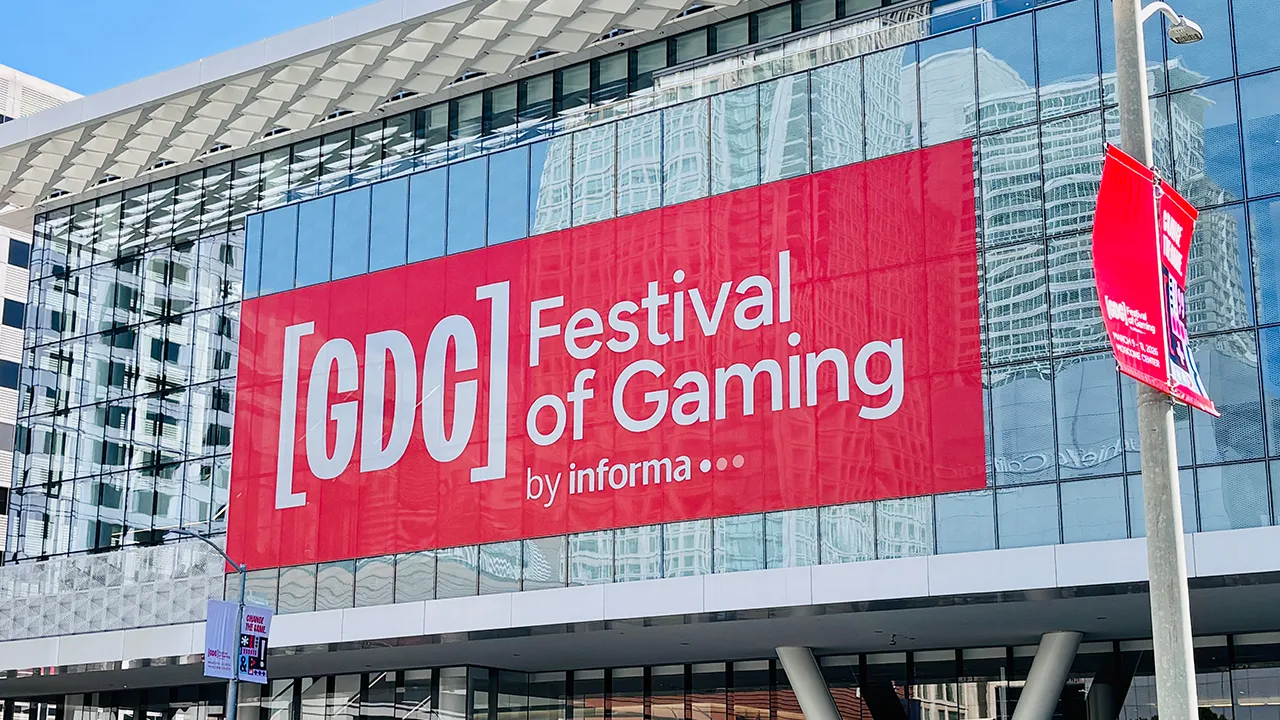
The Game Developers Conference (GDC), now rebranded as the GDC Festival of Gaming, has officially announced the appointment of four distinguished industry veterans to its advisory board. As the global gaming landscape undergoes rapid technological and cultural shifts, the organization is doubling down on its commitment to community-driven development, bringing in fresh perspectives to guide the direction of the world’s most influential professional gathering.
The new appointees—Amir Satvat, Alexa Ray Corriea, Lucien Parsons, and Perrin Kaplan—join a robust assembly of over 50 industry professionals. This advisory body serves as the heartbeat of the conference, tasked with the critical responsibility of shaping the programming, themes, and logistical structure of the annual event.
The New Guard: Meet the Advisory Board Additions
The integration of these four experts reflects the broad spectrum of modern game development, spanning production, communications, advocacy, and strategic business operations.
- Amir Satvat: A seasoned leader with an extensive background in business development and strategic partnerships, Satvat brings a macro-level understanding of the industry’s economic health. His involvement is expected to bolster the festival’s focus on sustainable business practices.
- Alexa Ray Corriea: Known for her deep roots in gaming journalism and community engagement, Corriea’s expertise lies in the intersection of player experience and narrative design. Her perspective is invaluable as the GDC seeks to bridge the gap between technical development and consumer reception.
- Lucien Parsons: As a creative veteran with significant experience in production and studio leadership, Parsons represents the boots-on-the-ground reality of game development, ensuring that the conference remains grounded in the practical challenges faced by creators.
- Perrin Kaplan: A powerhouse in public relations and strategic communications, Kaplan’s inclusion underscores the importance of the industry’s public image and the need for sophisticated outreach strategies in an increasingly polarized digital age.
"We’re thrilled with the wealth of experience and knowledge all our new members bring to share with GDC," the organization stated in a recent official announcement. By diversifying the board, GDC is positioning itself to navigate the complex challenges of the coming decade, including the integration of AI, the evolving demands of independent studios, and the global shift toward more inclusive development environments.
Chronology: A New Era for the GDC Festival of Gaming
The appointment of these board members is not an isolated event; it is part of a deliberate, multi-year strategy to revitalize the conference. To understand the gravity of these changes, one must look at the recent timeline of the GDC’s evolution:
- Early 2026: The organization officially announces its rebrand from the "Game Developers Conference" to the "GDC Festival of Gaming." This rebranding signaled a move away from the traditional, lecture-heavy academic model toward a more dynamic, festival-style experience that emphasizes networking, discovery, and community.
- Post-2026 Event Debrief: Following the 2026 event, the organizers launched an extensive feedback loop. By interviewing hundreds of attendees—ranging from AAA executives to solo indie developers—the GDC leadership identified a demand for greater flexibility and better utilization of space.
- Late 2026/Early 2027: Mark DeLoura, VP of Content Strategy, began announcing structural changes for the 2027 event. These changes included the expansion of the floor plan, the introduction of the new Business Hall at Moscone West, and the restructuring of conference passes.
- Current Phase: The induction of the new board members serves as the final administrative pillar to support the ambitious rollout of the 2027 festival, ensuring that the programming aligns with the new physical and logistical layout.
Supporting Data: Why the Industry Demands Change
The gaming industry has faced significant headwinds in recent years. Between widespread studio layoffs, the rapid emergence of generative AI, and the fluctuating economic viability of mid-tier titles, the traditional conference format—which was once sufficient for information sharing—is now viewed as insufficient.
According to internal GDC research and industry polls, the primary pain points for attendees in 2024 and 2025 included:
- High Barriers to Entry: The cost and complexity of navigating the conference, particularly for independent creators.
- Lack of Specialized Networking: A feeling that the sheer size of the event made it difficult to find "meaningful" business connections.
- Static Programming: A desire for more interactive, workshop-based learning rather than passive, hour-long lectures.
The decision to introduce a dedicated Business Hall at Moscone West for 2027 is a direct response to this data. By separating high-level business negotiations from the developer-centric educational tracks, the GDC is attempting to curate a more efficient environment where commerce and creativity can exist in parallel without cannibalizing each other’s focus.
Official Responses: Listening to the Community
Mark DeLoura, in a recent interview with GamesIndustry.biz, emphasized that the changes are not arbitrary, but are rather the result of a rigorous "listening tour."
"We’re always looking at how GDC can better serve the game industry, and listening to our community is a crucial part of that," DeLoura remarked. He noted that after the successful, albeit experimental, rebranding in 2026, the organization needed to pivot from the "what" of the event to the "how."
"GDC 2027 is about giving people more choices in how they participate at the show," DeLoura explained. "The changes are about making the event more accessible, making it easier to make meaningful connections and accomplish what you came to GDC to do."
This sentiment is echoed by the advisory board members themselves. In their initial communications, the new appointees have expressed a shared vision: to make GDC less of a "trade show" and more of a "utility" for the industry—a tool that developers can pick up and use to advance their careers, find funding, and solve technical roadblocks.
Implications: What to Expect for 2027 and Beyond
The implications of these changes for the broader gaming ecosystem are profound. By restructuring its passes—specifically creating dedicated tiers for indies and start-ups—GDC is attempting to democratize access. This is a vital move, as the indie sector is currently the most volatile, yet most innovative, segment of the market.
Furthermore, the focus on "meaningful connections" suggests a shift toward more intimate, curated matchmaking events. We can expect to see:
- Enhanced Matchmaking Tools: Leveraging digital platforms to connect talent with recruiters and developers with publishers before they even set foot in San Francisco.
- Modular Programming: A move toward shorter, punchier sessions that allow attendees to digest information quickly, leaving more time for the networking that the advisory board has identified as the primary reason for attendance.
- Strategic Geographic Shifts: The expansion into Moscone West is likely only the beginning of a larger effort to optimize the footprint of the event, potentially leading to more decentralized mini-hubs throughout the conference.
Ultimately, the GDC Festival of Gaming is betting that by refreshing its leadership and radically rethinking its physical and operational infrastructure, it can remain the essential anchor of the industry. As the line between "player" and "creator" continues to blur, the GDC is attempting to position itself not just as a place where games are discussed, but as the place where the future of the medium is negotiated, funded, and built.
The industry will be watching closely as the 2027 event approaches. With the new board members now in place, the pressure is on to prove that these structural, personnel, and philosophical changes will result in a more vibrant and sustainable professional ecosystem for everyone involved in the art and business of gaming.

