

The modding community for Rockstar Games’ Grand Theft Auto 5 has long been a testament to the ingenuity of PC enthusiasts. Since the title’s 2015 PC release, creators have sought to push the limits of the RAGE engine, transforming Los Santos from a sprawling satirical playground into a sandbox of near-infinite possibilities. However, one ongoing experiment has recently captured the community’s attention: a daily mission to either evolve the game into a "next-gen" experience or force it into a terminal state of collapse.
In this latest installment of our deep dive into the limits of GTA 5, we examine the volatile intersection of extreme script modification and system instability, highlighted by the integration of the "TornadoV" weather modification.
The Philosophical Pursuit of Digital Entropy
The quest to "remake" GTA 5 into something resembling the yet-to-be-released GTA 6 is less about aesthetic upgrades and more about a systematic stress test of the game’s core architecture. The methodology—if one can call it that—is driven by a radical, solution-oriented pragmatism. When a game has been modified to the point of structural failure, the only remaining option is to dismantle the barriers, even if that means performing "emergency surgery" on the game’s file directory.
In a recent development, the project hit a critical impasse: the game refused to launch. For days, the standard protocols—running in windowed mode, adjusting graphics parameters, and verifying file integrity—proved futile. It was a moment of reckoning that forced a confrontation with the reality of heavy modding: when you push an engine beyond its design specifications, it eventually stops playing by the rules.
The resolution, however, was as unconventional as the project itself. By deleting seemingly random files within the game directory, the stability was restored, albeit in a precarious state. This "sledgehammer approach" to troubleshooting serves as a grim reminder that in the world of advanced PC modding, intuition often outweighs technical documentation.
Chronology of a Modded Disaster
The history of this project is a timeline of escalation. It began with the simple ambition of replacing vehicle models and increasing weapon lethality, but quickly spiraled into a comprehensive overhaul of the game’s physics and environmental systems.
- Phase 1: The Weaponry Expansion. The project kicked off with the integration of high-yield missile systems, turning simple transit vehicles into mobile artillery.
- Phase 2: The Stability Crisis. As the number of scripts increased, the load times grew, and the frequency of crashes spiked, leading to the "dead-game" state described above.
- Phase 3: The Environmental Overhaul. With the game functional once more, the focus shifted to environmental stressors. The introduction of "TornadoV" represents the most recent chapter, testing how the game’s engine handles high-fidelity, high-intensity environmental hazards alongside existing complex scripts.
TornadoV: Engineering a Perfect Storm
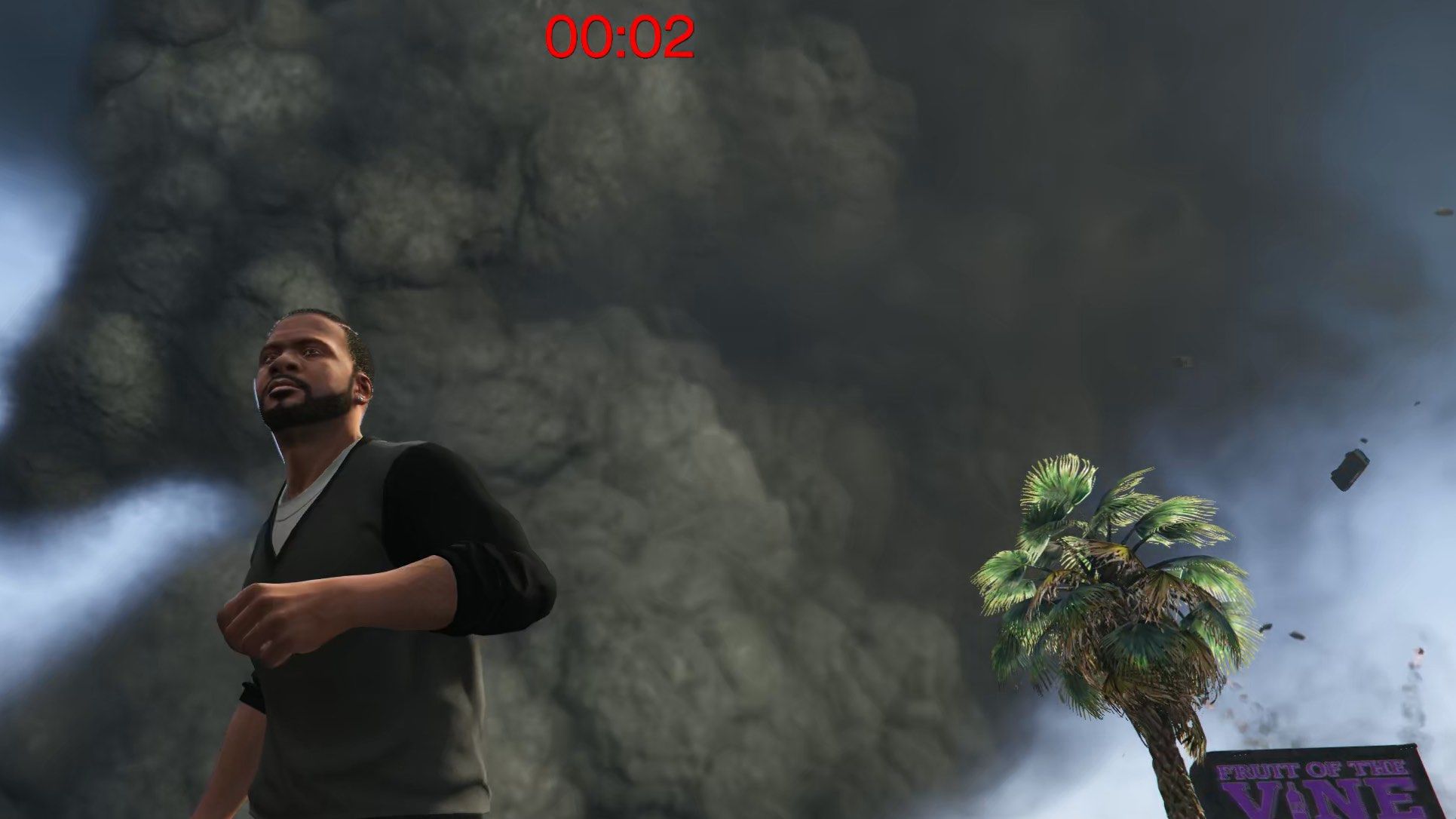
The centerpiece of this latest update is the "TornadoV" script. Unlike standard weather effects that are baked into the game’s engine, this mod introduces massive, interactive, and destructive tornadoes to the Los Santos map.
Technical Functionality
TornadoV allows for user-defined configuration, mapped to the F5 key, while the spawning mechanism is tied to the F6 key. This has created a secondary "operational hazard" for the user: since F6 was previously designated as the trigger for the noclip (fly-cam) mod, the user now finds themselves unable to navigate the map at speed without simultaneously summoning a localized cyclone.
Impact on Game Physics
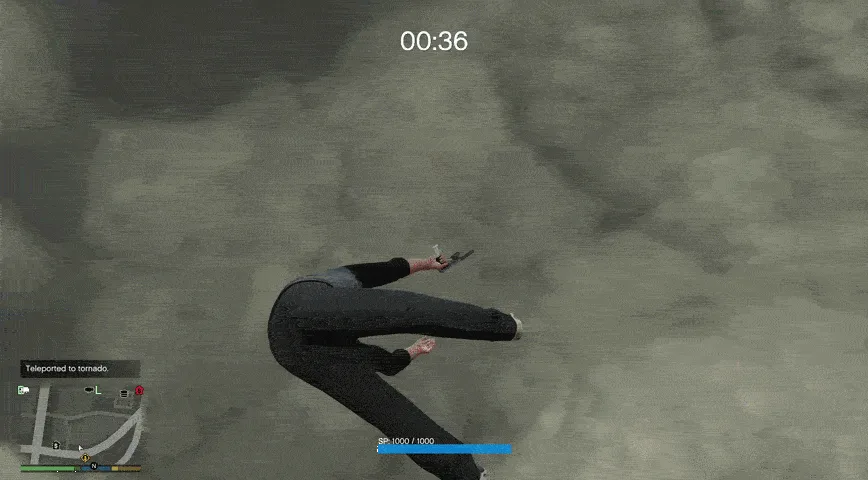
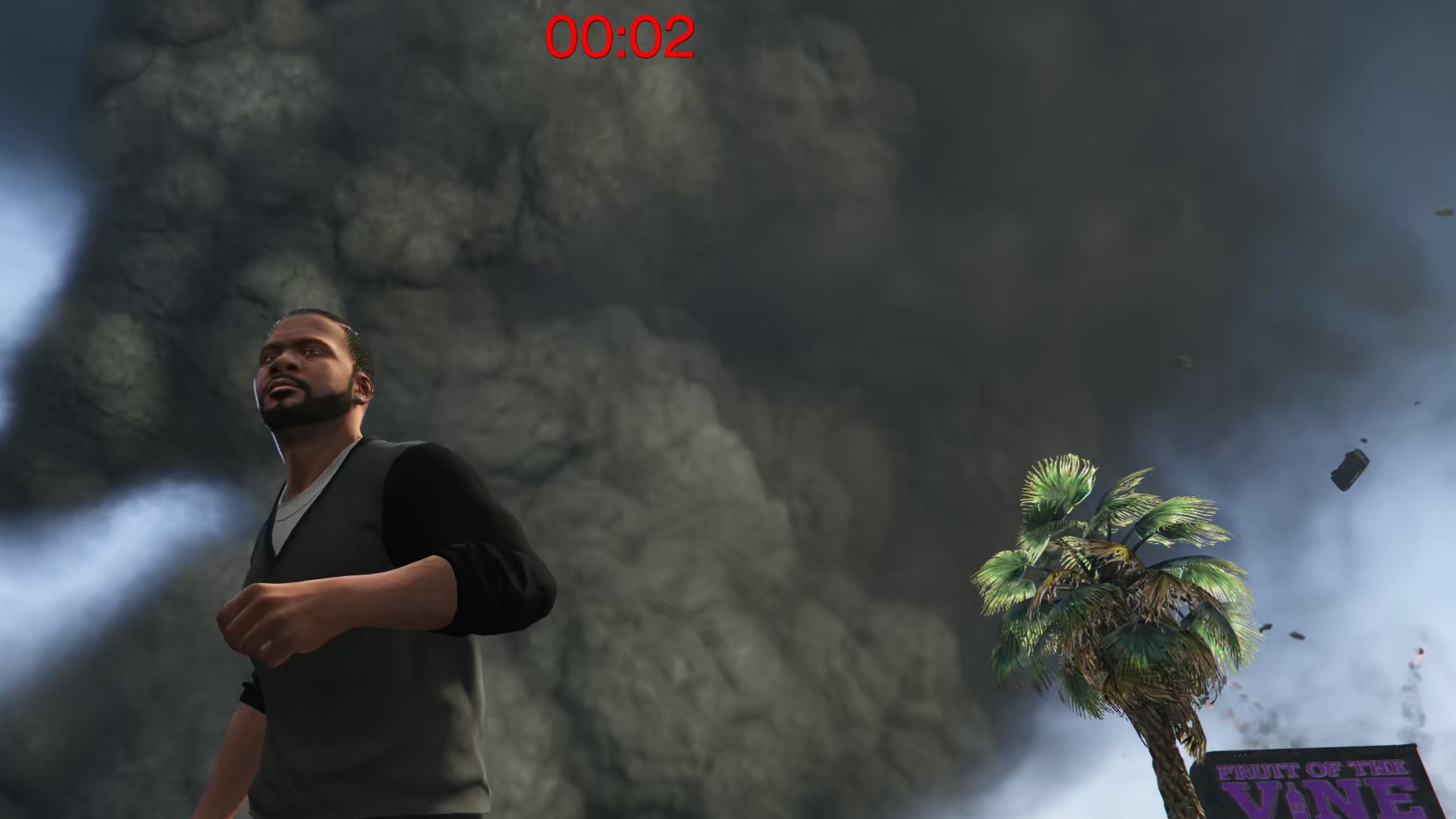
When a tornado spawns in Los Santos, the result is less of a weather event and more of a total physical collapse. Objects, vehicles, and NPCs are caught in the wake of the vortex, creating a chaotic display of ragdoll physics and asset destruction. It serves as a fascinating, albeit destructive, window into how the RAGE engine handles real-time procedural chaos.
Supporting Data: The Cost of Chaos
To understand why these mods cause such friction, one must look at the technical constraints of Grand Theft Auto 5. The game was designed for hardware spanning back to the PlayStation 3 and Xbox 360 era. While the PC version introduced higher fidelity, the underlying logic—specifically the way the engine calculates the interactions between objects and the world—remains tethered to older design philosophies.
- CPU Overhead: Every mod that alters physics (like TornadoV) places an exponential load on the CPU. The calculations required to simulate a swirling mass of debris interacting with a persistent city map often lead to frame-rate drops that can trigger the game’s internal watchdog timers, leading to crashes.
- Memory Management: The game’s memory footprint, when expanded by third-party script hooks like ScriptHookV, often reaches the threshold of the allocated RAM, leading to memory leaks.
- The "Noclip" Conflict: Conflicts between input scripts (as seen with the F6 key overlap) illustrate the fragile nature of script execution order. If two mods attempt to hook the same input, the game’s response can range from unresponsive menus to total application hang-ups.
Official Responses and Industry Context
While Rockstar Games has historically maintained a "don’t ask, don’t tell" policy regarding single-player modding, the company’s stance on mods that facilitate online cheating or threaten the integrity of the ecosystem remains strict. However, for solo projects that push the engine to its limits, the community has largely operated in a gray area.
Industry experts note that this type of "aggressive modding" provides valuable data on engine longevity. While it may not result in a "PC version of GTA 6," the lessons learned about memory management and script stability are shared across forums, often leading to more optimized tools for the wider modding community. Rockstar itself has yet to comment on this specific project, though their focus remains heavily on the upcoming launch of Grand Theft Auto 6, which is expected to utilize an entirely new iteration of the RAGE engine designed to handle the very stressors this modder is currently simulating.
Implications for the Future of Modding
What does this tell us about the future of the series? As we look toward the next generation of Grand Theft Auto, the ambition of players to alter their experience is only growing. Projects like this are not merely for entertainment; they are a form of digital archaeology. They reveal the breaking points of a beloved game and demonstrate the resilience of the community.
The implication is clear: even as games become more complex and locked-down, the desire to tinker, to break, and to rebuild remains a fundamental component of the PC gaming experience. Whether the goal is to make the game look like its successor or simply to see how much destruction the engine can render before it crashes, these efforts ensure that the spirit of Grand Theft Auto 5 remains alive, evolving, and occasionally—dramatically—collapsing under the weight of its own ambition.
As the experiment continues, the question remains: what is next? Will we see more complex weather systems, or perhaps a total overhaul of the NPC AI? Given the current trajectory, the only certainty is that the game will continue to be pushed to the brink, one script at a time. The modder’s journey is not just about playing the game; it is about defining the boundaries of what is possible within the digital walls of Los Santos.

