

By Tech Desk Staff
Published: September 17, 2026
The launch of Valve’s highly anticipated Steam Frame hardware has predictably ignited a familiar firestorm within the gaming community. Following the official price reveal and the opening of reservation queues on September 14, thousands of prospective buyers have flooded social media and community forums to report a disheartening outcome: instead of securing early hardware allotments, they have been relegated to an extended waiting list.
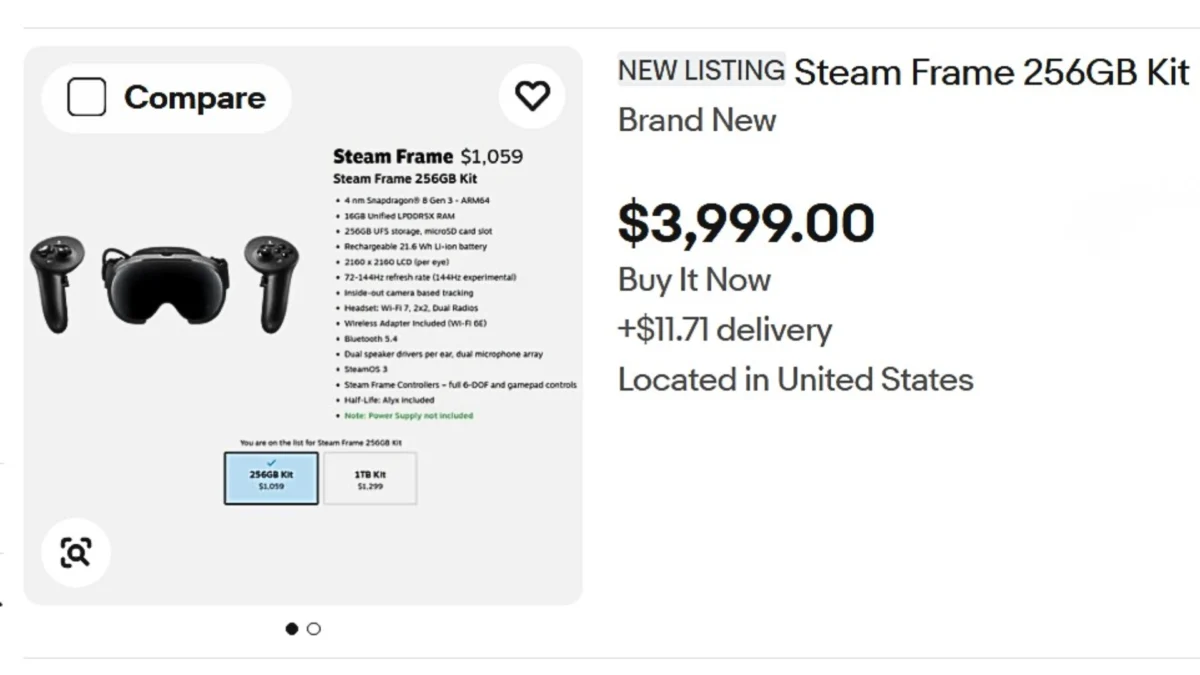
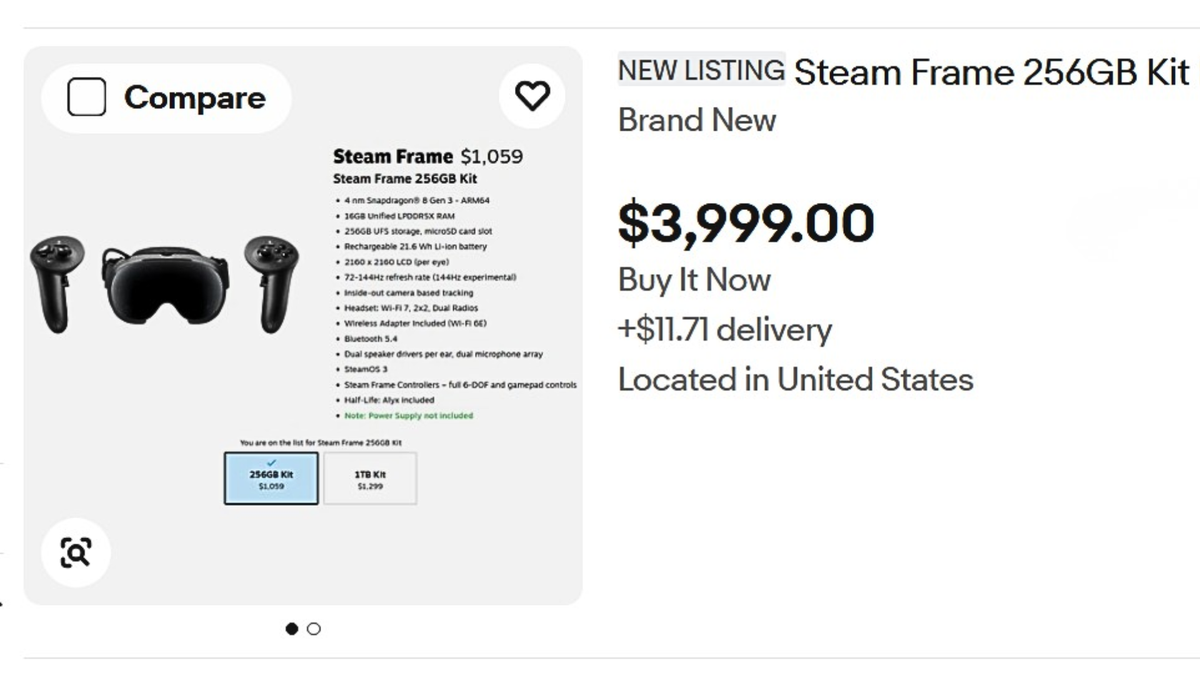
Compounding the frustration of eager consumers, opportunistic resellers have immediately seized upon the scarcity. Exorbitantly marked-up listings have inundated secondary marketplaces like eBay, mirroring historical trends seen with previous Valve hardware rollouts. As the company issues a fresh wave of waitlist notifications—with some hopefuls reportedly told they may not receive purchasing access until well into 2027—industry analysts and consumer advocates are sounding the alarm over potential fraud, speculative reselling, and the persistent vulnerabilities of modern hardware queue systems.
Main Facts: The Steam Frame Launch and the Resale Boom
At the heart of the controversy is the Steam Frame, Valve’s latest hardware ecosystem entry, which has captured the intense attention of the PC gaming and virtual reality communities. When Valve opened its registration system on Monday, September 14—utilizing the same verification and queuing framework previously deployed for the Steam Machine rollout—demand immediately overwhelmed available supply allocations.
Rather than managing a chaotic, automated "first-click-wins" stampede that typically favors automated bot networks, Valve opted for a gated registration queue designed to filter out malicious actors and verify legitimate user accounts. However, this measure has failed to completely deter speculative listings.
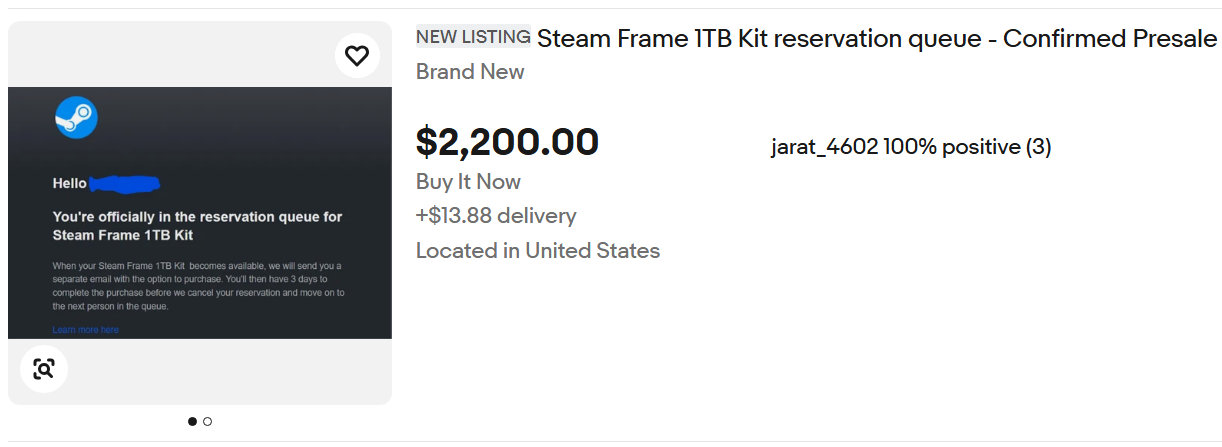
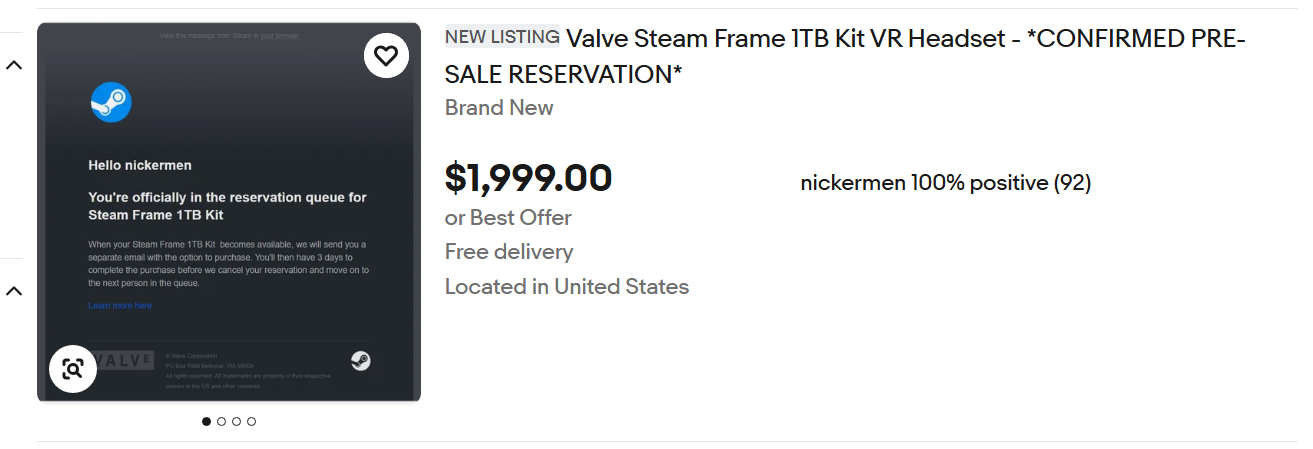
Almost immediately following the price and registration announcement, secondary market platforms began seeing placeholder and speculative listings for the Steam Frame. Following the distribution of the first wave of waitlist emails—notifying disappointed fans that they had missed the initial manufacturing window—a secondary wave of predatory listings emerged. These new postings frequently feature screenshots of reservation queue confirmations or digital placeholders, with sellers attempting to flip their yet-to-be-fulfilled purchasing rights for immense profit margins.
Chronology of Events: From Anticipation to Secondary Market Exploitation
To understand how the current landscape of frustration and exploitation developed, it is helpful to examine the precise timeline of the Steam Frame rollout:
- September 14, 2026: Valve officially unveils the pricing structure and opens global reservations for the Steam Frame, implementing its established multi-tiered registration system to curb bot activity.
- September 14–16, 2026: Within hours of registration going live, speculative listings begin trickling onto platforms like eBay. At this stage, sellers list hypothetical devices without any physical proof of allocation, capitalizing purely on initial hype.
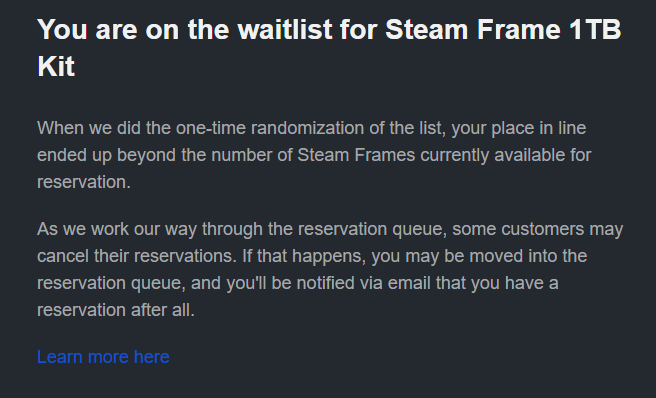
- September 17, 2026: Valve begins dispatching automated status emails to registrants. While a fortunate few receive purchasing confirmations, a vastly larger cohort receives "dreaded waitlist emails," notifying them that initial stock has been exhausted.
- September 17, 2026 (Post-Email Wave): A secondary, more aggressive wave of scalper listings floods eBay and other auction sites. These listings incorporate altered or stolen screenshots of reservation queue confirmations, with asking prices doubling or tripling retail value, and some projected delivery windows stretching into 2027.
Supporting Data: Historical Precedents and Market Realities
The phenomenon currently plaguing the Steam Frame is by no means an isolated incident within Valve’s hardware history, nor is it unique to the broader consumer electronics industry.
When evaluating the viability of these secondary market listings, industry experts point to several concerning metrics and historical patterns:
The Illusion of Availability
Anyone listing a physical, non-dev-kit Steam Frame on an open marketplace prior to actual fulfillment windows is engaging in speculative pre-sale behavior. Because Valve ties hardware reservations directly to authenticated Steam accounts—often incorporating account age, past purchasing history, and region locks—transferring a reservation queue spot is structurally difficult, if not entirely impossible, without handing over full access to one’s personal Steam credentials.
The Steam Controller and Steam Machine Blueprint
The current market response closely mirrors the trajectory of recent Valve accessories. For instance, the $100 Steam Controller has frequently commanded resale prices as high as $300 on eBay due to ongoing supply chain crunches and persistent collector demand. Similarly, early hardware iterations of past Valve devices routinely saw initial markups exceeding 150% to 200% above retail value before stabilization occurred months later.
Extended Waitlist Horizons
Reports emerging from community groups indicate that the depth of the Steam Frame queue is substantial. Select users who missed the primary allocation window have shared correspondence from Valve indicating that their current position on the waiting list extends deep into 2027. It is precisely this long-horizon scarcity that empowers bad actors to manipulate desperate consumers into paying inflated prices for immediate delivery promises.
Official Responses and Platform Measures
Valve has historically attempted to balance accessibility with anti-scalping protocols. By routing reservations through the primary Steam client, the company requires users to log into established accounts with historical spending data, thereby filtering out simple script-kiddie bot farms that plague open-web storefronts like those used by traditional console manufacturers.
However, these measures possess inherent limitations. While account-gating prevents bots from hoarding thousands of units instantly, it cannot prevent human users from registering valid accounts purely for speculative resale purposes. Furthermore, because Valve’s manufacturing pipelines are bound by global semiconductor constraints and complex assembly logistics, scaling production to meet sudden, hyper-concentrated demand remains an intractable challenge.
Marketplaces like eBay also face structural hurdles in policing these listings. Because pre-sale policies on auction sites often permit the listing of items if delivery can be guaranteed within a specific timeframe (typically 30 days), scalpers exploit grey areas by listing "reservation spots" or digital confirmation rights rather than physical goods—frequently violating terms of service in ways that automated moderation filters struggle to catch immediately.
Implications for Consumers and the Broader Hardware Market
The unfolding Steam Frame scalping crisis carries significant implications for both everyday gamers and the tech industry at large:
1. Consumer Vulnerability and Fraud Risk
The primary casualty of this ecosystem is the everyday consumer. Security experts and tech journalists are issuing stern warnings regarding the authenticity of current eBay listings. Because reservation queue confirmations can be easily manipulated, altered, or outright stolen from public forums, buyers who pay double or triple the retail price face an extraordinarily high risk of outright financial fraud. Handing over funds to unverified third-party sellers on secondary markets offers zero buyer protection if the seller fails to transfer a valid hardware allocation—a task made even more perilous by Valve’s account-bound ecosystem restrictions.
2. The Normalization of Scarcity Culture
The recurring cycle of hardware launches followed by immediate secondary market exploitation threatens to normalize a culture of manufactured or exacerbated scarcity. When consumers expect that a major product launch will automatically result in months of waiting lists and exorbitant resale prices, it fosters an aggressive, hyper-competitive purchasing climate that alienates casual enthusiasts and rewards predatory speculators.
3. Recommendations for Prospective Buyers
For those currently staring at a waitlist notification in their inbox, the prevailing advice from consumer advocates is clear: exercise extreme caution and patience.
- Avoid Secondary Markets: Purchasing a Steam Frame through platforms like eBay at this stage exposes buyers to severe markup inflation and high scam risks.
- Trust the Queue: Valve historically fulfills hardware reservations systematically as manufacturing capacity expands. While waiting until late 2026 or 2027 may test the patience of early adopters, it remains the only guaranteed way to secure authentic hardware at standard retail pricing.
- Beware of Digital Phishing: Do not interact with unverified offers on social media claiming to sell or trade Steam reservation queue positions, as these are almost exclusively coordinated phishing attempts designed to compromise personal Steam accounts.
As the dust settles on the initial wave of Steam Frame notifications, the tech community watches closely to see whether Valve will introduce secondary fulfillment batches or additional verification layers to stabilize the chaotic marketplace surrounding its latest hardware endeavor.

