

The gaming industry often moves with a relentless, forward-facing velocity, frequently leaving its foundational architects in the rearview mirror. However, every so often, a project emerges that serves as a poignant reminder of the creative forces that shaped our digital landscapes. Such is the case with Guns of Eschaton, a newly announced soulslike first-person shooter that stands as the final creative testament of the legendary artist Viktor Antonov.
Antonov, who passed away in 2025 at the age of 52, was a titan of environmental storytelling. His distinct visual language—characterized by oppressive, atmospheric urbanism and a seamless blend of the industrial with the uncanny—defined the aesthetic DNA of seminal titles like Half-Life 2, Dishonored, Wolfenstein: The New Order, and Weird West. With the announcement of Guns of Eschaton, the industry has been given a glimpse into the final project to bear his transformative touch.
A Visionary’s Swan Song: The Genesis of the Project
To understand the weight of Guns of Eschaton, one must understand the man behind the concept. Viktor Antonov was not merely an artist; he was a world-builder who believed that a game’s setting should function as a primary character. Whether it was the dystopian, Eastern Bloc-inspired rot of City 17 in Half-Life 2 or the whale-oil-soaked industrialism of Dishonored’s Dunwall, Antonov’s work possessed a "lived-in" quality that few have managed to replicate.
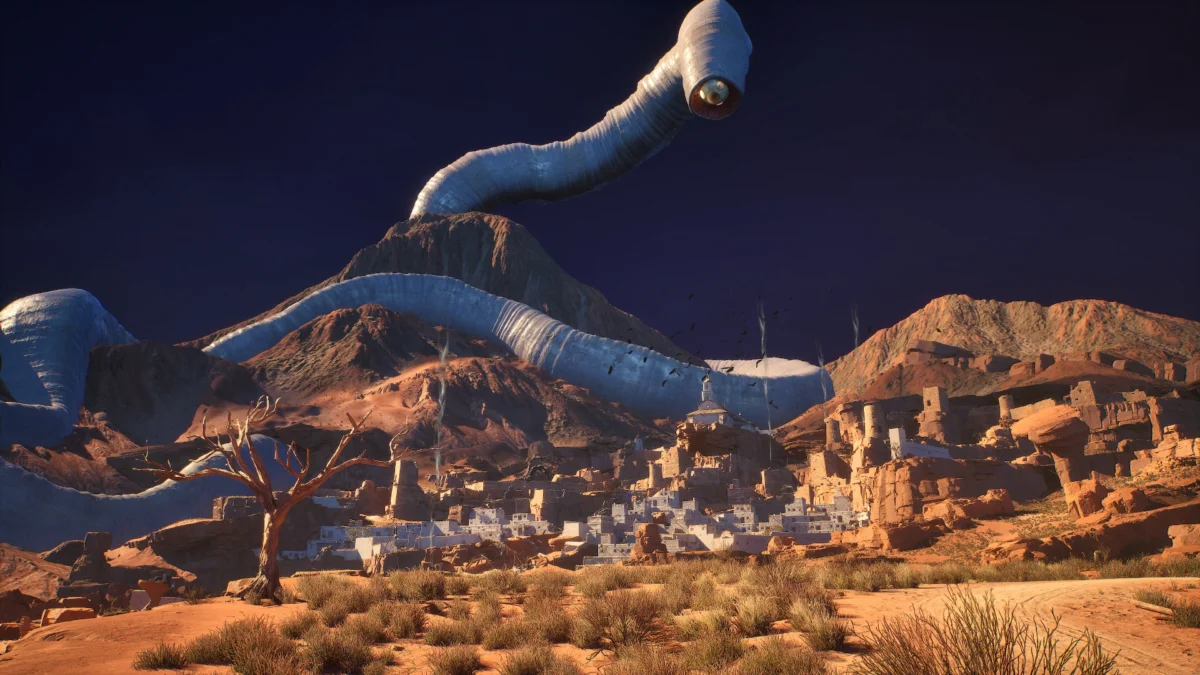
Guns of Eschaton represents a departure from his more urban-focused work, pivoting instead to the mythic, dusty expanses of a "dying America." Developed by Eschatology Entertainment, the game is described as a fantasy Wild West soulslike FPS. While the genre has become crowded with imitators, the inclusion of Antonov’s signature aesthetic—a haunting, surrealist take on the 19th-century American Frontier—promises to elevate the title beyond mere mechanical repetition.
The World of a Dying Frontier
Set in a twisted, occult-infused version of the 19th century, Guns of Eschaton takes players on a grueling, cross-continental pilgrimage. Players will journey from the rugged coastlines of the West to the fraying edges of the East, navigating a landscape that is as much a psychological nightmare as it is a physical one.
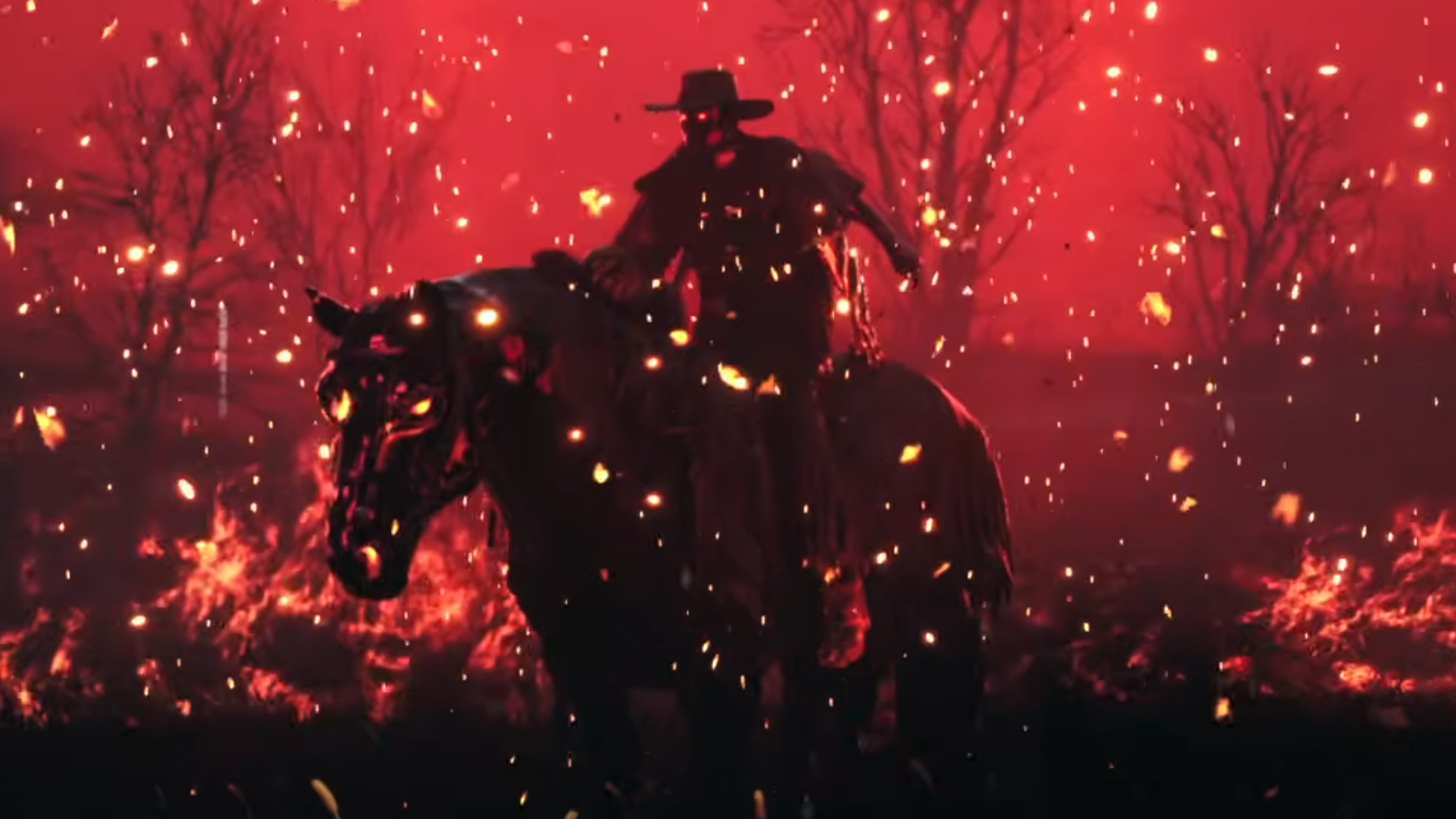
The lore, inspired by the convergence of historical American figures, folklore, and dark fantasy archetypes, suggests a narrative depth that mirrors the complexity of the environments. The game is not a historical simulation; it is a dark, speculative interpretation of the frontier spirit. The promotional material released alongside the announcement features imagery of riders on infernal, spectral steeds and desolate, rotting settlements, signaling that the "dying" aspect of this version of America is both literal and spiritual.
Mechanical Depth: The Soulslike FPS
Transitioning the deliberate, high-stakes combat of the soulslike genre into a first-person shooter format is a notoriously difficult balancing act. Many titles have attempted it, but few have mastered the nuance required to maintain the "weight" of the genre while allowing for the fluidity of a shooter.
According to preliminary details, Guns of Eschaton will lean heavily into the strategic elements that define the soulslike experience. Combat is not merely about pulling a trigger; it is about resource management, timing, and environmental awareness. Players will need to master:
- Tactical Parrying and Dashing: Moving beyond simple "run-and-gun" mechanics, the game demands precision. Timing a parry against a charging supernatural entity or dashing through a hail of occult fire will be the difference between progress and failure.
- Specialized Ammunition: Players will have access to a variety of firearm types, but the true depth lies in the ammo. Different foes will possess specific resistances and vulnerabilities, necessitating the careful selection of talismans and bullet types before entering a boss arena.
- Deep Customization: The game promises a robust RPG-lite system. With a massive arsenal of weaponry, occult-imbued armor, and a wide array of passive and active abilities, players can tailor their loadouts to suit distinct playstyles—whether that be a heavy-hitting gunfighter or a more nimble, spell-focused combatant.
Furthermore, the game features full co-op support, allowing players to brave the horrors of this dying frontier with a companion, adding a layer of tactical cooperation to the challenging boss encounters.
Official Commentary: The Legacy of Collaboration
The announcement of the game was marked by a profound sense of respect for the late Viktor Antonov. Fuad Kuliev, the head of Eschatology Entertainment, spoke at length about the collaborative nature of the development process and the indelible mark Antonov left on the team.
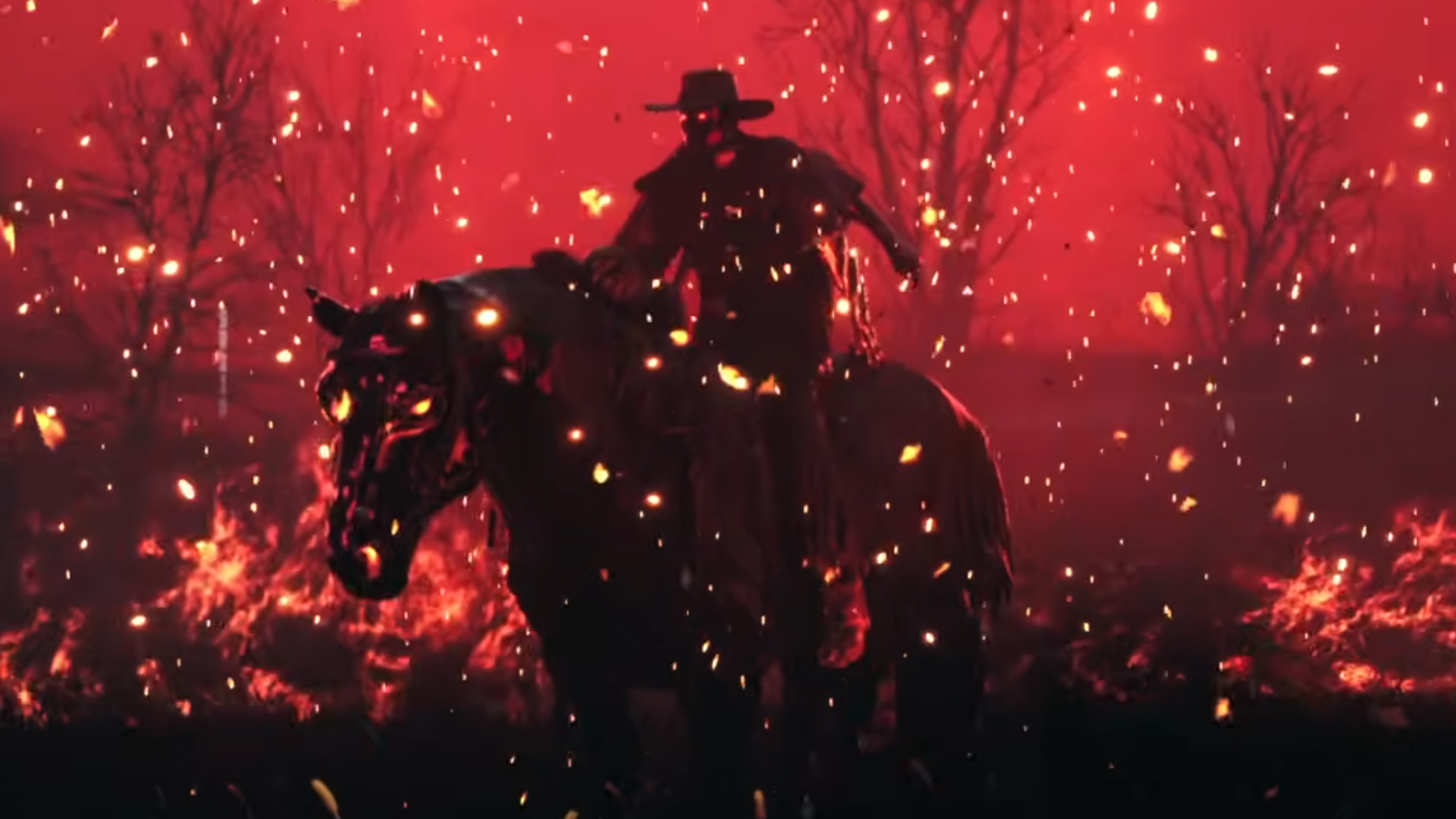
"We are incredibly honoured to be revealing Guns of Eschaton, the final project shaped by the extraordinary vision of Viktor Antonov," Kuliev stated in the official press release. "From the earliest stages of development, I had the privilege of shaping this world together with Viktor: where ideas, themes, and concepts evolved through his talent into the world players will see today."
Kuliev emphasized that the project was not merely "inspired by" Antonov but was a direct result of his active participation and mentorship. "Viktor’s imagination and creative legacy have been a constant source of inspiration throughout development, and this game is the result of an incredible collaborative effort from our entire team to bring that vision to life."
This commentary underscores the importance of the game as a cultural artifact. For fans of Antonov’s previous work, Guns of Eschaton acts as a final chapter in a career that fundamentally changed how we view game design.
Implications for the Industry
The success of Guns of Eschaton will hinge on whether its mechanics can match the ambition of its art direction. In the current gaming climate, where "soulslike" has become a shorthand for difficulty, the game must prove that it possesses the mechanical depth to justify its punishing nature.
However, the industry implications are broader. The game highlights the importance of the "auteur" in game development—the idea that a single person’s visual and thematic consistency can serve as a primary marketing and creative force. While modern AAA development is often a committee-driven process, Guns of Eschaton stands as a reminder of the power of a unified, singular vision.
If the game succeeds, it will likely serve as a blueprint for how developers can honor the legacy of industry icons while pushing the boundaries of established genres. If it falters, it may serve as a cautionary tale about the difficulty of maintaining a clear creative vision after the departure of the guiding hand.
Looking Ahead
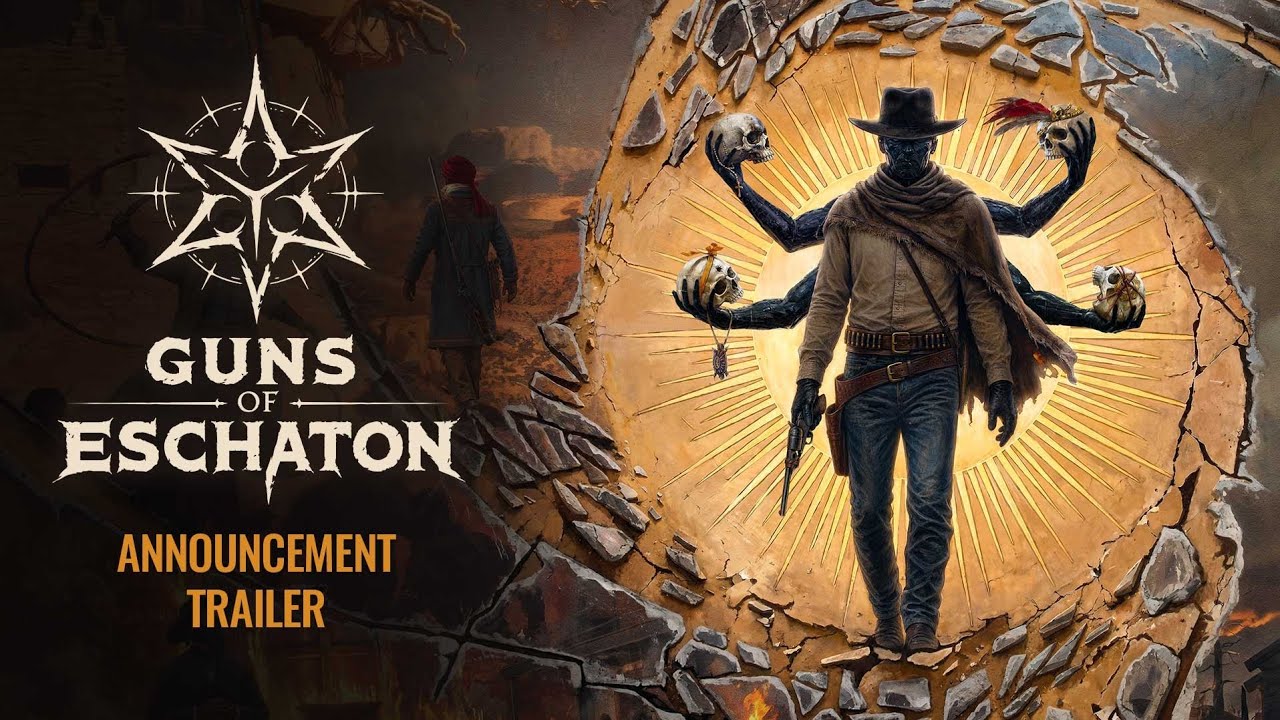
While a release date for Guns of Eschaton remains unannounced, the game is currently available for wishlisting on Steam. For those interested in the evolution of the Western genre, the potential of the soulslike-FPS hybrid, and, most importantly, the final creative heartbeat of a master artist, this title is one to watch closely.
As the development team at Eschatology Entertainment continues their work, they are effectively tasked with a dual mission: to deliver a compelling, mechanically sound video game, and to act as the stewards of Viktor Antonov’s final creative output. It is a tall order, but for a world as intriguing as the one teased in the announcement trailer, it is a journey worth waiting for.
In an industry that often celebrates the "new," there is a unique resonance in looking back at the contributions of the past to understand the potential of the future. Guns of Eschaton is, in every sense, a project of legacy. Whether it becomes the next defining classic or a cult favorite, it will forever remain the final piece of the puzzle in the career of one of gaming’s most influential architects. As the dust settles on the frontier of this "dying America," one thing is certain: Viktor Antonov’s vision will be felt in every frame.

