

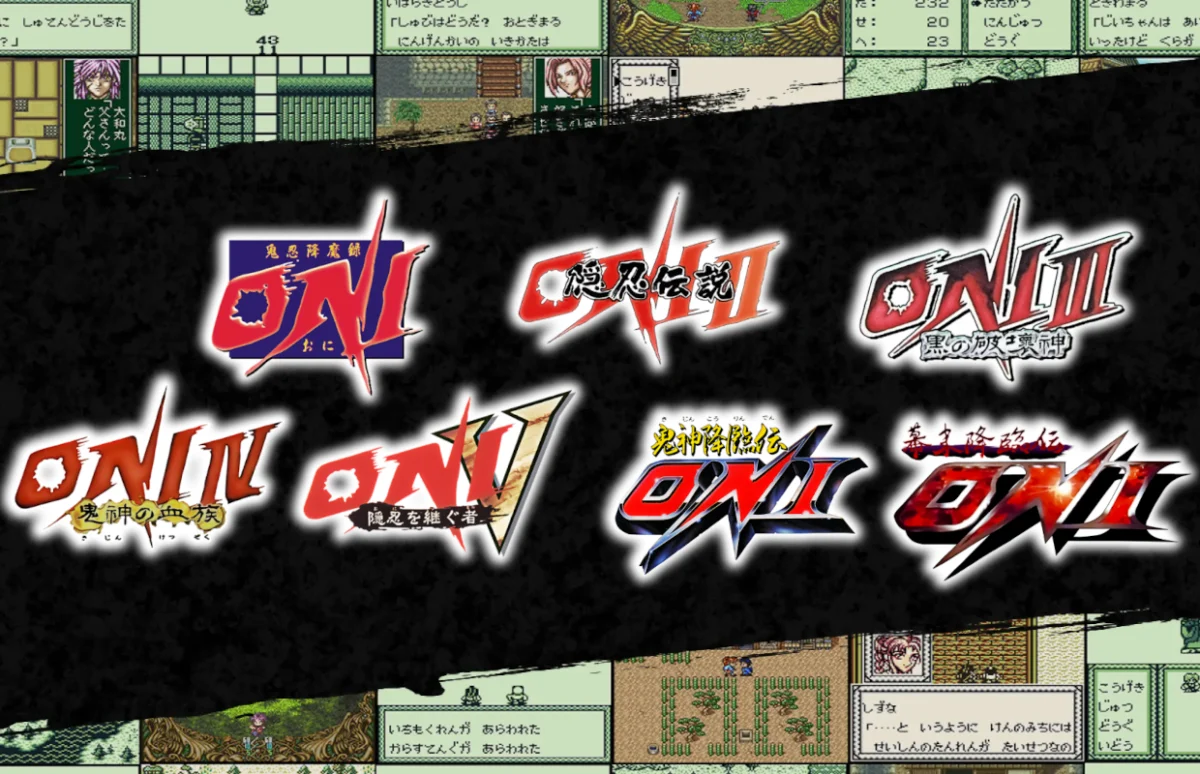
TOKYO — In a major move for retro gaming preservation and classic Japanese Role-Playing Game (JRPG) enthusiast communities, D3 Publisher has formally announced that the foundational first seven entries in the storied ONI RPG franchise are making their triumphant return. Set to launch on the Nintendo Switch on January 28, this comprehensive collection brings together every single title released across the classic Game Boy and Super Famicom (SNES) eras, opening a nostalgic window into an overlooked pillar of 1990s console gaming.
The announcement, verified via official announcements on both D3 Publisher’s corporate portal and Japanese press release distribution networks, confirms that modern players will finally have legal, native access to titles that have largely remained confined to vintage cartridges for decades. As the gaming industry increasingly grapples with issues of software preservation, accessibility, and the commercial viability of retro titles, D3 Publisher’s initiative stands out as a sweeping, definitive curation of a unique historical franchise.
Main Facts: The Scope of the ONI Nintendo Switch Collection
The upcoming Nintendo Switch port collection encompasses all seven foundational titles developed during the height of the 16-bit and portable gaming booms. The lineup bridges the gap between Nintendo’s monochrome handheld legacy and its iconic 16-bit home console, giving players a chance to experience an expansive suite of role-playing adventures that defined a generation of Japanese developers.
At its core, the ONI franchise is celebrated for its distinctive blending of traditional JRPG mechanics with an alternative historical Japanese aesthetic. Unlike standard fantasy epics of the era, which leaned heavily into Western-style medieval folklore, the ONI series immersed players in a mythologically rich, historical-adjacent version of Japan, blending folklore, political intrigue, and supernatural elements.
A fascinating linguistic and conceptual quirk of the series centers on the term 隠忍 (rendered formally as Innin, meaning "Undercover Ninja"). In a clever piece of branding and thematic wordplay, the series uses the alternate reading Oni for these characters, cleverly subverting the traditional Japanese kanji for demons or ogres (鬼) to establish its unique ninja-themed lore.
While D3 Publisher has outlined that the games will be distributed through multiple purchase formats—ranging from bundled digital suites to individual platform releases—the overarching goal is clear: to ensure that the roots of the ONI phenomenon are accessible to both veterans of the original 1990s releases and a fresh audience of contemporary Nintendo Switch owners.
Chronology and Lineup: Tracing the Evolution of the ONI Universe
To fully appreciate the significance of this January 28 release, one must examine the chronological progression of the franchise. The seven titles making their way to the Nintendo Switch are neatly divided between Nintendo’s portable powerhouse, the Game Boy, and its legendary home console, the Super Famicom.
The Game Boy Quintology (1992–1995)
The portable entries are especially noteworthy because the first five Game Boy titles form a continuous, interconnected narrative quintology. Unlike many portable RPGs of the early 1990s, which relied on loose, episodic storytelling, the ONI Game Boy titles featured a serialized plot that carried player progression, lore, and character arcs directly from the very first game through to the fifth installment.
- ONI I (Game Boy): The game that started it all, establishing the unique alternate historical Japanese setting and introducing players to the concept of the Innin (Oni). It laid down the foundational turn-based combat and exploration frameworks that the subsequent games would expand upon.
- ONI II (Game Boy): Continuing the narrative thread immediately following the events of the opener, this sequel deepened the geopolitical tensions and supernatural threats facing the protagonists.
- ONI III (Game Boy): Expanding the scope of the portable engine, the third entry introduced more complex dungeon layouts and refined the pacing of the overarching narrative quintology.
- ONI IV (Game Boy): Nearing the climax of the portable arc, this title challenged players with higher difficulty spikes and more intricate character development systems.
- ONI V (Game Boy): The grand finale of the Game Boy narrative arc, bringing closure to the overarching multi-game storyline that had captivated portable gamers for years.
The Super Famicom (SNES) Era
With the success of the portable entries, the franchise expanded onto Nintendo’s premier 16-bit home console, the Super Famicom. Freed from the technical limitations of monochrome screens and audio chips, the developers utilized the SNES hardware to deliver vastly enhanced visual fidelity, sweeping orchestral soundtracks, and more cinematic storytelling.
- ONI Super Famicom Entry A: Transitioning to the 16-bit home console allowed for lush, colorful sprite work and expansive overworlds that brought the alternative historical Japanese setting to life in ways the Game Boy could only hint at.
- ONI Super Famicom Entry B: Serving as the pinnacle of the classic era, this title maximized the capabilities of the SNES hardware, offering refined tactical combat, deeper party customization, and a grand cinematic scope that left an indelible mark on JRPG history.
Supporting Data and Context: The Modern ONI Renaissance
D3 Publisher’s decision to port these seven classic titles to the Nintendo Switch does not happen in a vacuum. Over the past several years, a concerted grassroots and corporate effort has emerged to revitalize the ONI intellectual property, drawing heavily on the creative vision of the series’ original creator, Takiya Iijima (originally credited as Takeo Iijima).
The revival movement has steadily gained momentum, transforming what was once a dormant, nostalgic footnote into a vibrant, multi-platform multimedia push. Industry analysts point to several key milestones that have paved the way for the upcoming January 28 release:
- Takiya Iijima’s Creative Return: Series creator Takiya Iijima has taken an active role in steering the modern resurgence of his life’s work. His continued involvement has ensured that any modern continuation or re-release remains faithful to the artistic integrity of the 1990s originals.
- Oni Zero Cross (Projected 2027): Demonstrating that ONI is more than just a nostalgia act, Iijima revealed last year that he is actively producing a brand-new, cutting-edge entry in the franchise titled Oni Zero Cross, slated for a projected release window in 2027. This upcoming title aims to bridge classic JRPG design philosophies with modern gaming standards.
- Oni Zero: Revival Reboot at TGS 2026: Further cementing the franchise’s contemporary relevance, developer Mebius and publishing partner Konami have announced plans to showcase a fully playable Switch demo build of Oni Zero: Revival Reboot at the Konami booth during Tokyo Game Show 2026. This tactical rollout ensures sustained public interest leading directly into the broader franchise revival.
By packaging the original seven games for the Nintendo Switch just as newer entries and reboots loom on the horizon, D3 Publisher is establishing a perfect on-ramp for newcomers. Players will soon be able to experience the chronological roots of the franchise before diving into modern reimaginings like Revival Reboot and the upcoming Oni Zero Cross.
Official Responses and Industry Reception
The announcement has sent ripples of excitement through the Japanese gaming community, prompting enthusiastic commentary from industry veterans and media outlets alike. While major corporate stakeholders have maintained a measured, professional posture regarding sales projections, the sentiment among classic development circles is overwhelmingly positive.
Takiya Iijima has previously expressed profound gratitude for the enduring passion of the fanbase, noting that the ability to bring these worlds back to modern platforms is a dream come true. Speaking on the broader preservation efforts, creative representatives from D3 Publisher emphasized that the decision to port the entire foundational catalog was driven by a commitment to video game history.
"The ONI series represents a distinct era of creative risk-taking in Japanese game development," noted one industry insider close to the project. "By blending alternative historical fiction with deep, serialized role-playing mechanics, the original development teams crafted something truly timeless. Bringing all seven titles to the Nintendo Switch is not merely a commercial venture; it is an act of cultural stewardship."
Fans online have similarly praised the move, particularly highlighting the value of keeping the Game Boy quintology intact. In an era where digital storefronts frequently close and classic cartridges appreciate beyond the financial reach of average consumers, a comprehensive, platform-unified release is seen as the gold standard for retro curation.
Implications: What This Means for Retro Gaming and the Future of ONI
The arrival of the first seven ONI RPGs on the Nintendo Switch on January 28 carries significant implications for both D3 Publisher and the broader video game landscape.
1. A Blueprint for Niche IP Revival
For publishers holding rights to dormant, mid-tier 90s franchises, the ONI rollout serves as a textbook masterclass in audience priming. Rather than dropping a single isolated remaster, the strategy involves:
- Archiving and releasing the complete original catalog to build foundational goodwill and historical context.
- Partnering with seasoned developers (such as Mebius and Konami) to showcase modern remakes and playable demos at major international events like Tokyo Game Show.
- Staging a long-term roadmap culminating in entirely new entries (such as Oni Zero Cross in 2027) overseen by the original creator.
2. The Nintendo Switch as the Ultimate Retro Haven
The Nintendo Switch continues to cement its status as the definitive modern platform for classic JRPGs and retro game preservation. Its hybrid nature—allowing for both traditional TV play and portable handheld sessions—makes it the spiritual successor to both the Super Famicom and the Game Boy. Playing the ONI Game Boy quintology on a modern Switch feels poetically appropriate, honoring the hardware lineage that birthed the genre.
3. Overcoming Language and Cultural Barriers
While initial releases are heavily targeted at the Japanese domestic market—underscored by Japanese-language press releases and regional event showings—the global appetite for classic, esoteric JRPGs has never been higher. Retro enthusiasts worldwide are increasingly utilizing digital avenues to explore deep-cut Japanese gaming history, and the hope remains high among international fans that these ports will eventually receive broader localization support.
Conclusion
As the calendar ticks down toward January 28, anticipation is reaching a fever pitch. D3 Publisher’s decision to bring the seven foundational ONI RPGs to the Nintendo Switch represents a monumental victory for preservationists, historians, and JRPG purists alike.
By respecting the past through comprehensive curation while aggressively building toward the future with Oni Zero: Revival Reboot and Oni Zero Cross, the ONI franchise is undergoing a miraculous renaissance. Whether you are a veteran player seeking to relive the serialized adventures of the Game Boy era or a curious newcomer eager to explore the alternative historical depths of the Super Famicom classics, the return of the Innin is destined to be one of the most compelling retro gaming events of the coming year.

