

In the landscape of modern competitive gaming, the "prop hunt" subgenre has long been defined by a singular, rigid philosophy: blend in or die. Whether it’s hiding as a coffee mug in Garry’s Mod or mimicking a landscape painting in the latest viral sensation Meccha Chameleon, the core loop relies on the player’s ability to manipulate the environment to become invisible to the naked eye. However, a new wave of meta-gaming has emerged that flips this paradigm on its head, proving that in the world of high-stakes social deduction, confidence is often a more effective camouflage than any texture pack.
The Viral Defiance of RNGeezMC
Most Meccha Chameleon highlight reels are masterclasses in artistic deception. Players spend minutes meticulously painting their character models to match the complex lighting and color palettes of the game’s ornate environments. When successful, the result is a perfect silhouette that remains undetected even when a seeker is standing inches away.
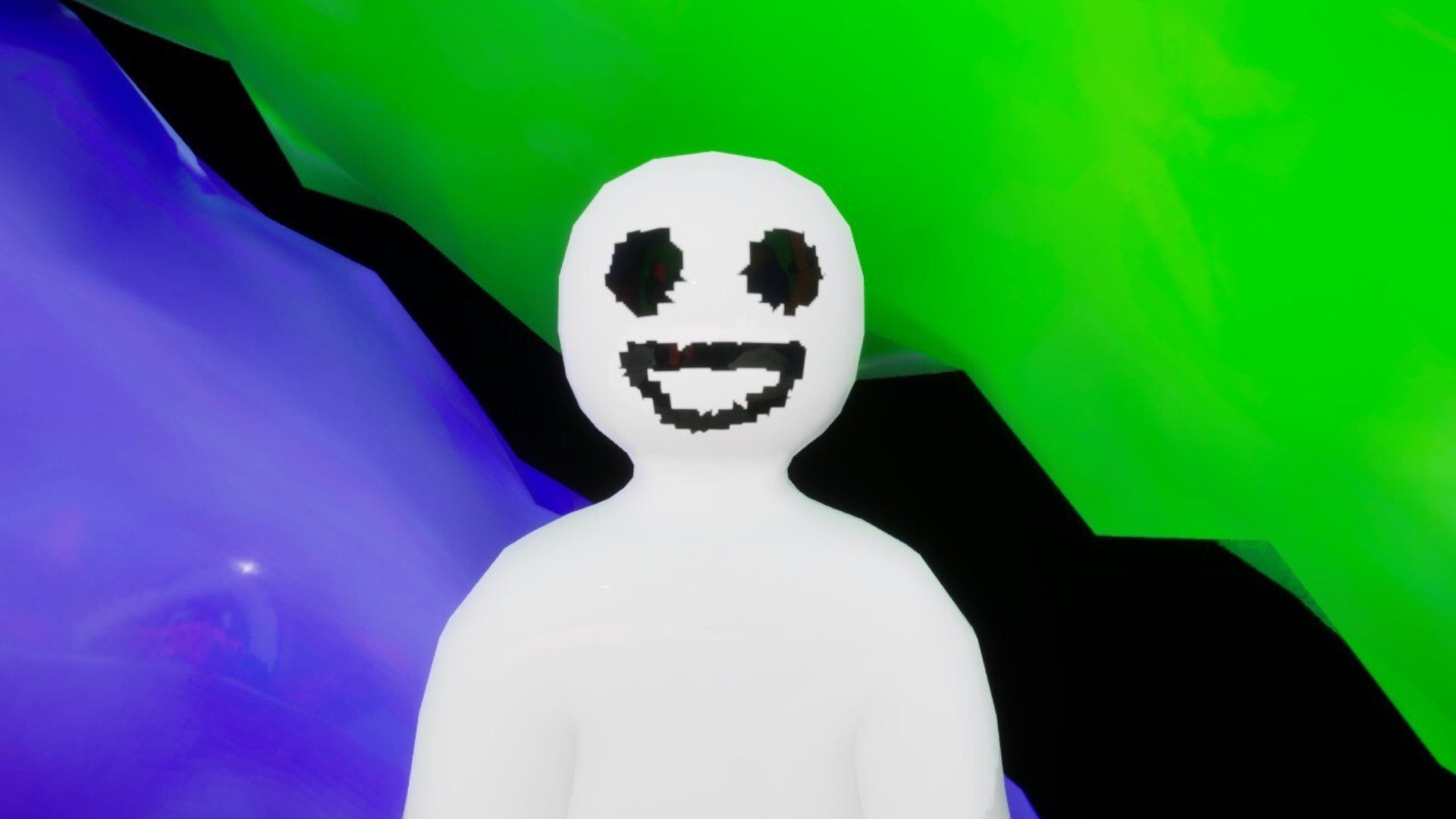
But recent footage shared by X (formerly Twitter) user RNGeezMC has sent shockwaves through the community. In a clip that has garnered widespread attention, the player opted for a strategy that can only be described as "aggressive transparency." Instead of camouflaging, they coated their character in a plain, stark white—the default color of a non-disguised player—and simply walked among the seekers.
"I play in Meccha Chameleon public lobbies like I’m performing a Turing test on the other players," RNGeezMC remarked. The footage is chillingly effective: they stroll past seekers with the nonchalance of a developer testing a map, completely devoid of the defensive posture or panic-induced scurrying typical of a hider. Despite carrying no weapons and possessing a smaller, featureless frame, they remain entirely ignored. At one point, a seeker, so fixated on their hunt for hidden items, literally pushes the "imposter" aside to clear a path. The player raises their hands in a gesture of surrender, a move not even supported by the game’s standard seeker mechanics, and yet, they remain unscathed.
A Chronology of the ‘Meccha Chameleon’ Phenomenon
Meccha Chameleon did not arrive with the fanfare of a triple-A title, but it has certainly cemented its place in the industry’s history over the past few weeks.
- Launch Phase: Upon its quiet release, the game was praised for its robust painting engine, which allowed for unprecedented levels of creative expression. Early adopters focused almost exclusively on the "chameleon" aspect of the gameplay, competing to see who could create the most realistic texture overlays.
- The Meta Shift: Within a fortnight of launch, the community began to optimize their hiding spots. Forums and subreddits were flooded with "best spots" guides, leading to a heightened sense of paranoia among seekers.
- The "Invisible in Plain Sight" Era: The current meta, highlighted by the RNGeezMC clip, represents a third phase: psychological warfare. Players have realized that when seekers are trained to look for complex textures and subtle errors in the environment, they become blind to anything that looks "default" or "human."
- Record-Breaking Success: As of late June 2026, the game has officially crossed the 10-million-unit sales milestone, a staggering feat for a $6 indie title that relies entirely on player-generated social dynamics rather than pre-scripted content.
Supporting Data: Why It Works
The success of the "hiding in plain sight" strategy is not merely a result of player error; it is a fascinating case study in cognitive psychology and visual perception. When a seeker enters a room in Meccha Chameleon, their brain is tasked with a high-load pattern recognition exercise. They are looking for inconsistencies—a pixel of the wrong shade, an unnatural edge, or a shadow that doesn’t align with the environment.
This phenomenon is known as "inattentional blindness." By presenting a stimulus that is entirely "neutral"—a blank white character—the player essentially glitches the seekers’ expectation-based processing. The seekers are so busy looking for a masterfully painted chameleon that they effectively delete the "boring" white character from their visual field. It is the video game equivalent of the "invisible gorilla" test, where participants are so focused on counting basketball passes that they fail to see a person in a gorilla suit walking across the screen.
Industry Implications and Community Response
The game’s developer has remained relatively hands-off, choosing to let the emergent gameplay dictate the evolution of the meta. This lack of developer intervention has been crucial to the game’s success.
PC Gamer’s Lincoln Carpenter, in his comprehensive review of the title, noted that Meccha Chameleon stands out because it rewards "skills and understanding with broader relevance." Unlike competitive shooters that demand twitch reflexes or precise aiming, Meccha Chameleon rewards the player’s understanding of human behavior.
"Hiding in plain sight like RNGeezMC feels like the kind of clever thinking another game might punish you for," Carpenter wrote. "But not Meccha Chameleon: Understanding that people wouldn’t ever expect someone to subvert the rules is a valid tactic."
This sentiment is echoed throughout the player base. The game has fostered a culture where "winning" is defined not by the scoreboard, but by the "clip"—the moment where you successfully bamboozle an opponent through sheer audacity. This shift from mechanical skill to social manipulation has expanded the game’s appeal, drawing in players who might otherwise be intimidated by the competitive nature of modern multiplayer titles.
The Future of ‘Meccha Chameleon’
With over 10 million copies sold, the trajectory for Meccha Chameleon is clear: it is becoming the definitive social deduction game of the year. However, the emergence of the "RNGeezMC method" poses an interesting question for the developers. Will they look to "fix" the visibility of default players, or will they lean into the chaos?
For now, the game remains a playground for the bold. The $6 price point acts as a low barrier to entry, allowing for a diverse range of players to experiment with these new, subverted strategies. Whether you prefer the artistic route—spending ten minutes carefully color-matching a wall—or the psychological route—walking into a room and hoping nobody notices you don’t belong—the game offers a rare space where both are equally viable.
As for the seekers? They are learning the hard way that in Meccha Chameleon, the greatest threat isn’t the player you can’t find; it’s the player standing right in front of you, daring you to acknowledge their existence. The "Turing test" in public lobbies continues, and as long as human psychology remains as predictable as it is, we can expect to see many more "amateurs" winning by refusing to hide at all.

