

By Tech & Hardware News Desk
Published: October 2023
Main Facts
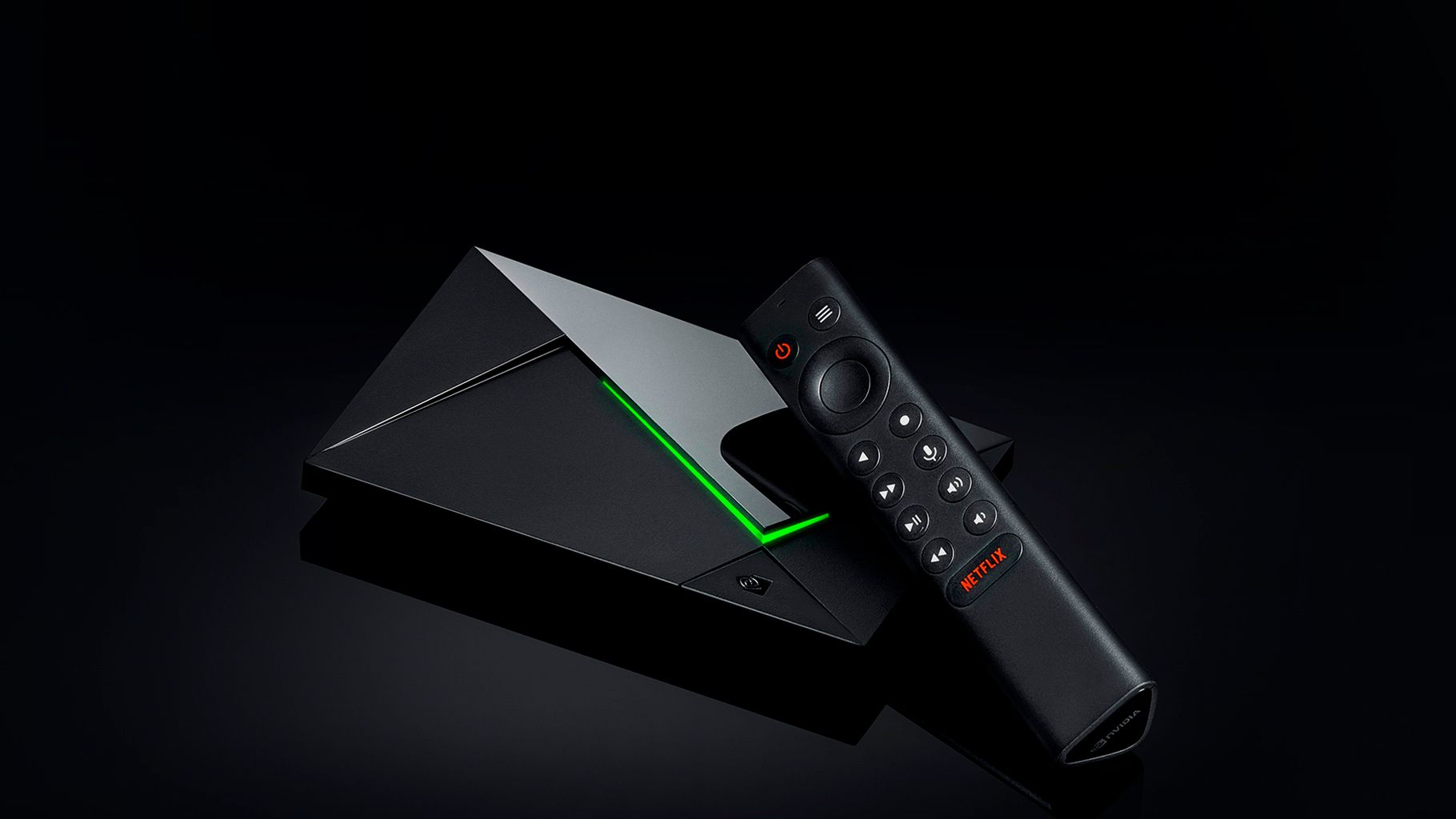
In an unexpected and unprecedented move for a piece of consumer electronics that has spent years on the market without a substantial hardware refresh, Nvidia has dramatically increased the price of the Shield TV Pro. Originally retailing at a stable $199.99—a price point it maintained for years while earning a reputation as one of the premier Android TV streaming boxes available—the device now commands a hefty $299.99 price tag.
The staggering 50% price increase, which is now officially reflected on Nvidia’s direct storefront, has left consumers and industry analysts alike scratching their heads. The Shield TV Pro has long been celebrated by home theater enthusiasts and gamers for its powerful Tegra processor, AI-enhanced upscaling, Plex server capabilities, and robust support for various media formats. However, charging $300 for a device first introduced in broadly similar configurations years ago represents a massive paradigm shift in the consumer hardware market.
According to Nvidia, the primary catalyst behind this sudden and steep markup is the surging global cost of hardware components, driven overwhelmingly by the insatiable, worldwide demand for artificial intelligence (AI) infrastructure. As tech giants and data centers aggressively gobble up silicon wafers, specialized processors, and advanced memory modules to train massive large language models, the ripple effects are finally reaching everyday living room entertainment devices.
Chronology: The Evolution and Longevity of the Shield TV
To truly understand why a $100 price hike on the Shield TV Pro is sending shockwaves through the tech community, it is helpful to look back at the device’s remarkable timeline.
- May 2015: The Genesis. Nvidia first entered the dedicated living room entertainment space with the original Nvidia Shield Android TV. Powered by the bespoke Tegra X1 mobile processor, it was marketed as both a powerful 4K media streamer and a revolutionary cloud-gaming device leveraging Nvidia’s nascent GeForce NOW service.
- January 2017: The First Revision. Nvidia refreshed the form factor, releasing a slightly smaller iteration of the Shield TV that dropped the MicroSD card slot and shipped with an updated remote control while retaining the core Tegra X1 architecture.
- October 2019: The Birth of the Pro. Nvidia launched the Shield TV and the Shield TV Pro (2019 edition). The Pro model featured 3GB of RAM, 16GB of storage, a 64-bit Tegra X1+ processor (which offered a modest 25% performance bump over the original), Dolby Vision, Dolby Atmos support, and a groundbreaking AI-powered upscaling feature designed to make lower-resolution video look crisp on 4K displays. This model was anchored firmly at the $199.99 price point.
- 2020 – 2022: Pandemic Era Stability. Despite severe global supply chain disruptions, semiconductor shortages, and logistical nightmares during the COVID-19 pandemic, Nvidia kept the Shield TV Pro locked at its $199.99 MSRP. It became the gold standard for "power users" who wanted an alternative to Apple TV, Roku, or Fire Sticks.
- Late 2023 / Present Day: The $300 Shock. With no announced hardware upgrades, new controller options, or major software overhauls to justify the shift, Nvidia quietly adjusts the price of the Shield TV Pro up to $299.99, pointing directly at component scarcity and the macro-economic pressures of the global AI boom.
Supporting Data: The Anatomy of a Component Shortage
How does an AI boom in enterprise data centers translate to a higher price tag for a home media streaming box? The answer lies in shared semiconductor supply chains, manufacturing constraints, and the economics of silicon production.
1. The Semiconductor Bottleneck
Modern consumer electronics do not exist in a vacuum. Devices like the Nvidia Shield TV Pro rely on specialized System-on-Chips (SoCs)—in this case, variants of the Nvidia Tegra platform. While Nvidia designs these chips, they rely heavily on third-party semiconductor foundries, most notably Taiwan Semiconductor Manufacturing Company (TSMC).
Over the past few years, TSMC’s advanced packaging and fabrication lines have experienced unprecedented demand. Companies developing generative AI accelerators, enterprise GPUs (such as Nvidia’s own H100 and A100 chips), and high-performance computing (HPC) hardware take priority because enterprise hardware yields significantly higher profit margins per wafer than consumer-grade streaming device chips.
2. Memory and Storage Pressures
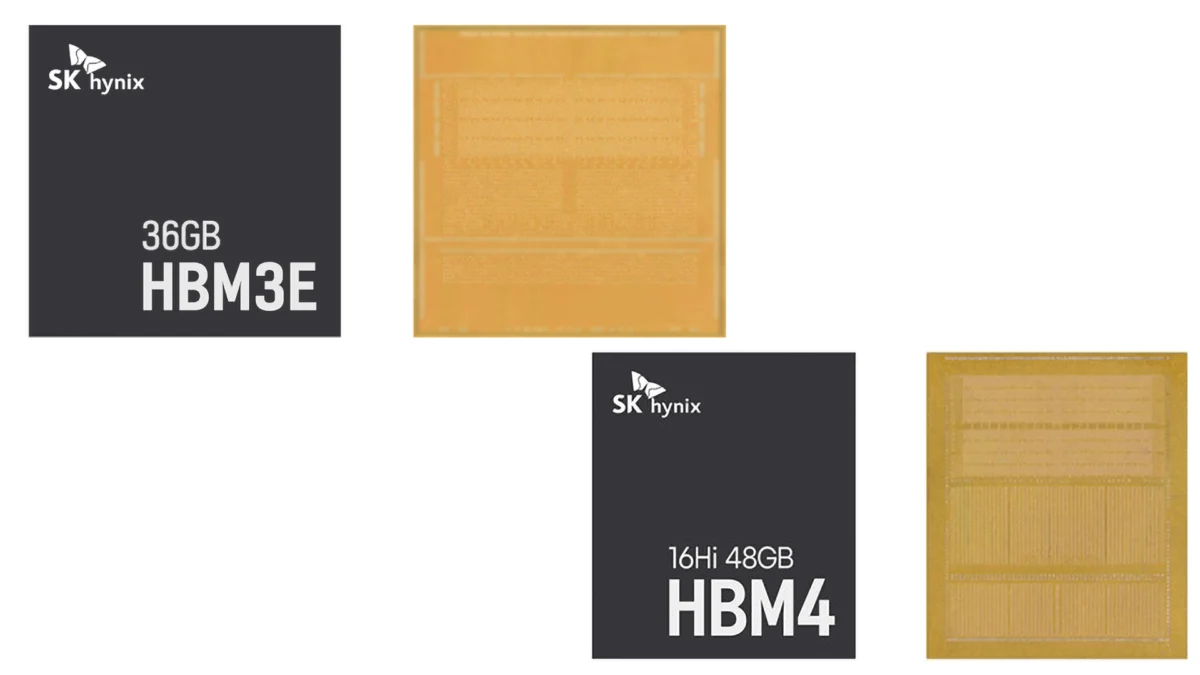
The Shield TV Pro is equipped with 3GB of RAM and 16GB of flash storage. While these specs sound modest compared to a modern smartphone or gaming PC, the components themselves—specifically LPDDR4/LPDDR5 memory architectures and NAND flash memory—are subject to intense global market fluctuations.
As hyperscale data centers expand to accommodate AI workloads, the demand for high-speed RAM and enterprise-grade storage has driven up baseline manufacturing costs across the entire supply chain. When component suppliers face higher costs to produce silicon, those increases are inevitably passed down to system builders and hardware manufacturers.
3. Logistical and Inflationary Pressures
Beyond silicon, the baseline costs of raw materials (such as copper, aluminum, and plastics used in chassis manufacturing), international shipping, labor, and warehousing have remained elevated compared to pre-pandemic baselines. For a legacy product like the Shield TV Pro, profit margins have likely shrunk to the point where Nvidia had to choose between discontinuing the device entirely or implementing a severe price correction.
Official Responses and Industry Context
Nvidia’s communication regarding the price adjustment has been remarkably sparse. Eschewing a grand press release or a dedicated product keynote, the company simply updated its official product listing and web store to reflect the new $299.99 reality.
When pressed for comment by hardware analysts and tech journalists, company representatives pointed broadly toward rising component costs heavily influenced by the artificial intelligence sector.
Industry analysts have weighed in with mixed interpretations:
- The Pragmatic View: Some market researchers note that keeping a 2019-era consumer product economically viable in an era of hyper-inflated fab costs is nearly impossible without a price adjustment. If the cost of sourcing the Tegra X1+ chipset and associated peripherals has risen dramatically, Nvidia essentially had to raise the price or take a financial loss on every unit sold.
- The Skeptical View: Consumer advocates and tech commentators have criticized the move, arguing that charging $300 for a four-year-old hardware architecture is difficult to swallow, regardless of global component markets. Competitors like Apple (Apple TV 4K), Google (Chromecast/Google TV Streamer), and Roku offer modern, highly capable 4K streaming alternatives at a fraction of the cost—often ranging from $50 to $150.
Implications for Consumers and the Future of Streaming Hardware
The $100 price hike on the Nvidia Shield TV Pro carries significant implications for the broader consumer technology landscape:
1. The End of an Era for Budget-Friendly "Pro" Devices
For years, the Shield TV Pro occupied a unique niche. It was undeniably more expensive than a standard Fire Stick or Roku, but its $200 price point felt justified for enthusiasts who wanted local Plex server hosting, lossless audio passthrough, retro emulation, and advanced upscaling. At $300, the device enters territory traditionally reserved for high-end gaming consoles or premium productivity tablets, drastically narrowing its target audience.
2. Will Other Consumer Tech Follow Suit?
The Shield TV Pro may serve as a canary in the coal mine for older, legacy consumer electronics. As generative AI continues to monopolize semiconductor manufacturing capacity, other companies producing specialized hardware—such as audio receivers, smart home hubs, routers, and niche computing devices—may find it increasingly expensive to maintain older product lines without raising prices.
3. Is a True Successor on the Horizon?
One of the most burning questions among consumers is whether this price hike signals the twilight of the current Shield ecosystem, or if a long-awaited Shield TV 2 with a modern, efficient processor is finally in development. Many tech enthusiasts argue that spending $300 on 2019 hardware is a poor investment, and that Nvidia should either release a modern successor built on a current-generation architecture or gracefully retire the brand.
Conclusion
Nvidia’s decision to hike the Shield TV Pro’s price to $299.99 is a stark reminder of how deeply the global AI revolution is reshaping the entire technology ecosystem. While the explanation—soaring component costs driven by AI infrastructure demand—is economically logical from a manufacturing perspective, it leaves consumers paying a heavy premium for aging living room hardware.
Whether buyers will continue to pay a $300 entry fee for a tried-and-true media streamer, or look toward cheaper, modern alternatives, remains to be seen. One thing is certain: the era of affordable, long-lifecycle consumer tech is facing unprecedented pressures in the shadow of the artificial intelligence boom.

