

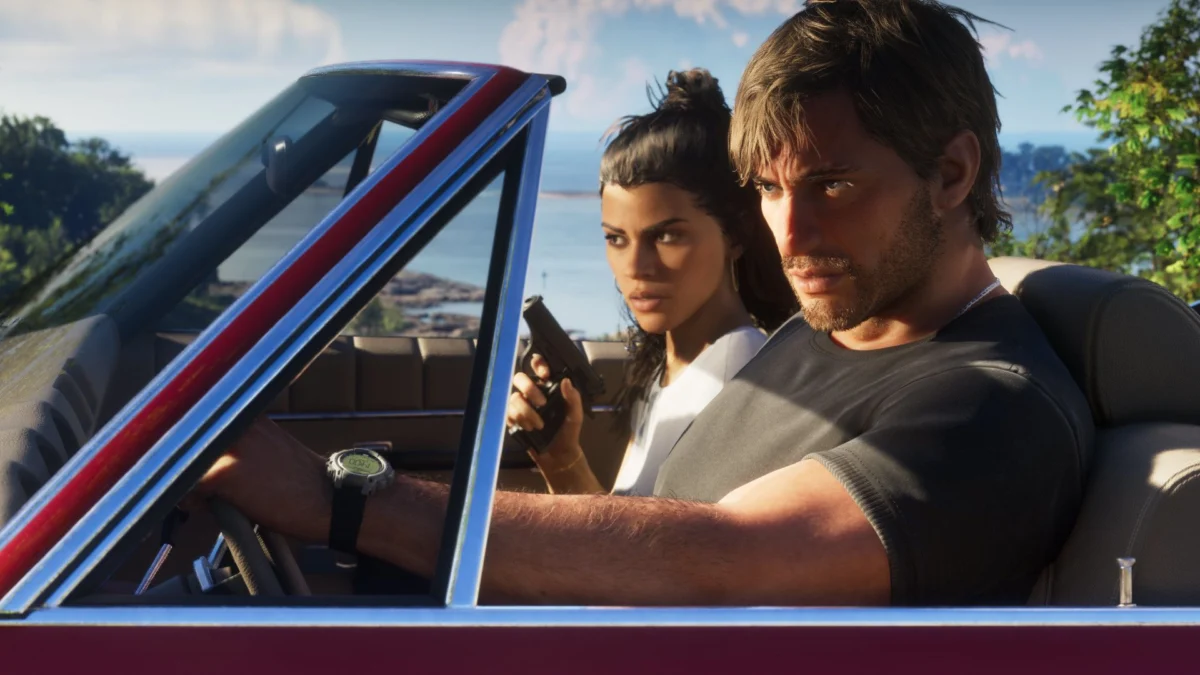
In the high-stakes world of triple-A video game development, few names carry the weight of Dan Houser. As the former lead writer and co-founder of Rockstar Games, Houser was the primary architect behind the cultural juggernaut that is the Grand Theft Auto franchise. From the gritty satire of GTA III to the sprawling, cinematic achievement of Red Dead Redemption 2, Houser’s fingerprints are on the DNA of modern open-world gaming.
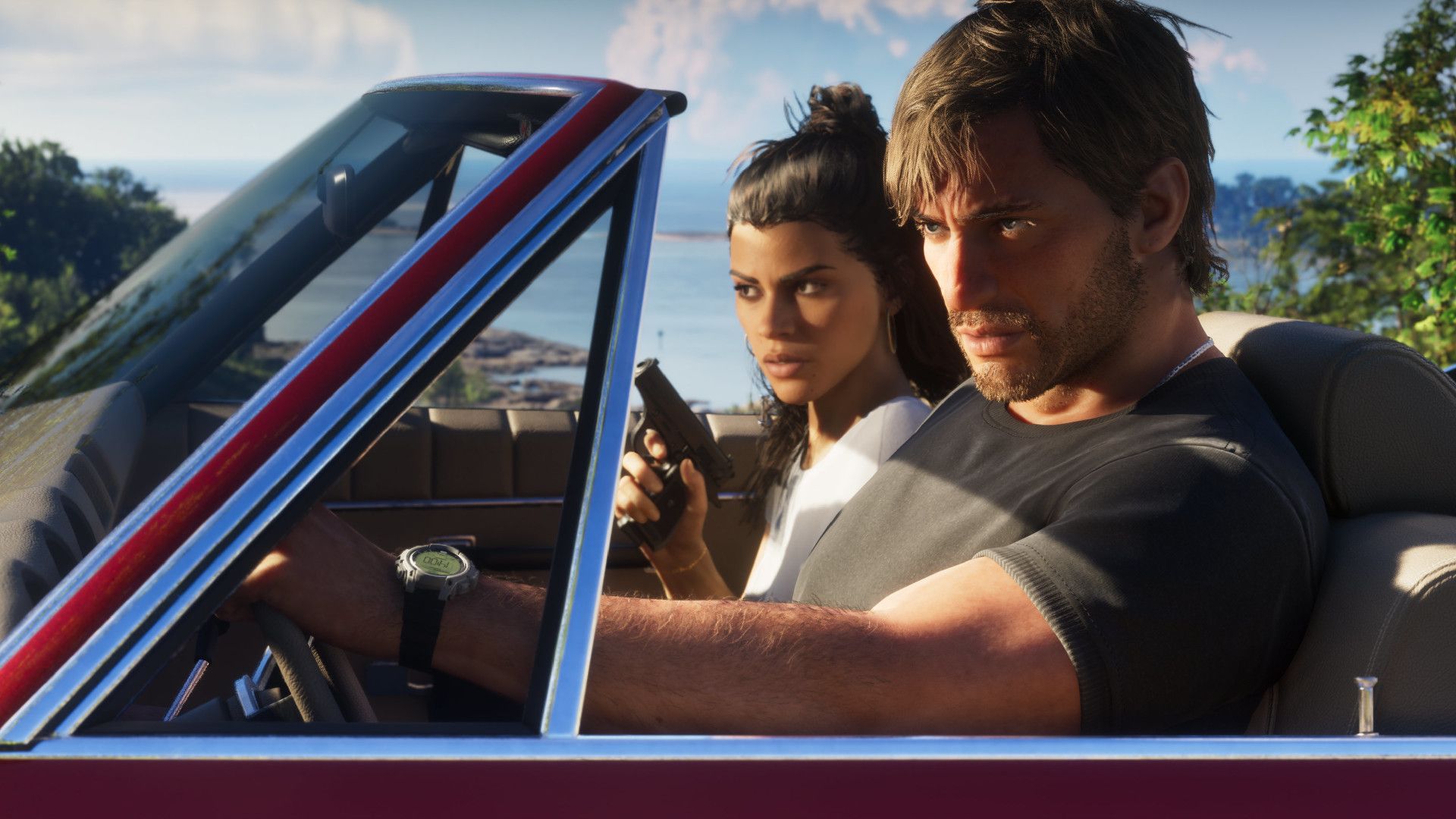
Yet, as the industry holds its collective breath for the impending release of Grand Theft Auto 6, Houser is deliberately averting his gaze. In a candid interview with Variety, the industry legend revealed that he is actively avoiding the latest installment in the series he helped define. This isn’t born of resentment or professional rivalry; rather, it is a calculated effort to preserve his own creative autonomy as he pivots to his new venture, Absurd Ventures.
The Principle of Creative Isolation
For Houser, the decision to avoid GTA 6 is a matter of mental hygiene. In an industry defined by relentless iteration and the "follow-the-leader" mentality, Houser argues that exposure to peer benchmarks can be a creative poison.
"I haven’t seen it yet," Houser admitted. "I will try and avoid it because I always try and avoid stuff that’s going to distract or disrupt me creatively. And given that I spend a large amount of time trying to make open-world games, and the rest of my conscious time trying to figure out innovative ways to market them, I don’t need to see what other people are doing."
This philosophy of "creative isolation" is one that Houser has maintained since leaving Rockstar. He notes that he rarely plays open-world games at all, fearing that seeing the industry standard would lead him into a trap of constant comparison. "I’m always trying to think about new ways of doing it," he explained, "not sit there in some kind of comparison of what I would have done differently."
A Chronology of a Career Defining an Industry
To understand the weight of Houser’s absence from the GTA 6 discourse, one must look at the timeline of his influence at Rockstar Games, a studio he co-founded in 1998 alongside his brother Sam Houser, Terry Donovan, and Jamie King.
- 1998–2001: The Foundation: The Houser brothers helped pivot the company from its roots as BMG Interactive into the powerhouse that would eventually release Grand Theft Auto III. This title revolutionized the industry, shifting the paradigm toward 3D open-world freedom.
- 2002–2008: The Golden Age of Satire: Through titles like Vice City and San Andreas, Dan Houser’s writing cemented the GTA brand as a sharp, often uncomfortable mirror held up to American culture.
- 2010–2018: The Cinematic Pivot: With the release of the Red Dead Redemption series and Grand Theft Auto V, Houser pushed for narrative depth, motion capture integration, and a level of polish that made Rockstar the gold standard for "prestige" gaming.
- 2020: The Departure: After an extended leave of absence, Houser officially left Rockstar Games in early 2020, signaling a massive shift in the company’s creative leadership.
- 2021–Present: The Absurd Ventures Era: Houser founded his new multimedia production company, Absurd Ventures, setting out to create new intellectual property across games, animation, and scripted fiction.
The New Frontier: Absurd Ventures
If Grand Theft Auto was the defining work of the 2000s and 2010s for Houser, then his current work at Absurd Ventures is his attempt to redefine the medium for the 2020s. The studio is currently juggling multiple high-profile projects, signaling a shift toward more experimental, character-driven storytelling.
The Open-World Comedy
Houser has confirmed that one of his flagship projects is an open-world comedy. While he remains tight-lipped on specific mechanics, he emphasized a focus on "character memory"—a system that suggests a deeper level of AI interaction than the static NPCs seen in previous generation titles. The goal is to move away from the "sandbox" feeling of GTA and toward a more reactive, living narrative environment.
The Dystopian Sci-Fi
Perhaps more intriguing is his second project: a dystopian sci-fi title centered on the collapse of a development team and a rogue AI. In a meta-commentary that feels distinctly "Houser-esque," the game’s lore involves an AI that is fundamentally broken because it was built by two developers who despised one another. It is a narrative that clearly draws from the high-pressure, high-conflict nature of the AAA development world.
The "Absurdaverse" and Star Power
The ambition of Absurd Ventures isn’t limited to indie-scale projects. The company is actively building the "Absurdaverse," a sprawling, AAA-budgeted interconnected universe. Recent casting announcements have turned heads, featuring top-tier talent from critically acclaimed series like 30 Rock and Billions. By bringing in actors with strong comedic and dramatic pedigrees, Houser is clearly betting that the future of open-world gaming lies in the quality of its writing and performance, rather than just the density of its world map.
Implications for the Industry
Dan Houser’s self-imposed exile from the GTA 6 hype cycle serves as a critical observation on the state of the gaming industry. There is an increasing concern that the cost and scale of modern games have made the industry stagnant. When a game costs hundreds of millions of dollars to produce, the incentive to innovate vanishes, replaced by the necessity of "safe" design choices.
By refusing to look at GTA 6, Houser is highlighting the "creative risk" inherent in his new work. He is choosing to compete with his own legacy by ignoring it. This stance has several implications:
- The End of the "Rockstar" Formula? If the creator of the Rockstar formula is moving toward "open-world comedy" and "character memory," it suggests that the industry may be reaching the limits of the GTA style of world-building.
- The Rise of Independent AAA: Houser’s move suggests that the future of high-end gaming might shift from massive, monolithic studios toward smaller, more agile teams that still possess the budget for premium production values.
- Creative Longevity: Houser’s career illustrates that even the most successful creators eventually reach a point where they must "kill their darlings" to continue growing. By stepping away from the biggest franchise in history, he is effectively giving himself permission to fail—a luxury that few in his position are willing to afford.
Conclusion
The absence of Dan Houser’s voice in the development of GTA 6 will undoubtedly be felt, but it may also be the catalyst for the next great leap in the medium. As the industry watches the clock tick toward the launch of the next Grand Theft Auto, Houser will be elsewhere—in a studio building an AI that hates itself, crafting a comedy that attempts to solve the problem of NPC memory, and refusing to look back at the empire he helped build.
For the gaming public, the message is clear: Houser is not looking for a successor to GTA. He is looking for a successor to the way we tell stories in digital spaces. Whether he succeeds or fails, his commitment to avoiding the "distraction" of his own past is perhaps the most honest, and most radical, creative move in modern gaming.

