

The year 2026 has been, by many accounts, a challenging chapter for the global gaming industry. A persistent cycle of studio restructuring, workforce reductions, and project cancellations has cast a long shadow over the development landscape. Yet, beneath this veneer of corporate instability, a different narrative is taking root within the virtual reality sector. Far from a state of decline, the VR medium is currently witnessing a renaissance of creativity, characterized by high-fidelity ambitions and a surge of genre-defying indie projects that refuse to be constrained by the industry’s broader malaise.
As we look toward the final two quarters of 2026, the horizon is filled with promise. From blockbuster-adjacent franchises to experimental, immersive experiences that push the boundaries of what is possible within a headset, the second half of the year is shaping up to be an essential period for VR enthusiasts. Whether you are seeking the mechanical precision of flight combat or the emotional gravity of narrative-driven puzzle games, the diversity of the upcoming slate is a testament to the resilience of the VR development community.
A Landscape in Transition: Why 2026 Matters
The current state of the VR market is marked by a pivot away from "tech demo" tropes toward sustained, deep-engagement experiences. Developers are no longer merely testing the limits of spatial awareness; they are crafting systems that prioritize narrative depth, mechanical mastery, and social cooperation. The industry’s shift toward the Meta Quest 3/3S and high-end PC VR setups has provided developers with a consistent hardware baseline, allowing for more ambitious environmental design and complex AI behaviors.
The following ten titles represent the pinnacle of this shift, showcasing the breadth of the VR medium.
1. The Lightkeepers (Meta Quest 3)
The Lightkeepers represents a bold fusion of genres. Developed by the team behind Medieval Dynasty: New Settlement, this title channels Lovecraftian horror through a lens of cooperative survival. During daylight hours, the game is an exploration-heavy odyssey where players navigate treacherous seas to reach scattered, mysterious islands. The mechanics here are tactile, focusing on resource gathering, crafting, and environmental puzzles.
However, the game’s core tension arrives at dusk. The transition from exploration to tower-defense-style survival creates a rhythmic loop of vulnerability and empowerment. The developers have emphasized that success depends on how well players secure their surroundings before the night-bound entities emerge. For those seeking a game that marries atmospheric dread with cooperative strategy, The Lightkeepers is set to be a standout release for the Quest 3 ecosystem later this year.
2. The Signal: Stranded on Sirenis (SteamVR)
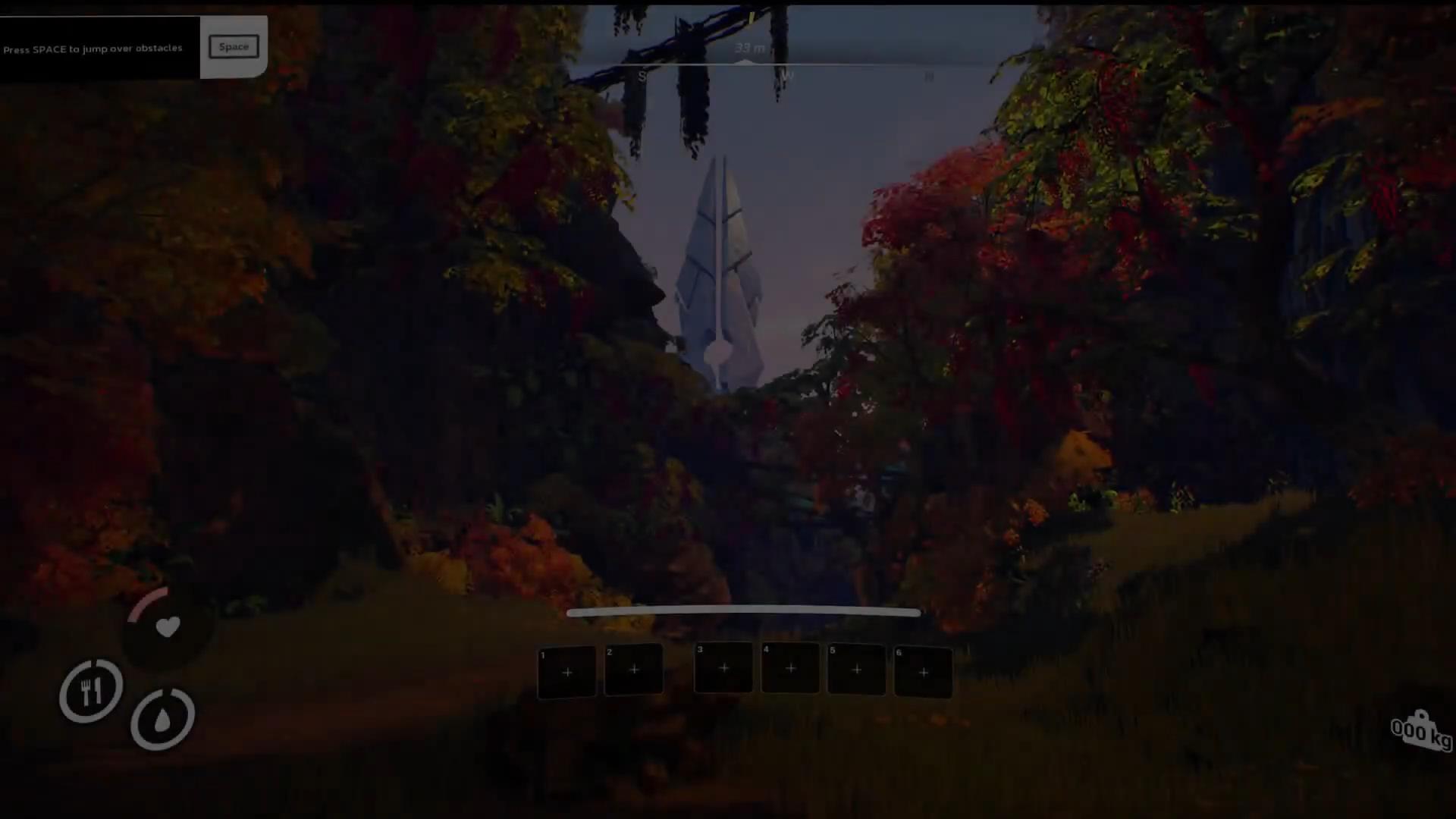
The Signal: Stranded on Sirenis is a prime example of the "Flat2VR" philosophy—a project designed to work seamlessly across flatscreen and VR platforms. Players assume the role of an explorer marooned on a sentient alien planet. What sets this game apart is its narrative premise: the planet itself communicates through a desperate, haunting monologue, raising the existential question of whether a celestial body can experience madness.
With shooting mechanics that evoke the tight, kinetic feel of modern looter-shooters like Destiny, The Signal aims to be more than just a survival game; it is a psychological thriller. A non-VR demo is currently available on Steam, providing a glimpse into the game’s core loop, though the full potential of its immersive, alien environments will undoubtedly be best experienced through a headset.

3. Knights of Fiona (Meta Quest, SteamVR)
The Japanese RPG (JRPG) has long been a staple of traditional gaming, yet it has remained conspicuously absent from the VR space—until now. Character Bank, the creative force behind the critically acclaimed RUINSMAGUS, is taking a massive swing with Knights of Fiona.
Promising a "full-scale" VR JRPG, the game allows for solo play or cooperative journeys with up to two companions. The developers have focused on hand-crafted environments and physical combat mechanics that demand more than just button-mashing. By integrating deep, branching storylines with the physical interactivity that only VR can provide, Knights of Fiona aims to be a title that players return to for dozens of hours, filling a significant void in the current VR library.

4. Echoes of Mora (SteamVR)
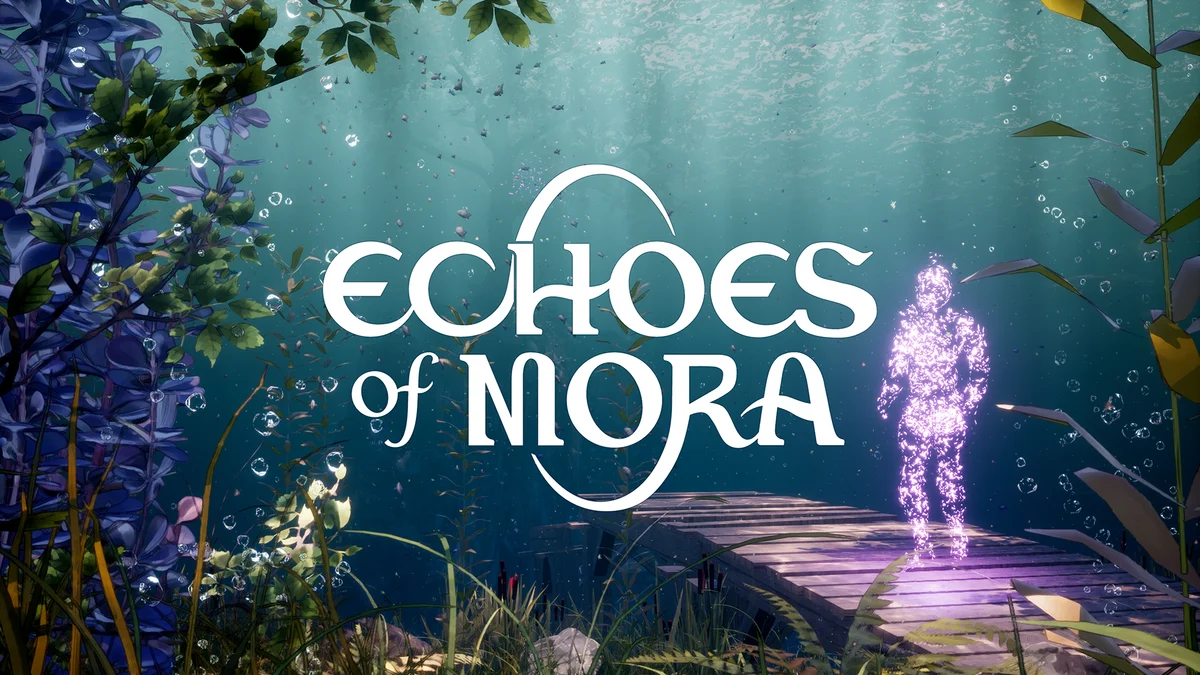
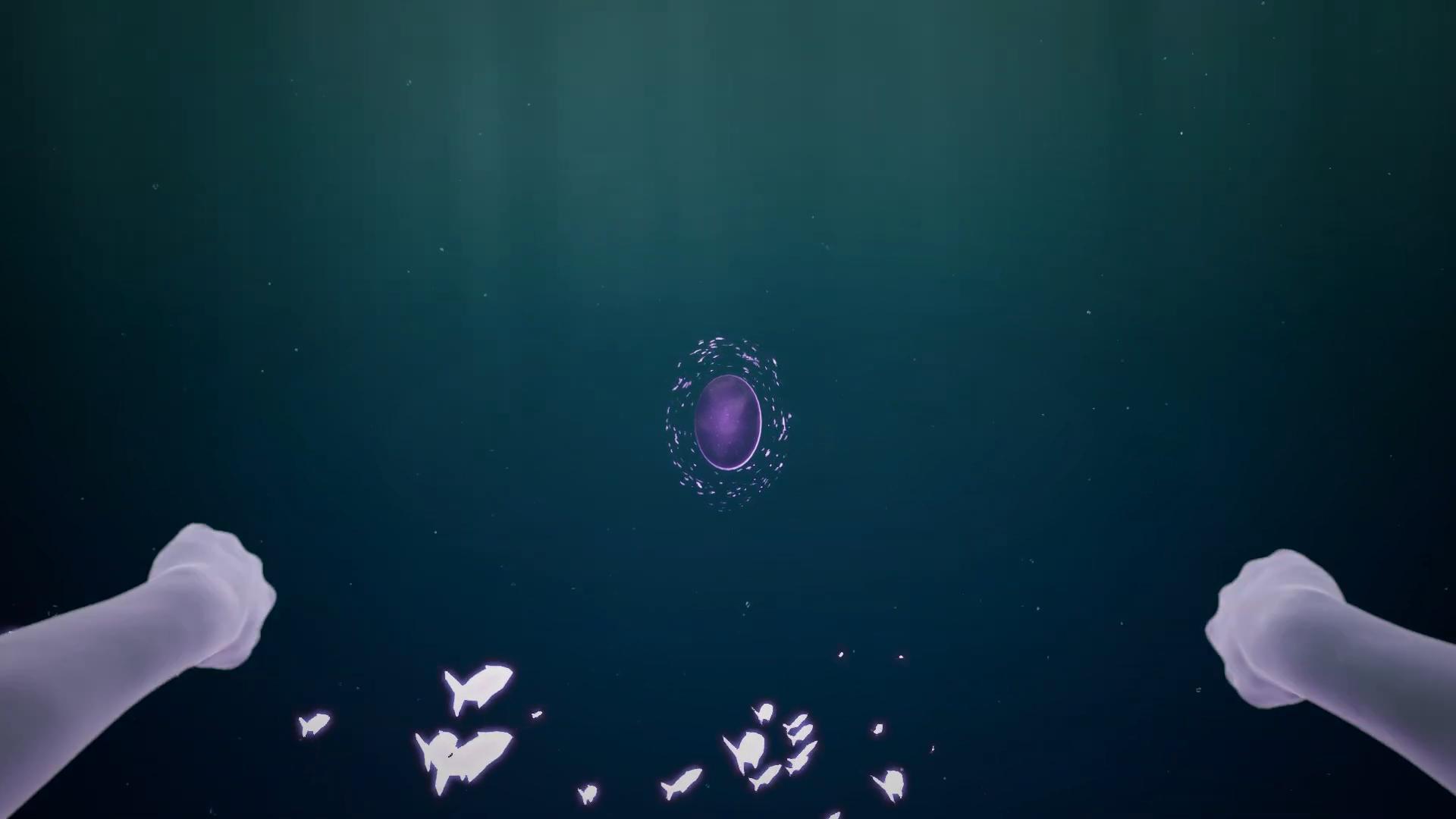
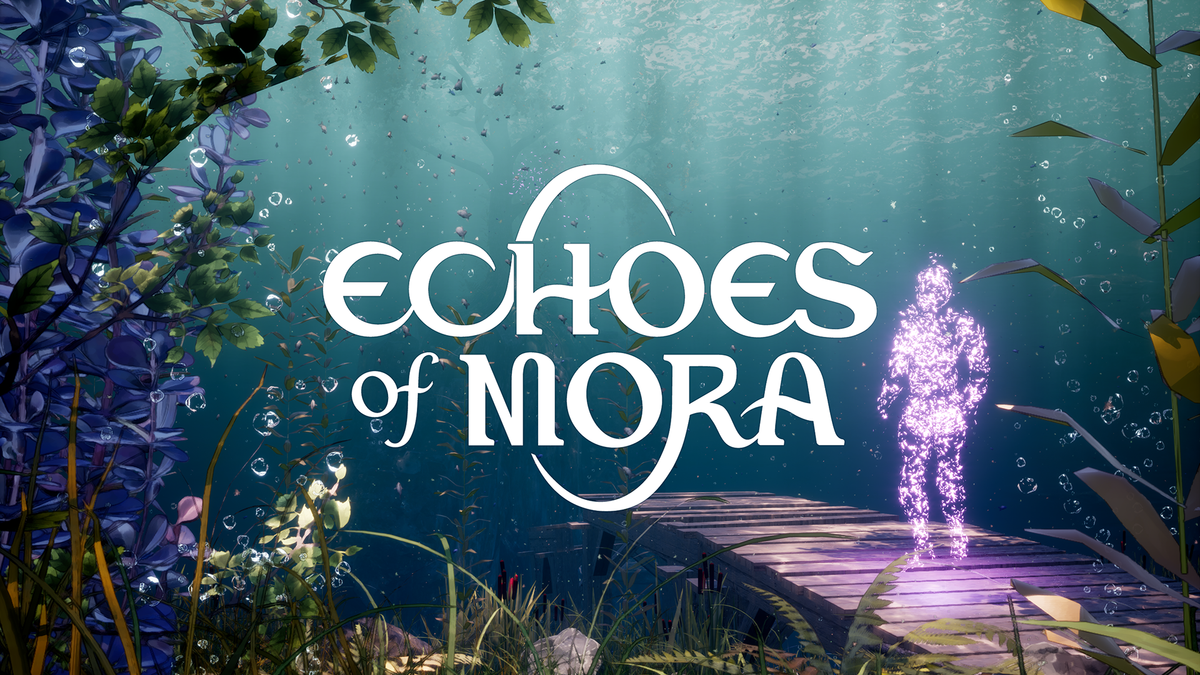
Echoes of Mora is an exploration-driven mystery that prioritizes emotional stakes over adrenaline. Fusing the aquatic atmosphere of Subnautica with the melancholic, discovery-based storytelling found in titles like Everybody’s Gone to the Rapture, the game tasks players with guiding the protagonist, Mora, through a time-bending journey to find her missing brother near a cursed lake.
The game is a poignant study in environmental storytelling. As the water levels rise in real-time within the game world, the pressure to solve puzzles and uncover the history of the village becomes increasingly palpable. Having navigated past delays, the project is now slated for a Q3 release, offering a rare, meditative, and heart-wrenching experience in the VR space.

5. Adrian’s Quest (SteamVR)
For players who miss the fast-paced, vertical action of Stormland, Adrian’s Quest is poised to fill that gap. Set on an abandoned alien world caught in a four-way factional war, this single-player action-adventure game leans heavily into its sci-fi aesthetic.
The game emphasizes movement and heavy, visceral gunplay. The environments are designed to be highly interactive, encouraging players to utilize physics-based puzzles to navigate through hostile territories. With a focus on high-fidelity action and cinematic pacing, Adrian’s Quest looks to be a premier showcase for what high-end PC VR hardware can deliver in terms of speed and scale.
6. Sol Protocol (Meta Quest, SteamVR)
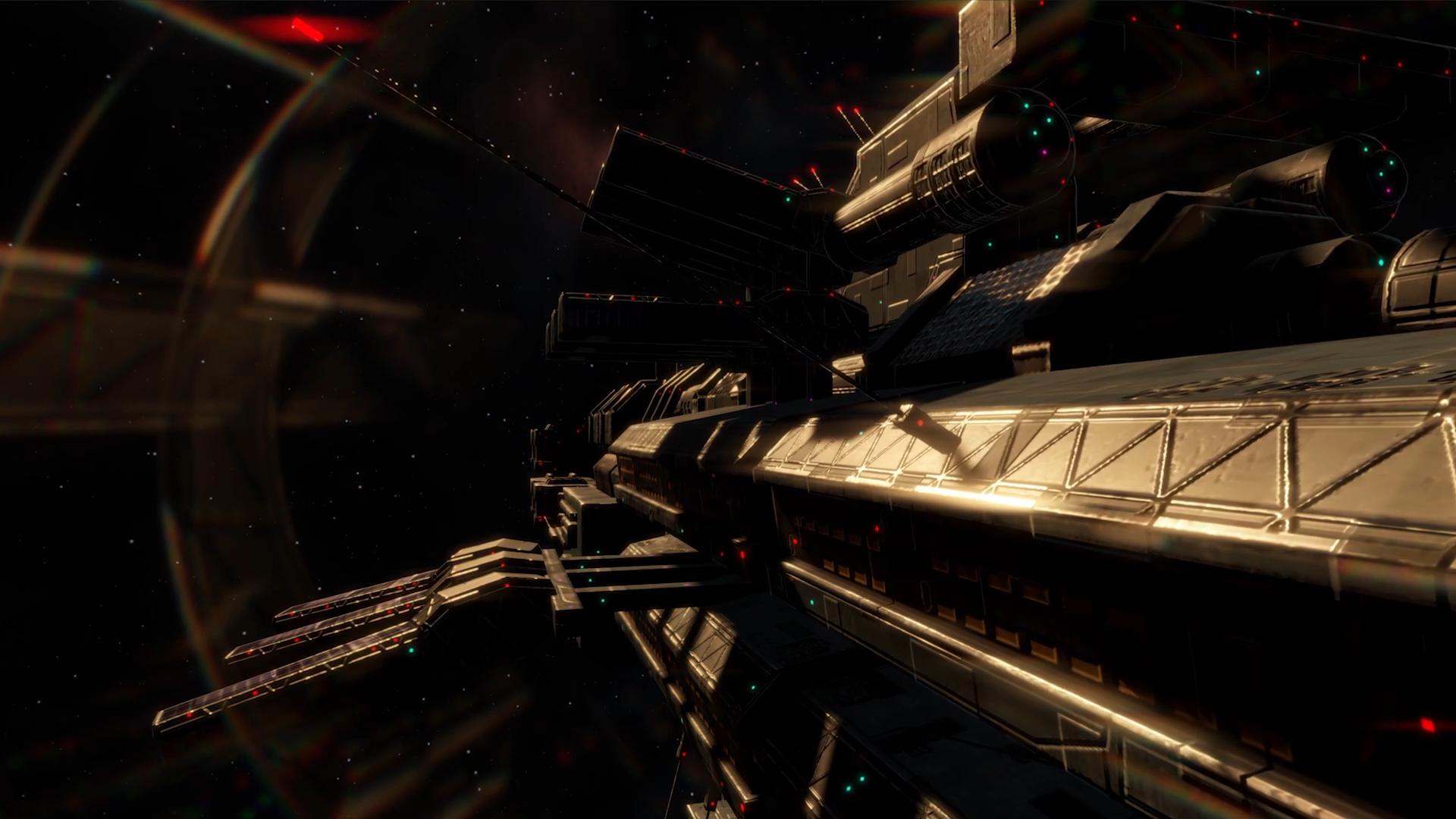
Sol Protocol is the latest from Singular Perception, the studio behind Epyka. This co-op roguelike places players in the boots of a starship crew. With procedural generation, no two star systems will be the same, ensuring high replayability.
The gameplay is defined by role-based cooperation: one player acts as the Captain, another as the Pilot, and the third as the Gunner. This division of labor is crucial for survival, whether the team is fending off enemy capital ships or conducting ground-based raids on abandoned stations. With Early Access launches scheduled for September (Quest) and October (Steam), the community is already active following a successful series of open alpha tests.

7. Automa (SteamVR, Meta Quest 3, PSVR 2)
Perhaps the most ambitious title on this list, Automa is a sci-fi action-adventure set in a dystopian Southeast Asian city. Inspired by the physics-based brilliance of Half-Life: Alyx, Automa treats almost every object in its environment as a physical entity.
The story, which involves a desperate deal made to protect one’s family from autonomous AI forces, provides the narrative backbone for a game that emphasizes deep immersion. By blending intense, tactile shooting with environmental storytelling, Automa is aiming to be a "next-gen" VR experience. Its multi-platform release strategy, covering the Quest 3, SteamVR, and PSVR 2, signals the developer’s confidence in the title’s broad appeal.
8. G-Rebels (SteamVR)
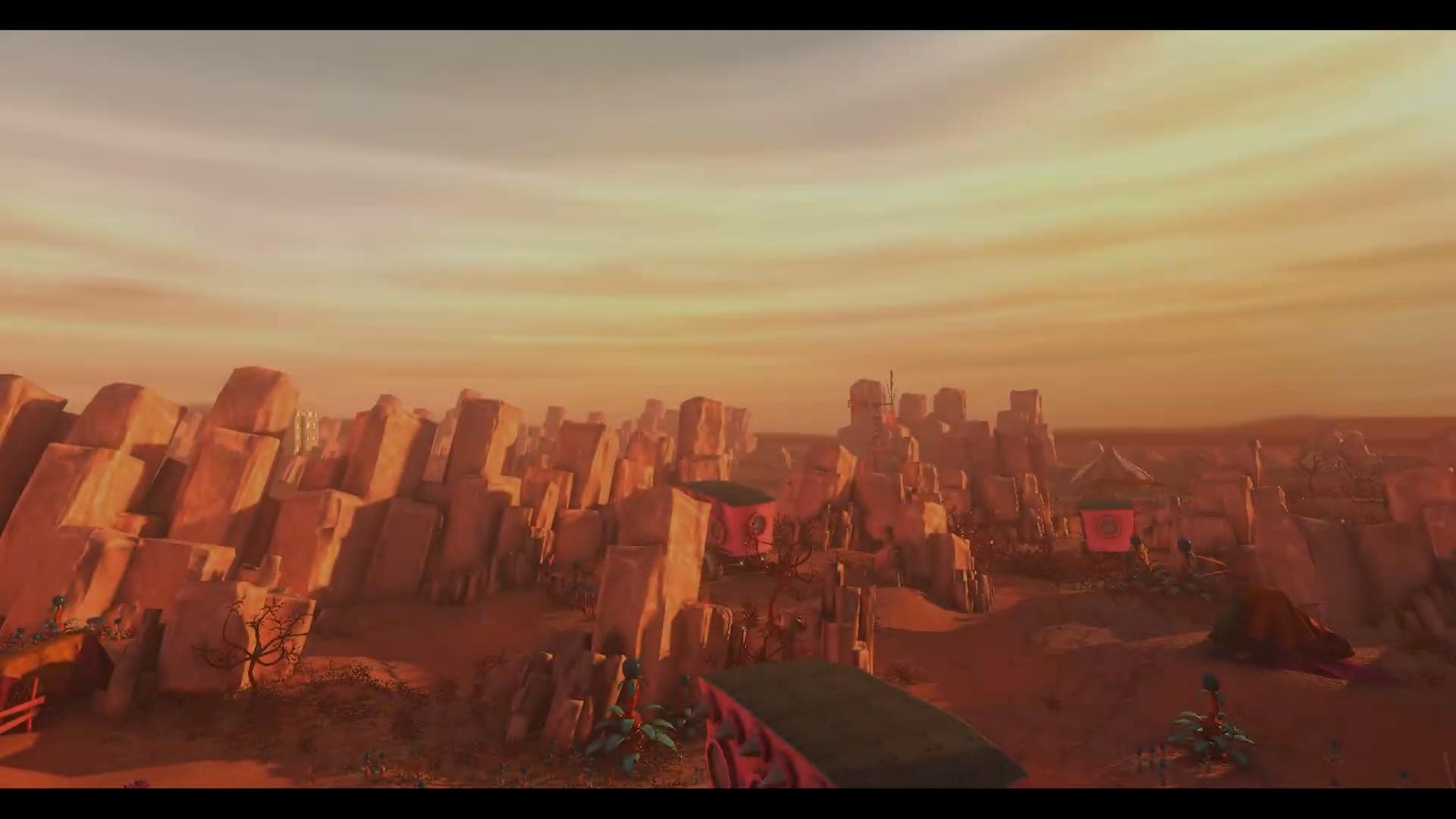
Nostalgia is a powerful tool, and G-Rebels wields it with precision. Acting as a spiritual successor to the 1997 classic G-Police, this game is an action-packed combat flight-sim. Set in a dystopian open world, players pilot VTOL craft to enforce law and order, only to uncover a conspiracy that threatens to tear their allegiance apart.
Combat flight sims are uniquely suited to the high-immersion requirements of VR. The ability to look around the cockpit while maneuvering through dense urban canyons offers a sense of presence that is impossible to replicate on a flat screen. G-Rebels is scheduled for a July 20 launch, making it one of the most immediate arrivals on this list.
9. The Warp: Cephisso (SteamVR)
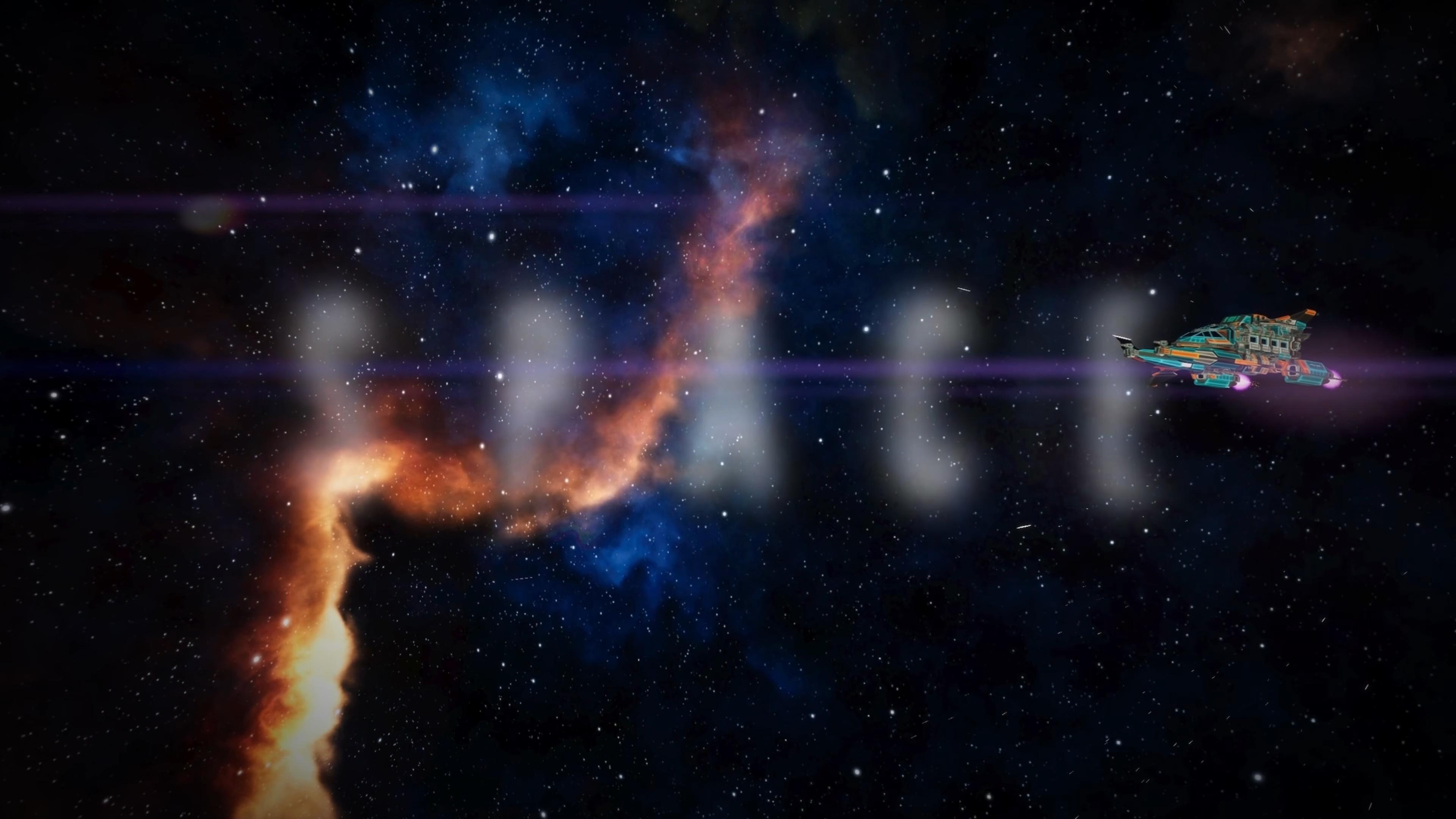
Horror is a genre that thrives in VR, and The Warp: Cephisso aims to be the most terrifying entry of the year. Expanding on a successful free-roam location-based entertainment (LBE) experience, this narrative-driven horror game takes place on a derelict starship infested with mutating monstrosities.
The mechanical hook here is brilliant: limited resources. Players are armed with the JDE, a bolt-action handgun that requires manual chambering for every shot. This forced physicality creates a terrifying feedback loop: the panic of being chased is magnified by the deliberate, clunky nature of reloading your only weapon. It is a masterclass in tension-based game design.
10. Guardians Planetfall (Quest 3, SteamVR)
Often described by early playtesters as "Helldivers 2 for VR," Guardians Planetfall is a tactical, squad-based shooter that thrives on chaos. Players coordinate in groups of four to tackle procedurally generated missions across hostile planets and space stations.
Success in Guardians Planetfall isn’t just about aim; it’s about tactical communication. Whether you are calling in support or setting up defensive perimeters against overwhelming odds, the game rewards strategic thinking and team coordination. Launching in early access throughout 2026, it is currently positioned to be the premier social shooter for VR enthusiasts.

Supporting Data: The Shift Toward Quality
Market analysis for the first half of 2026 indicates a significant shift in consumer behavior. While total unit sales for some entry-level hardware have stabilized, the "attach rate" for high-quality, long-form games has increased by 14% compared to the same period in 2025. This suggests that the VR audience is maturing, moving away from casual experiences and toward the types of titles listed above—games that offer 20+ hours of content, complex systems, and social connectivity.
Official Perspectives: The Developer Consensus
Speaking at the recent VR Games Showcase, representatives from multiple studios echoed a similar sentiment: the "experimental phase" of VR is ending. The focus has turned toward "retention and refinement."

"We aren’t trying to sell the concept of VR anymore," noted a lead developer on Automa. "We are trying to sell the best version of an action-adventure game that happens to exist in VR. When you stop worrying about whether the player will get motion sick and start worrying about whether the narrative is compelling, you end up with a better game."
Implications for the Future
The implications of this shift are profound. As studios move away from the "novelty" of VR, we are likely to see a convergence of traditional gaming design and VR-specific mechanics. The titles mentioned above are not just "good VR games"; they are, by their own design, competitive games that happen to use headsets as their primary interface.
If these ten titles perform well, the industry will likely see a surge in investment for similar projects in 2027. The resilience of these developers, despite the broader economic headwinds, suggests that the foundation of the VR industry is stronger than the headlines might lead one to believe.
For the player, the takeaway is clear: the second half of 2026 is not a time to pack away your headset. It is the time to prepare for a wave of content that finally delivers on the long-promised potential of immersive, deep, and narrative-rich gaming. Whether you favor the tactical intensity of Guardians Planetfall or the quiet, haunting depths of Echoes of Mora, there is a clear trajectory toward a more sophisticated and rewarding future for virtual reality.

