

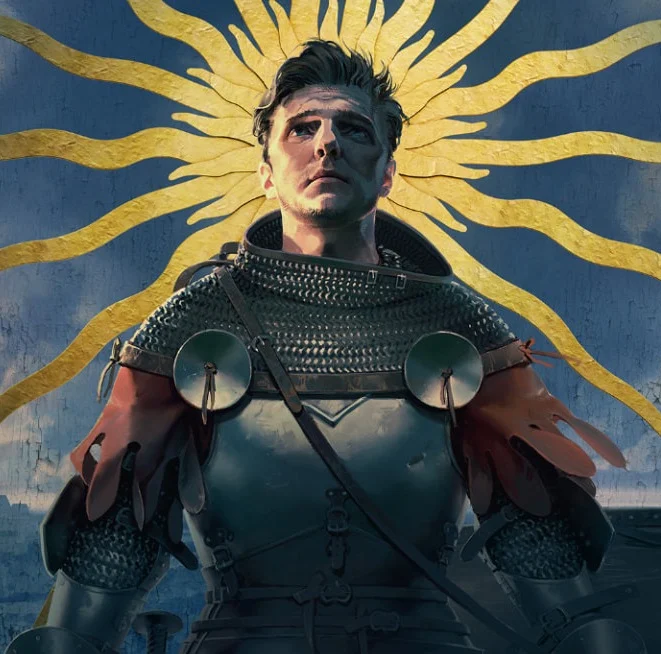
In a sobering development for fans of the immersive sim genre, OtherSide Entertainment—the studio once heralded as a beacon for high-concept, player-driven experiences—has effectively ceased operations as a functional game development house. Following two successive waves of layoffs within a single month, the studio has been reduced to a skeleton crew, signaling what appears to be the quiet sunset of a team that aimed to carry the torch for iconic franchises like Thief and Ultima Underworld.
A Cascade of Cuts: The Recent Chronology
The decline of OtherSide Entertainment has been rapid and devastating. According to reports from Game Developer, the studio laid off 18 employees in a mid-summer cull. This follows a separate, equally brutal round of layoffs just two weeks prior, in which 17 staff members were let go following the cancellation of a high-profile, unannounced project internally referred to as "Argos."
The result of these back-to-back staff reductions is a studio decimated. A company representative confirmed that "fewer than 10" employees now remain at the company. Their sole mandate is to provide minimal maintenance and updates for Thick as Thieves, the studio’s latest release. Most crucially, the representative noted that there are "currently no plans for the studio to work on any future games," effectively shuttering the studio’s potential for future creative output.
This downward spiral began in earnest earlier this year when the studio faced the cancellation of the "Argos" project in June, a decision that stripped the company of its primary development pipeline and forced the first major reduction in force.
The Identity Crisis of ‘Thick as Thieves’
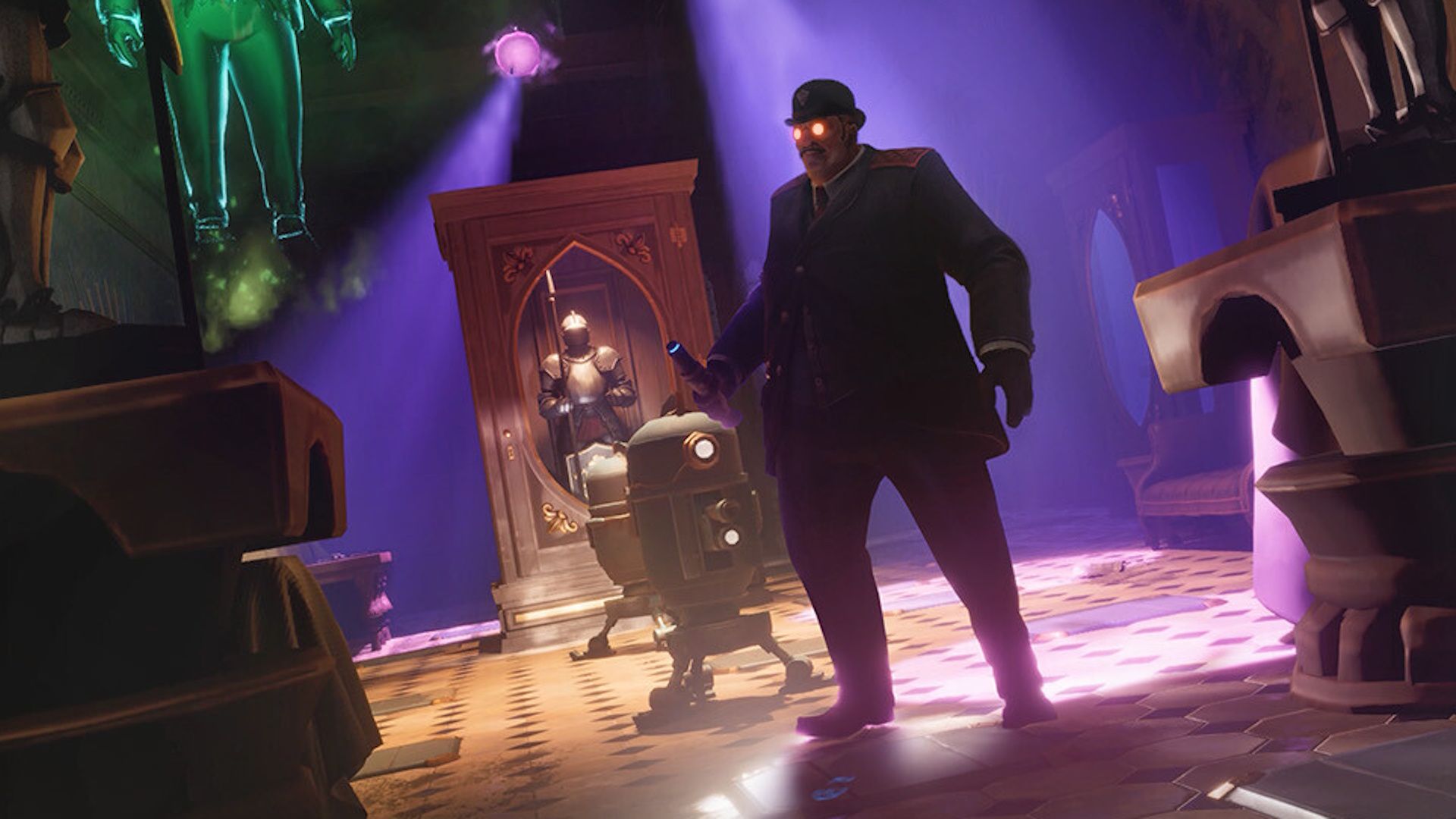
The failure of Thick as Thieves to capture a sustainable audience served as the final catalyst for the studio’s collapse. Originally pitched to fans as a compelling PvPvE (Player vs. Player vs. Environment) stealth experience, the game arrived in a state of flux. Shortly before launch, the developers pivoted the core concept, shifting the focus to single-player and two-player cooperative play.
While the game was technically competent, it struggled to define its own identity. It faced significant criticism from players regarding its mechanics, particularly a controversial mission time limit and an intrusive exit countdown that hampered the "slow-burn" stealth gameplay typically associated with the genre. For a fan base looking for a spiritual successor to the legendary Thief series, Thick as Thieves felt like an incomplete offering—a sentiment echoed in the lukewarm reception it received upon release.
To mitigate concerns regarding its modest scope—the campaign offered only about four hours of gameplay—OtherSide priced the title at an aggressive $5. The studio hoped that this "entry-level" pricing would foster a community-driven development cycle, where players could fund and influence future content. However, data from SteamDB indicates that the player base never materialized in numbers sufficient to support ongoing development, let alone the studio’s overhead.
The Immersive Sim in the Modern Market
The struggles of OtherSide Entertainment are not an isolated incident; they are symptomatic of a broader, systemic issue facing the "immersive sim" genre. Immersive sims—games that prioritize player agency, systemic interactions, and non-linear problem solving—are notoriously difficult and expensive to produce.
As Nightdive Studios CEO Stephen Kick pointed out in a recent interview, immersive sims are caught in a precarious trap. They appeal to a "very small, niche group" of dedicated fans, but the development time required to create the complex, interlocking systems these games demand is immense. In an industry landscape that increasingly demands "hit-or-quit" financial success, the slow, methodical design philosophy of the immersive sim is often at odds with the quarterly growth expectations of modern publishers and investors.
The genre is a paradox: it is widely considered the "best" type of game by critics and hardcore fans for its complexity and depth, yet it remains commercially fragile. When a studio like OtherSide, which boasted veteran talent and a pedigree rooted in the foundational years of the genre, cannot find a foothold, it raises uncomfortable questions about whether the modern AAA or even mid-tier indie market can support such design-intensive projects.
Official Statements and Corporate Realities
The official stance from OtherSide, as communicated to industry outlets, is one of weary resignation. The studio representative stated: "OtherSide’s DNA is built on immersive sim games that have lengthy development cycles. This, unfortunately, has been an increasingly challenging space to occupy in recent years. Despite the encouraging response to the launch of Thick as Thieves’ introductory campaign, it has become clear that the continuation of the studio in its current shape is no longer a commercially viable path."
This statement highlights the "DNA" of the studio, which was heavily influenced by industry legends like Warren Spector. The irony is that the very design philosophy that earned them acclaim—the focus on emergent gameplay and simulation—is the exact factor that led to their downfall in an era of rapid, service-based gaming.
The Broader Implications for the Industry
The shuttering of OtherSide’s development potential serves as a grim marker for the industry. It suggests that even with pedigree, established intellectual concepts, and a willingness to iterate, the barrier to entry for creative, experimental game design is becoming insurmountable.
- The Death of the Mid-Tier: The middle-market of gaming, which once sustained experimental studios, is vanishing. Developers are increasingly forced to choose between massive, multi-hundred-million-dollar blockbusters or micro-budget experimental titles, with little room for the "AA" studio that can deliver a 20-hour, high-fidelity experience.
- Genre Stagnation: If the immersive sim cannot survive, the industry risks losing a vital strain of design. The mechanics pioneered in games like Deus Ex and Thief have permeated everything from Cyberpunk 2077 to The Legend of Zelda: Tears of the Kingdom. Without dedicated studios iterating on these systems, the progress of player-driven gameplay may stagnate.
- The Human Cost: Beyond the technical failures and the genre discussions, the human element remains the most significant loss. Nearly 40 talented developers have been displaced in a matter of weeks. The loss of institutional knowledge—the collective experience of how to build complex, systemic worlds—is a blow that the industry will feel for years to come.
Conclusion: A Future Without OtherSide
As of this writing, OtherSide Entertainment remains a legal entity, but it is effectively a ghost. With the cancellation of the "Argos" project and the latest round of layoffs, the studio has transitioned from a creative hub to a maintenance shell.
For fans of the genre, the news is a difficult pill to swallow. While Underworld Ascendant was a notable misfire in the studio’s recent history, there was a lingering hope that the team would find its footing. Instead, the market realities of the 2020s have proven too harsh for a studio committed to the slow, methodical craft of the immersive sim.
The industry continues to evolve, but in its pursuit of scale and instant engagement, it has left behind some of the most profound and intellectually stimulating design work in the medium. The loss of OtherSide Entertainment is not just the loss of a company; it is a signal that the landscape for ambitious, systemic game design is shifting—and for the moment, that shift is not looking favorable for the types of games that defined a generation of PC gaming.

