

Valve’s Deadlock was designed as a high-octane, third-person hero shooter with the deep, tactical DNA of a MOBA. It is a game of lane management, soul-farming, and complex team-based strategy. Yet, beneath its sleek, steampunk-infused urban facade, a growing contingent of players is beginning to realize that Deadlock is, quite effectively, a horror game.
Whether it is the claustrophobic tension of the subterranean maze or the terrifying unpredictability of high-level matchmaking, the title is proving that true terror doesn’t always need jump-scare hallways or silent monsters—sometimes, all it needs is a giant, aggressive Rat King lurking in the dark.
The Evolution of the Arena: The "City Never Sleeps" Update
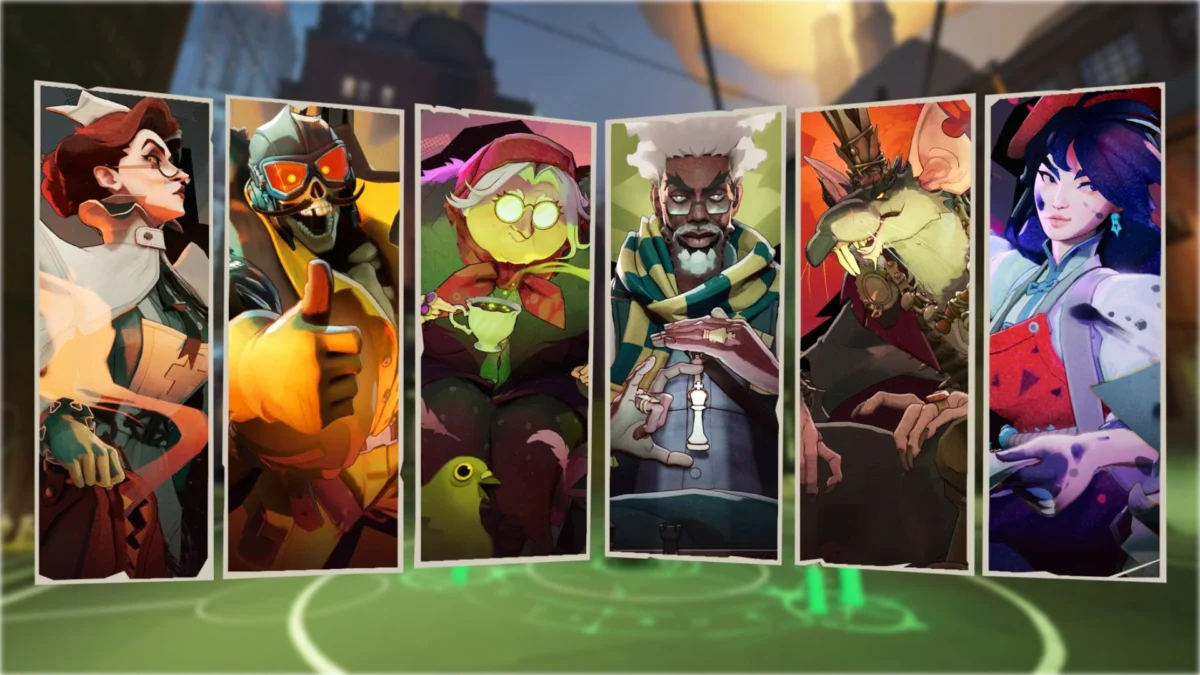
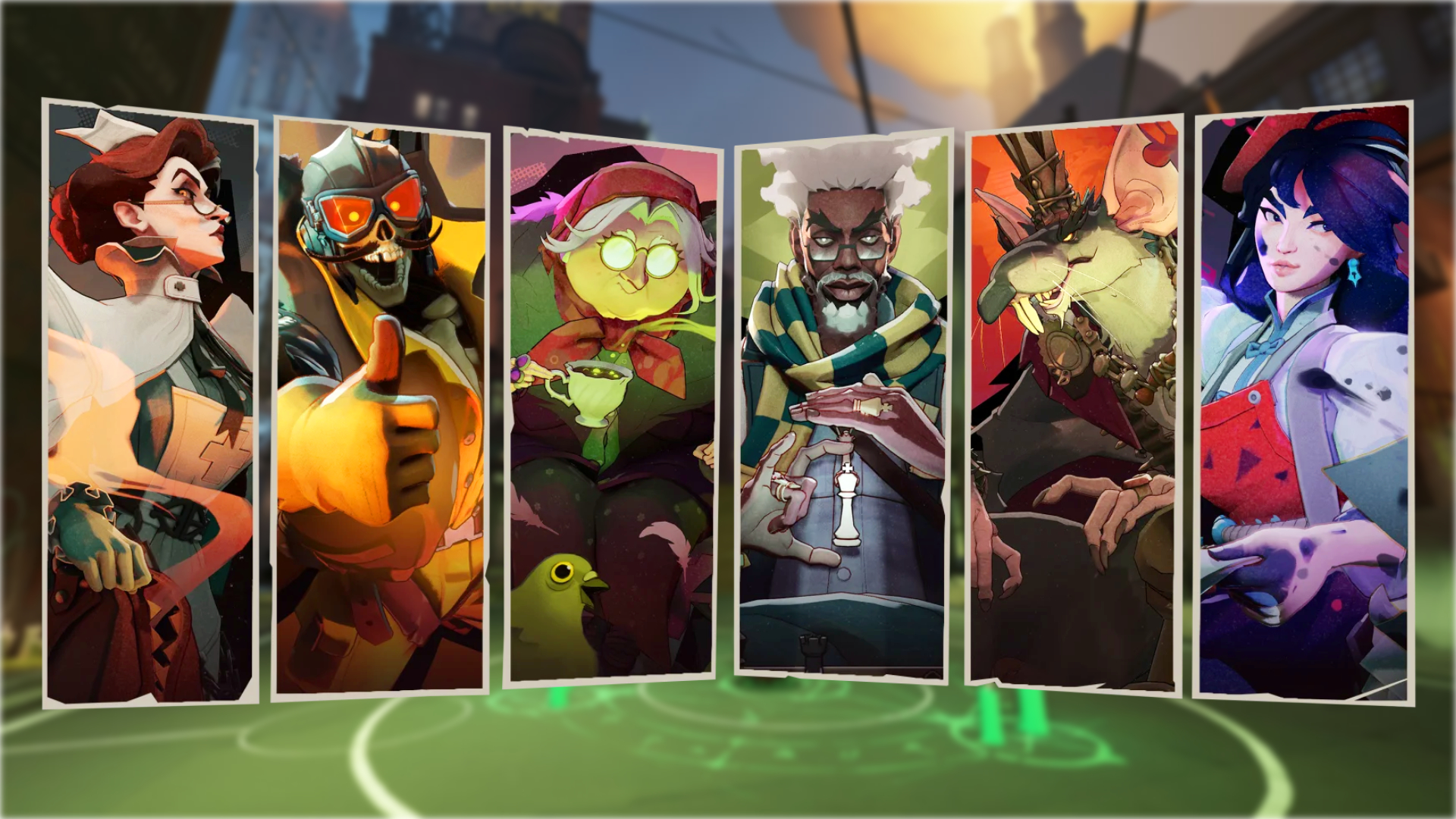
To understand why Deadlock has shifted from a competitive arena brawler to a source of genuine dread, one must examine the recent "City Never Sleeps" update. This massive content injection did more than just add a fresh coat of paint to the game’s sprawling map; it fundamentally altered the player experience by introducing six new heroes and a heightened sense of verticality and environmental density.
The update expanded the map’s architecture, deepening the labyrinthine tunnels that run beneath the city streets. These tunnels, once largely ignored by players focused on lane objectives, have become the game’s most treacherous zones. In the world of Deadlock, where information is the most valuable currency, these dark corridors act as a "fog of war" that keeps players in a constant state of fight-or-flight anxiety.
The Rat King: A Lesson in Asymmetric Terror
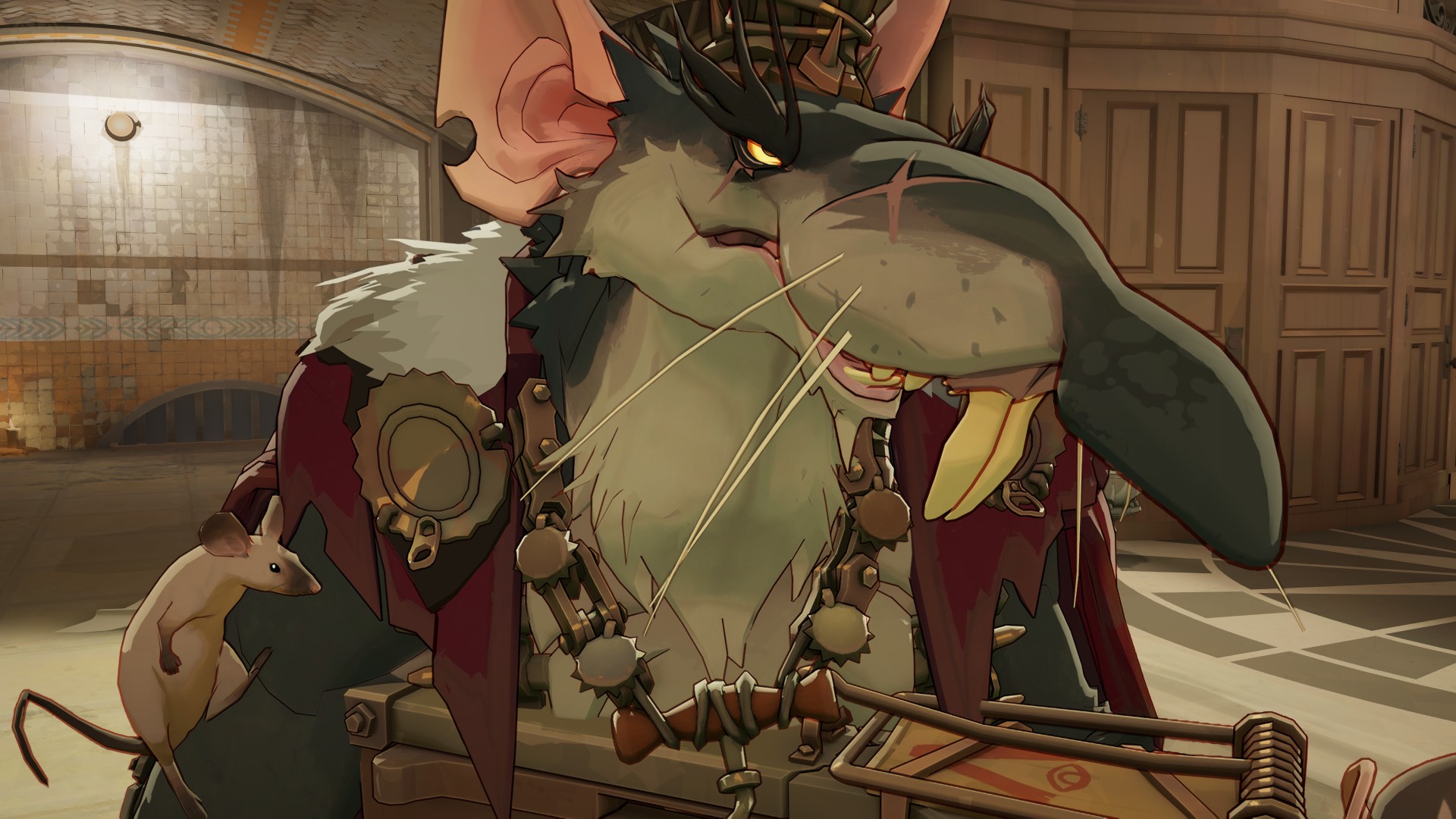
The most notable addition from the recent update—and the primary catalyst for the game’s newfound horror reputation—is the Rat King. As a character designed around disruption and relentless pursuit, the Rat King has become the bogeyman of the Deadlock community.
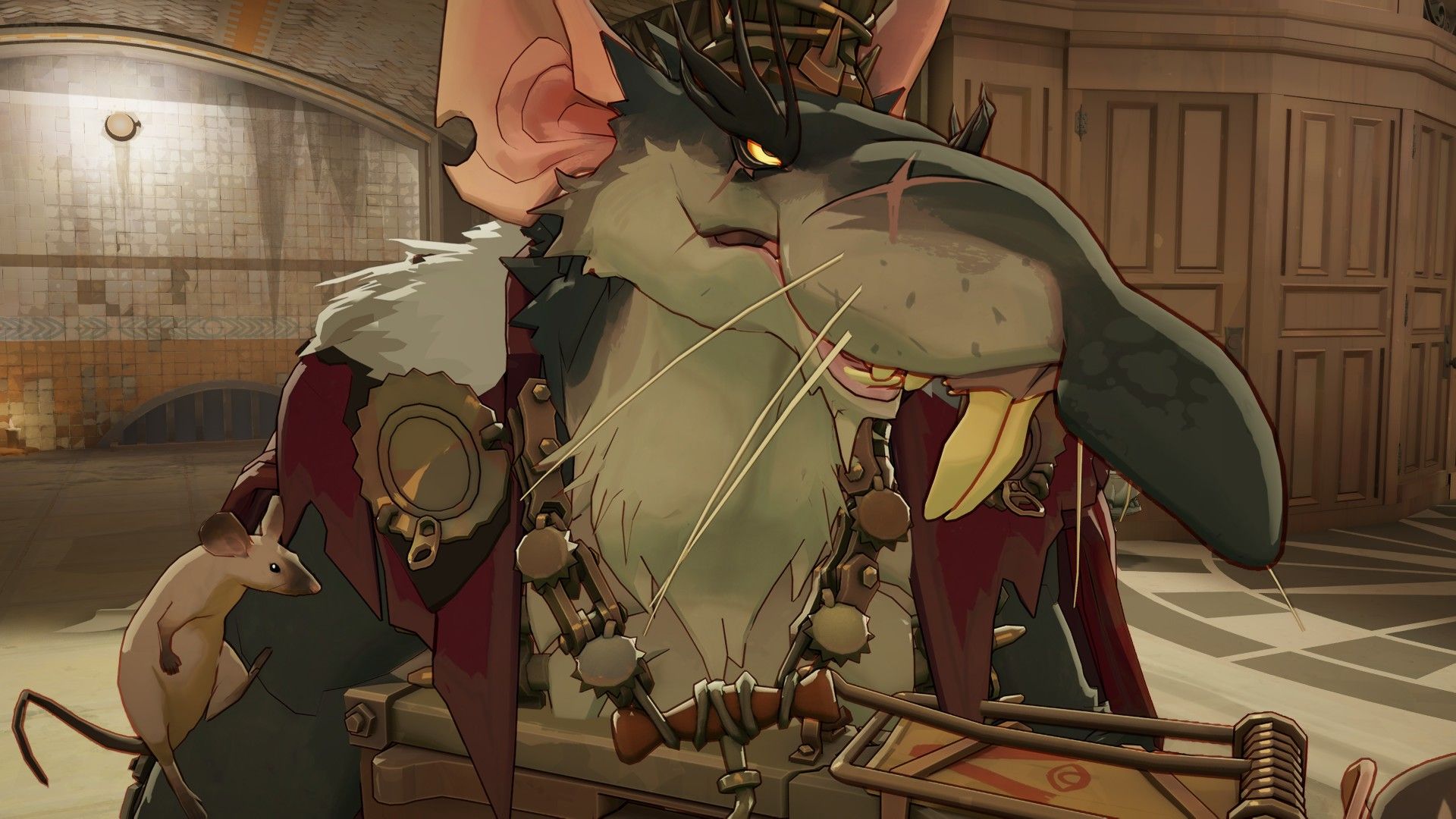
For players like those who frequent the underground tunnels, the Rat King is not just another opponent; he is a stalker. Equipped with an arsenal of over 100 unique voice lines and a kit that allows him to literally hurl rodents at enemies, the Rat King creates an environment of psychological warfare.
The horror element is amplified by the game’s mechanics. When a player engages in combat, the game intelligently locks off certain exits and entrances to the tunnels to prevent kiting and ensure a fair "duel." However, for a player cornered by the Rat King, this mechanic transforms from a tactical boundary into a death trap. Realizing that the exit is grated shut, with the sound of scurrying rats and the King’s laughter closing in, creates a visceral, panic-inducing experience that rivals the intensity of survival horror classics.
Chronology of the Shift: From Strategy to Survival
The transition of Deadlock into a "horror-coded" experience has been a gradual process, tracking alongside the player base’s increasing familiarity with the map.
- Phase One (Early Access): Players treated the map as a traditional MOBA arena. The focus was on "laning" efficiency, and the tunnels were viewed as neutral space for farming souls.
- Phase Two (Meta Maturation): As players became more aggressive, the use of "ganking"—the act of ambushing an unsuspecting player—became the dominant strategy. This introduced the first elements of "dread," as players began to fear the silence of the map.
- Phase Three (The "City Never Sleeps" Era): With the addition of more complex heroes like the Rat King and new, visually dense districts like Chinatown, the atmosphere has shifted. The environmental storytelling and the introduction of characters with "hunter" playstyles have turned casual traversal into a high-stakes game of hide-and-seek.
Environmental Psychology and the "Chinatown" Effect
The horror in Deadlock is not limited to the dark, enclosed spaces of the under-city. The new districts, such as the vibrant yet claustrophobic Chinatown, demonstrate how art direction can facilitate fear. In a game where players are constantly scanning for movement, the busy, neon-lit aesthetics of the new districts provide perfect cover for ambush-oriented characters.
The psychological impact of being hunted in these areas is profound. Because players are often hyper-focused on their own ability cooldowns and soul-gathering, they are susceptible to "tunnel vision." When an enemy like Abrams or Seven appears suddenly—having flanked the player through the chaotic urban geometry—the resulting jump-scare is often as effective as anything found in a dedicated horror title.
Supporting Data: Why Multiplayer is Inherently Scary
From a sociological perspective, the "horror" in Deadlock is not entirely a product of the game’s design, but rather the inherent unpredictability of human opponents. Academic studies on competitive gaming have long noted that "social anxiety" is a primary driver of intensity in multiplayer environments.
In Deadlock, this is exacerbated by the following factors:
- High Stakes: Losing a duel in a tunnel often results in a significant setback in gold and experience, which can snowball into a loss for the entire team.
- Asymmetric Information: The inability to see what is around the next corner or behind a wall creates a constant state of hyper-vigilance.
- Human Unpredictability: Unlike AI-driven horror games, human players are capable of irrational, terrifyingly effective strategies that catch their opponents completely off guard.
When you add the "hunt" mechanic, where players are intentionally stalking one another, you create a feedback loop of fear. The victim feels hunted, and the hunter feels the adrenaline of the chase.
Official Responses and Developer Intent
While Valve has not officially rebranded Deadlock as a horror game, the design choices made by the development team suggest they are leaning into the atmospheric tension. The sheer volume of voice lines for new heroes, the intricate environmental design, and the deliberate creation of "high-tension" zones indicate that Valve wants the city to feel alive—and perhaps, a little bit dangerous.
Community feedback has been overwhelmingly positive regarding these "scary" elements. On forums and social media, players frequently swap stories of their most terrifying encounters, proving that the horror-adjacent experience has become a defining feature of the game’s culture. By blurring the lines between genres, Valve has successfully created a game that feels deeper and more emotionally resonant than its MOBA competitors.
Implications for the Genre
The success of the "City Never Sleeps" update and the community’s embrace of the game’s horror elements could signal a shift in the hero-shooter genre. If players are finding more enjoyment in the tension and fear of an atmospheric, high-stakes environment, developers may look to incorporate more environmental storytelling and "stalker" mechanics into future competitive titles.
Ultimately, Deadlock proves that the genre is not limited to simple lane-pushing. Whether you are a fan of traditional MOBAs or someone who enjoys the thrill of being hunted in the dark, the game offers a unique blend of strategic depth and heart-pounding terror.
So, the next time you find yourself wandering the tunnels of Deadlock to farm souls, keep your eyes on the shadows. You never know when the Rat King might be waiting, and in the city that never sleeps, there is nowhere left to hide.

