

Main Facts: A Modern Reign of Terror on Prime Video
Stephen King’s legendary 1974 debut novel, Carrie, has weathered multiple adaptations across film and television over the last half-century. However, horror auteur Mike Flanagan—renowned for his work on Netflix’s The Haunting of Hill House, Midnight Mass, and The Fall of the House of Usher—is taking the seminal telekinetic trauma story into uncharted, terrifying territory. Set to premiere on Amazon Prime Video on October 7, the upcoming eight-episode limited series shifts the timeline to 2025, wrapping Stephen King’s timeless narrative in the inescapable, hyper-connected nightmare of the digital age.
The series stars Summer H. Howell as Carrie White, a sheltered teenager who has been homeschooled her entire life by her religiously fanatic mother, Margaret White (played by Samantha Sloyan). When Carrie finally enters the brutal landscape of public high school, she is instantly targeted by her peers. Alongside Howell, the star-studded cast features Siena Agudong as the remorseful Sue Snell, Alison Thornton as the vicious ringleader Chris Hargensen, Amber Midthunder as gym teacher Rita Desjardins, and Matthew Lillard as Principal Grayle.
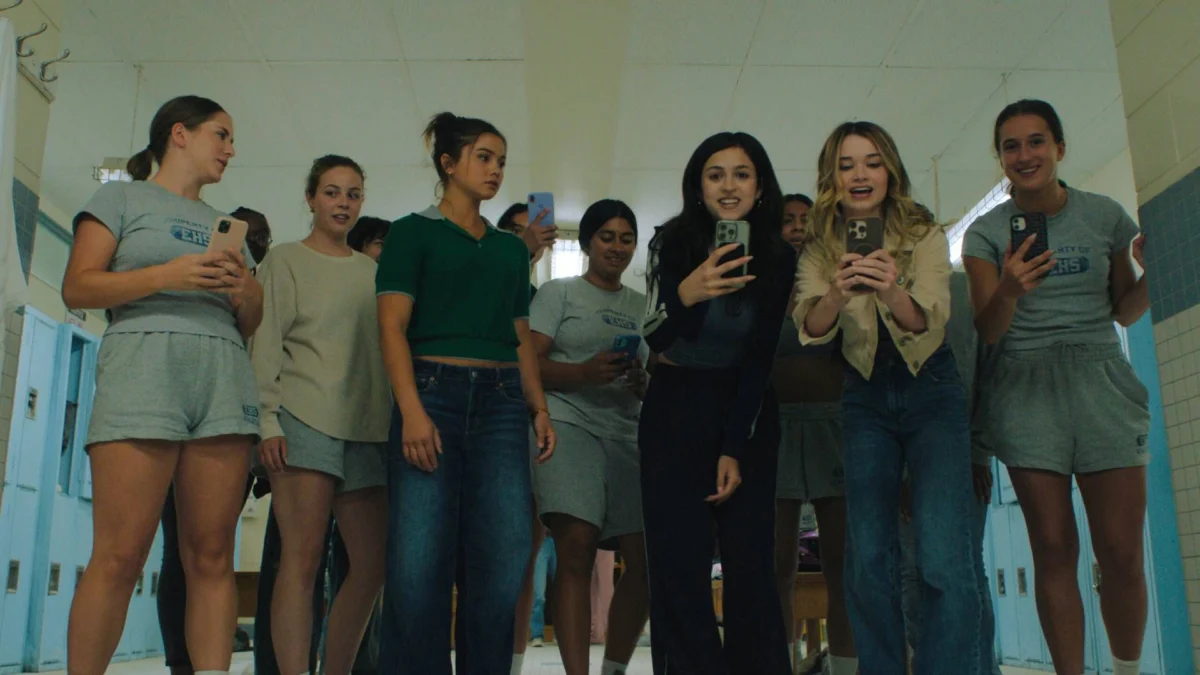
While the fundamental beats of King’s classic story remain intact—culminating in the notorious, blood-soaked prom—Flanagan’s adaptation introduces a chilling catalyst that was entirely absent from previous versions: the smartphone and the weaponization of social media. The infamous locker room "plug it up" scene, where a terrified Carrie experiences her first period and believes she is dying, no longer stops at physical torment. In Flanagan’s 2025 vision, the cruelty is captured on camera, immortalized digitally, and broadcasted to the world in real-time.
The adaptation has already drawn high praise from the master of horror himself. Stephen King took to Threads to endorse the project, writing, "Mike Flanagan’s version of CARRIE is brilliant. What it has to say about social media is shocking and true."
Chronology: From 1974 Paperback to 2025 Streaming Event
To understand the magnitude of Flanagan’s reimagining, it is essential to trace the journey of Carrie from its humble literary beginnings to its modern streaming transformation:
- April 1974: Doubleday publishes Stephen King’s Carrie, his fourth-written novel but the first to be published. The book becomes a massive commercial success, launching King’s career as a literary icon.
- November 1976: Director Brian De Palma releases the first cinematic adaptation starring Sissy Spacek as Carrie and Piper Laurie as Margaret. The film receives critical acclaim, earning Academy Award nominations and cementing the prom scene as a staple of horror cinema history.
- 1999 & 2002: A theatrical sequel, The Rage: Carrie 2, attempts to modernize the premise in the late ’90s with mixed results, followed by a made-for-television movie adaptation in 2002 starring Angela Bettis.
- October 2013: Director Kimberly Peirce releases a second film adaptation starring Chloë Grace Moretz and Julianne Moore, attempting to blend modern technology (like viral video clips) into the narrative, though it largely adhered to traditional 20th-century storytelling structures.
- Late 2023 – 2024: Details emerge that Mike Flanagan is developing a fresh television adaptation of Carrie for Amazon Prime Video, designed as an immersive, eight-episode prestige horror series.
- October 7, 2025: All eight episodes of Flanagan’s Carrie are scheduled to debut globally on Amazon Prime Video, introducing a digital-native generation of terror to audiences worldwide.
Supporting Data: The Anatomy of Modern Bullying and High School Horror
The choice to weave smartphones and social media into the core narrative of Carrie is not merely a superficial update; it addresses statistical realities of modern adolescent experiences. According to recent psychological and sociological studies compiled by organizations like the Pew Research Center and the Cyberbullying Research Center:
- Pervasiveness of Digital Harassment: Over 46% of U.S. teenagers report experiencing some form of cyberbullying in their lifetimes, with verbal insults, image-sharing without consent, and targeted exclusion being the most common forms.
- The Permanence Factor: Unlike the physical bullying of the 1970s, ’80s, or even ’90s—which typically ended when the school bell rang—modern digital harassment follows victims into their homes, bedrooms, and private lives 24/7.
- The Bystander Effect Amplified: In pre-digital eras, a public humiliation was witnessed only by those physically present. Today, digital witnesses can screenshot, record, amplify, and permanently archive moments of severe vulnerability, turning local peer groups into global audiences.
Flanagan’s adaptation leans directly into these data-driven realities. By utilizing the locker room sequence as the emotional anchor at the end of the pilot episode, the series establishes that Carrie’s horror is not just isolated to her tyrannical mother or a few mean girls; it is institutionalized and amplified by the very tools defining contemporary youth culture.
Official Responses: Behind the Creative Vision
Speaking in an exclusive interview with GamesRadar+, Mike Flanagan opened up about why modernizing Carrie required a fearless look at the technological landscape of contemporary teenagers.
"Yeah, we talked a lot about how it changed when there were phones in people’s hands, that scene especially," Flanagan explained. "And in every other version, that’s the first scene. And so one of the first things we kind of started to play with was, I think that’s the end of the pilot, and I think we’re gonna walk us into that."
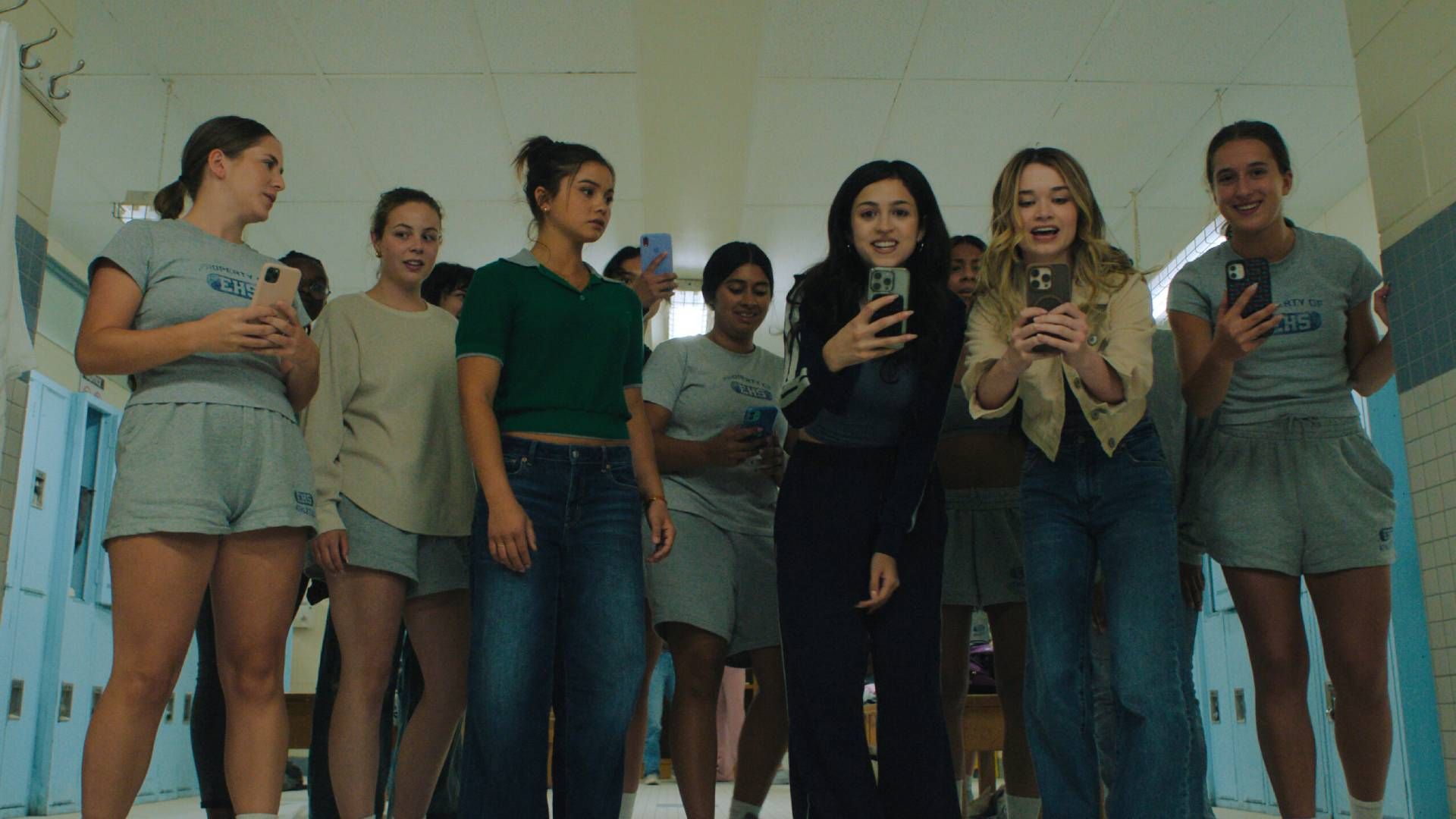
Flanagan emphasized that crafting a serious story about the teenage experience in the 21st century without acknowledging social media would be disingenuous. "It’s so tough to even imagine doing any story, any serious story about the modern teenage experience without engaging with the topic of social media because it is so ingrained in their day-to-day lives."
Reflecting on his own upbringing, the director expressed profound empathy for today’s youth, noting that the psychological weight they carry far exceeds what previous generations faced.
"The normalization of cruelty that comes with that was something that we really, really felt like we needed to talk about," Flanagan said. "I think that’s one of the things I’m so impressed with about today’s teenagers: I wouldn’t have had the fortitude to survive. I barely survived high school as it was. That was in the ’90s. We didn’t have to worry about any of this stuff. And I thought I was barely holding on by my fingernails. You know, I was a bullied kid too."
Flanagan added, "I can’t even fathom if I would have had to go to school daily and contend with all of my torments, all of my mistakes, all of my growing moments being potentially captured and shared for the world forever. I don’t know how they do it. So I came out of it amazed with the fortitude of today’s teenagers. Nothing but respect."
The adaptation’s authenticity and psychological depth also earned the ultimate stamp of approval from Stephen King, who validated the series’ unflinching commentary on modern platforms via his Threads account.
Implications: Redefining the Monster and the Victim
Mike Flanagan’s Carrie promises to shift cultural conversations surrounding trauma, isolation, and technological accountability. For decades, the tragedy of Carrie White has been framed primarily as a cautionary tale about religious extremism, maternal abuse, and the lethal consequences of unbridled peer cruelty. By integrating social media into the narrative DNA of 2025, Flanagan expands the scope of culpability.
In this new television iteration, the bullies are no longer just the individuals in the gymnasium; they are part of a broader ecosystem that normalizes the public broadcasting of human suffering for social currency. The series forces viewers to confront uncomfortable questions: When humiliation is filmed, liked, shared, and archived forever, who bears the responsibility for the destruction that follows?
Furthermore, by pacing the narrative across eight prestige-television episodes rather than a two-hour film runtime, Flanagan has the space to deeply explore the psychological disintegration of Carrie White. Summer H. Howell’s portrayal, supported by powerhouse performances from veterans like Matthew Lillard and Samantha Sloyan, is positioned to deliver a visceral emotional toll. As the series prepares to launch on Prime Video this October, audiences should brace themselves for a retelling that doesn’t just shock with supernatural horror, but disturbs with its agonizingly real reflection of contemporary society.

