

When gamers think of the sniper archetype in digital entertainment, images of tense, calculated stealth missions immediately come to mind. Titles such as Battlefield, Sniper Elite, and Wardogs have long conditioned players to associate high-powered scopes with long-distance lethality, ballistic calculations, and the graphic elimination of targets. Sniping, by its very nature, is historically positioned at the absolute opposite end of the spectrum of what society might label "wholesome."
Enter Sniper Dan, a radical new title developed by Denki—the creative minds behind the critically acclaimed programmable robot management sim Autonauts. Eschewing gritty realism and grim tactical operations, Sniper Dan boldly reimagines the first-person sharpshooting genre. By brilliantly fusing the mechanics of a precision shooter with the lighthearted, bustling exploration of a classic hidden-object puzzle game, the developer has crafted a surprisingly symbiotic, positive, and delightfully eccentric gaming experience.
Main Facts: What is Sniper Dan?
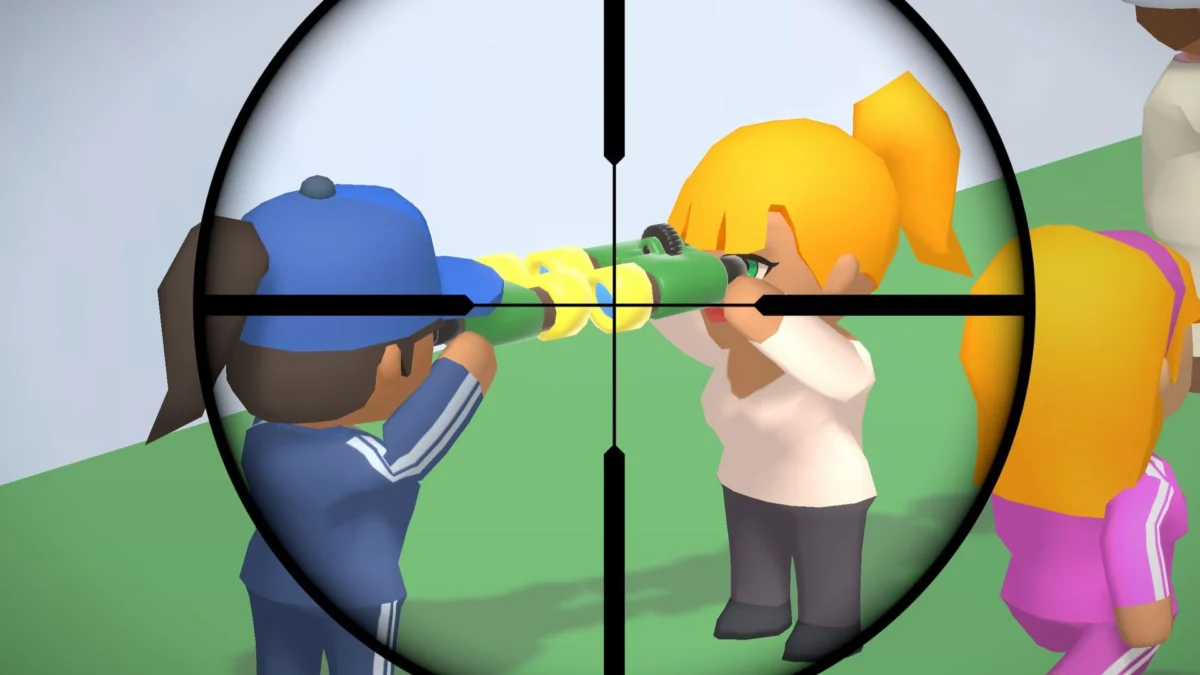
At its core, Sniper Dan casts the player as the titular Dan—a crack-shot marksman equipped with a hunting rifle, an unyielding entrepreneurial spirit, and an unusual methodology for community outreach. Rather than operating as a tactical mercenary in a war-torn theater, Dan acts as a localized, projectile-based problem solver for his quaint, vibrant community.
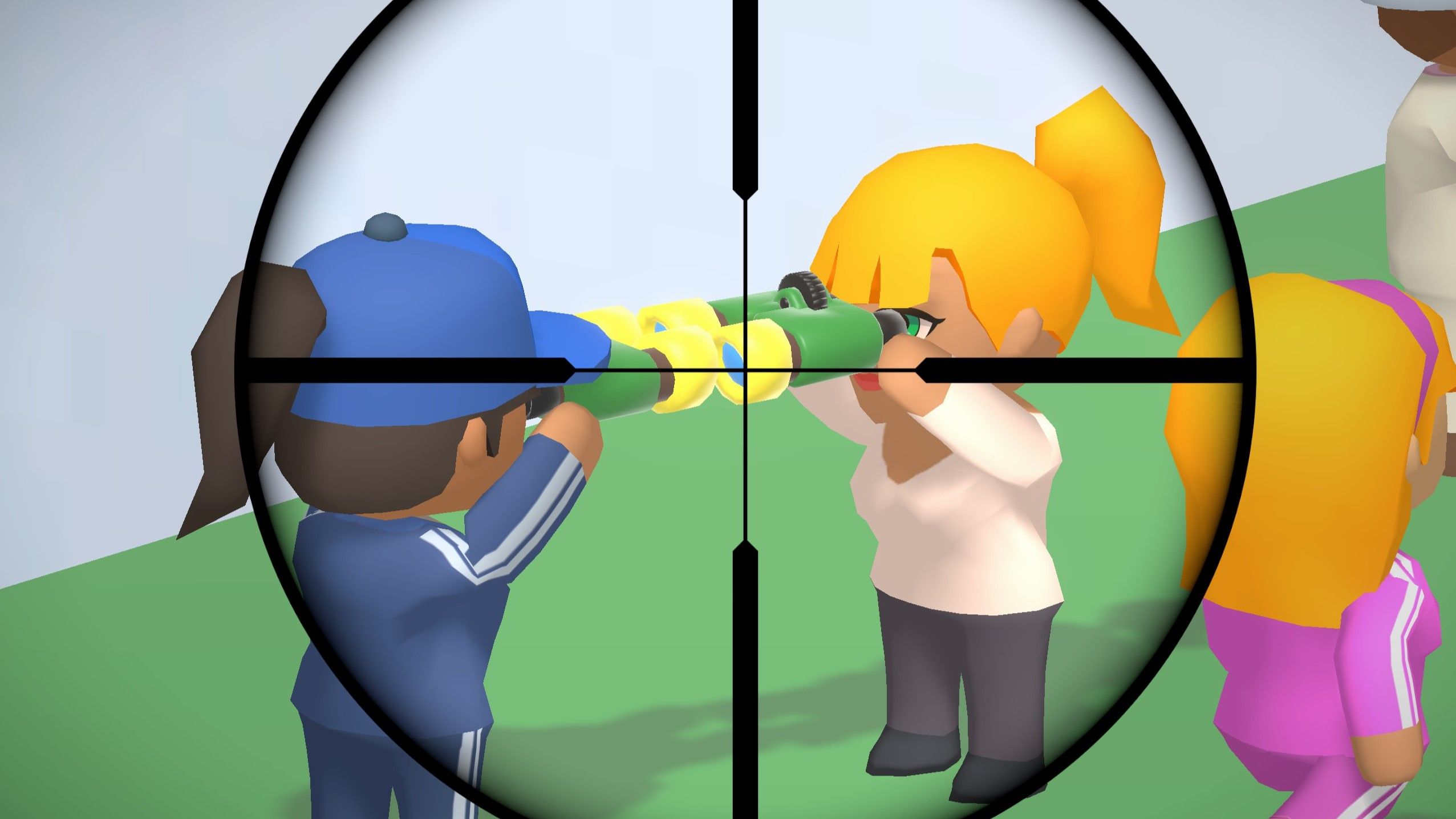
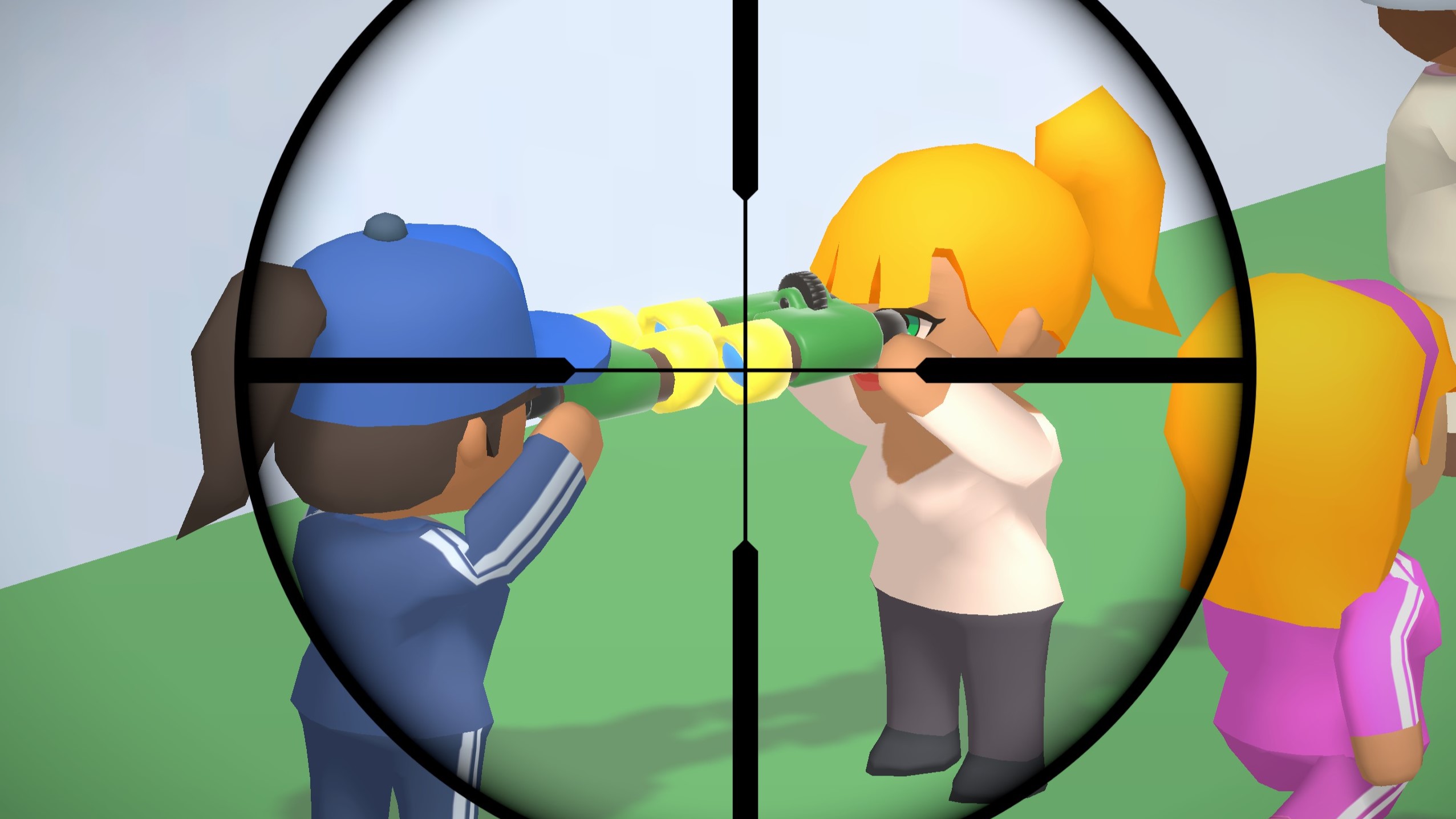
Developed for modern platforms, including PC (via Steam) and PlayStation 5, the game transforms every mission into an interactive, three-dimensional animated wimmelbilderbuch—a traditional German picture book style characterized by intricately detailed, jam-packed scenes. Each level is teeming with dozens of eccentric townspeople, roaming animals, and interactive inanimate objects, all of whom may or may not require high-velocity, bullet-based assistance to go about their daily lives.
The gameplay loop is disarmingly simple yet brilliantly executed: you spy a problem through your high-magnification scope, you shoot the problem, and you solve the problem. Gone are the intimidating mechanics of calculating wind resistance, Coriolis effect, or bullet drop that dominate serious military simulations. Instead, Sniper Dan strips away the friction of traditional ballistics to focus purely on the whimsical satisfaction of environmental interaction.
Chronology: From Autonauts to Community Sharpshooting
The journey toward Sniper Dan’s release on Steam and console storefronts reflects Denki’s ongoing dedication to playful, systems-driven game design.
- The Foundation: Denki built a strong reputation within the indie development scene through titles like Autonauts, which challenged players to automate primitive worlds using adorable, programmable robots. This established the studio’s penchant for creating accessible, cheerful games built on clever mechanics.
- Conception and Design: Moving away from automation sims, the team at Denki sought to subvert one of gaming’s most rigid and aggressive genres: the first-person sniper game. By analyzing the inherent visual satisfaction of scanning a vast, detailed landscape through a crosshair, the developers realized that the perspective could be repurposed for puzzle-solving rather than combat.
- The Launch Window: Sniper Dan officially launched on digital storefronts, accompanied by an introductory 20% launch discount reducing the base price to $10.39 (£8.79).
- The Cutoff Date: The promotional launch discount is scheduled to conclude on October 1, bringing the game back to its standard retail price.
Supporting Data and Gameplay Mechanics
While the premise sounds wonderfully absurd on paper, the execution relies on a tight suite of game design choices that keep the experience engaging.
1. Diverse Problem-Solving Scenarios
The challenges presented to Dan through his scope run the gamut of domestic absurdity. Puzzles encountered during gameplay include:
- Clearing stubborn, accumulated piles of leaves from the local park with precision shots.
- Unjamming stuck luggage at a transit hub by delicately shooting the mechanical lock.
- Planting flora by blasting a seed into the earth, shooting a nearby pile of soil to cover the seed, and finally puncturing a suspended watering can to ensure proper hydration.
2. Economy and Progression
Successfully resolving a community member’s predicament rewards the player with two primary currencies: a daft, celebratory animation and a handful of coins. These earnings can be reinvested into upgrading Dan’s trusty rifle or purchasing cosmetic items to decorate his home office. In keeping with the game’s tongue-in-cheek tone, even shopping at the local market stall is handled via firearm—Dan simply selects and purchases his desired goods by shooting them off the shelf.
3. Pricing and Accessibility
- Launch Price: $10.39 / £8.79 (reflecting a limited-time 20% discount).
- Discount Expiry: October 1.
- Platforms: PC (Steam), PlayStation 5.
Official and Critical Responses
Initial early impressions from industry critics and players alike have been overwhelmingly positive, highlighting the game’s refreshing refusal to take itself seriously. Reviewers have praised the title as a "straight-up Good Time," noting that it offers a shockingly pleasant, stress-free alternative to the high-stakes, adrenaline-pumping shooters that currently dominate the market.
While traditional publishers chase hyper-realistic graphics and punishing competitive metas, indie developers like Denki continue to carve out space for creative experiments. The industry reception suggests a clear appetite for titles that playfully subvert established genre conventions without sacrificing mechanical polish.
Implications: The Future of Subversive Indie Design
The release and warm reception of Sniper Dan carry several broader implications for the video game landscape:
1. Deconstructing Established Tropes
By taking a mechanic traditionally reserved for lethal combat (the sniper rifle) and repurposing it for community service and gardening, Denki demonstrates how genre tropes can be creatively hijacked. This success may encourage other indie developers to experiment with cross-genre mashups that pair violent mechanics with non-violent, cozy contexts.
2. The Rise of "Cozy Sniping"
While the term "cozy game" usually conjures images of farming simulators, café management, and knitting, Sniper Dan proves that coziness can exist in unexpected places. By removing the threat of failure, time limits, and enemy combatants, the game successfully bridges the gap between first-person shooter fans and the booming cozy gaming demographic.
3. Proving the Longevity of Creative Indies
Titles like Sniper Dan reinforce the vital role that independent studios play in keeping the medium fresh. As major publishers pour hundreds of millions of dollars into iterative sequels and hyper-realistic military shooters, smaller teams continue to prove that innovation, charm, and clever design are far more valuable currencies than sheer graphical fidelity.
Conclusion
For players looking to step away from the grueling competitive loops of modern multiplayer shooters, Sniper Dan offers an inviting, hilarious, and surprisingly therapeutic escape. Whether you are blasting open stubborn suitcases or watering petunias from a half-mile away, Denki’s latest creation ensures that pulling the trigger has never felt so wonderfully wholesome.

