

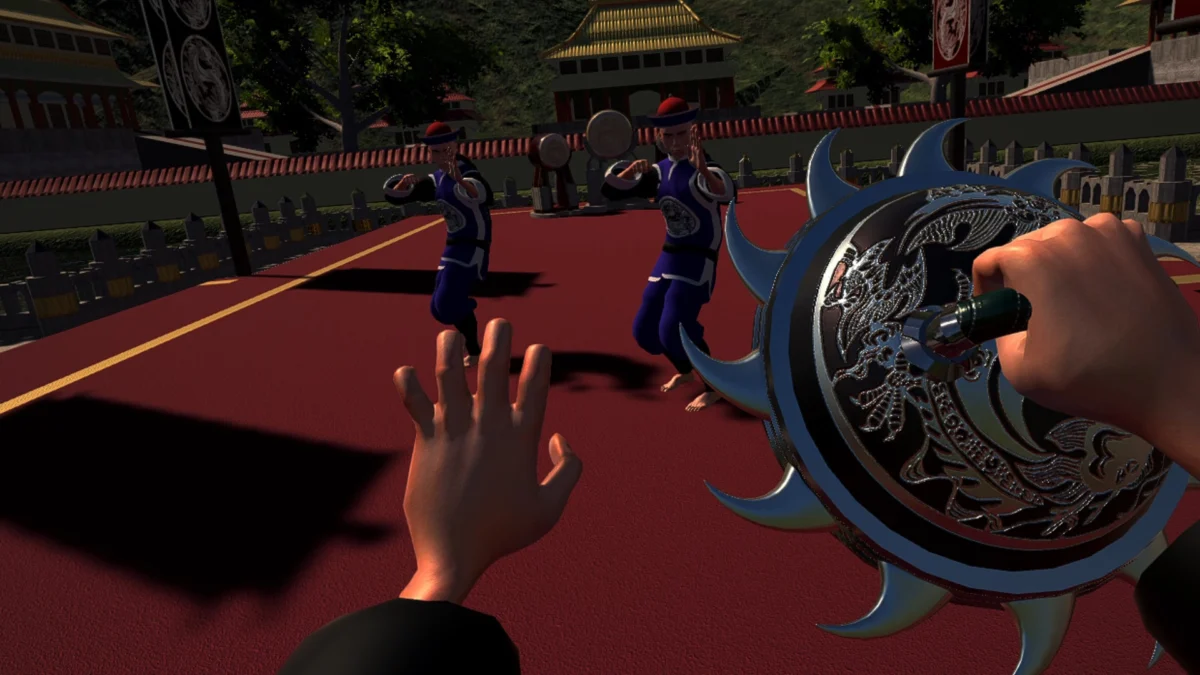
As the landscape of virtual reality (VR) continues to mature, the barrier to entry has shifted from prohibitive hardware costs to the search for compelling, high-fidelity software. While headsets like the Oculus Quest 2 have democratized the medium, the true test of VR’s staying power lies in the depth of its interactive experiences. Enter Dragon Fist: VR Kung Fu, a title that has recently emerged as a quintessential example of how physics-based combat can transform a living room into a high-stakes martial arts arena.
The Evolution of Virtual Combat
Virtual reality has long struggled with the "swing-and-miss" dilemma—the sensation that in-game weapons or punches lack the tactile resistance necessary to feel grounded in reality. Early titles often relied on simple collision detection, leading to immersion-breaking moments where players felt they were flailing at ghosts.
Dragon Fist: VR Kung Fu approaches this challenge with a nuanced, tactical philosophy. By moving away from arcade-style "button mashing" and toward a deliberate, precision-based combat system, the game asks players to engage with the virtual space as a martial artist would. With the added freedom provided by wireless PC-VR streaming tools like Airlink and Virtual Desktop, the tetherless nature of the Quest 2 allows for the kind of fluid, 360-degree movement that a kung fu title demands.
Gameplay Mechanics: Beyond the Flail
At its core, Dragon Fist is a first-person fighting simulator that prioritizes technique over raw speed. The combat engine is built upon three fundamental pillars: punches, palm strikes, and finger jabs. However, the game’s complexity is derived from its location-based damage system.
Tactical Precision and Debuffs
The game distinguishes itself by rewarding players for hitting specific anatomical points on their opponents. For instance:
- Vision Impairment: A well-placed finger jab to the ocular region of an opponent will temporarily obscure their vision, rendering them vulnerable to a follow-up combo.
- Stamina Depletion: Striking an opponent in the lower ribs or core effectively slows their stamina regeneration. This creates a strategic rhythm: players must whittle down an opponent’s resources before going for the decisive strike.
This systemic depth forces players to abandon the "wild swinging" approach common in many VR brawlers. As the difficulty curve steepens, success requires the player to manage their own spacing, timing, and strike accuracy. It is, in essence, a game of chess played at high velocity.
Character Diversity and Fighting Styles
Dragon Fist features an extensive roster of characters, each meticulously designed with unique attributes, strengths, and weaknesses. This variety serves as the game’s primary engine for replayability.
The Art of Selection
Players are encouraged to experiment with different archetypes to find the fighting style that aligns with their physical reach and preference. Some characters excel in defensive counter-punching, utilizing parries to exploit gaps in an opponent’s guard, while others are built for aggressive, high-damage flurries. Each character also possesses a unique suite of "special moves" that can turn the tide of a losing battle, provided the player has mastered the necessary input patterns.
The Physicality of Virtual Martial Arts
One of the most touted, yet often overlooked, aspects of VR gaming is its potential for physical exercise. In an era where sedentary gaming is the norm, Dragon Fist demands genuine athletic engagement. A session in the game is rarely just a leisure activity; it is a full-body workout.

The necessity of ducking, weaving, and extending one’s reach to land strikes creates a cardiovascular demand that rivals traditional fitness programs. For those looking to integrate movement into their gaming routine, the game provides a compelling incentive to push through the exhaustion, rewarding the player with the satisfying rhythm of a well-executed martial arts sequence.
Chronology of Development and Reception
Since its release in late 2021, Dragon Fist has carved out a dedicated niche within the SteamVR ecosystem.
- December 2021: The game officially launches on major VR storefronts. Initial user reception highlights the game’s physics-based combat as its strongest selling point.
- Q1 2022: Post-launch updates began addressing common community feedback, including hit-registration refinements and balance tweaks for the character roster.
- Mid-2022 to Present: The title has maintained a "Very Positive" standing on Steam, attributed to the developer’s commitment to polishing the core combat loop rather than simply adding superficial content.
Technical Limitations and the VR Frontier
Despite its strengths, Dragon Fist serves as a mirror for the current limitations of the medium. The "tracking lag" mentioned by early adopters is a persistent challenge in consumer-grade VR. When a player moves with the speed of a professional martial artist, the latency between physical motion and digital representation can occasionally result in a disconnect.
However, it is vital to distinguish between game-specific flaws and hardware constraints. As tracking technology improves and refresh rates on standalone headsets climb, the "feel" of games like Dragon Fist will only continue to improve. The developers have shown a consistent ability to mitigate these issues through smart software optimization, proving that even within the constraints of modern hardware, the ceiling for VR immersion is constantly rising.
Implications for the VR Industry
The success of Dragon Fist holds significant implications for the future of VR game design. It suggests that the market is hungry for "high-skill ceiling" games. For years, the industry focused on "experiences"—short, curated, and often passive encounters. Dragon Fist represents a shift toward "competence-based" gaming, where the player’s personal growth and mastery of the game’s mechanics become the primary source of entertainment.
Furthermore, the game’s success validates the move toward wireless play. By utilizing the flexibility of the Quest 2 ecosystem, Dragon Fist proves that the "VR luxury" label is fading. When software can bridge the gap between high-end PC performance and the accessibility of a portable headset, the potential audience for professional-grade simulation games grows exponentially.
Conclusion: Is It Worth the Training?
Dragon Fist: VR Kung Fu is not a perfect game, but it is a masterclass in focused design. It avoids the temptation to be "everything to everyone," instead choosing to deliver a tight, visceral, and genuinely rewarding martial arts experience.
For the VR enthusiast, it offers a glimpse into the future of motion-controlled gaming—a future where the controller is an extension of the body, and the digital world reacts with weight and consequence. Whether you are looking for a rigorous workout, a way to test your reflexes, or simply the thrill of living out your favorite martial arts movie, Dragon Fist stands as a testament to the fact that virtual reality has finally found its rhythm.
As we look toward the next generation of hardware, one thing is certain: games that demand, respect, and reward the physical efforts of the player will be the ones that define the next chapter of interactive entertainment. Dragon Fist has secured its place in that conversation, and for any fan of the fighting genre, it is an essential addition to the library.

