

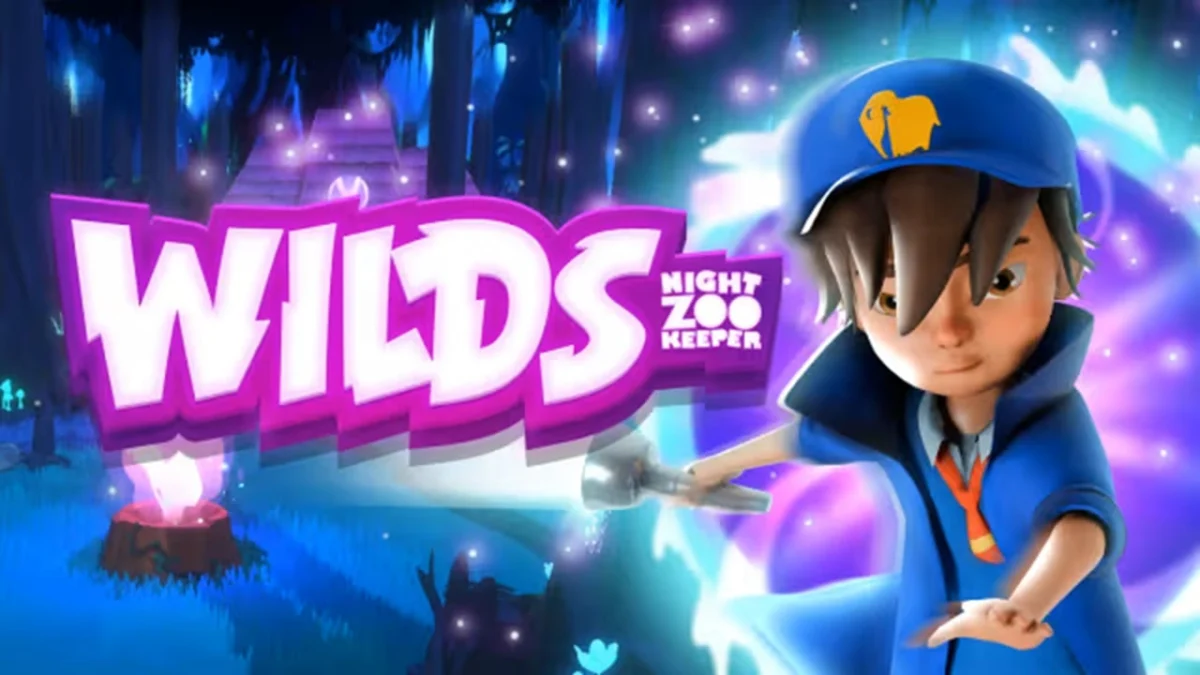
For over 15 years, the BAFTA-nominated educational powerhouse Night Zookeeper has been a stalwart in the digital learning space. By crafting a sprawling, imaginative storytelling universe, the company has successfully gamified the pedagogical pillars of reading, writing, and drawing for millions of children. Now, the team is taking their most ambitious leap yet: Wilds by Night Zookeeper, a new interactive experience that blurs the lines between artistic creation and high-stakes gameplay.
Slated for release on mobile and PC later this year, Wilds is not just a game; it is a manifestation of the company’s core mission: to prove that creativity is the most powerful tool in a child’s arsenal.
Main Facts: A New Frontier for Digital Creativity
Wilds by Night Zookeeper is an innovative title centered on creature creation, customization, and tactical collection. At its heart, the game functions as a sandbox for the imagination. Users are invited to draw their own unique creatures—aptly named "Wilds"—which the game’s engine then translates into fully realized, playable 3D characters.
The core gameplay loop involves more than just design; it is about tactical experimentation. Players can outfit their Wilds with specific ability loadouts, allowing for a deep level of personalization. Whether a player wants to create a hulking, armored beast or a swift, elusive trickster, the game provides the framework to bring those visions to life. Furthermore, the ecosystem is built on community interaction. Players can trade and collect Wilds created by others, resulting in a global menagerie of bizarre, powerful, and whimsical creatures that evolve alongside the player base.
Chronology: The Evolution of the Night Zookeeper Universe
To understand the weight of this new release, one must look at the trajectory of the Night Zookeeper brand.
- The Foundation (2009–2014): The initial years were spent building a narrative framework, primarily through web-based storytelling tools that encouraged children to write about mythical creatures.
- The Educational Pivot (2015–2020): The team gained international acclaim, earning a BAFTA nomination for their platform, which became a staple in classrooms globally. During this period, the focus shifted from simple creative writing to a structured, interactive educational ecosystem.
- The Technological Leap (2021–2023): With advancements in 3D rendering and procedural animation, the team began prototyping ways to move away from static images. The internal goal became clear: turn the static drawings of the past decade into dynamic, playable assets.
- The Announcement (2024): The reveal of Wilds by Night Zookeeper signals the company’s intent to compete directly in the gaming market, moving beyond "edutainment" and into the realm of fully-fledged, adventure-based gaming.
Supporting Data: Why ‘Wilds’ Is a Cultural Shift
The design philosophy behind Wilds is backed by a growing body of research suggesting that children learn more effectively through "constructivist" play—a method where the user builds their own understanding of the world through experience and creation.
In Wilds, this is evidenced by the "Void" narrative. The Voids are grey, shapeless entities designed to represent the stifling of imagination. By forcing players to combat these creatures, the game provides a metaphorical framework for the importance of creative expression.
Furthermore, the integration of community feedback into development is a unique aspect of the project. The developers have committed to a "living game" model, where community-created ideas—ranging from new outfits and attack animations to entirely new biomes—can be integrated into the game’s official lore. This creates a feedback loop where the players are not just consumers, but architects of the game’s future.
Official Perspectives: The Philosophy of Safety and Play
In an era where online safety is a primary concern for parents and educators, the Night Zookeeper team has made a bold choice: the complete exclusion of live chat.
"Our priority has always been to foster a space where the child’s voice is the loudest," a company spokesperson stated. "By removing the risks associated with unmoderated communication, we allow for a pure, immersive experience that focuses on the joy of discovery and the thrill of competition, rather than the pitfalls of social media-style interactions."
This focus on safety does not, however, come at the cost of excitement. The gameplay is described as a high-octane mix of cooperative adventure and competitive sports. Players might find themselves engaged in a frantic match of "Light Ball"—a fast-paced competitive sport within the game—only to be thrust into a tense, stealth-based encounter while evading "Stifle the Gorilla," an antagonist within the woods of the Night Zoo.
Implications: The Future of Creative Gaming
The release of Wilds by Night Zookeeper on Steam and mobile platforms represents a significant shift in the gaming industry. It challenges the traditional binary of "educational games" versus "AAA titles."
The Democratization of Game Design
By making 3D character creation as simple as drawing on a screen, Wilds is effectively democratizing game design. It lowers the barrier to entry for children who have creative ideas but lack the technical skills to code or model in complex software like Blender or Unity.
Combatting Digital Passive Consumption
Most mobile games today rely on addictive feedback loops—daily logins, loot boxes, and passive progression. Wilds chooses a different path: active creation. The value of a player’s collection is determined by their own creative effort and their ability to strategize. This could potentially influence how future developers approach children’s media, shifting the focus from "time spent" to "skills gained."
A Sustainable Model for Creative Communities
The commitment to using community-sourced assets for future game updates ensures that the game will have a long shelf-life. By empowering the community to influence the "Night Zookeeper" canon, the developers have essentially created a collaborative world-building engine that can grow indefinitely.
Looking Ahead: What to Expect at Launch
As the launch date approaches, the excitement surrounding the title is palpable. Beta testers have praised the fluid transition between the drawing interface and the 3D action gameplay. The ability to see one’s own hand-drawn creation sprint, jump, and interact with the environment has been described as a "magical moment" that bridges the gap between the physical and digital worlds.
For parents, educators, and gamers alike, Wilds by Night Zookeeper serves as a reminder that the most compelling content is often that which we create ourselves. By providing the tools to build, the game invites players to not just play the game, but to inhabit the role of an architect within a magical universe.
Whether you are a long-time fan of the Night Zookeeper series or a newcomer intrigued by the premise of user-generated 3D character design, Wilds promises to be one of the most unique releases of the year. As the Voids gather to threaten the creativity of the Zoo, the question remains: will the players’ collective imagination be enough to keep the light of the Night Zookeeper burning?
The answer will be revealed when the gates to the Wilds officially open. Until then, it’s time to start sketching.
For those interested in exploring the world of Night Zookeeper before the release of Wilds, the platform’s existing educational resources remain available, providing a perfect primer for the upcoming expansion of their universe. Keep an eye on the official Steam page for updates on release timelines and potential early-access events.

