

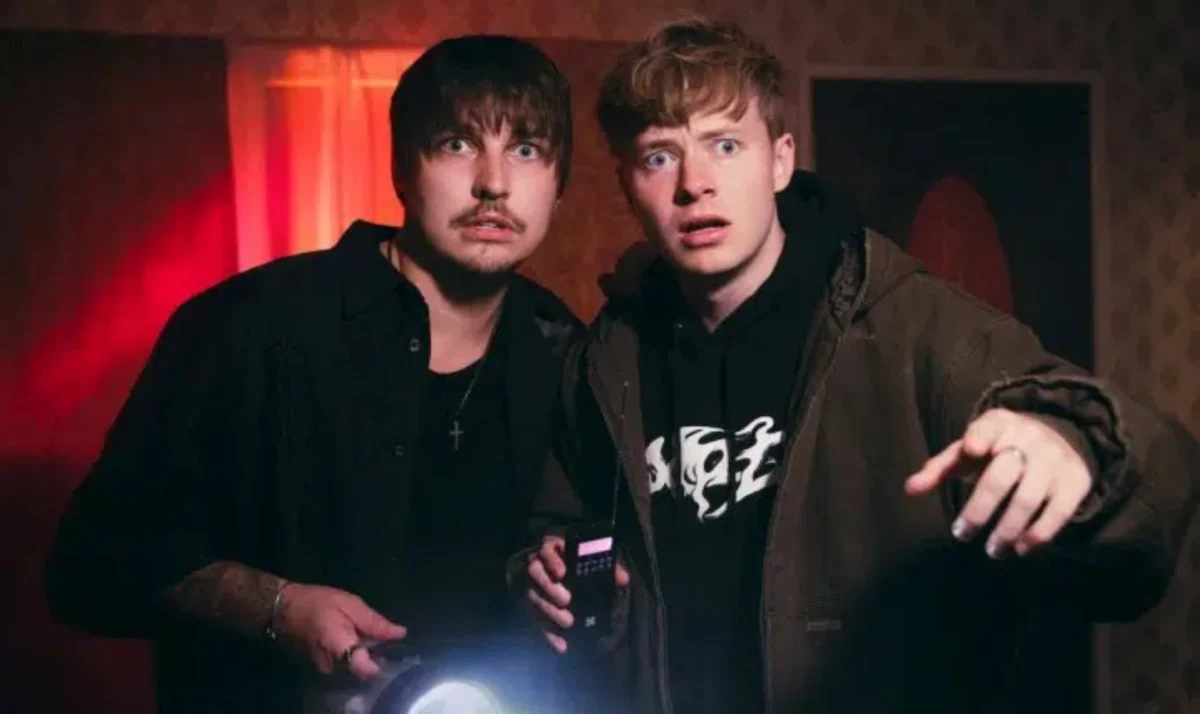
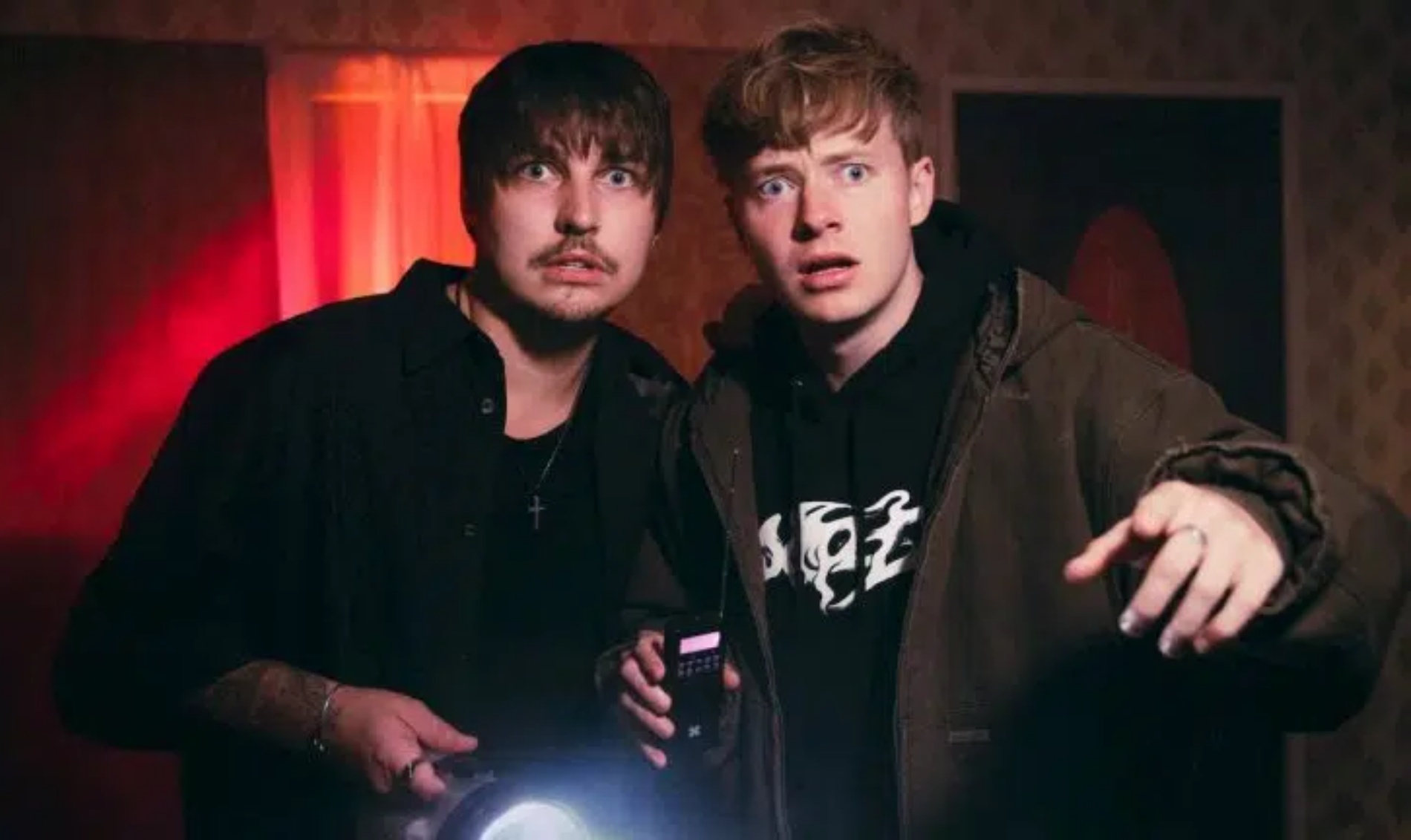
The digital landscape is undergoing a seismic shift. In a move that signals the deepening encroachment of traditional streaming giants into the domain of independent digital creators, Netflix has announced a strategic partnership with paranormal investigators Sam Goldbach and Colby Brock. Known globally as "Sam and Colby," the duo has spent years building a digital empire rooted in ghost hunting, abandoned exploration, and high-stakes supernatural investigation.
This October 2026, the duo’s signature event—the highly anticipated “Hell Week”—will transcend its YouTube origins to find a new, massive home on Netflix. While the move represents a significant milestone for the creators, it also marks a pivotal moment in the ongoing power struggle between YouTube and its competitors for the attention of Gen Z and Millennial audiences.
The Genesis of an Empire: From Vine to Netflix
To understand the significance of this partnership, one must look at the meteoric rise of Sam and Colby. Their journey began during the era of Vine, the short-form video platform that served as the crucible for a new generation of digital stars. When Vine shuttered, the duo successfully pivoted to YouTube, where they refined their craft, moving away from short-form comedy toward high-production-value paranormal documentaries.
The duo’s appeal lies in their unique blend of genuine investigative curiosity and cinematic storytelling. By exploring the world’s most notorious haunted locations—ranging from abandoned hospitals to desolate ghost towns—they have cultivated a loyal, global fanbase that treats each video release as a communal event.
A Chronology of “Hell Week” Evolution
- 2019: The project begins to take shape as a specialized seasonal event, moving beyond standard vlog content into high-quality, multi-part docuseries.
- 2022: The creators push the boundaries of their production schedule, releasing an unprecedented seven feature-length documentaries in just 14 days, effectively setting the standard for their annual spooky season output.
- 2023: Recognizing the cinematic potential of their work, Sam and Colby partner with Cinemark. This marks the transition from purely digital content to the silver screen, as fans flock to theaters for exclusive screenings.
- 2024: The theatrical strategy expands significantly. Approximately 350 theaters across the country participate in the event, proving that digital-native creators can command real-world foot traffic on a national scale.
- 2026: Netflix enters the fray. The streaming giant secures a deal to host a curated collection of the duo’s most terrifying episodes and documentaries, beginning at the start of October.
Supporting Data: The Economics of Fear
The decision by Netflix to invest in Sam and Colby is not a gamble; it is a calculated response to clear viewership metrics. Historically, Sam and Colby’s “Hell Week” uploads have routinely tallied tens of millions of views within days of release. Their ability to consistently deliver high-retention content makes them one of the most bankable acts in the digital creator space.
Outside of their seasonal events, the duo maintains a dominant presence in the branded content sector. According to industry reports, their sponsored videos are among the most effective on the YouTube platform, boasting engagement rates that rival traditional television advertisements.
For Netflix, the strategy is twofold. First, they gain access to a pre-built, highly engaged audience that is already primed to consume long-form, "bingeable" content. Second, they utilize this partnership to position themselves as the "next-generation" cable provider—a platform that isn’t just for prestige dramas, but for the creators who actually define the modern cultural zeitgeist.
Official Responses and Strategic Transparency
In the wake of the announcement, concerns circulated regarding the potential "exclusivity" of the content. Creators moving to streaming platforms often face pressure to abandon their roots, but Sam and Colby have been quick to reassure their community.
In an official Instagram post, the duo explicitly stated, “Nothing else is changing.” By maintaining their YouTube distribution while simultaneously launching on Netflix, they are navigating a hybrid model that maximizes reach without alienating their core base. "You can still watch wherever you have been, but now we get to post to Netflix, too," the pair noted, emphasizing that the Netflix deal is an expansion, not a migration.
This transparency is vital. The creators understand that their value is derived from the intimate connection they have fostered with their audience over a decade. By maintaining their independence, they avoid the "corporate pivot" stigma that has hampered other creators in the past.
Implications: The Bidding War for the Creator Class
The deal between Netflix and Sam and Colby is a symptom of a much larger trend: the "creator-streaming" arms race. YouTube has not been idle during this transition. Reports indicate that the platform has been offering seven-digit compensation packages to top-tier creators in an attempt to dissuade them from signing deals with streaming competitors.
However, the tide seems to be turning. Netflix has successfully onboarded several YouTube staples, including the popular podcast The Besties and the global powerhouse ChuChu TV. These acquisitions suggest that Netflix is no longer satisfied with being a passive content library; they are aggressively courting the creators who own the attention of the next generation.
Why Netflix is Winning the Strategy
Netflix has a distinct advantage: a global reach and a user interface designed for "lean-back" viewing. While YouTube excels at community interaction and rapid-fire content delivery, Netflix offers a prestige factor that can elevate a creator’s work to a different tier of cultural legitimacy.
For Sam and Colby, the Netflix deal provides:
- Increased Discoverability: Reaching viewers who may not use YouTube as their primary entertainment source.
- Cinematic Validation: Having their work presented in the same ecosystem as award-winning films and series.
- Monetization Diversification: Reducing reliance on ad-sense and brand sponsorships by tapping into the streaming service’s vast infrastructure.
The Future of Digital Investigation
As we move into the final quarter of 2026, the industry will be watching the viewership data closely. Will the Netflix audience, which is accustomed to high-budget scripted content, respond to the raw, authentic, and often chaotic energy of a Sam and Colby investigation?
If the data proves positive, it could trigger a wave of similar deals. We may soon see other YouTube titans—those who have mastered the art of the documentary or the long-form vlog—following the Sam and Colby blueprint.
The lines between "YouTuber" and "Professional Content Creator" have effectively dissolved. In this new era, the platform is secondary; the creator is the network. As Netflix continues to integrate these digital-native stars, they are not just changing their programming strategy—they are acknowledging that the future of television is being written by the people who started with nothing more than a camera and a dream in a haunted basement.
For the fans of Sam and Colby, the October premiere is more than just a spooky treat; it is a signal that their favorite creators have reached the pinnacle of their craft. For the industry, it is a warning: the traditional gatekeepers are no longer just monitoring the gate—they are opening it wide to let the creators in.
As the leaves turn and the nights grow long in 2026, the question is no longer whether Sam and Colby can survive the supernatural encounters they hunt, but whether they have fundamentally changed the nature of the beast that is the streaming industry itself. Whether on a smartphone screen or a 4K television, one thing remains clear: the spirit of independent, creator-led entertainment is more alive than ever.

