

Main Facts: The Confession of a Rockstar Co-Founder and the Legacy of a Shooter
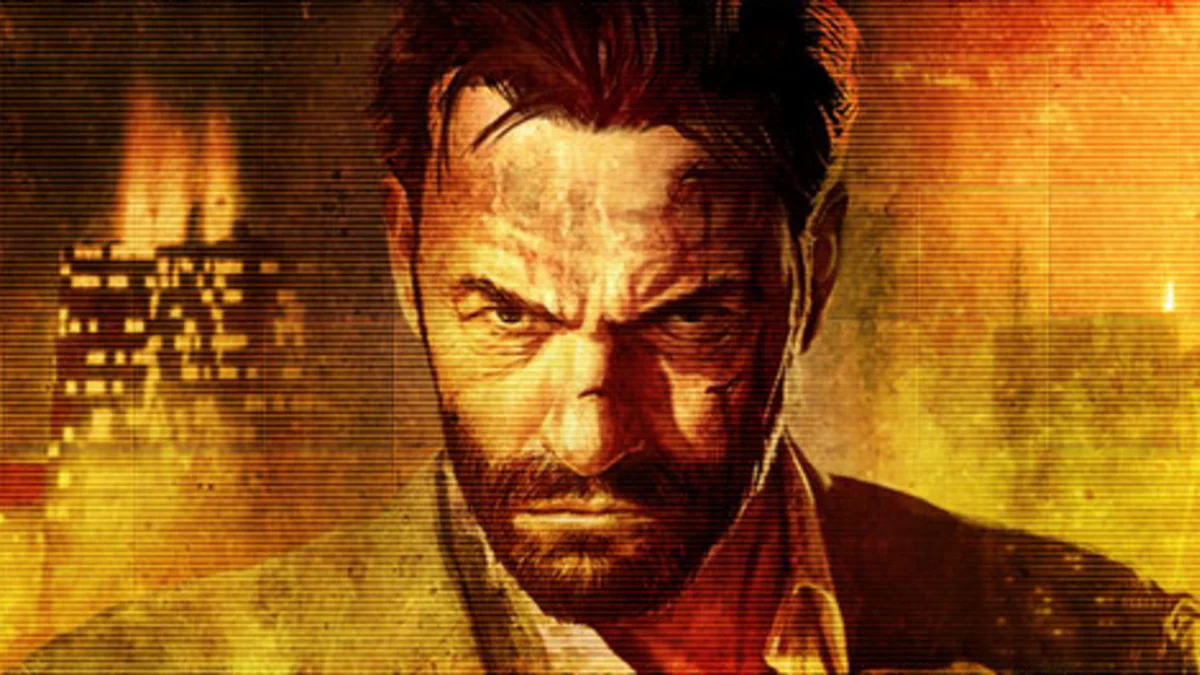
More than a decade after its initial release, Max Payne 3 remains one of the most polarizing yet mechanically refined titles in Rockstar Games’ storied catalog. The game recently found itself back in the spotlight due to candid remarks from Dan Houser, a co-founder of Rockstar Games and the primary creative force behind its narrative masterpieces like Grand Theft Auto, Red Dead Redemption, and Bully.
In an interview with IGN, Houser reflected on the 2012 gritty action shooter and dropped a surprising assessment: he considers Max Payne 3 to be a "failure." Houser pinned the perceived shortfall on his own shoulders, admitting that he struggled to step into the creative shoes of Sam Lake—the Remedy Entertainment visionary who penned the neo-noir atmosphere and signature prose of the first two Max Payne titles.
Despite Houser’s harsh personal self-critique, a closer look at the title’s production, its distinct stylistic risks, and its enduring reputation reveals a very different story. While commercial pressures at launch led publisher Take-Two Interactive to label its sales figures as "lower than expected," history has been remarkably kind to Max Payne 3. Today, the game is widely celebrated not as a misstep, but as a masterclass in cinematic pacing, hard-boiled storytelling, gunplay mechanics, and environmental design that boldly redefined a beloved franchise.
Chronology: From Remedy’s New York Alleys to Rockstar’s São Paulo Sun
To understand the weight of Houser’s comments, it is essential to trace the historical timeline of the Max Payne franchise and how the torch was passed from its original Finnish creators to Rockstar Games.
2001–2003: The Remedy Era and the Birth of Bullet Time
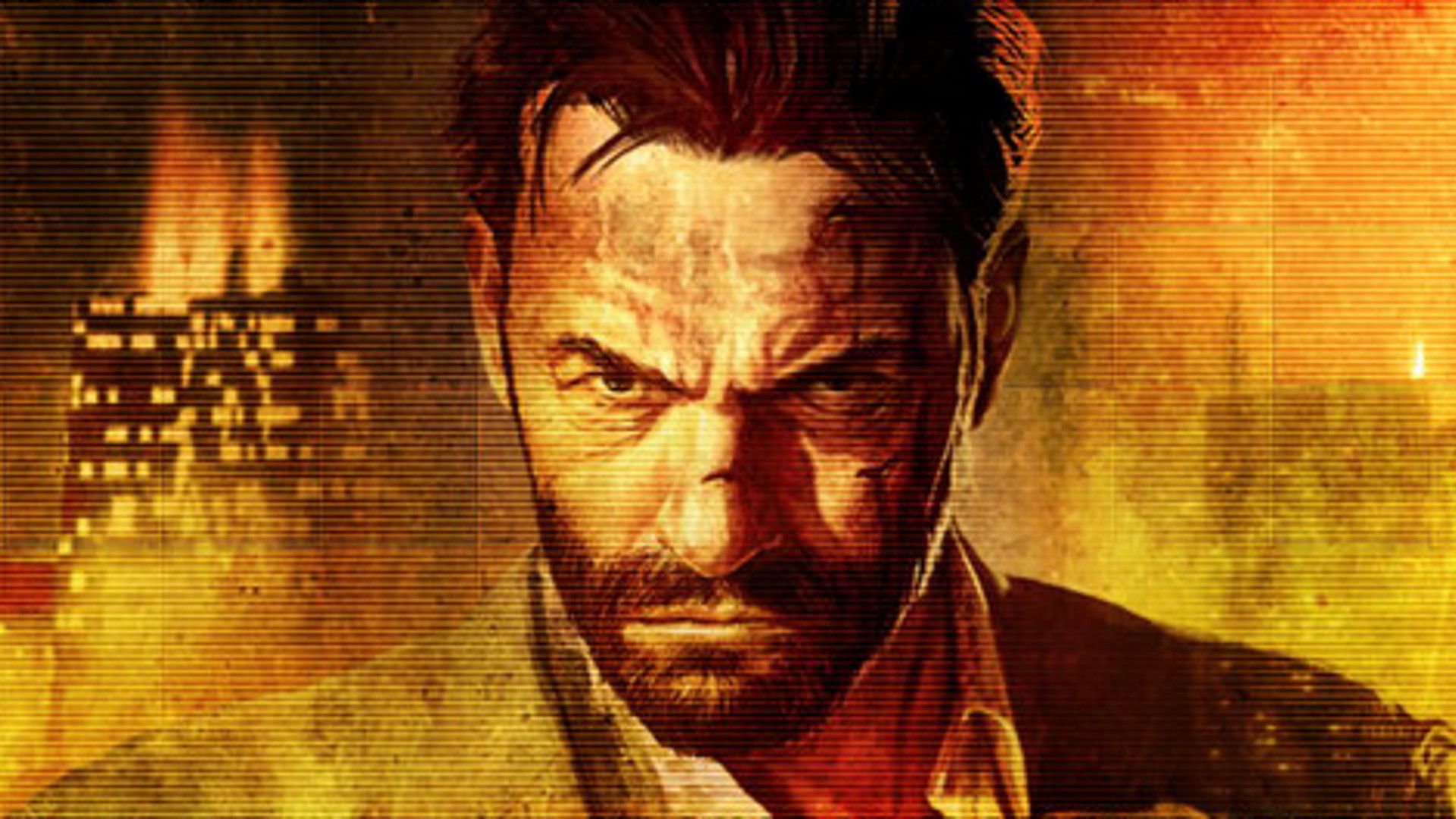
- August 2001: Remedy Entertainment released the original Max Payne on PC (followed by console ports), introducing players to a bleak, snow-drenched New York City. Written by Sam Lake and starring a fictionalized version of him for facial capture alongside James McCaffrey’s gravelly voice acting, the game popularized "bullet time" (slow-motion gunfights inspired by The Matrix) and graphic novel-style comic book panels for storytelling.
- October 2003: Remedy followed up with Max Payne 2: The Fall of Max Payne. While critically acclaimed for its physics engine and tragic romantic subplot involving Mona Sax, it suffered from sluggish commercial performance, leading Take-Two Interactive (which had acquired intellectual property rights from Take-Two/Gathering of Developers and Remedy) to take the franchise in-house.
2009–2012: Rockstar’s Ambition and Production Hurdles
- 2009: Rockstar Games announced Max Payne 3, setting its sights on a significant departure from the rainy rooftops of New York. Development duties were spearheaded by Rockstar Vancouver in collaboration with multiple other Rockstar studios worldwide.
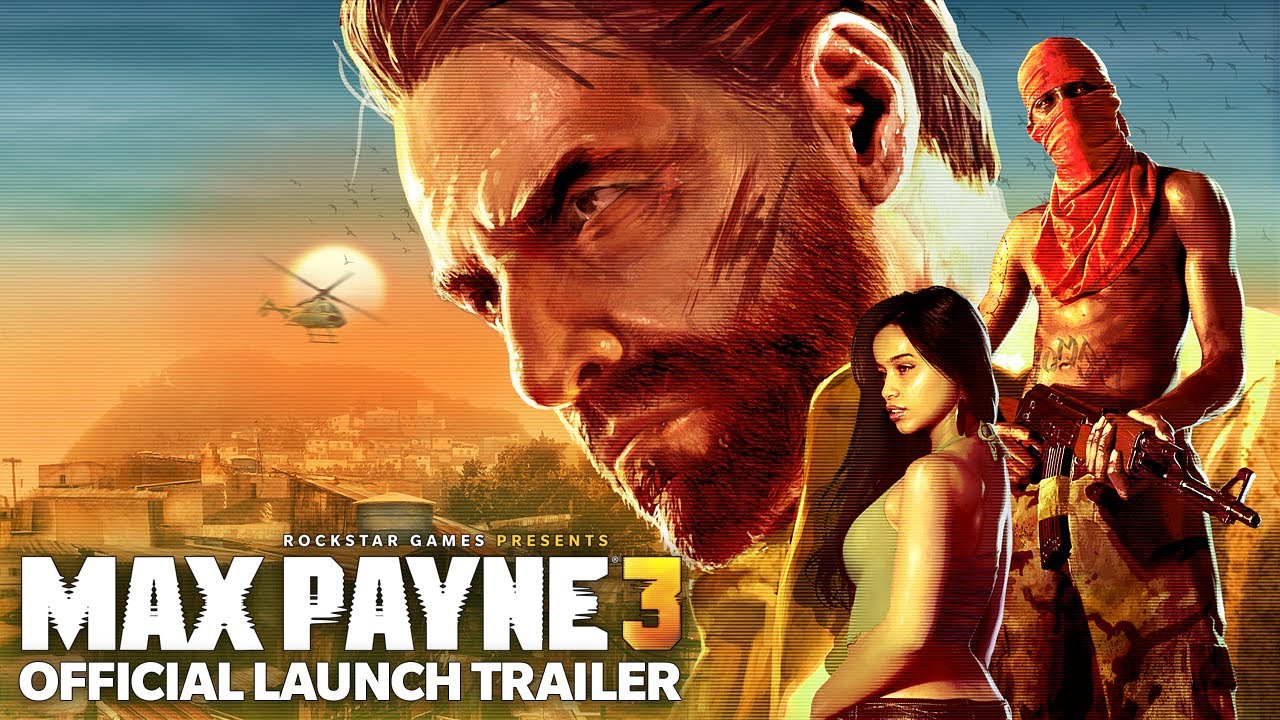
- May 2012: Max Payne 3 finally launched on the PlayStation 3 and Xbox 360 (with a PC version following in June 2012). The game thrust an aging, pill-popping, and alcoholic Max out of his comfort zone and into the blindingly bright, violent favelas and corporate boardrooms of São Paulo, Brazil, working as private security for a wealthy family.
Post-Launch to Present: The Long-Term Reappraisal
- Late 2012: Take-Two Interactive reported lower-than-expected initial sales, resulting in a widened net loss for the quarter—a financial setback shared at the time with another narrative-driven masterpiece, Spec Ops: The Line.
- 2014–Present: Over the subsequent decade, industry critics and fans began to re-evaluate Max Payne 3. Reviewers and players alike praised its zero-load-time cinematic seamlessness, industrial soundtrack by HEALTH, and uncompromising look at systemic corruption, ultimately turning the game into a revered cult classic.
Supporting Data: Sales Figures, Critical Reception, and Technical Innovation
When evaluating whether Max Payne 3 was truly a failure, analysts and industry insiders must separate corporate financial metrics from artistic and mechanical achievement.
Financial Performance and the Take-Two Report
At the time of its fiscal release in late 2012, Take-Two Interactive executives noted that initial retail figures for Max Payne 3 did not meet aggressive internal forecasts. The game shipped millions of copies, but high production costs—stemming from an elongated development cycle involving multiple global studios—meant that the break-even threshold was remarkably high.
It is worth noting that the early 2010s represented a challenging climate for linear, single-player action games, as the market was rapidly pivoting toward open-world sandboxes (such as Rockstar’s own Grand Theft Auto V) and sprawling multiplayer service games.
Critical Scores and Accolades
Despite soft launch-window sales, critics largely lauded the game’s technical prowess:
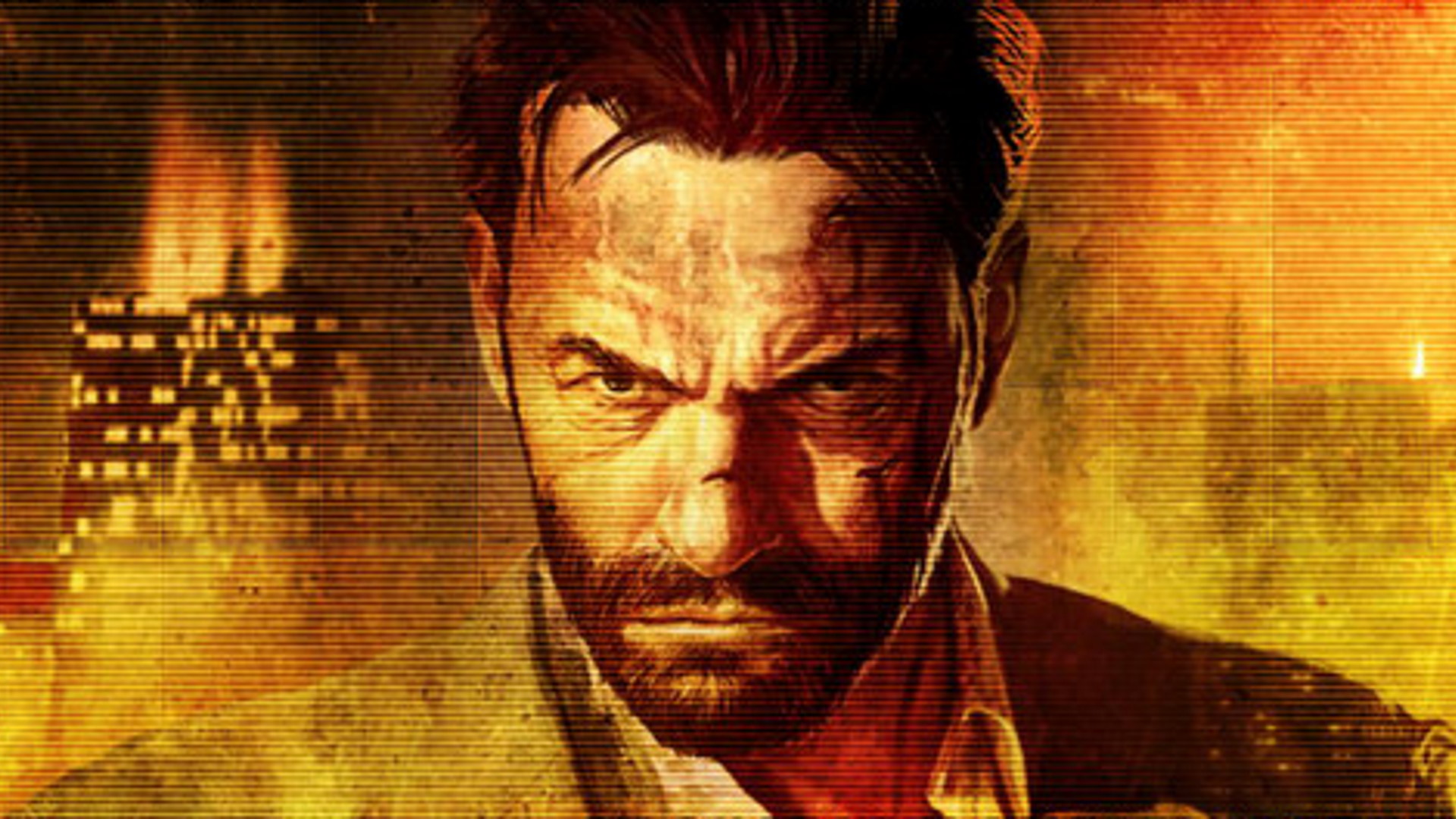
- Metacritic Scores: The game achieved an average score of roughly 87/100 across platforms, indicating "generally favorable reviews."
- Mechanical Refinement: Reviewers universally praised the Euphoria physics engine (borrowed from Grand Theft Auto IV and Red Dead Redemption), which made enemy reactions to gunfire feel visceral, weighty, and dynamically responsive rather than reliant on canned animation loops.
- Audio-Visual Design: The seamless transitions between gameplay and cutscenes—masked cleverly by stylish, glitch-art text filters and audio distortions—eliminated traditional loading screens, creating an uninterrupted 12-hour cinematic experience.
Official Responses: Dan Houser’s Self-Criticism and the Fan Base’s Pushback
Dan Houser’s recent IGN interview provided a rare glimpse into the internal psyche of a legendary game developer who holds himself to impossibly high standards.
"I felt we were creating a really cool digital noir experience, and the consensus at the time was that people hated it… So I got that completely wrong," Houser stated during the interview. He explicitly blamed himself for missing the distinct literary flair of Sam Lake, noting that players profoundly missed Lake’s specific brand of writing. "The game is beautifully made, and it wasn’t as successful as it should have been. So I would say a large amount of that failure was on me as one of the people making the decisions and also as the writer."
However, the gaming community—including journalists, content creators, and long-time fans—has pushed back strongly against Houser’s self-flagellation. Critics argue that Houser is unfairly conflating commercial disappointment with artistic failure.
While Houser felt constrained by not being Sam Lake, his script actually injected a fresh, nihilistic, and deeply cynical American perspective into a foreign environment. Max’s status as an aging, out-of-shape expatriate stumbling through the humid heat of Brazil in a loud Hawaiian shirt was a stroke of narrative genius. It weaponized Max’s displacement, forcing players to feel just as uncomfortable and disoriented as the protagonist. Furthermore, the late James McCaffrey delivered what many consider the defining performance of his career, elevating lines like "I was about to lower the life expectancy of the-board-of-directors down to single digits" into iconic gaming history.
Implications: What Max Payne 3 Teaches Us About Game Design Today
The enduring conversation surrounding Max Payne 3 carries significant implications for the modern video game industry, particularly as triple-A development costs skyrocket and publishers become increasingly risk-averse.
1. The Value of Linear Storytelling in an Open-World Era
In an era dominated by sprawling, 100-hour open-world RPGs filled with fetch quests and endless map markers, Max Payne 3 serves as a shining example of the power of a tight, focused, linear narrative. Delivering a punchy, 12-hour cinematic journey allows for superior pacing, intense set-pieces, and a cohesive tone that open-world formats frequently dilute.
2. Time Heals Divisive Creative Risks
When developers step outside established molds—such as moving Max Payne from the rainy gothic streets of New York to the sun-bleached violence of South America—loyal fan bases often react with initial hostility. Max Payne 3 proves that creative risks, even if met with muted commercial reception or fan friction upon release, often age like fine wine. Years later, players look past the initial shock of change and appreciate the sheer craft involved.
3. Redefining "Failure" in Creative Spaces
Dan Houser’s willingness to label his own work a failure highlights the intense pressure placed on top-tier creators. Yet, history demonstrates that a project does not need to break sales records to be an artistic triumph. Max Payne 3 pushed the boundaries of shooter mechanics, physics integration, and narrative presentation in ways that modern developers still study today.
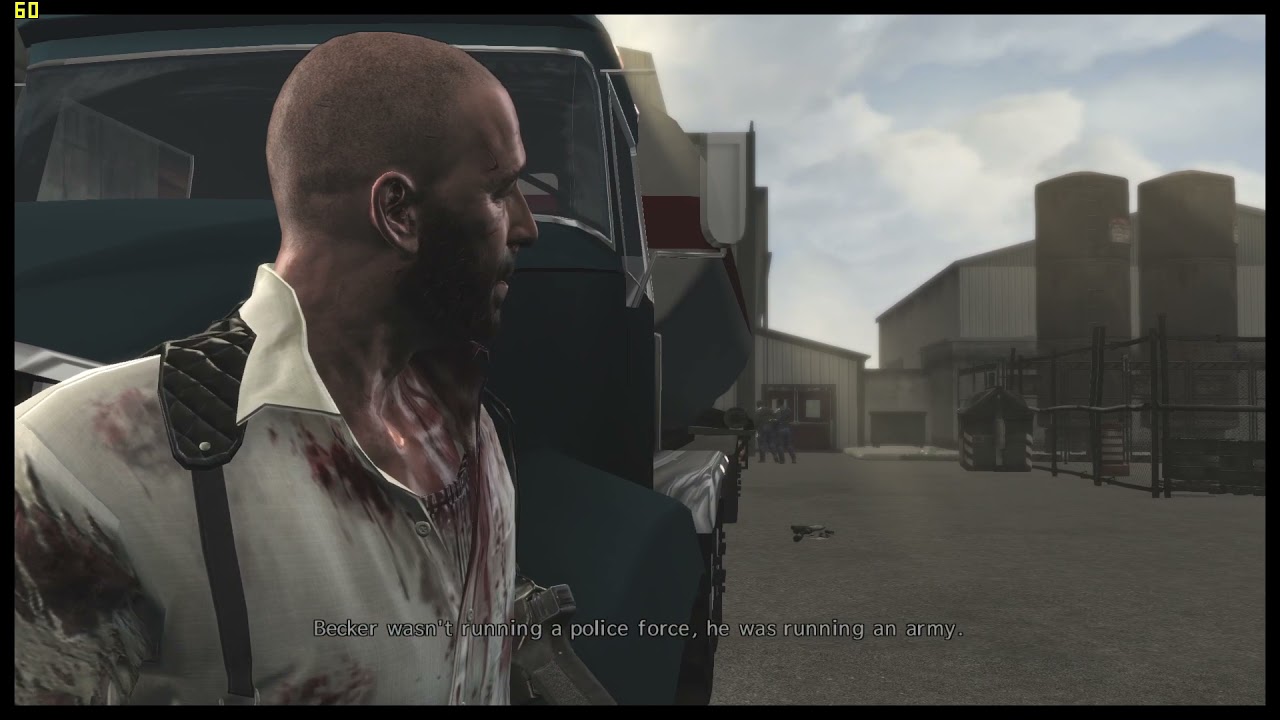
Ultimately, while Dan Houser may look back on his time in São Paulo with regret, the gaming community remembers Max Payne 3 for what it truly was: a fearless, beautifully executed masterpiece that proved Rockstar could do more than just build open worlds—they could direct an interactive crime thriller of the highest order.

