

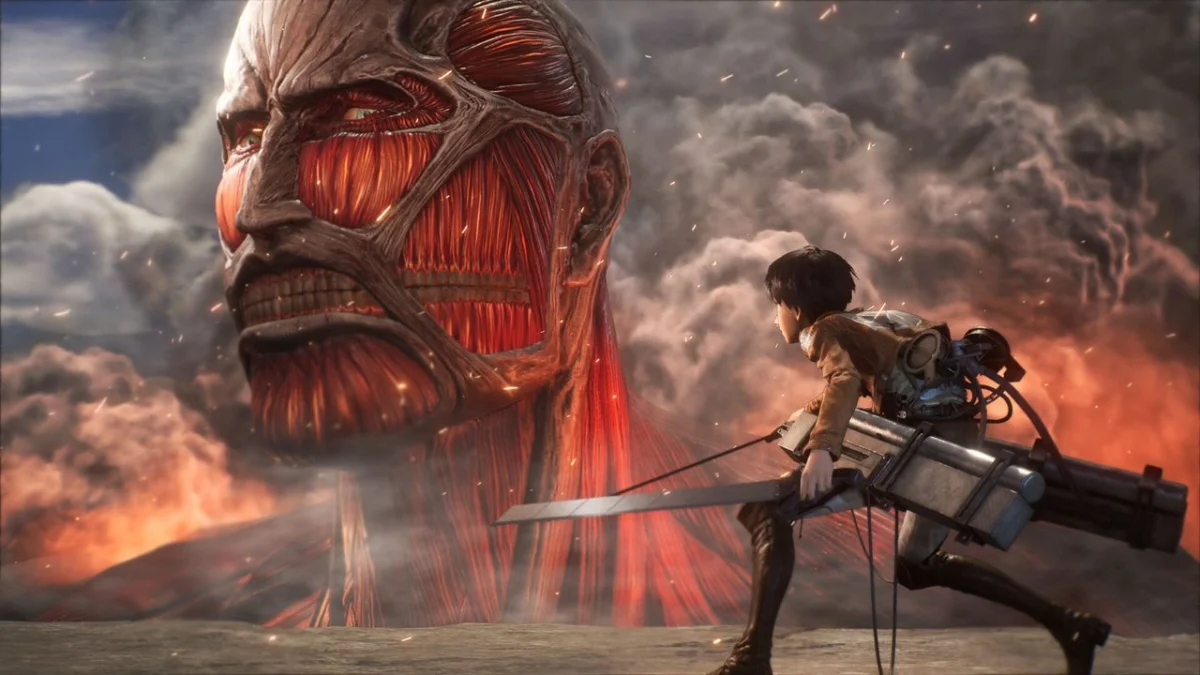
The world of anime tie-in gaming has long been characterized by a "hit or miss" reputation. For every standout title that manages to capture the kinetic energy of its source material, there are a dozen others that serve as little more than shallow, fan-service-driven shells. However, Koei Tecmo’s latest reveal for Attack on Titan 3 suggests a tectonic shift in how developers are approaching these adaptations. With nearly an hour of high-fidelity gameplay footage recently unveiled, the industry is buzzing with the prospect that this could be the most ambitious, comprehensive, and mechanically dense anime-inspired title in recent memory.
Moving beyond the constraints of a standard cinematic retelling, Attack on Titan 3 aims to provide a totalizing experience. It is not merely a sequel to the previous two installments; it is a holistic reconstruction of the entire Attack on Titan saga, spanning from the desperate, claustrophobic training days of the 104th Training Corps to the sprawling, geopolitical devastation of the final season’s all-out war.
The Core Facts: A Definitive Experience
At its heart, Attack on Titan 3 is an action-oriented simulation that emphasizes the visceral, high-stakes nature of omni-directional mobility gear (ODM) combat. Koei Tecmo has confirmed that the game will encompass the entire narrative arc of the anime series. By choosing to adapt the full scope of Hajime Isayama’s masterpiece, the developers are signaling a departure from the episodic, truncated storytelling that has plagued previous entries in the genre.
The game is slated for a winter release, targeting a cross-platform launch that includes PC, Xbox Series X|S, PlayStation 5, and the highly anticipated, unreleased Nintendo Switch 2. By leveraging the power of current-gen hardware, the team appears to be pushing for greater environmental scale, more complex AI for the Titans, and a level of destruction that mirrors the intensity of the anime’s most iconic battle sequences.
Chronology of the Conflict: From Trainee to Veteran
The narrative structure of Attack on Titan 3 is designed to evolve alongside the player. Unlike previous titles that often locked players into specific character perspectives or linear missions, AOT3 leans into a progression system that tracks the growth of a Survey Corps member.
The Early Days: Training and Survival
The initial hours of the campaign are set in the foundational years of the series. Players begin with basic equipment and limited mobility, forcing them to learn the rhythm of grappling and striking weak points. This period serves as a tutorial for the game’s core loop, emphasizing the fragility of human soldiers against even the smallest Titans.
The Mid-Game: The Nine Titans and Escalation
As the narrative shifts into the middle seasons, the game introduces the "Nine Titans"—the sentient, powerful shifters that serve as both narrative focal points and formidable boss encounters. The reveal trailer highlights that these are not just scripted events; they are dynamic, multi-stage combat scenarios that require both mechanical skill and tactical awareness.
The Final Act: Total War
The endgame shifts the focus from skirmishes to theater-level warfare. By the time the story reaches the final season, the scale of combat expands significantly. Players will find themselves maneuvering through urban environments that are actively being leveled, requiring them to utilize their environment to bait, trap, or neutralize overwhelming forces.
Supporting Data: Mechanics and Innovation
What separates Attack on Titan 3 from its predecessors is the unexpected depth of its "squad management" systems. Koei Tecmo has implemented a recruitment feature that allows players to save NPCs in the field and integrate them into their personal unit. This adds a layer of strategic depth, as each squad member brings specific buffs or tactical advantages to the battlefield.
Combat Fluidity and Environmental Interaction
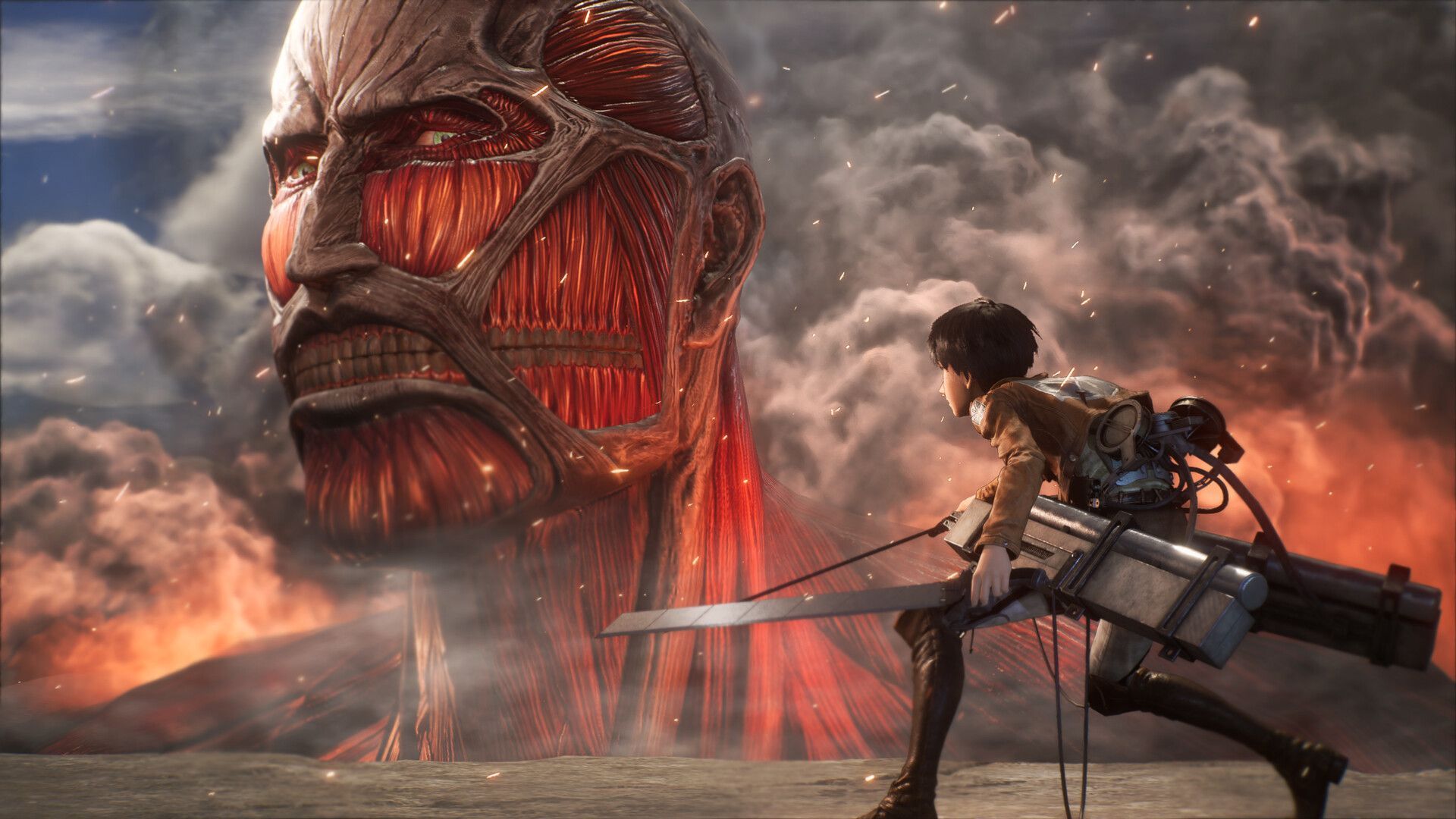
The gameplay footage demonstrates a significant overhaul to the physics of ODM gear. Players can now interact with the environment in ways that feel emergent rather than scripted. For example, the ability to topple buildings onto Titans or use debris to pin a target in place adds a "sandbox" element to the combat. It isn’t just about hacking at napes; it’s about managing the battlefield.
Progression and Customization
Progression is no longer limited to gear upgrades. The game features an extensive customization suite that allows players to tweak their equipment, from blade durability to the responsiveness of their gear’s gas thrusters. This level of granular control suggests that Koei Tecmo is listening to the core demographic—players who want to feel the weight and maintenance requirements of being a soldier in a post-apocalyptic world.
Official Responses and Developer Intent
In a statement accompanying the reveal, the development team emphasized their goal of "reimagining" rather than "recreating." According to the official Steam page, the game is designed to deliver a "fresh experience" even for those who have watched the anime multiple times.
"Iconic moments from previous titles have been completely reimagined," the statement reads, confirming that the team has gone back to the drawing board to ensure that even the most well-trodden plot points feel urgent and challenging. The inclusion of the Nine Titans as fully realized gameplay enemies is a massive selling point, intended to provide the kind of high-octane "boss rush" feel that fans have demanded since the series first aired.
The Implications: A New Benchmark for Anime Games?
The success of Attack on Titan 3 could carry significant weight for the future of anime-to-game adaptations. Historically, publishers have often viewed these games as secondary products, designed to capitalize on the popularity of an existing franchise rather than stand on their own merits as compelling interactive media.
Bridging the Gap Between Fan-Service and Gameplay
If Koei Tecmo can balance the narrative weight of the Attack on Titan story with the emergent gameplay of a modern action-RPG, they will have created a blueprint for future developers. The industry is currently observing a "golden age" of anime-influenced games—titles like Dragon Ball FighterZ and Persona 5 proved that these properties can be top-tier experiences. Attack on Titan 3 is aiming to prove that even the most complex, long-running narratives can be successfully distilled into a singular, high-quality gaming package.
The Competitive Landscape
Launching on the Switch 2, alongside current-gen consoles, places the game in a prime position for holiday season sales. It represents a significant investment by Koei Tecmo, suggesting a belief that the Attack on Titan brand still holds massive, untapped potential in the interactive space. If the game delivers on its promises, it will likely set a new standard for what fans expect from licensed media.
Final Reflections
The anticipation surrounding Attack on Titan 3 is palpable, and for good reason. By focusing on the fantasy of being a Survey Corps soldier—managing resources, leading a squad, and surviving against impossible odds—the developers are tapping into the core emotional hook of the series. While we must wait until this coming winter to see if the final product lives up to the promise of its reveal trailer, the direction taken by Koei Tecmo is undeniably promising.
Whether you are a die-hard fan of the anime, looking for the next great action game, or simply interested in the evolution of licensed properties in the gaming industry, Attack on Titan 3 is shaping up to be a defining release. It promises to be more than a simple tie-in; it aims to be an epic, and for the fans who have followed the Survey Corps since their first steps outside the walls, that is exactly what the series deserves.

