

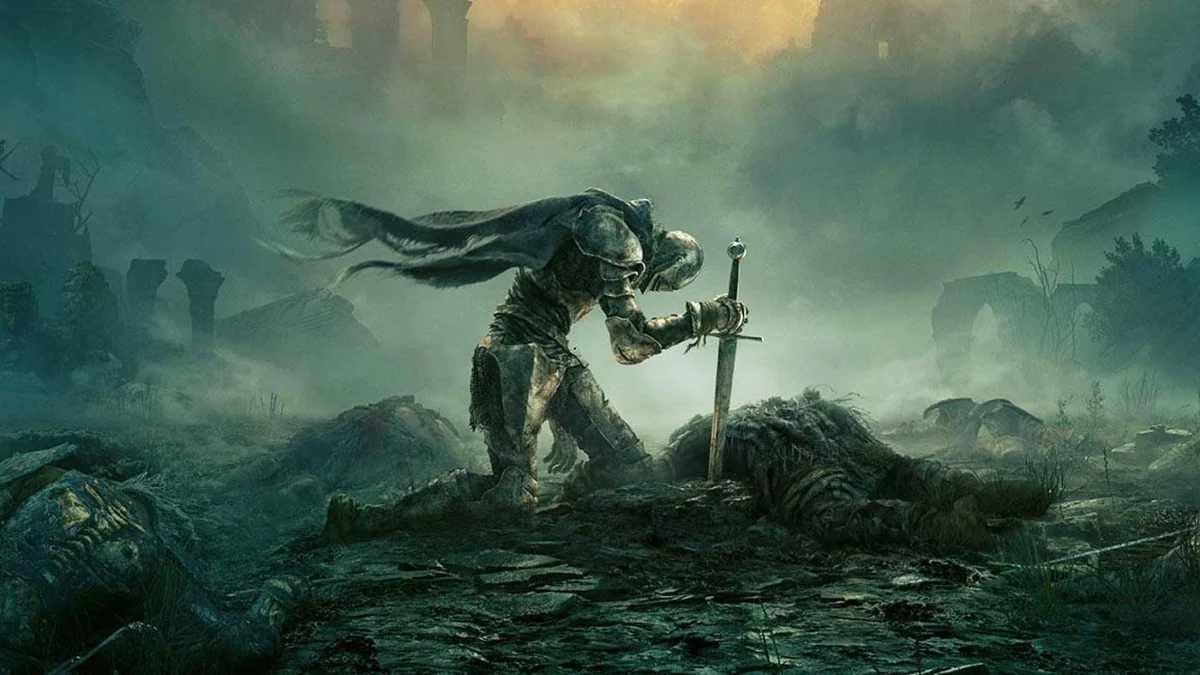
The gaming industry is currently witnessing a high-stakes boardroom drama at the heart of one of Japan’s most influential media conglomerates. Kadokawa Corporation, the parent company of the acclaimed developer FromSoftware, has emerged from its latest Annual General Meeting (AGM) with its leadership intact but its foundation visibly shaken. Chief Executive Officer Takeshi Natsuno has successfully fended off an aggressive push from activist investors to remove him from his post, yet the narrowness of his victory—and the sharp decline in shareholder confidence—suggests that the status quo at the entertainment giant is no longer sustainable.
The Core Conflict: A Question of Capitalization
At the center of this corporate friction is a fundamental disagreement over the stewardship of intellectual property. Oasis Management, a Hong Kong-based activist investment firm that currently holds an 11.89% stake in Kadokawa, has made no secret of its dissatisfaction. Oasis argues that Kadokawa has failed to adequately monetize the global phenomenon that is Elden Ring.
Since its release in 2022, Elden Ring has redefined the action-RPG genre, selling over 30 million copies as of April 2025. When combined with the massive commercial success of the Shadow of the Erdtree expansion—which moved over 10 million units—it is clear that FromSoftware is currently the "crown jewel" of the Kadokawa portfolio. Oasis Management characterizes the company’s inability to maximize the secondary and tertiary revenue streams from this franchise as a "material profit leakage."
In the eyes of the activists, FromSoftware’s creative excellence is being stifled by corporate inertia. While the studio has certainly expanded its footprint—notably with the 2025 release of the multiplayer-focused spin-off Nightreign, which has already sold five million units—investors like Oasis believe the parent company is leaving hundreds of millions of dollars on the table.
A Chronology of Corporate Intrigue
The current tension did not materialize overnight. It is the culmination of years of shifting power dynamics within the Japanese entertainment sector.
- 2014: Kadokawa Corporation officially acquires FromSoftware, a move that would eventually transform the publisher into a global powerhouse.
- 2022: The release of Elden Ring acts as a catalyst, causing Kadokawa’s gaming division to see a staggering 123% increase in revenue, effectively changing the company’s fiscal trajectory.
- March 2025: A seismic shift occurs in the ownership structure as Oasis Management surpasses Sony to become Kadokawa’s largest single shareholder, holding 11.89% compared to Sony’s 10.04%.
- June 2026: The Annual General Meeting serves as the showdown. While Natsuno retains his seat, shareholder support plummets from 90% to 59.68%, signaling that a significant portion of the company’s investors no longer trust his long-term vision.
- The Future (March 3, 2028): The anticipated release of the Alex Garland-directed Elden Ring film adaptation looms as a litmus test for the company’s ability to successfully execute high-profile multimedia expansions.
The Data Behind the Discontent
The numbers tell a story of a company caught between two worlds: the traditional, conservative management style of legacy Japanese media and the aggressive, growth-oriented expectations of modern global finance.
The most damning piece of data to emerge from the recent AGM is the 30% drop in shareholder support for CEO Takeshi Natsuno. In the world of corporate governance, a drop of this magnitude is a flashing red light. Institutional Shareholder Services (ISS), another prominent proxy advisory firm, explicitly weighed in on the matter, noting that while replacing an executive is a complex, time-consuming process, the current situation at Kadokawa warrants a change in leadership to protect the company’s long-term value.
Furthermore, the ownership structure is increasingly crowded. With Oasis Management (11.89%), Sony (10.04%), and Tencent (7.97%) all holding significant equity, Kadokawa is no longer an entity that can be steered by a single vision. Each of these stakeholders has different strategic priorities: Tencent seeks a stronger foothold in the Japanese market; Sony aims to integrate Kadokawa’s IP into the PlayStation ecosystem; and Oasis is strictly focused on immediate profit maximization.
Official Responses and Strategic Pivots
In the immediate aftermath of the AGM, Kadokawa management adopted a conciliatory tone, acknowledging the validity of the shareholders’ concerns. In an official statement, the company confirmed that it would initiate a comprehensive review of its management structure, executive compensation, and the viability of its medium-term business plan.
"We recognize that our shareholders are looking for greater transparency and a more robust strategy regarding our core intellectual properties," a representative stated. However, management has been careful not to commit to the wholesale changes demanded by Oasis, instead promising a "measured" approach to reform.
FromSoftware, for its part, remains focused on development. The success of Nightreign—the first time the studio has successfully navigated a spin-off of its "Soulslike" formula—has provided a buffer for the management team. It demonstrates that the studio can iterate on its success without losing the core identity that makes its games valuable in the first place.
The Implications: What Comes Next?
The implications of this boardroom battle extend far beyond the share price of Kadokawa.
1. The "Multimedia" Trap
The upcoming Elden Ring film, written and directed by Alex Garland, represents a high-risk, high-reward strategy. If the film is a critical and commercial success, it will vindicate the "wait and see" approach of current management, proving that Kadokawa is building a brand the right way rather than rushing into cheap cash grabs. If it fails, the activist investors will have all the ammunition they need to force a total leadership overhaul.
2. The Future of Independent Creativity
FromSoftware has flourished largely because of its unique, uncompromising development culture. There is a palpable fear among the gaming community that increased pressure from activist investors could lead to a "Disney-fication" of the studio’s output. Investors like Oasis often demand more frequent sequels, aggressive monetization, or cross-media exploitation—all of which could potentially dilute the quality that made FromSoftware a household name.
3. The Tug-of-War Between Giants
With Sony and Tencent holding significant stakes, the boardroom is effectively a proxy battleground for the broader "console war." Sony’s 10.04% stake is a defensive maneuver to ensure that FromSoftware’s games remain a key pillar of the PlayStation platform. Conversely, Tencent’s involvement suggests a desire for broader access to Japanese creative talent. Natsuno is currently caught in the middle, attempting to satisfy these competing global behemoths while simultaneously keeping the company’s original Japanese ownership group satisfied.
Conclusion: A Fragile Equilibrium
Takeshi Natsuno may have won the battle at the 2026 AGM, but the war for Kadokawa’s soul is far from over. With a sub-60% approval rating, the CEO is operating on borrowed time. To survive, he must prove that his strategy for the Elden Ring franchise—and the company’s broader portfolio—can satisfy the aggressive growth targets of activist investors without sacrificing the creative integrity that makes FromSoftware one of the most valuable assets in the gaming industry.
As the industry looks toward 2028 and the premiere of the Elden Ring feature film, all eyes will remain on the boardroom. The challenge is clear: Kadokawa must evolve into a modern, transparent, and profit-conscious conglomerate without losing the magic that makes its games worth playing in the first place. Whether Natsuno is the man to lead that transformation, or merely a stopgap until a new vision takes hold, remains one of the most compelling narratives in modern business.

