

For decades, the phrase "video game adaptation" was synonymous with creative disaster. From the campy, ill-fated Super Mario Bros. film of the 1990s to the disjointed narratives of the Resident Evil franchise, audiences had long conditioned themselves to expect disappointment. The common refrain among critics and fans alike was the backhanded compliment: "It’s good, for a video game adaptation."
However, the landscape of prestige television shifted dramatically with the arrival of Amazon Prime’s Fallout. By balancing the franchise’s signature dark humor, gruesome violence, and retro-futuristic aesthetic with a narrative that felt authentic to the source material, the series effectively dismantled the long-standing stigma surrounding game-to-screen transfers. But beyond the critical acclaim and record-breaking viewership, a vital question remained: What do the original architects of the wasteland—the developers and designers who built the world of Fallout—actually think of this televised reimagining?
The Architects’ Verdict: A Rare Stamp of Approval
Recent discourse from key figures behind the Fallout franchise suggests that the show has succeeded where its predecessors failed: it has captured the soul of the series without feeling like a clinical replica.
Tim Cain, the lead programmer and designer of the original 1997 Fallout, has been vocal about his appreciation for the show. Through his personal channels, Cain expressed genuine enjoyment of the series, though he noted a sense of bafflement regarding the vitriol and hyper-defensiveness often displayed by certain segments of the gaming community toward new interpretations of established IP.
More recently, Josh Sawyer—the director of Fallout: New Vegas and a legendary figure in the CRPG community—weighed in during an interview with the Human Can Opener podcast. Sawyer confirmed that he watched both seasons of the show as they aired, offering a perspective that balances professional critique with the enjoyment of a fan.
"I think it’s an amazing adaptation, honestly," Sawyer stated. He acknowledged the low bar for quality in the genre, noting that while he is aware of the skepticism surrounding such projects, he considers Amazon’s Fallout to be among the finest examples of the medium to date. For a director whose work on New Vegas is often held up by fans as the gold standard of the franchise, his endorsement carries significant weight.
Chronology: From Digital Code to Screenplay
The journey of Fallout from a turn-based PC classic to a live-action spectacle was a long, arduous process that spanned nearly two decades of rights acquisitions and stalled development projects.
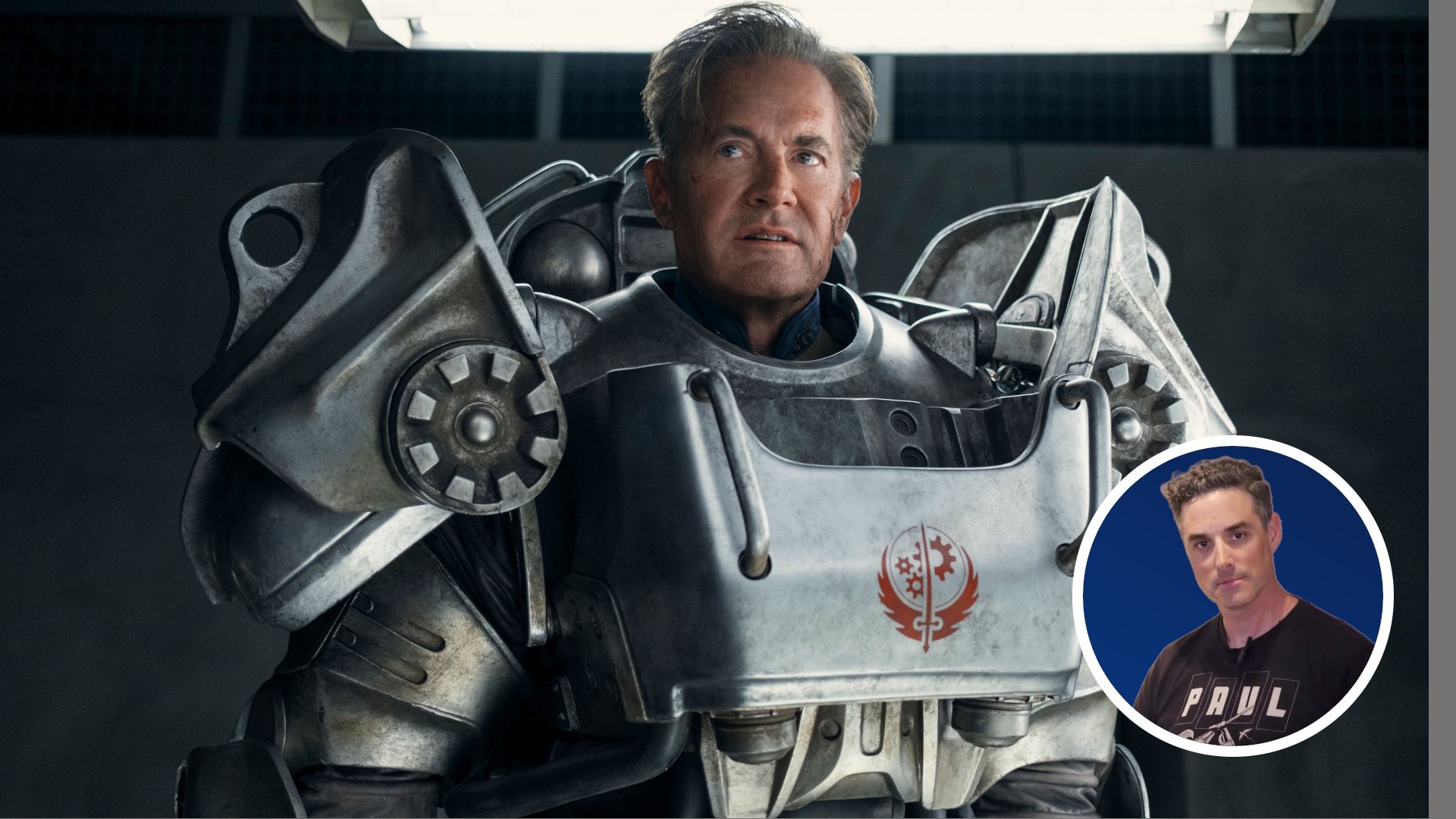
- 1997: The original Fallout is released by Interplay Productions, introducing players to a post-nuclear California and the iconic Vault-Tec aesthetic.
- 2004–2008: Bethesda Softworks acquires the Fallout IP, transitioning the series from isometric RPGs to the 3D first-person action-RPG format with Fallout 3.
- 2010: Obsidian Entertainment, led by Josh Sawyer, releases Fallout: New Vegas, which is widely praised for its branching narrative and deep political factions.
- 2020: Amazon Studios announces that Jonathan Nolan and Lisa Joy (creators of Westworld) are developing a television series based on the franchise.
- 2024: The first season of Fallout debuts to critical acclaim, followed quickly by the greenlighting of a second season.
Throughout this timeline, the franchise evolved from a niche computer game into a global pop-culture phenomenon. The transition to television necessitated a delicate balancing act: maintaining the "Bethesda-era" visual language while honoring the narrative depth established by the original Interplay and Obsidian teams.
The "Dinky the Dinosaur" Dilemma: Navigating Fan Expectations
One of the most fascinating aspects of the creators’ reactions is their level-headed approach to "lore accuracy"—an area where fans are famously unforgiving. A specific point of contention among the Fallout community was the depiction of Novac, a town featured in New Vegas. In the show, the iconic "Dinky the Dinosaur" landmark is physically oriented differently than it is in the game.
To an outsider, this is a trivial detail. To the Fallout fanbase, it became a flashpoint for accusations of "ignoring the source material." Josh Sawyer, however, offered a pragmatic perspective that stripped away the toxicity of the debate.
"I get why people get upset about that, but also the scene wouldn’t work at all [if Dinky’s orientation matched the game]," Sawyer laughed during the interview. He noted that the changes were made in service of the visual composition and the needs of the television medium, not as a slight against the game’s legacy. His willingness to dismiss these issues as "personal nitpicks" highlights a mature perspective: the show is an adaptation, not a direct simulation of the game’s geometry.
Official Responses and Creative Philosophy
The consensus among the original developers appears to be that the television show acts as a "guest" in their world. This philosophy is perhaps best summarized by Sawyer, who has stated in previous interviews that he does not feel a sense of ownership over how the franchise is depicted fifteen years after his involvement.
This professional detachment allows the creators to view the show with more nuance. While any writer or designer will instinctively watch a piece of media and think, "I wouldn’t have done it that way," the developers have largely opted to focus on the spirit of the show rather than the minutiae of the plot.
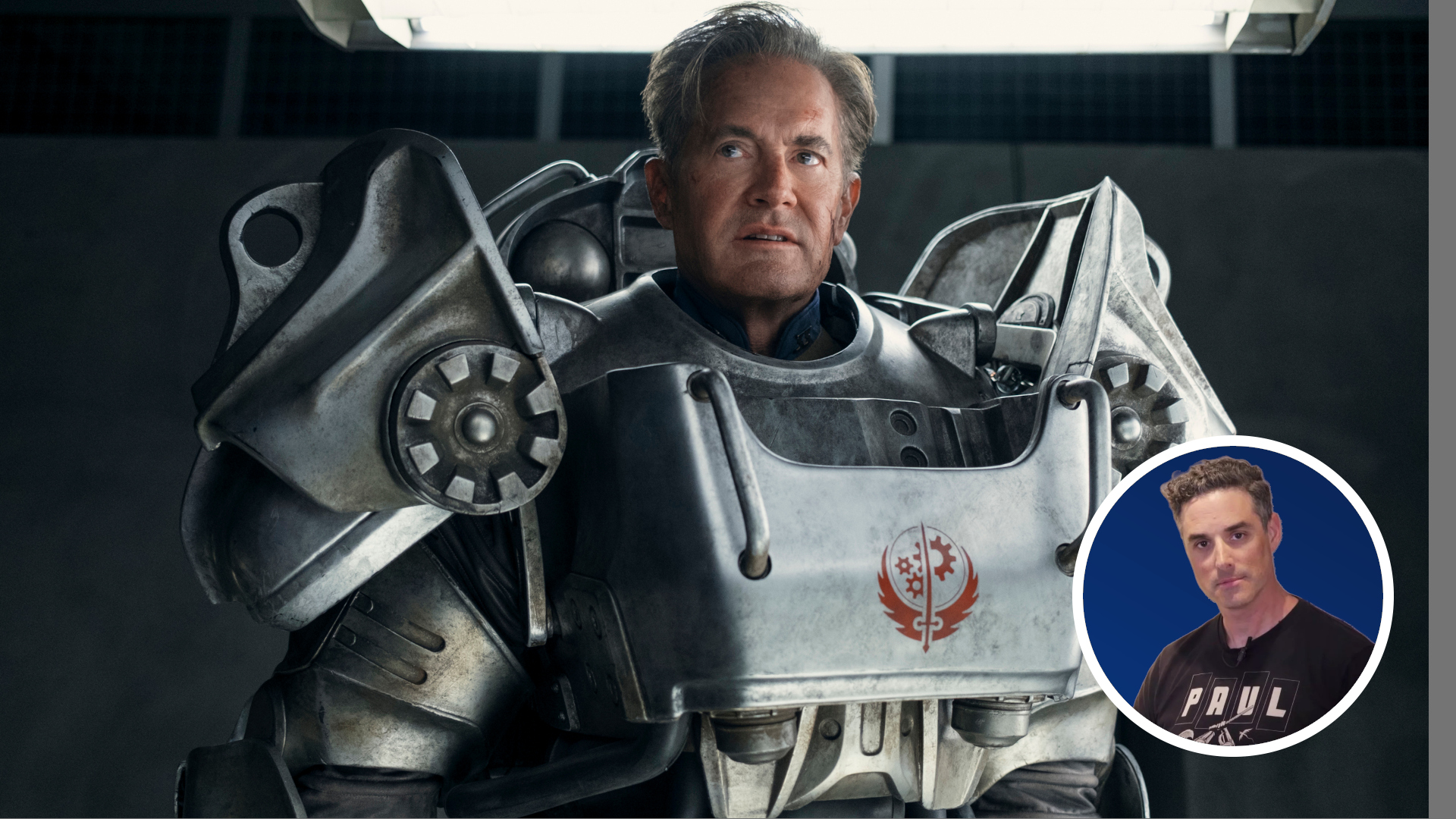
The inclusion of Justin Theroux’s character and the show’s interpretation of New Vegas factions further suggests that the creative team behind the series made a conscious effort to acknowledge the work done by Obsidian. By incorporating these elements, the showrunners validated the history of the franchise, which in turn fostered a sense of goodwill among the original creators.
Implications for the Future of Video Game Adaptations
The success of Fallout has profound implications for the industry. It proves that there is a massive, underserved audience for high-quality adaptations that respect the source material while utilizing the strengths of the television format.
Key Takeaways for Future Projects:
- Prioritize Atmosphere over 1:1 Accuracy: The Fallout show captures the feeling of the wasteland—the dark humor, the isolation, and the corporate satire—rather than getting bogged down in recreating every map coordinate or item placement.
- Respect the Legacy, but Embrace Change: The creators of the show clearly consulted the lore, but they were not afraid to make structural changes to ensure the narrative functioned as a television drama.
- Collaborative Spirit: By maintaining an open line of communication with the franchise’s original creators, the production team fostered an environment where the "old guard" felt comfortable supporting the project rather than feeling displaced by it.
As the industry moves forward, the "Fallout model" is likely to become the new standard. Developers, once protective of their digital creations, are seeing that when a show is handled with respect, it doesn’t diminish their work—it elevates it.
Conclusion
The reception of the Fallout series by its own architects serves as a final, decisive refutation of the idea that video games cannot translate well to the screen. By moving past the "good for a video game" trap, the Fallout show has set a new, higher bar.
Josh Sawyer and Tim Cain’s public endorsements are more than just polite gestures; they are a testament to a production that prioritized authenticity, narrative structure, and creative vision. As fans look toward future seasons and the inevitable influx of new gaming adaptations, they would do well to take a page from the developers themselves: enjoy the adaptation for what it is, recognize the necessity of change in a new medium, and perhaps stop worrying about which direction a concrete dinosaur is facing.
The wasteland is, after all, a place of change—and for the first time in history, that change has been a resounding success.

