

In the landscape of modern independent game development, few figures loom as large or as distinctively as David Szymanski. As the creative force behind Dusk—the definitive title that effectively galvanized the retro-FPS revival—Szymanski has spent the better part of a decade interrogating the DNA of the first-person shooter.
Yet, to categorize him merely as a "boomer shooter" developer is to ignore the breadth of his creative output, which ranges from the claustrophobic terror of the submarine-set Iron Lung to his mysterious, unannounced isometric project, B.U.G.B.I.T.E. Recently, we sat down with Szymanski for our Disk Cleanup series, peering into the Steam library of a man who approaches game design with the precision of a historian and the soul of a horror enthusiast.
The Formative Years: From Myst to Mayhem
Every developer’s trajectory begins in the quiet glow of a CRT monitor. For Szymanski, the path was paved not with high-octane twitch shooters, but with the atmospheric puzzles of the 1990s. While many of his peers were cutting their teeth on the frantic arenas of Doom or Wolfenstein 3D, a young Szymanski found his foundational spark in a different kind of first-person experience: Myst.
"That was the first game I remember really getting super into," Szymanski reflects. "Being able to enter another world and explore it in first-person—that was the hook."
This early fascination with spatial exploration and environmental storytelling would eventually bleed into his own work. After honing his craft on a series of experimental short-form horror games, he hit a career-defining milestone in 2018 with Dusk. The game wasn’t just a nostalgic nod to the mid-90s; it was a masterclass in modernizing the pacing and physics of the Quake and Doom era. The success of Dusk granted him the creative freedom to pivot, leading to the viral success of Iron Lung, a game that proved terror is often more potent when the player is stripped of their ability to fight back.
Currently, Szymanski is charting new territory. His upcoming project, B.U.G.B.I.T.E, represents his most cryptic venture yet. "The only consistency I have is that I keep changing what I’m doing," he admits. "I haven’t figured out a good, succinct way to pitch it to people because it’s not a very complicated game, but it also kind of is at the same time."
Chronology of a Gamer’s Library
When we delved into his current library, we found a collection that spans the spectrum from obscure "slavjank" titles to genre-defining epics.
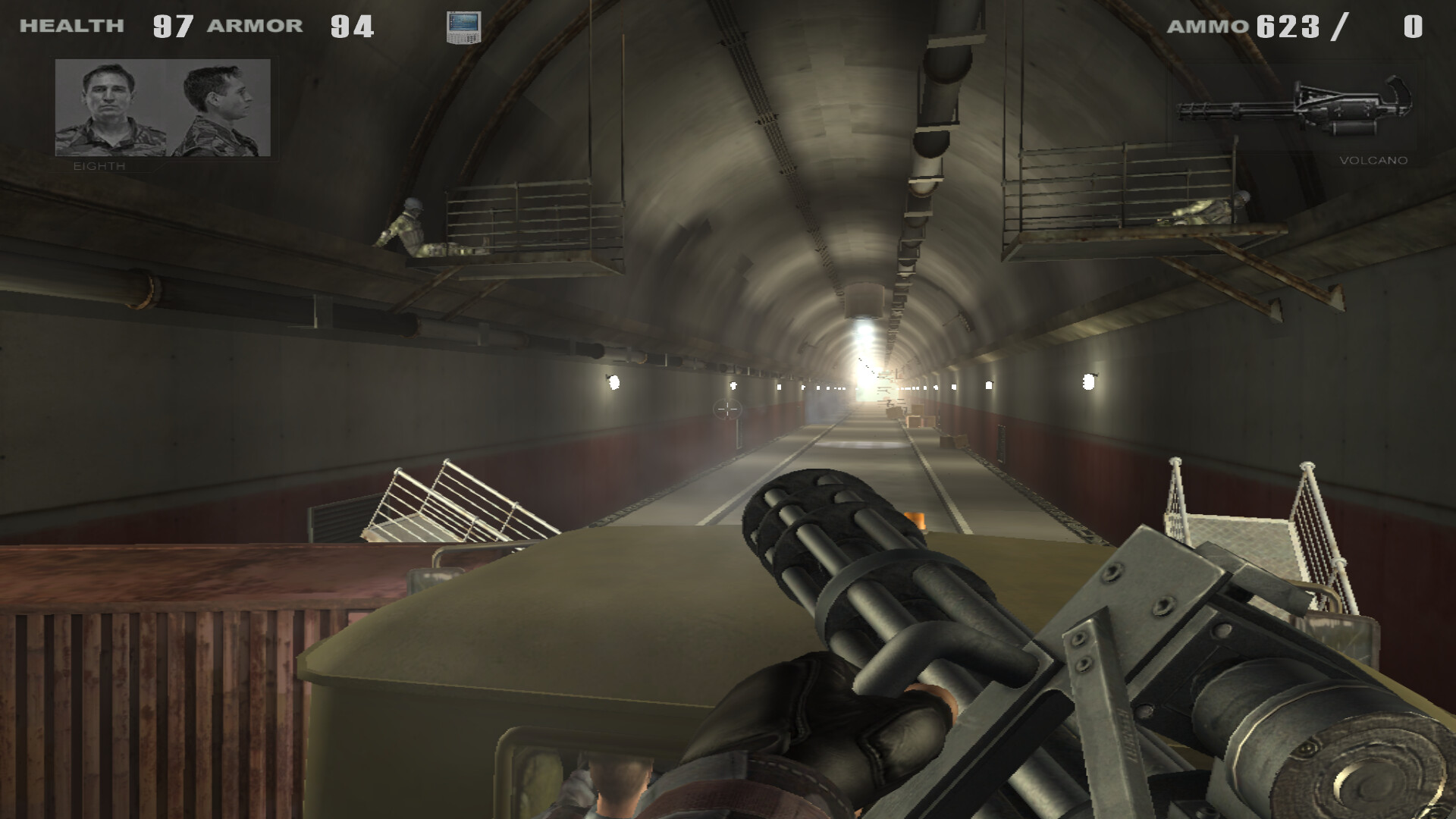
Currently, Szymanski is occupied with Instinct (2007). "It’s one of those slavjank games," he explains. "I got it in the Ultimate Slavjank Collection Bundle on Steam. It’s very barebones—you don’t even have a run button. You just walk through these linear Russian science facility hallways shooting zombies and evil guys with guns."
This appreciation for the "in-between" era of shooters—the period after the Doom clones of the 90s but before the Call of Duty 4 era codified the genre—is central to his design philosophy. He views the mid-2000s as the true "Golden Age" of the FPS, a time when developers were experimenting with mechanics before the industry settled into the rigid "brown and grey" military shooter template.

His play habits reveal a man who respects the medium but is easily distracted by the next innovation. He notes that his attention span for single-player games usually hits a wall around the 20-hour mark. "I have failed to finish games that I would consider some of the best things I’ve ever played," he says, noting that this is why he struggles with CRPGs despite his admiration for them.
Supporting Data: The Steam Snapshot
- Most Hours Played: Counter-Strike 2 (formerly Global Offensive) at 324 hours.
- Most Hours in a Single-Player Elden Ring at 186 hours.
- The "Comfort" Staple: Infra, a 30-hour puzzle-exploration game on the Source engine that he plays on a continuous loop.
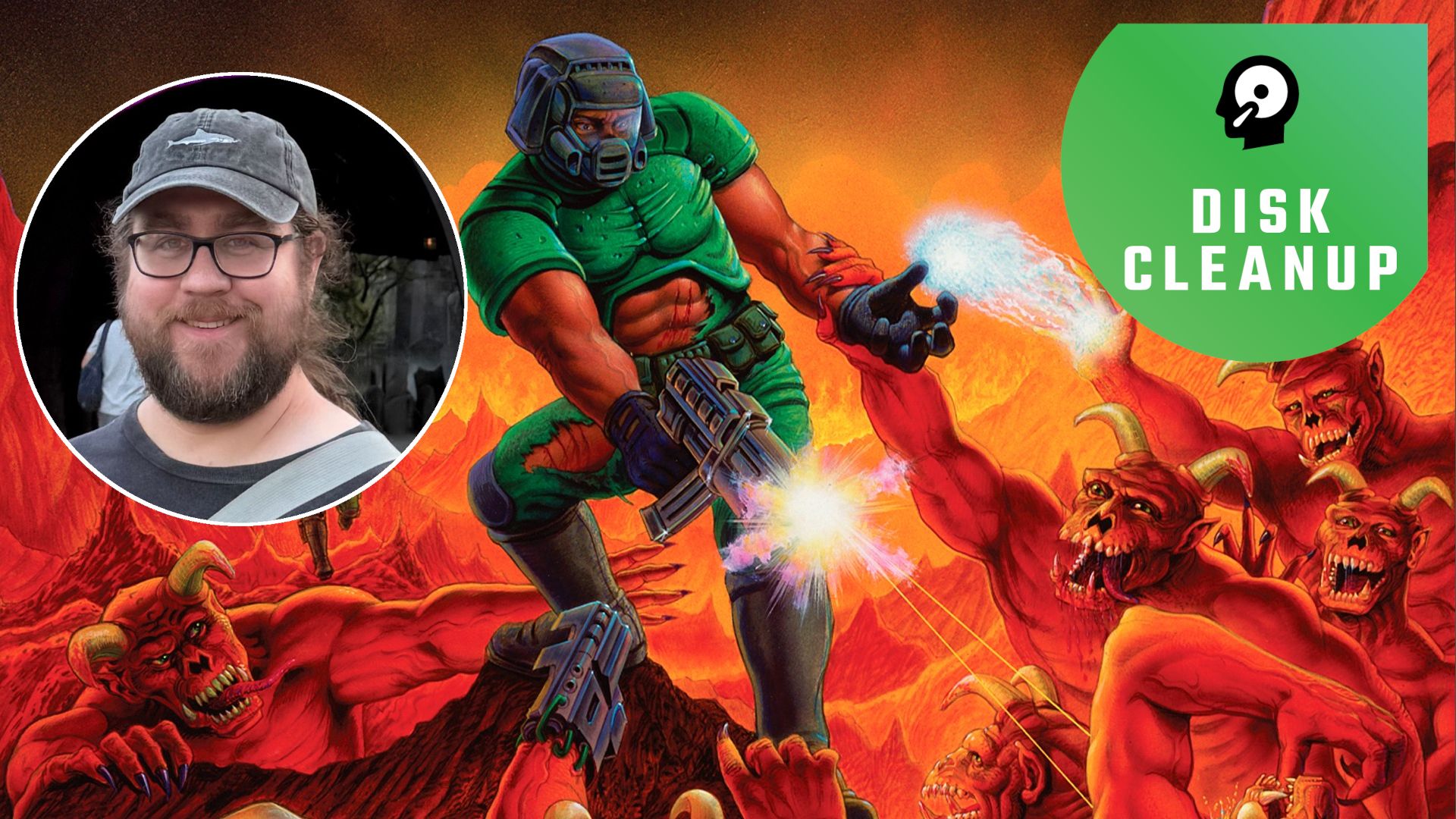
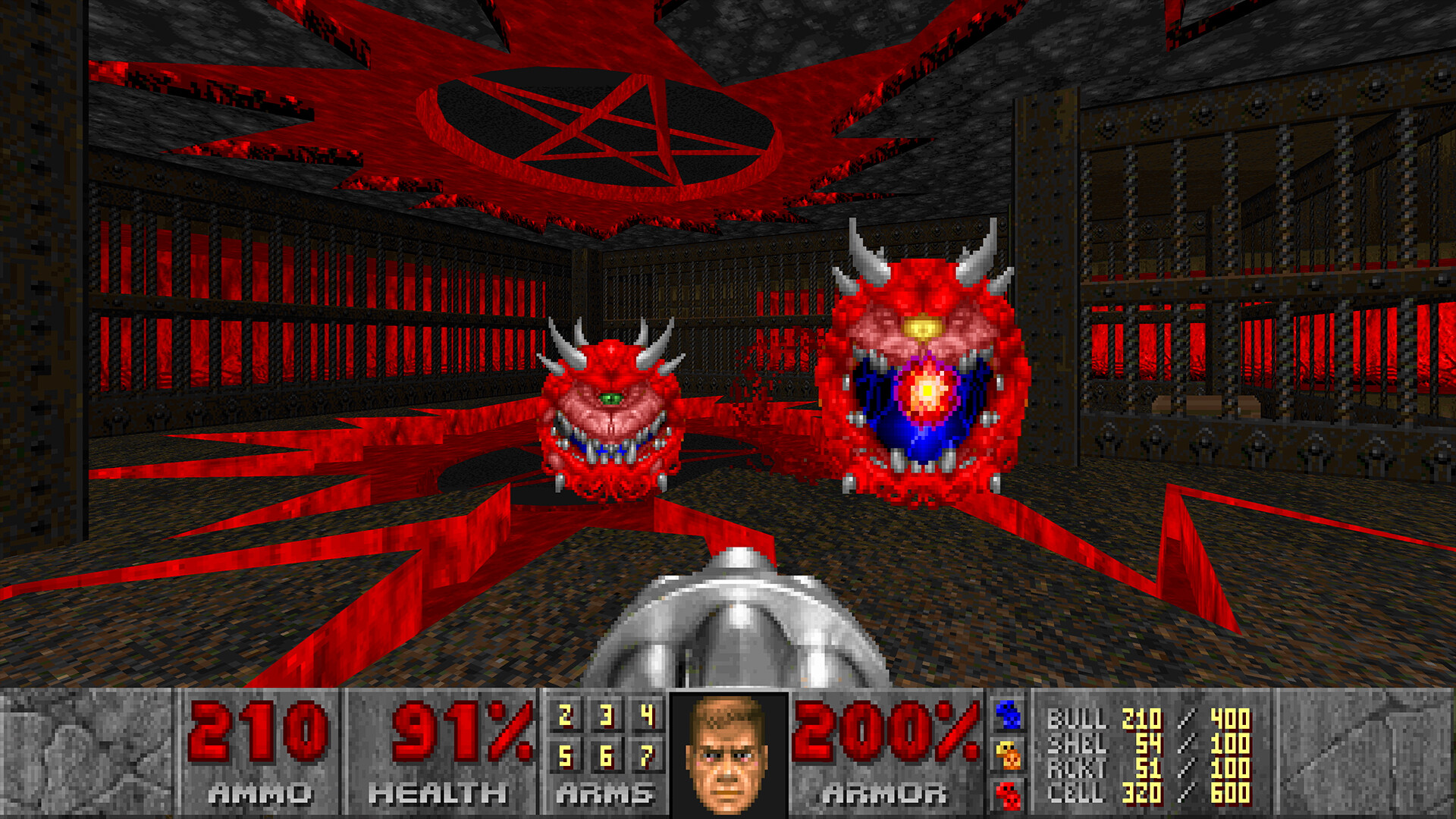
- Oldest Installed Game: Doom (1993), which he classifies as "objectively the best FPS ever made."
Szymanski’s record in Elden Ring is an anomaly in his library, yet it makes perfect sense given his design interests. He describes the game as a "greatest hits collection" of the Dark Souls series, a massive buffet of mechanics that resonated with him on a fundamental level.
Official Perspectives: The Philosophy of Design
When asked what he would never, ever uninstall, his answer points toward the pillars of the genre. "The boring answer is Doom and Quake," he says. But he adds Infra to that list for a more nuanced reason.
"It’s a 30-hour game in a genre of two-hour games. It’s so incredibly long. There’s always some puzzle or some area where you’re like, ‘Oh man, I forgot about this.’ It’s one of the most detailed Source engine games ever made—there’s a whole lot of hand-placed detail that stands out to me."
This focus on "hand-placed detail" is perhaps the most telling aspect of his own development style. Whether he is building a claustrophobic sub or a complex isometric environment, Szymanski values the deliberate, tactile nature of game spaces.
Regarding his non-gaming software, his loyalty remains with the open-source stalwart GIMP. Having never touched Photoshop, he has spent his entire career navigating the quirks of the software. "I’ve been using GIMP from even before I was a developer," he notes. "I just know this is the one I’ve used and it’s free, so I just kept using it."
Implications: The Future of the Indie Landscape
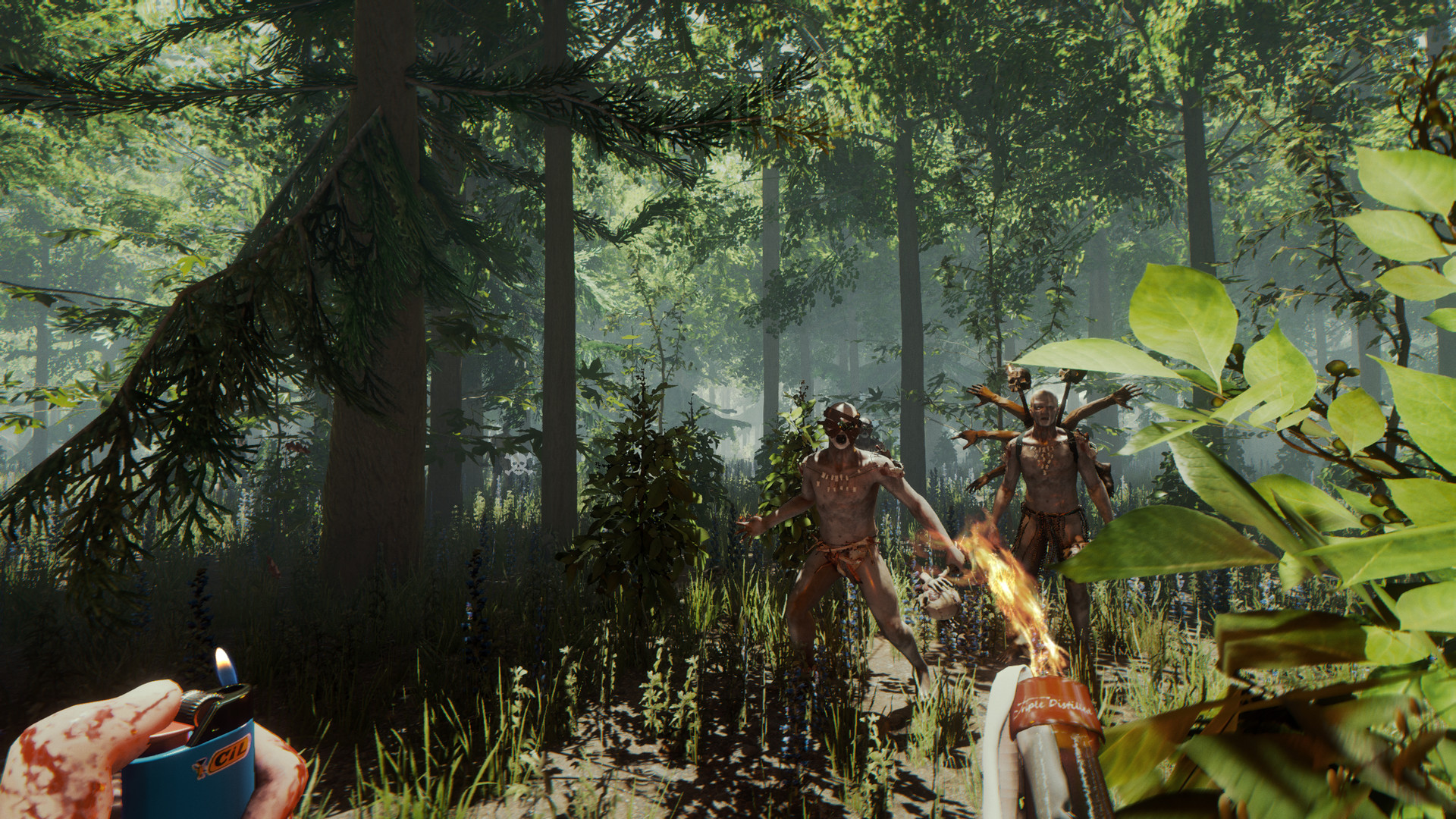
What can we learn from the digital habits of one of gaming’s most prominent independent voices? Szymanski’s trajectory highlights a growing trend among successful indie developers: the rejection of the "evergreen" service model.
His preference for games that have a distinct beginning, middle, and end—and his tendency to move on after 20 hours—mirrors the current market appetite for focused, single-player experiences like Pragmata, which he recently finished and praised as a high point of his year.
Furthermore, his desktop habits serve as a relatable metaphor for the creative process itself. "I started out saying that I wouldn’t have any icons on my desktop," he says. "And now I’m up to nine icons. Usually, it turns into an absolute dumpster fire of text documents and who knows what."
This "dumpster fire" of creative chaos is exactly where the magic happens. Szymanski is a developer who thrives on the tension between the structured, high-detail world of Infra and the chaotic, "goofy" horror of Doom. As he transitions from the high-octane FPS space into the isometric mystery of B.U.G.B.I.T.E, his library remains a testament to a designer who never stopped being a fan.
In a medium that often demands constant growth and infinite engagement, David Szymanski remains a refreshing outlier: a creator who values the finite, the weird, and the hand-crafted. Whether he is analyzing the ragdoll physics of a 2007 "slavjank" shooter or meticulously layering assets in GIMP, his work continues to challenge the industry’s status quo, proving that sometimes the best way to move forward is to look back at the chaotic, uncodified brilliance of the past.

