


The landscape of modern gaming is undergoing a seismic shift, driven not just by software innovation, but by the cold, hard economics of silicon. As the cost of high-end gaming hardware climbs, a new narrative has emerged from the halls of tech giants: that the future of the medium may lie not in the console beneath your television, but in the server farms of the cloud. Jeffrey Gattis, the head of Amazon Gaming, believes that the current "RAMpocalypse"—a period of extreme price inflation for memory and storage components—is creating a perfect, albeit unintentional, tailwind for the Amazon Luna cloud gaming platform.
The Anatomy of the RAMpocalypse
For years, the gaming community has operated on a relatively predictable hardware cycle. Consumers expected to drop a few hundred dollars every half-decade to stay current with the latest console generation or incremental PC upgrades. However, that equilibrium has been shattered. The current spike in RAM and storage costs—driven largely by the voracious appetite of AI infrastructure—has created a ripple effect that touches every corner of the consumer electronics market.
As specialized memory becomes increasingly expensive and prioritized for data centers rather than consumer gaming rigs, the price of entry for high-fidelity gaming is ballooning. Industry analysts have pointed to a "perfect storm" of supply chain constraints, soaring material costs, and the redirection of fabrication capacity toward AI-focused hardware. The result? The barrier to entry for the "hardcore" gaming experience has shifted from a modest investment to a significant financial commitment.
Chronology of a Shifting Strategy
Amazon’s journey into the gaming industry has been characterized by grand ambition and, at times, difficult pivots.
- The Early Expansion: Several years ago, Amazon entered the mainstream gaming arena with aggressive hiring and a commitment to large-scale, first-party AAA development. The goal was to build a vertically integrated gaming ecosystem.
- The New World Era: The company found its most notable success with the MMO New World. While the game attracted a significant player base at launch, it ultimately became a symbol of the difficulties Amazon faced in maintaining long-term, high-budget live-service titles.
- The Pivot to Luna: Following a series of layoffs and a strategic reassessment, Amazon made the difficult decision to pull back from several first-party AAA projects. Instead, the company recalibrated its focus toward Luna, its cloud-based streaming service, and the broader infrastructure that supports it.
- The Current Thesis: Today, under the leadership of Jeffrey Gattis, Amazon claims to have moved past its "experimentation" phase. The company has distilled its mission into a single, cohesive strategy: serving players who are increasingly priced out of the traditional hardware market.
Supporting Data: The $1,000 Barrier
The economic argument for cloud gaming rests on the assumption that hardware prices will not return to historical norms. Gattis, in a recent interview with The Game Business, highlighted the emergence of a new psychological and financial threshold for gamers.
"We saw the Steam Machine opening at $1,000," Gattis noted, referencing the failed early attempt to bring PC gaming into the living room. "We hear rumors about consoles, because of the RAM crisis, pushing up over $1,000 in Gen 10. So, I do think you get to a point at which more people will be in the consideration set for a cloud gaming solution, just because of the sheer cost of buying dedicated hardware."
This projection is supported by trends in the PC market, where memory prices continue to climb with no clear end in sight. When a console or a mid-tier PC requires a four-figure investment, the value proposition of a subscription-based streaming service like Luna—which functions on existing hardware like tablets, smart TVs, and older laptops—becomes significantly more attractive to the casual or semi-regular gamer.
Official Responses and the "Single Strategy"
Amazon’s leadership is acutely aware of the skepticism that has historically surrounded cloud gaming. For years, the industry viewed streaming as a "solution in search of a problem," as consoles remained affordable and accessible.
Gattis argues that the "problem" has finally arrived: the cost of the hardware itself. According to him, Amazon is no longer trying to replace the hardcore console experience for the enthusiast who values physical ownership and zero-latency performance. Instead, they are aiming to capture a demographic that is currently underserved—those who want to play high-end games but cannot justify or afford the "entry tax" of modern gaming hardware.
"For the first time in a long time, I feel like we have a single gaming strategy," Gattis said. "We understand what we’re doing, we understand what we’re not doing, and we’re executing against it."
The Content Conundrum: Can AI-Powered Snoop Dogg Save the Service?
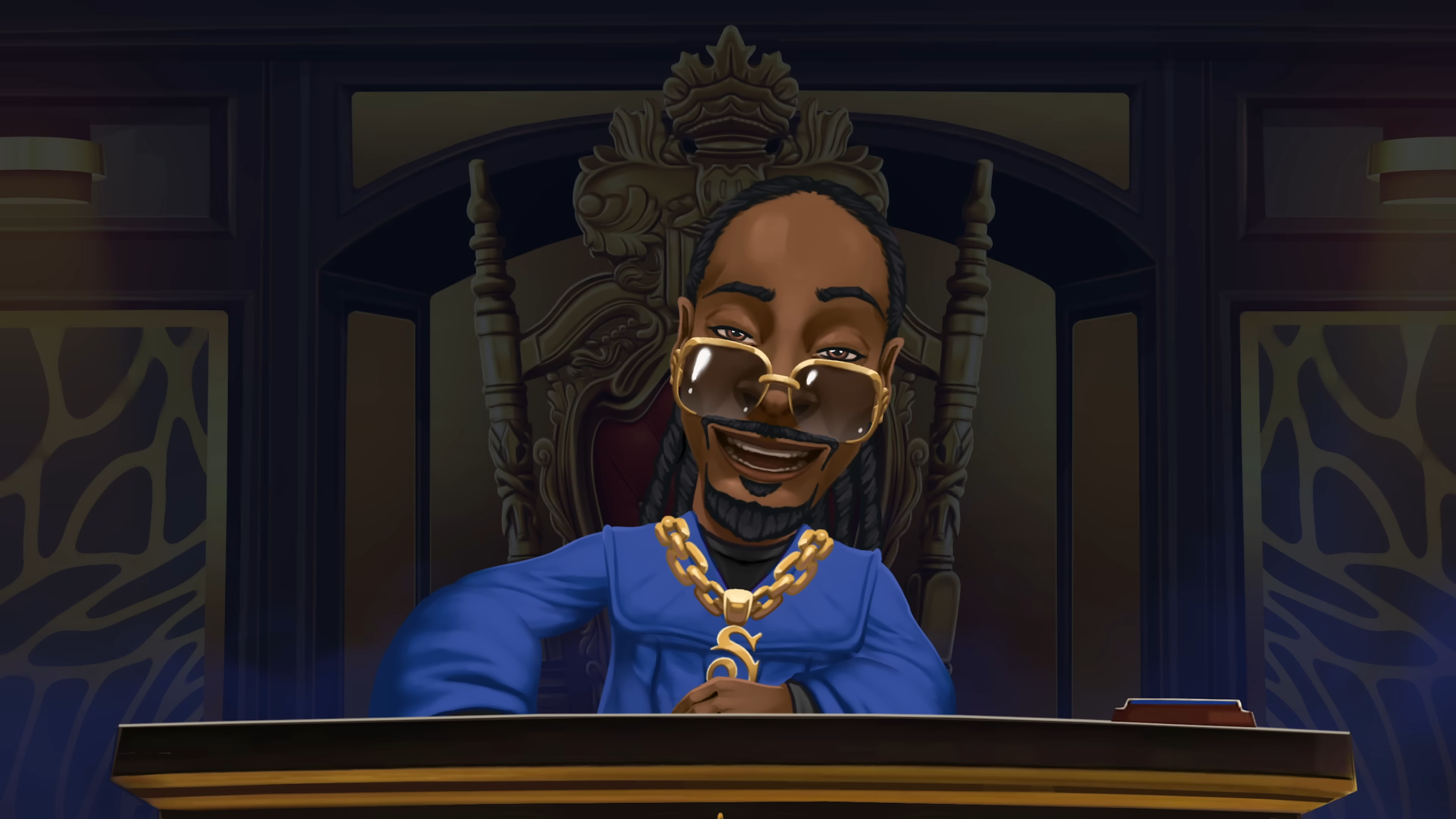
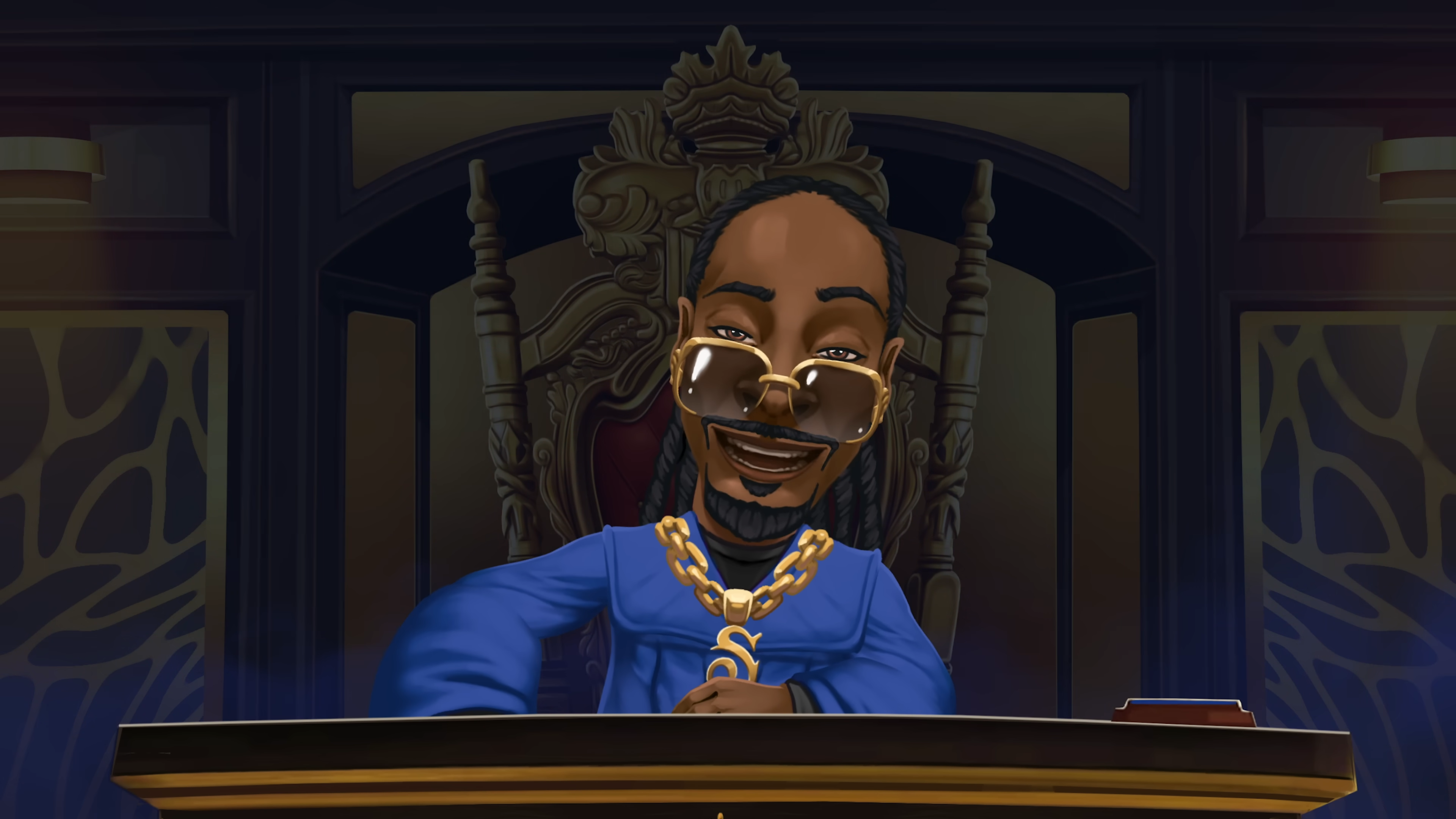
Despite the economic logic, Amazon faces a significant uphill battle regarding content. A platform is only as good as its library, and Luna has struggled to find a unique identity. Recent marketing moves, such as the promotion of an AI-powered Judge Snoop Dogg game, have been met with a mixture of amusement and concern from industry observers.
Critics argue that relying on gimmicky, AI-centric titles does not signal a robust, long-term commitment to quality gaming. However, Amazon maintains that they are working to onboard a wider range of publishers. The core pitch to these partners remains the same: Luna provides access to a segment of the market—people who do not own a PlayStation 5, an Xbox Series X, or a high-end gaming PC—that these publishers would otherwise never reach.
Implications for the Future of Gaming
The implications of Amazon’s thesis are profound. If the price of hardware continues to rise, we may see a bifurcated gaming market:
- The "Elite" Tier: A shrinking demographic of enthusiasts who continue to pay for premium local hardware, driven by high-fidelity requirements and a demand for low latency.
- The "Access" Tier: A massive, growing population of casual and "lifestyle" gamers who rely on cloud services to stream games to their existing devices.
However, the reality of infrastructure remains the "elephant in the room." As noted by many in the industry, cloud gaming is still beholden to the quality of a user’s internet connection. For those in rural areas or regions with unstable broadband, the "RAMpocalypse" does not lead to a cloud-based savior; it simply leads to fewer options.
Conclusion: A Gamble on Accessibility
Jeffrey Gattis is likely correct in his assessment that skyrocketing hardware costs will drive more users toward alternatives. Whether Amazon Luna can effectively capitalize on this shift depends on its ability to transcend its current perception as a "secondary" platform.
If Amazon can secure a library that appeals to more than just the curiosity of the internet, they may well find that the hardware crisis has done the heavy lifting for them. By lowering the barrier to entry, Amazon is betting that the future of gaming isn’t about owning the most powerful box, but about having the most reliable pipe. As the industry watches and waits, one thing is certain: the era of "cheap" gaming hardware is coming to an end, and the fight to define what comes next has only just begun.

