

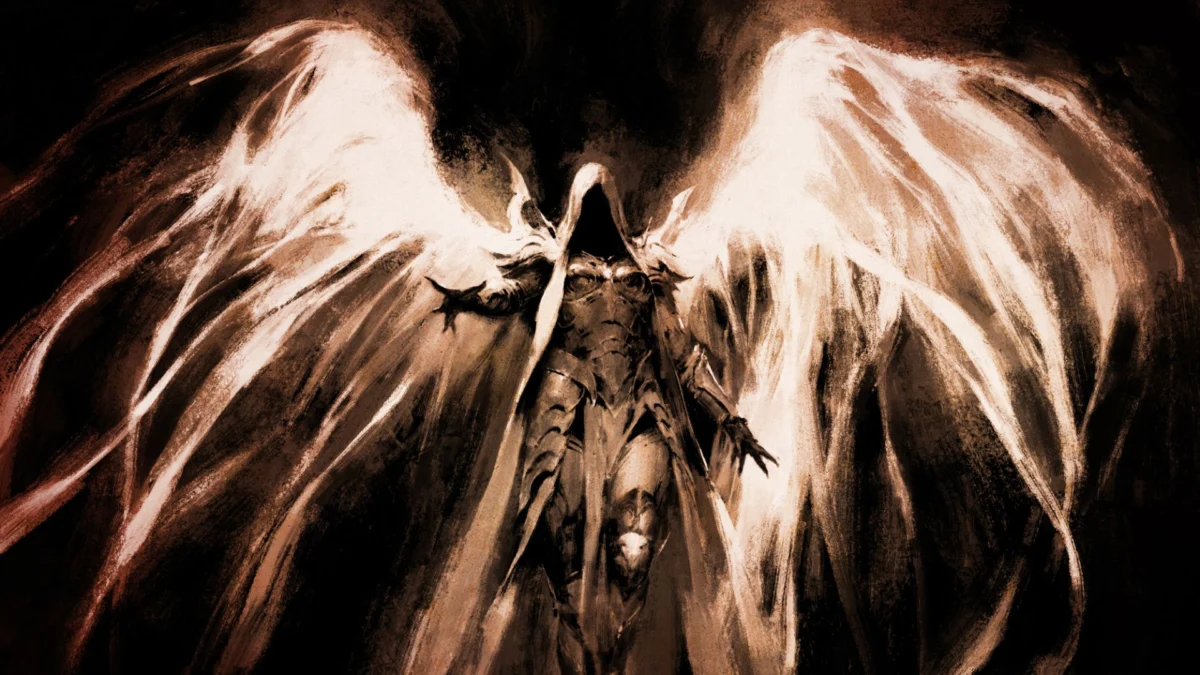
Despite the surprise announcement at BlizzCon earlier this month, the gaming world remains in a state of anticipatory limbo. Diablo 5 is currently projected for a 2029 release, leaving a three-year chasm between the initial teaser and the final product. While the initial reveal trailer offered a haunting, atmospheric aesthetic, it notably lacked gameplay footage, leaving fans to speculate on the mechanical evolution of the legendary ARPG franchise.
However, recent discussions with the development team—including game director Joe Shely—have begun to peel back the curtain on the design philosophy driving this next iteration. As Blizzard prepares to steer the series toward a new era, the focus has shifted from mere graphical fidelity to the fundamental "feel" of progression, specifically regarding how the game handles monster difficulty and the player’s sense of power.
The Core Conflict: Scaling vs. The Power Fantasy
At the heart of the ongoing discussion surrounding the Diablo franchise is the controversial mechanic of level scaling. In Diablo 2, the world was static; players moved through zones with defined difficulty levels. This created a tangible sense of growth—a player could return to an early zone as a demigod, obliterating foes that once posed a threat, serving as a visceral marker of their character’s evolution.
Conversely, Diablo 3 and Diablo 4 introduced dynamic scaling, where monsters match the player’s level in real-time. While this ensures that the open world remains consistently challenging and prevents low-level zones from becoming obsolete, it has faced criticism from long-time fans. Many argue that constant scaling erodes the "power fantasy" that defines the ARPG genre. If a level 50 hero struggles with the same types of enemies they defeated at level 10, the weight of their progression is diminished.
The Developer Perspective: A Pivot in Philosophy
During a group interview, director Joe Shely acknowledged the validity of these concerns, hinting that Diablo 5 intends to move away from the rigid scaling systems of its immediate predecessors.
"Diablo is a game that, in many ways, is about your character getting stronger," Shely explained. "When the monsters get stronger at the same time, especially outside of your control, it creates friction. You’ve filled the experience bar, you get stronger, you should feel awesome—a wave of light pulses out from you, a bunch of monsters die. That’s wonderful, but then you’re going to go hit some more monsters and you should feel powerful."
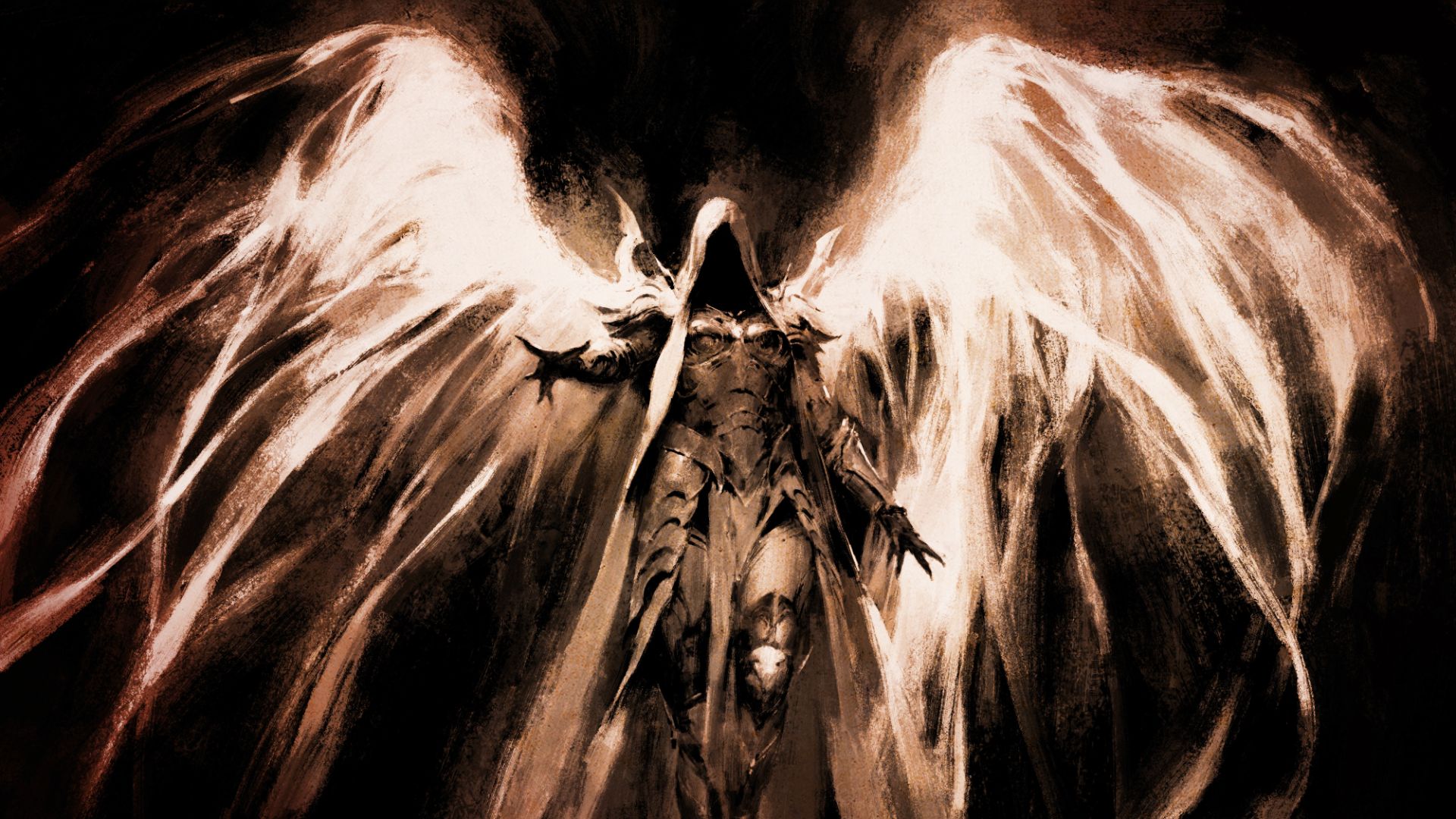
Shely’s acknowledgment that automatic scaling can "get in the way of that feeling" suggests that the team is actively experimenting with a hybrid model. By curbing the omnipresence of level-synced enemies, Blizzard appears to be aiming to restore the spikes of power that occur when a player secures a high-level legendary item or hits a significant talent milestone.
Chronology of Development and Expectations
The announcement of Diablo 5 is only the beginning of a long, iterative journey. Blizzard has confirmed that the game will enter a multi-year development cycle, with a focus on community transparency.
- November 2024 (BlizzCon): The official teaser trailer marks the first public confirmation of Diablo 5. Initial details reveal a narrative set in a post-apocalyptic version of Sanctuary, where the forces of Hell have effectively claimed victory.
- 2025–2026 (The Feedback Loop): Blizzard has committed to providing regular, incremental updates regarding the game’s progress. This period is expected to include developer diaries, potential alpha testing for select community members, and a transparent roadmap for core mechanics.
- 2027–2028 (Refining the Systems): The focus will shift to balancing the loot economy, class mechanics, and the integration of procedurally generated dungeons—a key return to the roots of Diablo 2.
- 2029 (Projected Launch): The target window for the game’s global release.
This timeline reflects a significant shift in Blizzard’s approach. By committing to an early announcement and a feedback-heavy development cycle, the studio is attempting to avoid the launch-day controversies that plagued previous titles, seeking to integrate player feedback on systems like level scaling long before the game reaches gold status.
Supporting Data: The Procedural Return
One of the most exciting technical revelations is the return of deep procedural generation. While modern Diablo titles have utilized RNG for dungeon layouts, the developers have stated that Diablo 5 will lean heavily into the Diablo 2 philosophy of environmental unpredictability.
This is not merely an aesthetic choice; it is a structural one. By ensuring that open-world zones and dungeons feel distinct every time they are traversed, Blizzard aims to solve the "static grind" problem. When the world is not perfectly synced to the player’s level, procedural variance becomes a tool for variety rather than just a way to hide a lack of content. The combination of unpredictable maps and non-linear power progression creates a high-stakes environment where exploration feels both dangerous and rewarding.
Implications for the Genre
The decision to pivot away from strict level scaling has massive implications for the ARPG landscape. In recent years, competitors like Path of Exile 2 have capitalized on the desire for "meaningful friction." In these games, the risk of running into an enemy that is fundamentally stronger than the player is part of what makes finding a "game-breaking" piece of loot so satisfying.
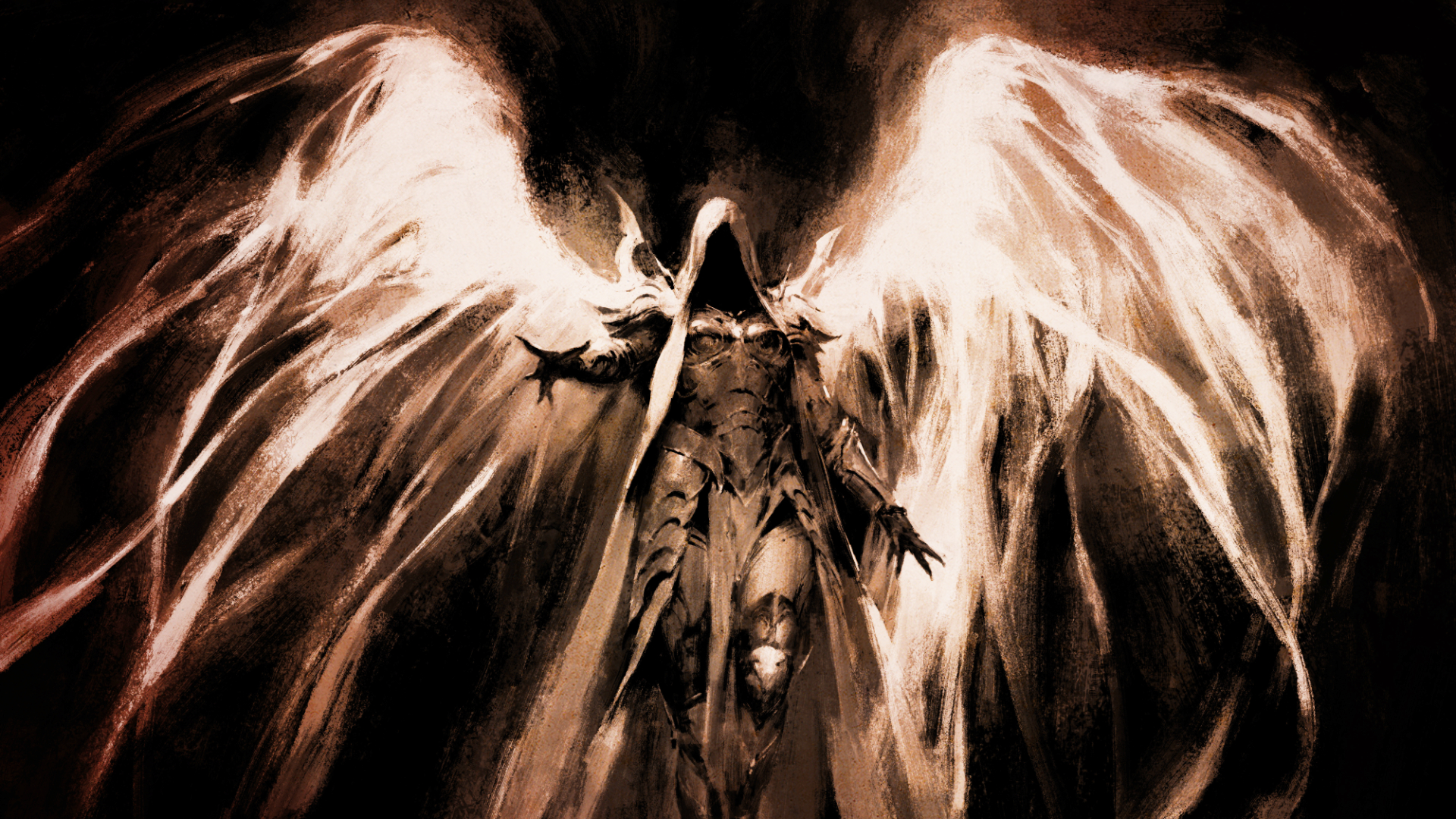
If Diablo 5 successfully implements a system where players can outgrow certain threats while still finding challenges in others, it could bridge the gap between the accessibility of modern ARPGs and the hardcore satisfaction of the genre’s classics. The narrative premise—a world where the demon lords have already won—further reinforces this. If the player is a survivor in a ruined world, the growth of their power should feel like a reclamation of territory rather than a simple treadmill of increasing numbers.
The Path Forward: Community and Iteration
Blizzard’s promise to incorporate feedback along the way is the most critical component of the next three years. The community’s reaction to Shely’s comments has been cautiously optimistic. Fans who have long requested a return to the "stat-heavy" and "world-defining" aspects of the older games now have a seat at the table.
However, the challenge for Blizzard will be balancing this desire for classic "power spikes" with the need for a modern, replayable endgame. Modern players expect endless content, which usually necessitates some form of scaling to keep the game fresh. Balancing the "god-like" feeling of early-to-mid-game progression with the "ever-present threat" required for a long-term endgame will be the primary technical hurdle for the development team.
As we look toward 2029, the identity of Diablo 5 remains a work in progress. It is a title that clearly recognizes the mistakes of the past while looking toward the lessons of the genre’s history. Whether or not Blizzard can successfully weave these disparate elements into a cohesive, rewarding experience will define not just the next entry in the series, but the future of the action RPG genre as a whole. For now, Sanctuary remains a dark, ruined place—but for the first time in a long time, the players have a voice in how that world will be rebuilt.

