

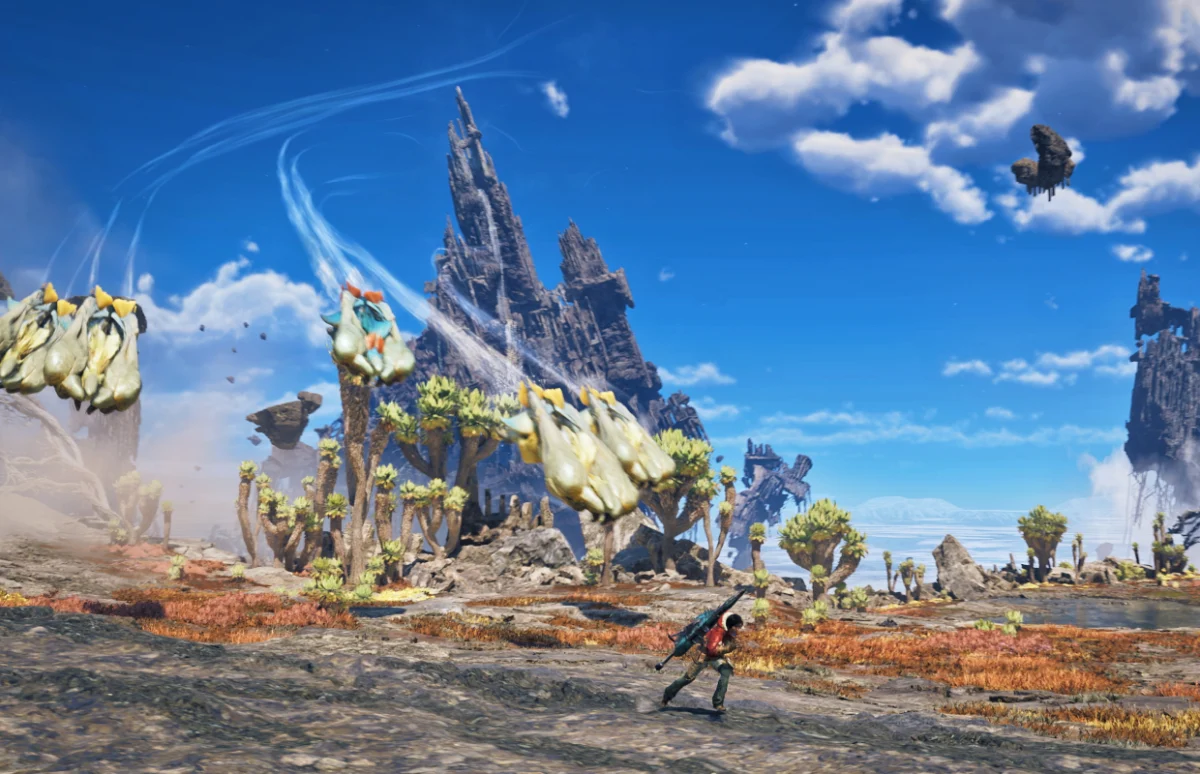
TOKYO — As the gaming industry converged on Makuhari Messe for the Tokyo Game Show 2026, the sprawling convention floor was dominated by anticipation for Capcom’s premier franchise. Heading into the event, the conversation surrounding Monster Hunter was divided into two distinct camps of curiosity: how the upcoming expansion, Monster Hunter Wilds: Ascendance, intended to address the divisive reception of the base game, and the technical sorcery required to bring the massive, open-world base game to Nintendo’s successor hardware, the Switch 2.
For veterans of the series who fell in love with the deliberate, heavy, and immersive ecology of Monster Hunter World, Wilds at launch felt like a departure—leaning away from ecosystem simulation and toward a different pacing entirely. With Ascendance, Capcom is signaling a distinct pivot, infusing the expansion with a faster, more arcade-oriented rhythm reminiscent of Monster Hunter Rise. Following an extensive hands-on preview session at TGS 2026, the contours of this new expansion are beginning to take shape, offering both excitement and cautious optimism for the community.
Main Facts: What We Know About Monster Hunter Wilds: Ascendance
Monster Hunter Wilds: Ascendance represents the inevitable massive G-Rank or Master-Rank expansion that traditionally defines the definitive Monster Hunter experience. Key takeaways from the TGS 2026 preview include:
- The Boost Bracer Mechanic: A new signature tool that rewards aggressive play by accumulating charges through successful attacks. Once filled, players can execute a special flourish using an R2, Triangle, and Circle input combination, entering a powered-up state for roughly 30 seconds that increases motion values and fundamentally alters specific attack attributes.
- New Additions to the Roster and Environment: The preview introduced hunters to the Alpha Araketa, a novel Bird Wyvern that utilizes wing-mounted air pockets for high-speed aerial mobility (earnestly dubbed a "diet Valstrax" by attendees), alongside a brand-new hunting map, the Skybound Eyrie. Returning series staple Teostra also featured with enhanced mechanics borrowed from Monster Hunter Rise: Sunbreak.
- Multi-Platform Launch Window: Ascendance is slated to launch simultaneously across PlayStation 5, Xbox Series X|S, PC, and the Nintendo Switch 2, aligning with the base game’s expanding ecosystem.
Chronology of the Preview: From the Bracer to the Blast Furnace
The TGS 2026 hands-on experience was meticulously structured, giving journalists roughly an hour with the Ascendance expansion before pivoting to a brief technical showcase on portable hardware.
The Rhythm of the Hunt: Mastering the Boost Bracer
The centerpiece of the Ascendance preview was undoubtedly the Boost Bracer. Unlike previous mechanical additions—such as Monster Hunter World: Iceborne’s Clutch Claw, which fundamentally altered how players interacted with monsters through mandatory wall-bangs and tenderizing, or Wilds’ own baseline Focus Mode—the Boost Bracer acts as a non-intrusive multiplier to existing combat flows.
Over the course of a hunt, landing consecutive strikes fills a dedicated gauge. The implementation avoids feeling like a chore; it is entirely up to the player to decide when to cash in these reserves. Activating the boost grants a brief 30-second window of empowered movesets. For Greatsword users, executing an offset counter while boosted triggers a dramatic aerial follow-up strike, bearing a striking resemblance to the beloved Aerial Style from Monster Hunter Generations.
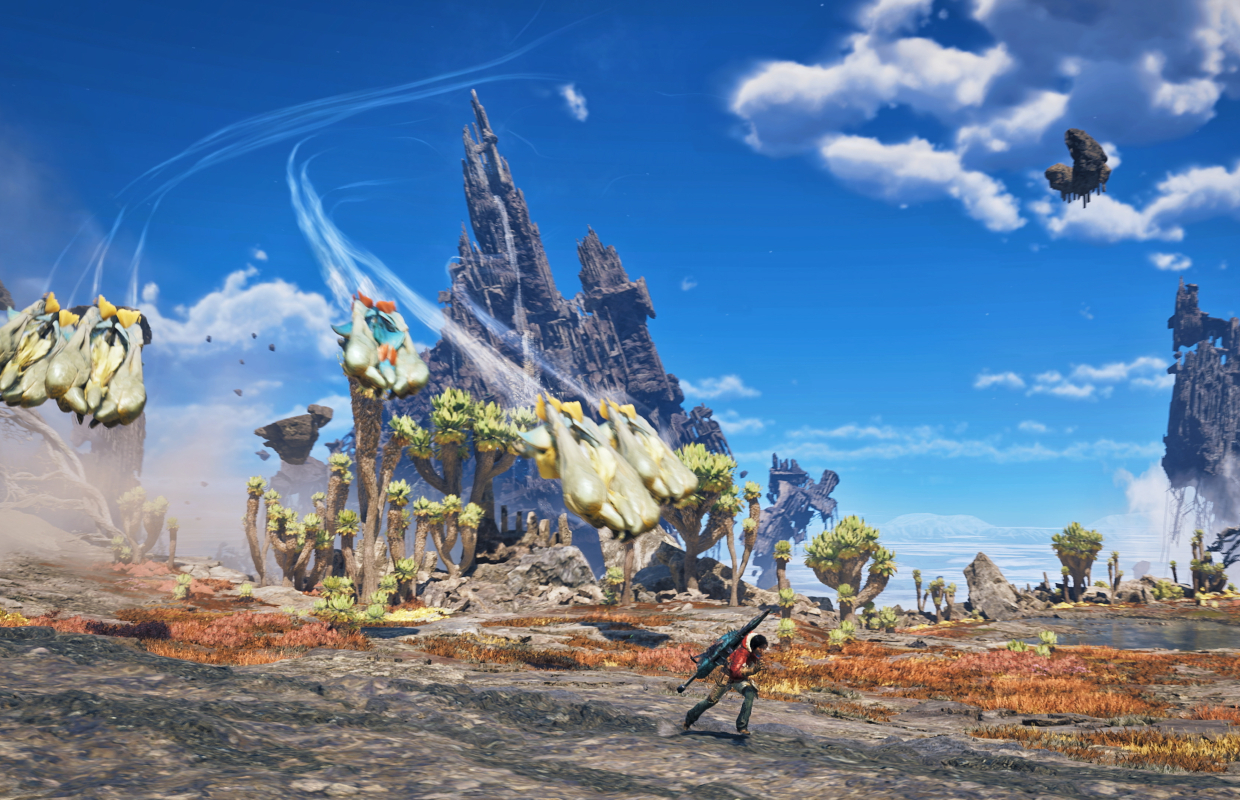
In practice, the system feels less like an obligatory systemic hoop to jump through and more like a tactical pressure valve. It rewards mastery of weapon pacing while injecting a flashy, arcade-like cadence into encounters—a clear nod toward the design philosophy that powered Rise.
Facing the Fauna: Alpha Araketa and Teostra’s Return
The demo pitted players against two distinct challenges within the verticality of the new Skybound Eyrie map.
First was the Alpha Araketa. As a fresh addition to the avian wyvern classification, its reliance on air pockets to zip across the arena provided a refreshing, fast-paced skirmish that tested target tracking and aerial awareness.
The second encounter proved to be a deliberate challenge thrown down by Capcom’s development team. During previous previews for the base game of Wilds, media attendees notoriously dispatched high-tier benchmark monsters with relative ease. Capcom clearly took notes. Armed with a strict 20-minute time limit, players faced a revitalized Teostra. While aggressive tactics managed to push the iconic Elder Dragon into a limping state by the second attempt, the merciless clock ran out just shy of the hunt’s conclusion. Teostra’s move pool has visibly expanded, incorporating aggressive zoning tools and flame-burst patterns heavily reminiscent of its Sunbreak iteration. While engaging, it left some attendees yearning for a completely novel Elder Dragon rather than a familiar face with new tricks.
Supporting Data: Bringing Next-Gen Scales to the Switch 2
Following the expansion preview, attention shifted to the second major hardware inquiry of the show: how Capcom successfully ported the demanding base game of Monster Hunter Wilds to the Nintendo Switch 2.
The hands-on session provided a rigorous 30-minute test of the portable handheld mode, featuring a hunt against the swift Seregios. While acknowledging that the port is still several months away from final optimization, the early technical profile reveals notable compromises and successes:
- Visual Fidelity: Visually comparable to recent ambitious conversions on the hardware, such as Dragon’s Dogma II: Dark Arisen on Switch 2. It cannot compete with the raw power of dedicated high-end PC handhelds like the MSI Claw, but assets, lighting geometry, and environmental density remain remarkably intact.
- Performance Targets: The game targets a 30 frames-per-second cap in handheld mode. While an uncapped option exists for future hardware iterations, testers strongly recommend keeping the 30 FPS cap enabled.
- Stability: Minor, intermittent dips below the 30 FPS target occurred during high-intensity moments against Seregios, though these performance stutters fall well within acceptable parameters for portable action RPGs historically.
Data regarding docked performance was unavailable during this initial briefing, leaving television-mode metrics for subsequent evaluations closer to launch.
Official Responses and Developer Philosophy
While formal panels at TGS 2026 focused primarily on mechanical showcases, developer commentary surrounding Wilds: Ascendance points toward a deliberate recalibration of the franchise’s identity.
The mixed reception to Monster Hunter Wilds at launch centered largely on its heavy commitment to immersive environmental physics, tracking, and slower, more methodical positioning—elements heavily inherited from World. By introducing systems like the Boost Bracer and accelerating monster recovery windows, the development team is actively listening to a vocal segment of the fanbase that gravitated toward the responsive, high-octane mobility of Rise.
Rather than doubling down strictly on simulation, Capcom appears to be constructing a hybrid middle ground: retaining the grand scale and ecosystem breadth of Wilds while injecting arcade-leaning mechanics that satisfy players looking for faster feedback loops and flashier combative expression.
Implications for the Industry and the Franchise
The announcements and hands-on impressions from Tokyo Game Show 2026 carry significant weight for both Capcom and the broader action-RPG landscape.
- Bridging the Divide: If Ascendance successfully marries the expansive world design of Wilds with the snappy, rewarding combat loops of Rise, Capcom will have effectively appeased two warring factions within its community—those demanding immersion and those demanding mechanical velocity.
- The Switch 2 as a Viable Third-Party Platform: The successful scaling of Monster Hunter Wilds to Nintendo’s next-generation platform proves that modern, graphically intense RE Engine titles can find a home on hybrid hardware without catastrophic downgrades. This bodes exceptionally well for third-party support moving into the latter half of the decade.
- Market Longevity: With simultaneous multi-platform support planned for PlayStation 5, Xbox Series X|S, PC, and Nintendo Switch 2, Ascendance is positioned to maintain a unified, highly active global player base upon its release, cementing Wilds as a long-tail pillar for Capcom’s financial portfolio.
As the months tick down toward the official launch of Monster Hunter Wilds: Ascendance, hunters worldwide will be watching closely to see if Capcom can stick the landing on both its grand expansion and its most ambitious portable port to date.

