

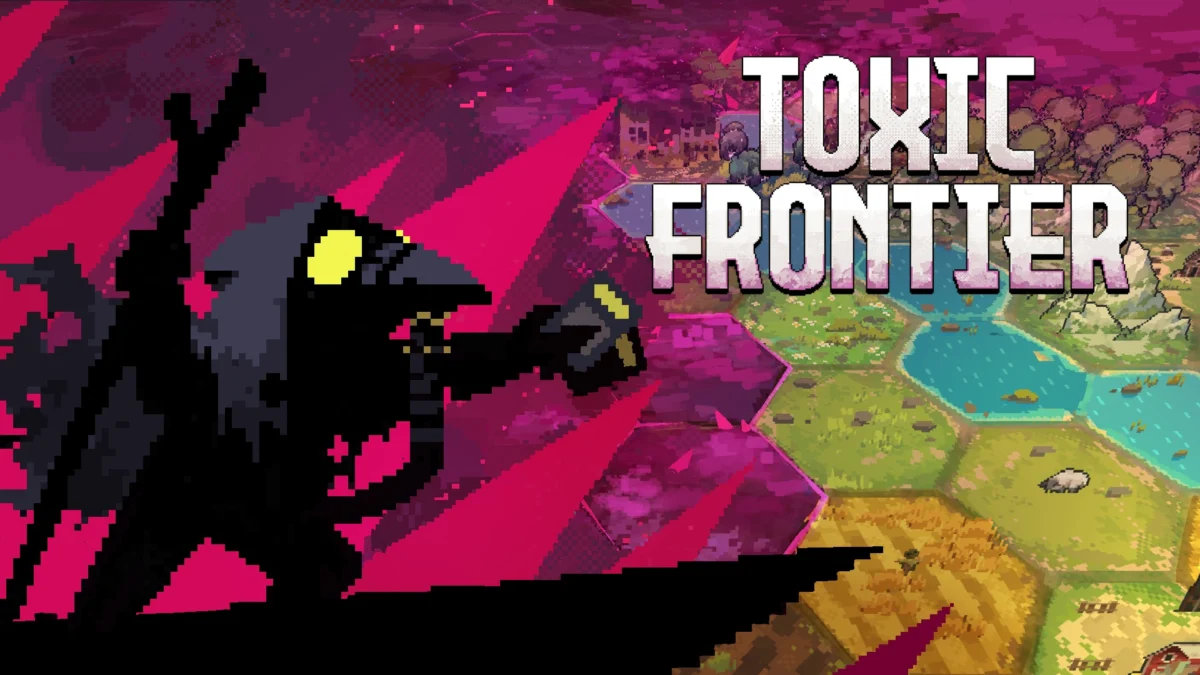
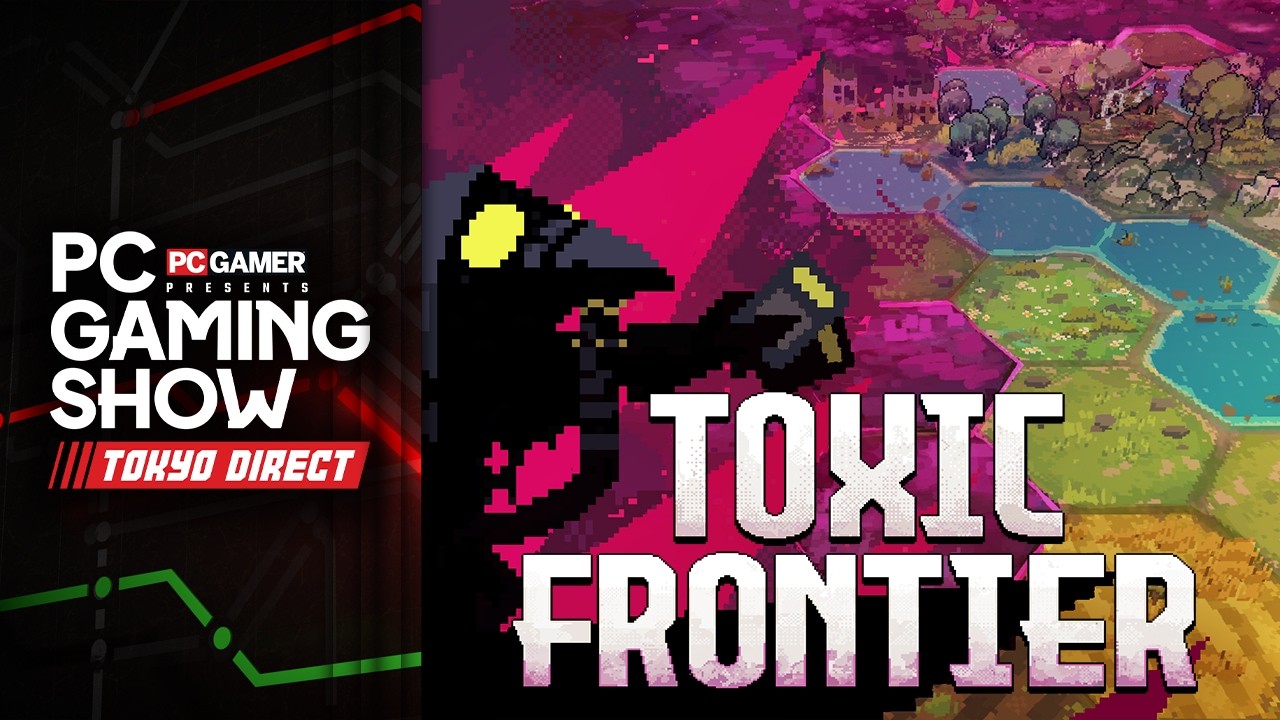
The intersection of classic tabletop mechanics and gritty post-apocalyptic survival has yielded some of the most compelling strategy experiences in recent years. During the highly anticipated PC Gaming Show Tokyo Direct 2026, developers pulled back the curtain on a brand-new title that blends these genres in an unexpected way: Toxic Frontier.
A card-based roguelike city builder set within a radioactive, fog-choked wasteland, the game immediately captured the attention of strategy enthusiasts. Combining the spatial puzzle elements of hexagonal grid building with the high-stakes resource management of a survival roguelike, Toxic Frontier promises to challenge players to rebuild civilization one card at a time—while constantly fighting back the horrors that lurk just beyond the mist.
Main Facts: What is Toxic Frontier?
Toxic Frontier is an upcoming single-player strategy title developed for PC, utilizing a unique blend of card mechanics and hexagonal grid-based city building.
- The Core Gameplay Loop: Players are dealt a variety of infrastructure and terrain cards—ranging from standard villages and dense forests to towering mountains, serene lakes, and grazing sheep—which they must strategically place on a hex-based map.
- The Setting: Set on a hazardous, radioactive frontier, players must push back the dense, toxic fog to expand their territory, unearthing hidden resources and dangerous threats alike.
- The Roguelike Elements: Each level features semi-randomized objectives that must be completed using a strictly limited deck of cards. Efficient placement yields points, which in turn unlock subsequent cards, demanding meticulous planning and combo-driven optimization.
- Current Status: Revealed globally during the PC Gaming Show Tokyo Direct 2026, the game currently does not have an official release date, but it is available to wishlist on Steam.
Chronology of the Reveal and Early Impressions
The journey of Toxic Frontier from concept to public showcase culminated on the digital stage of the PC Gaming Show Tokyo Direct 2026. Prior to its formal announcement, early playtesters reported a steep learning curve characterized by initial confusion followed by intense, compulsive engagement.
"When I first heard about this card-based roguelike city builder, I was confused," noted early playtesters from the production team. "Then I played a round. And another. And another. And another. And before I knew it far too much time had passed and I was absolutely hooked."
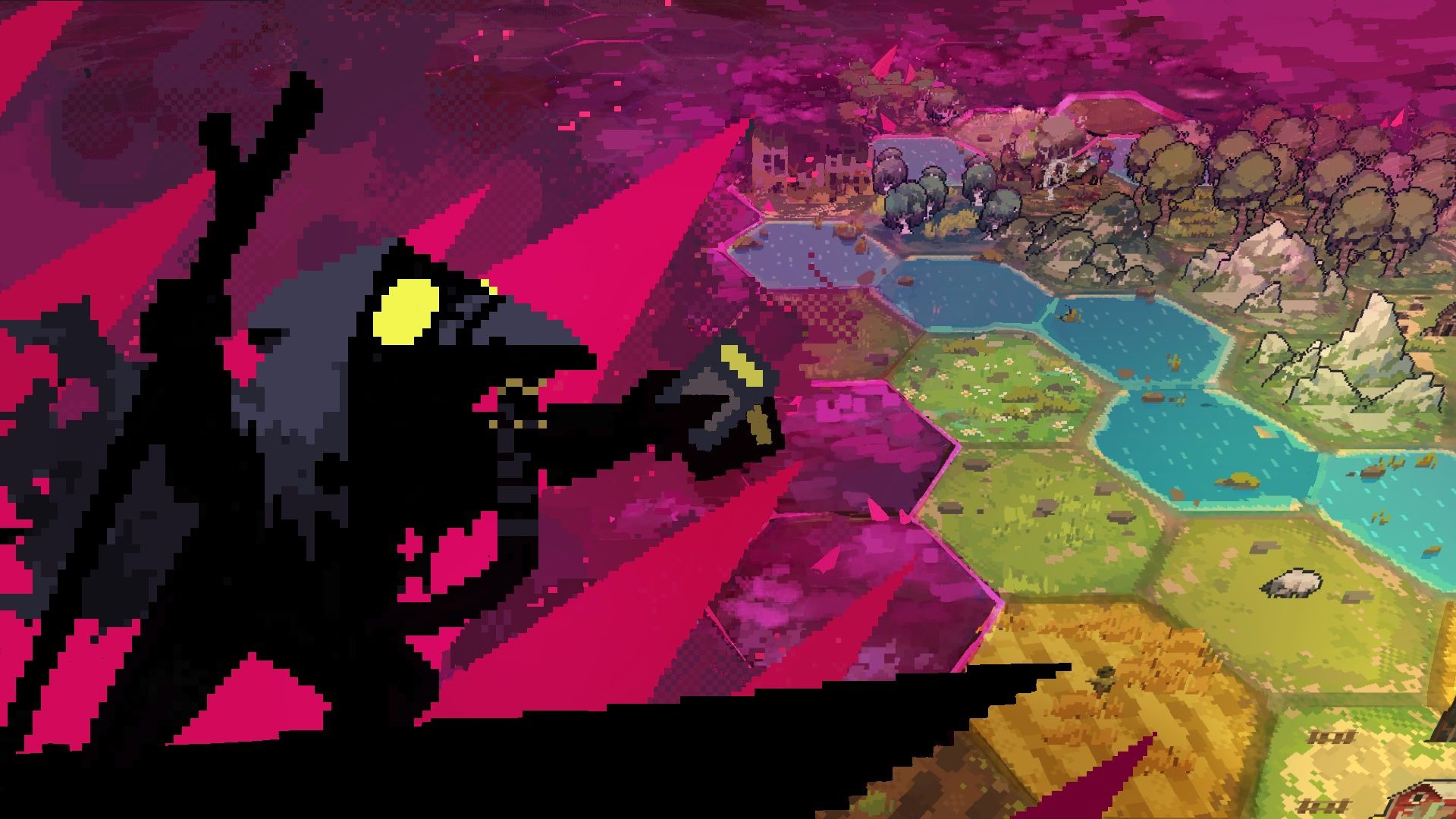
The world premiere trailer, broadcasted globally during the Tokyo Direct event, offered viewers their first comprehensive look at the title’s visual style—featuring an eerie, gas-masked figure looming over a dynamic, fog-laden tactical map—alongside snippets of how the hexagonal grid interfaces with the card-dealing mechanic.
Following the broadcast, the official Steam page went live alongside a curated showcase hub, allowing fans of the genre to track development updates, future downloadable content (DLC) announcements, and upcoming playtest opportunities.
Supporting Data and Mechanical Depth
While surface-level comparisons might draw parallels to classic social board games like Settlers of Catan, Toxic Frontier quickly subverts expectations by removing the multiplayer trading element and replacing it with solitary, high-tension survival mechanics.
The Evolution of Terrain and Urban Sprawl
Placement is not as simple as dropping a card onto an empty tile. The game relies heavily on adjacency bonuses and spatial synergy:
- Urban Upgrades: Placing a single village card on the board establishes a basic foothold. However, completely surrounding that village with supporting settlement cards triggers an automatic upgrade, transforming the central tile into a bustling town. Repeating this iterative process eventually yields a sprawling city capable of supporting a larger economy.
- Fog of War and Exploration: Expanding settlements pushes back the encroaching toxic mists. Unexplored tiles frequently harbor hidden hazards, ranging from toxic wastelands that demand purification to wandering mutants that actively raid vital infrastructure like lumberjack camps and outposts.
Scoring and Resource Economy
The roguelike DNA of Toxic Frontier manifests in its strict resource economy. Players are handed a finite deck of cards to achieve specific, semi-randomized level goals.
- Every successful card placement generates points required to progress.
- Complex, multi-layered combos yield significantly higher point returns than isolated placements.
- Because optimal strategies are rarely obvious on the first try, developers have explicitly warned players to expect frequent failures as they learn the intricate interactions between terrain types and building chains.
Official Responses and Industry Context
The reveal of Toxic Frontier was a standout moment within the broader context of the PC Gaming Show Tokyo Direct 2026, an event lauded for highlighting innovative independent and mid-tier PC titles from across the globe.
Industry analysts have pointed out that the strategic card-builder genre has seen a massive surge in popularity, driven by titles that successfully gamify deck management and spatial planning. By infusing this formula with a bleak, radioactive aesthetic reminiscent of classic survival horror and post-apocalyptic fiction, the developers of Toxic Frontier are carving out a distinct niche.
Although representatives have remained tight-lipped regarding an official launch window, the enthusiastic reception from the Tokyo Direct audience underscores a strong appetite for challenging, single-player strategy games that respect the player’s intelligence while punishing tactical mistakes.
Implications for Strategy Fans and the Genre
The arrival of Toxic Frontier signals a continued maturation of the "deckbuilding roguelike" subgenre, proving that the formula is versatile enough to move far beyond traditional dungeon crawlers and combat-heavy card battlers.
- A Shift Toward Spatial Strategy: By wedding card mechanics to a physical, hexagonal grid, the game bridges the gap between abstract deck optimization and tangible urban planning. Players must think like both a logistics manager and a tactical commander.
- High Replayability Through Failure: By design, the game leans into the trial-and-error philosophy common to elite roguelikes. The realization that combos require foresight—and that mismanaged expansions can invite devastating mutant raids—ensures that every run feels consequential.
- Community Engagement: With the Steam wishlist page now live, the developers have established a direct pipeline to a passionate community of strategy gamers. Future updates are expected to detail closed beta tests, deeper looks at specific faction mechanics, and potential milestone targets leading up to the eventual launch.
As the industry looks ahead past the announcements of the PC Gaming Show Tokyo Direct 2026, Toxic Frontier stands out as a project to watch closely. For those eager to test their tactical mettle against the radioactive mist, the best course of action is to head over to Steam, add the title to your wishlist, and prepare for a challenging descent into the wasteland.

