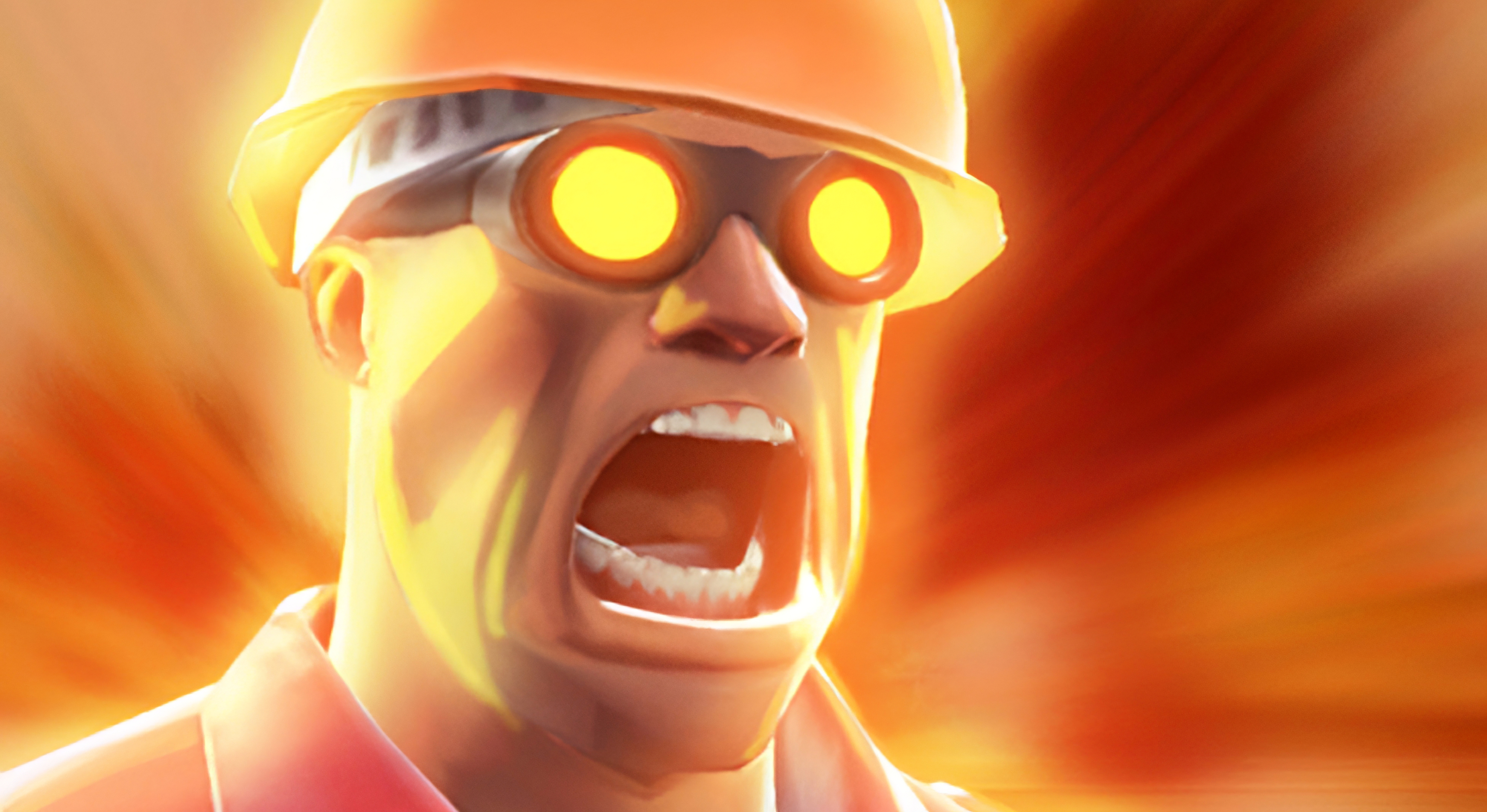
Main Facts: A Glimpse into the PC of a Gaming Luminary
William Pugh is a prominent figure in the independent game development landscape, best known as the co-creator of the 2013 narrative-driven masterpiece The Stanley Parable. Over a career that bridges grassroots modding communities and high-profile commercial studio direction, Pugh has carved out a unique space defined by surreal comedy, meta-narratives, and player subversion.
In a recent comprehensive interview exploring his digital life and hardware ecosystem—part of an ongoing industry profile series—Pugh opened up about his current gaming habits, formative experiences, and passionate advocacy for open-source software tools.
Key takeaways from his digital footprint include:
Current Obsidian Obsessions: Pugh is heavily invested in Valve’s upcoming hero shooter-MOBA hybrid, Deadlock, praising its streamlined approach to traditional genre mechanics.
Nostalgia and Foundations: His gaming roots stretch back to shareware Mac titles and early online multiplayer experiences in Worms 4: Mayhem, culminating in a formative stint mapping for Team Fortress 2.
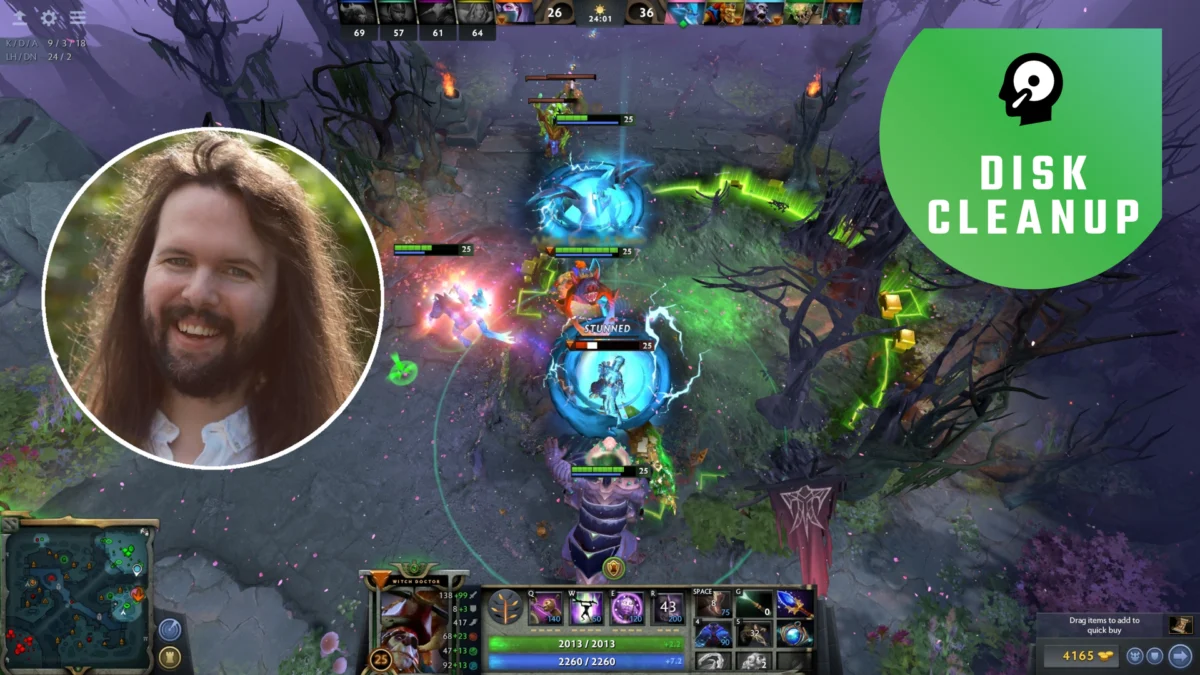
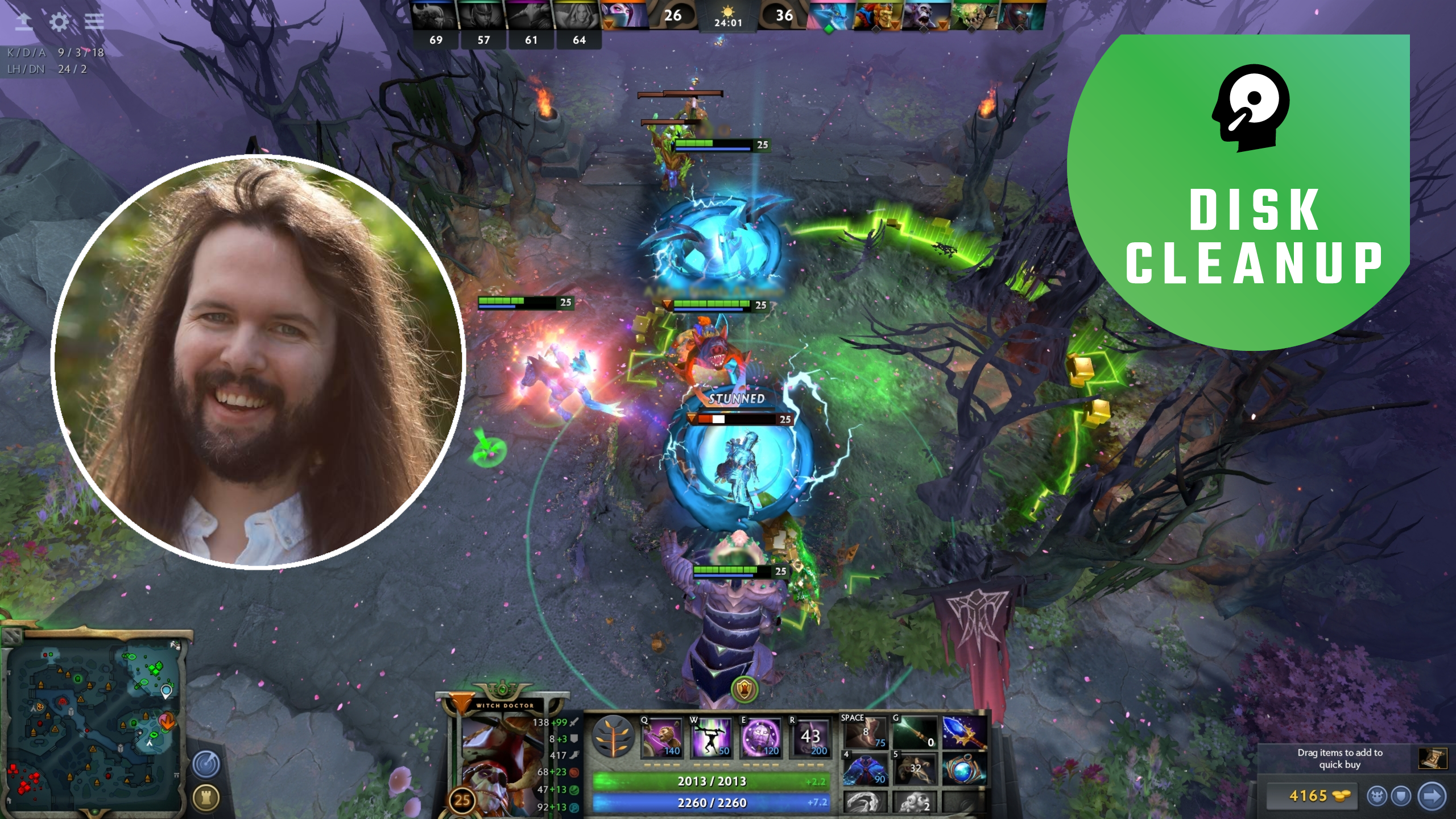
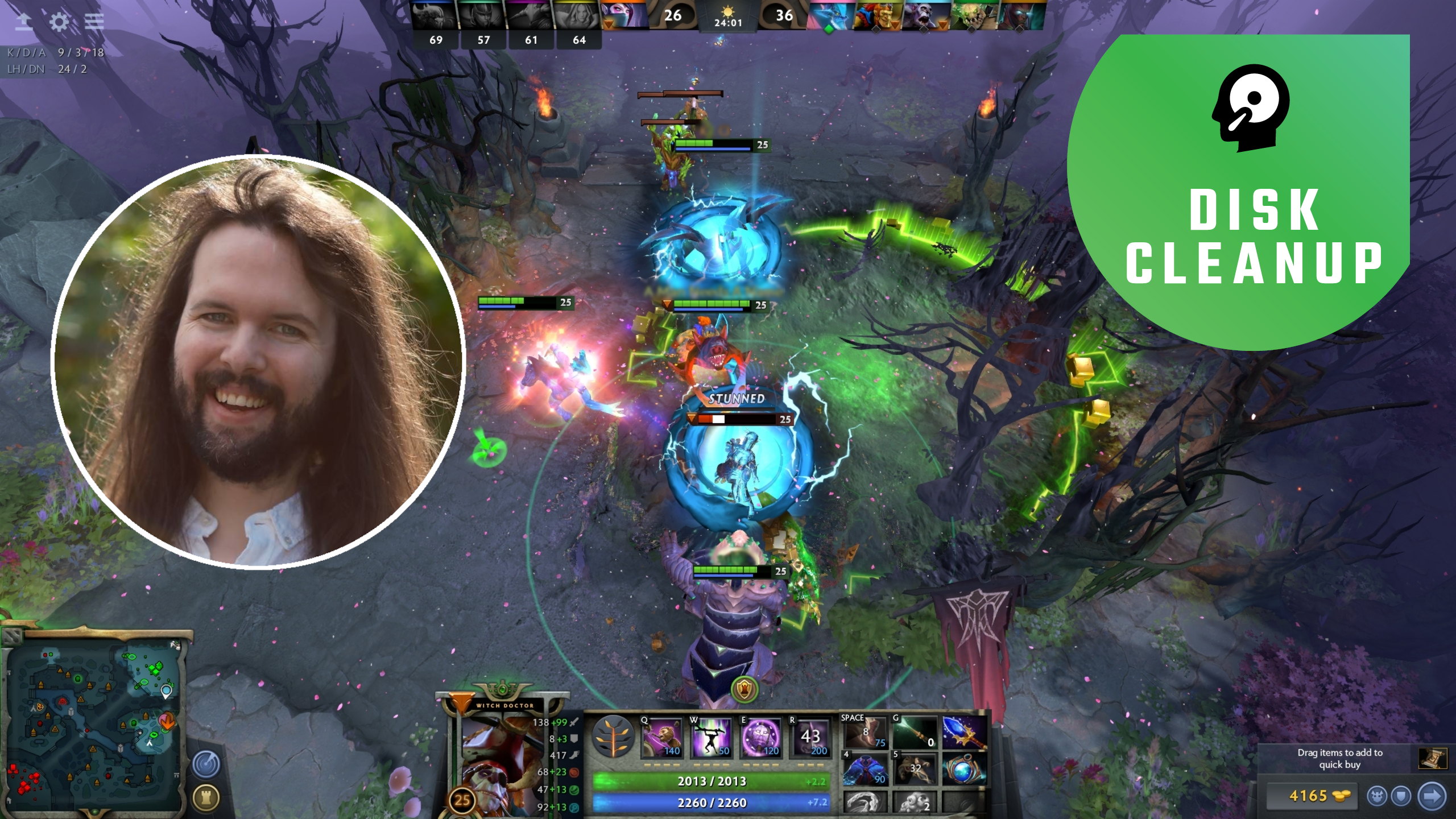
The Dota 2 Paradox: Despite logging over 1,600 hours into Dota 2, Pugh describes the experience with a mixture of obsessive compulsion and visceral exhaustion.
Software Philosophy: Outside of gaming, Pugh is a fierce proponent of community-driven, open-source software like Blender, actively criticizing the monopolistic, subscription-heavy models favored by legacy corporate developers.
Chronology: From Mac Shareware to Studio Directorship
Pugh’s trajectory within the games industry maps closely onto the evolution of PC gaming culture over the last three decades, moving from an inquisitive child experimenting with shareware to an industry leader shaping modern game design.
Early Inspirations and First Multiplayer Encounters
Growing up in an era defined by early desktop computing, Pugh’s earliest gaming memories included diet shares of Mac titles such as 1993’s Scruffy versus the Invaders from Mars. However, his introduction to the wider world of online PC gaming came through Worms 4: Mayhem. Engaging in 1-on-1 random matchmaking against complete strangers marked a psychological threshold for the young developer, acting as a gateway into a broader, interconnected digital community.
The Source Engine Era and The Stanley Parable
That initial digital doorway quickly widened into deep engagement with Valve’s Team Fortress 2. Beyond its cartoonish arenas and social dynamics, Team Fortress 2 introduced Pugh to the Source engine mapping community. This technical grassroots environment proved pivotal, facilitating his fateful collaboration with fellow modder Davey Wreden. Together, they wrote and designed The Stanley Parable—initially released as a mod in 2011 and reimagined as a commercial breakout hit in 2013—which fundamentally challenged conventional player agency and narrative progression in video games.
Founding Crows Crows Crows and Beyond
Following the global success of The Stanley Parable, Pugh established the independent studio Crows Crows Crows. The studio has since built a reputation for crafting quirky, comic, and deeply experimental titles, including:
Dr. Langeskov, The Tiger, and the Terribly Cursed Emerald: A Whirlwind Heist
Accounting+ (developed in collaboration with Squanch Games)
The Stanley Parable: Ultra Deluxe
Currently, Pugh splits his time between steering the development of Crows Crows Crows’ "next big game" and serving as a producer on the upcoming PlayStation 5 exclusive Hunter’s Moon, an immersive historical folk horror project slated for release in late 2026.
Supporting Data: Inside William Pugh’s Steam Library
Pugh’s Steam account serves as a digital archive of his personal history, professional inspirations, and enduring gaming vices. When examining his most-played titles and active rotation, distinct patterns emerge regarding what captures—and holds—his attention.
Active Rotation: Deadlock and Big Walk
Pugh describes his current heavy engagement with Valve’s Deadlock as "my third job," noting that he is a "recovering Dota 2 addict." He lauds Deadlock for stripping away extraneous, frustrating mechanics that have historically bogged down the MOBA genre—such as complex mana management and intricate creep stacking—while maintaining a pure, highly cooperative team dynamic.
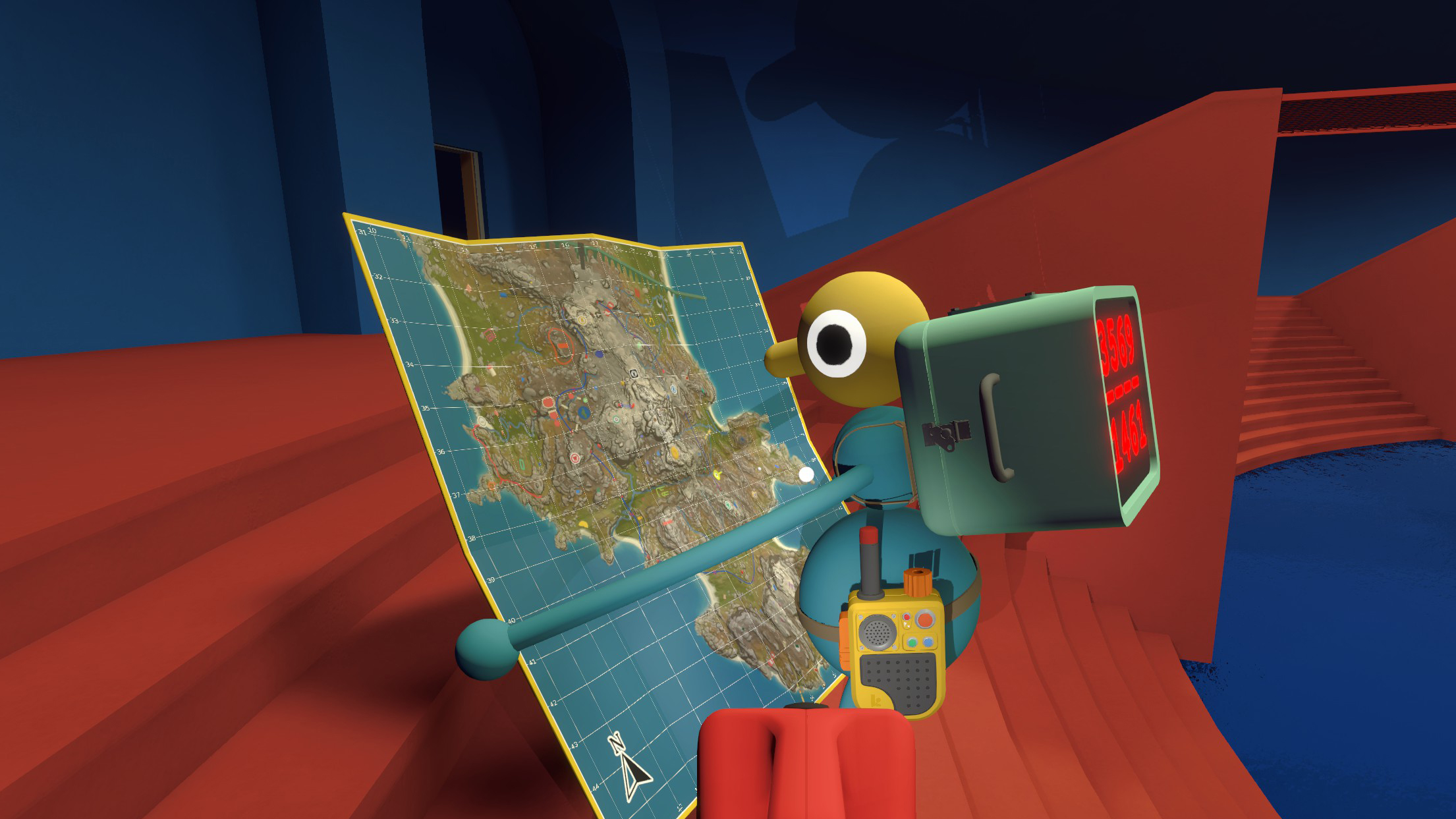
Alongside Deadlock, Pugh and his close circle of friends have been exploring House House’s cooperative puzzle title, Big Walk. Despite initial industry anxieties that the game might be overshadowed by earlier releases sharing a similar spatial premise, Pugh champions Big Walk as a masterclass in design that integrates seamlessly into player communication, ultimately marking it as a strong contender for game of the year.
The Pillars of Time: Team Fortress 2 and Dota 2
Pugh’s relationship with Valve’s catalog is deep-rooted and contradictory:
Team Fortress 2 (1,583 hours): Perma-installed since 2008, this title represents his entry point into community-led mapping and level design. Despite acknowledging the toxic environments sometimes found in modern public matchmaking, Pugh views TF2 as an artistic triumph and a vital digital space for human connection, famously earning a rare Saxxy Award for his community contributions.
Dota 2 (1,603 hours): Holding his highest recorded playtime on Steam, Pugh speaks of Dota 2 not with nostalgic fondness, but with dramatic exasperation. Calling it "a game fuelled by hate and a desire to conquer," he points out that its extreme complexity demands total cognitive engagement, serving as a high-intensity psychological distractor rather than a traditional source of relaxation.
Official Responses and Industry Perspectives
Pugh’s candid critique of the modern software landscape extends far beyond video games. His commentary on development tools highlights a growing industry tension between proprietary, subscription-based corporate software and open-source alternatives.
Discussing non-gaming software, Pugh singles out Blender as an indispensable tool in his workflow, awarding it a "10 out of 10" for being entirely free, community-run, and open-source. He draws a sharp contrast between Blender’s grassroots empowerment model and the traditional corporate pipeline:
"A lot of software that has found itself in the gamedev pipeline… it’s just this company that’s sat on it and wants to generate revenue in perpetuity through licenses… The entire strat of open-source stuff is that you own it forever. If you want to make changes to it, you can. It’s a community-led, grassroots approach."
Pugh expresses a strong desire to transition away from proprietary game engines and software packages bound by recurring corporate licensing fees over the next decade. By supporting open-source ecosystems, he argues, developers actively weaken subscription-based models and shift creative power back into the hands of working artists.
Implications: The Future of Independent Development and Digital Archiving
Pugh’s reflections on his digital workspace offer broader implications for how the games industry views longevity, creativity, and developer burnout.
The Purity of Early Artistic Expression
Reflecting on his chaotic desktop environment—which stores physical hard drives containing flash cartoons, teenage game maps, and early digital experiments dating back to 2005—Pugh touches on a universal creative truth. He posits that artists often peak during their formative teenage years, driven by pure enthusiasm rather than commercial viability. Maintaining this digital archive is, for Pugh, a way to preserve that initial, uncompromised spark of creation.
The Evolution of Co-op and Competitive Spaces
Pugh’s navigation between high-stress competitive titles like Dota 2 and gentle, communicative experiences like Big Walk underscores the diverse emotional needs modern developers seek to fulfill through interactive media. As studios like Crows Crows Crows continue to innovate within narrative and comedic spaces, the insights gained from analyzing creators’ personal digital habits reveal how foundational past communities—such as the Source engine modding scene—continue to fuel contemporary game design.