

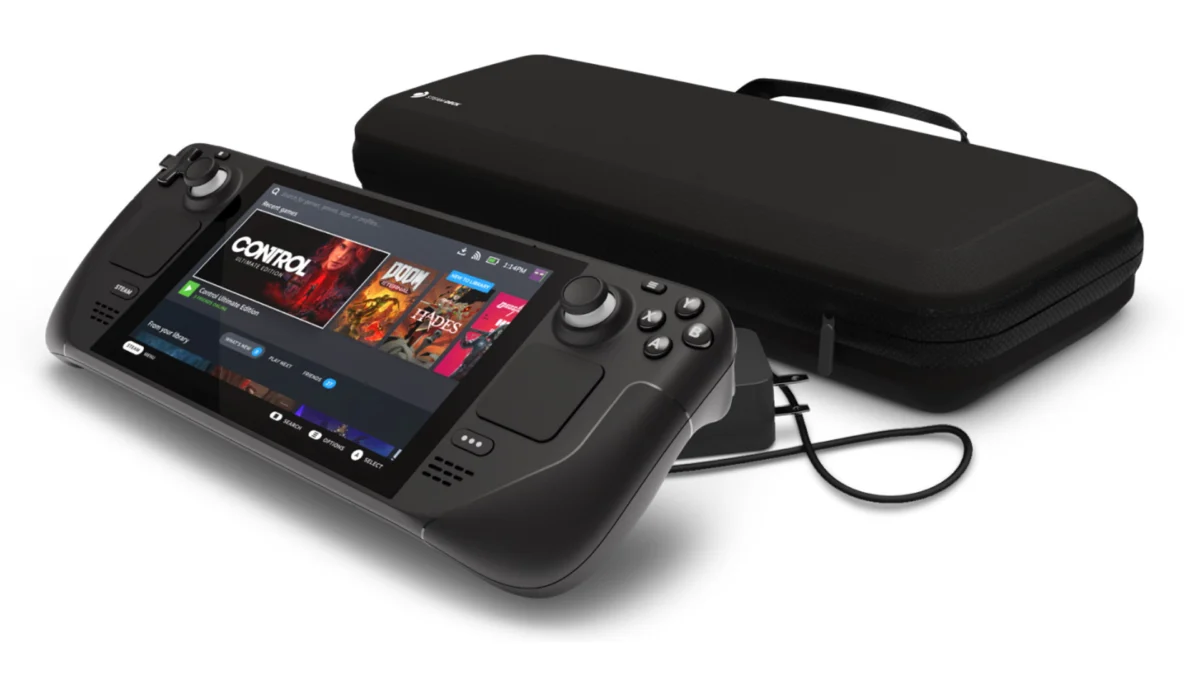
In an era where customer service is increasingly automated, outsourced, and governed by rigid, script-heavy protocols, a recent anecdote from a member of the Steam Deck community has served as a refreshing reminder of the power of human-centric support. A father, navigating the chaotic realities of parenthood, found himself in an unexpected predicament involving his gaming hardware and a “nursery disaster.” His subsequent interaction with Valve’s support team has since gone viral, sparking a wider conversation about corporate accountability, brand loyalty, and the hidden value of proactive customer care.
The Incident: A Nursery Mishap
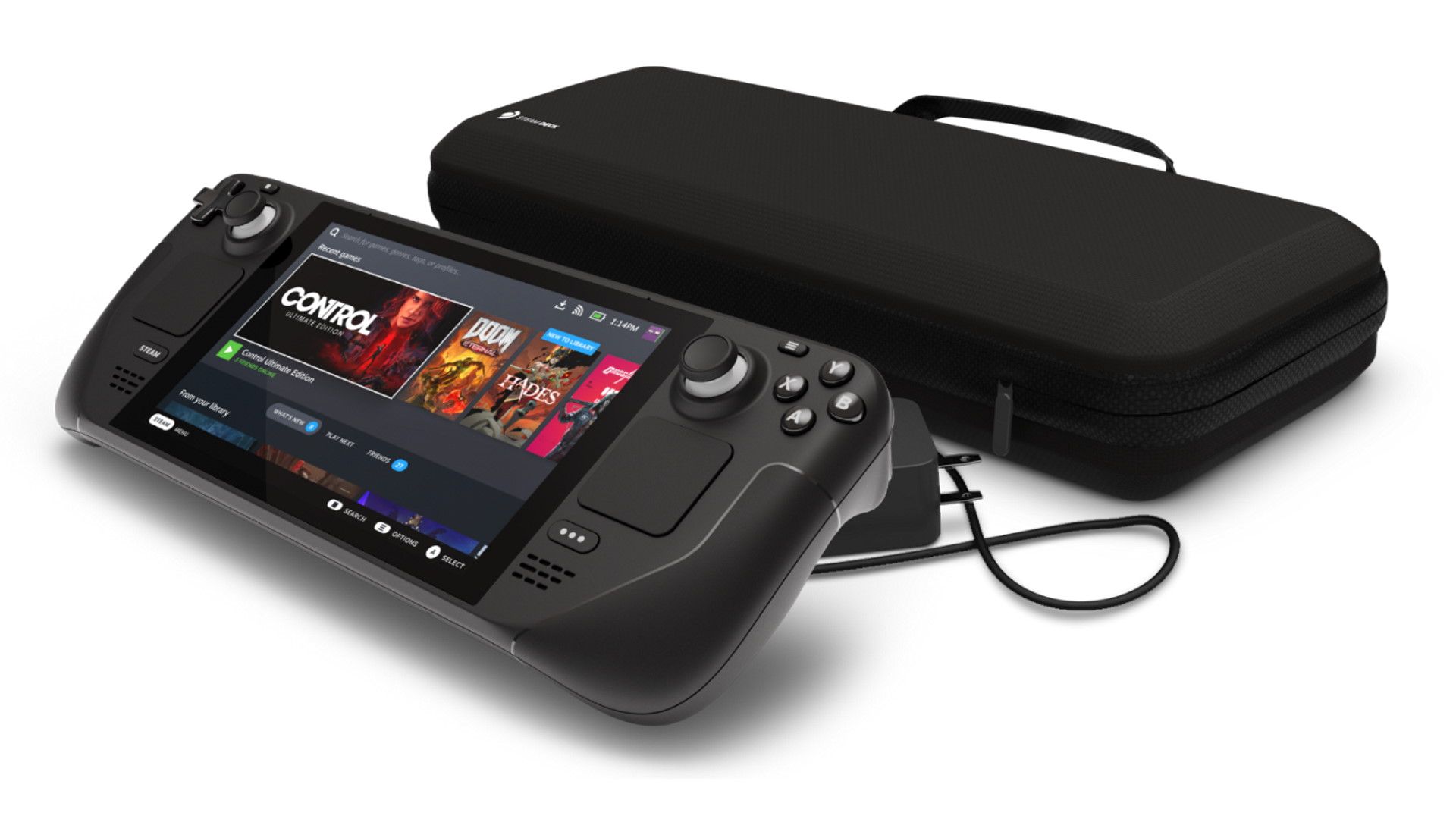
The story, which originated on the r/SteamDeck subreddit, features user "AHappyGummyWormx." According to the user, his Steam Deck—and more specifically, its official carrying case—became the unintended victim of his newborn child’s reflux. While the handheld console itself remained unharmed, the protective case, which the user noted he held in high regard compared to third-party alternatives, was effectively ruined.
Faced with a soiled accessory and a desire to maintain the original aesthetic and protective quality of his device, the father reached out to Valve’s support portal. His intent was simple: he sought to purchase a replacement official case. He did not ask for a handout, nor did he frame the situation as a product defect or a warranty claim. He was, by his own admission, prepared to pay for a new unit out of his own pocket.
Chronology of an Unexpected Resolution
The interaction that followed has become a case study in effective, high-touch customer service.
- The Inquiry: The user contacted Valve support, clearly outlining that he was looking for a way to purchase a replacement case for his 512GB OLED Steam Deck.
- The Human Response: Rather than sending a generic link to a storefront—or informing the user that individual accessories are not sold separately—the support representative took a personal interest in the query.
- The Proactive Solution: Without prompting, the support agent bypassed the transaction entirely. The email reply stated: "We’ve submitted an order to have a Steam Deck 512GB OLED Case replacement part sent out to you."
- The Follow-Up: The representative provided a clear timeline, estimating a 3-to-4-day processing window, and assured the user that tracking information would follow shortly via email.
For a company of Valve’s scale, the cost of a single carrying case is negligible. However, the optics of the gesture—a company choosing to reward a customer’s loyalty during a moment of personal stress rather than simply extracting more revenue—have resonated deeply with the gaming community.
Supporting Data: The Value of "Delight" in Customer Service
The "AHappyGummyWormx" story is not an isolated incident, but rather a reflection of a broader philosophy often associated with Valve. In the business world, this is known as "customer delight"—the practice of exceeding expectations in a way that builds emotional equity.
Research into brand psychology suggests that while quality and price remain the primary drivers of initial purchases, "service recovery" is the single most important factor in long-term retention. When a company turns a negative experience (a ruined item) into a positive one (a free, proactive replacement), it creates a "peak-end" experience. Customers are far more likely to remember the moment their problem was solved with grace than they are to remember the purchase price or technical specifications of the hardware itself.
By opting to replace the case for free, Valve effectively transformed a potential minor annoyance for the user into a permanent brand advocate. In the competitive landscape of handheld gaming—where rivals like ASUS, Lenovo, and Ayaneo are fighting for market share—this level of goodwill is a significant, if intangible, competitive advantage.
Official Responses and the Corporate Stance
Valve has historically maintained a relatively low profile regarding its internal customer support policies, preferring to let its actions speak through its platforms and products. Unlike many hardware manufacturers that strictly adhere to "no-questions-asked" return policies only when legally compelled, Valve’s support team is often empowered to use discretion.
While Valve has not released an official press statement regarding this specific interaction, the sentiment within the community is clear. Industry analysts often point to Valve’s unique position as both a hardware manufacturer and the operator of the world’s largest PC storefront, Steam. Because Valve benefits from the entire ecosystem, their motivation for keeping a customer happy is higher than a manufacturer that only makes money on the initial hardware sale. If the user keeps his Steam Deck, he continues to buy games on Steam. If he is alienated, he might switch to a different platform. This holistic view of the "Customer Lifetime Value" (CLV) is likely the engine behind their flexible support policies.
The Context: A Price-Sensitive Market
It is impossible to view this story without acknowledging the broader financial context of the Steam Deck. Recently, Valve made headlines for a price hike affecting its premium 1TB OLED model, pushing the price point close to the $1,000 threshold.
In a climate where consumers are increasingly wary of "feature creep" and rising hardware costs, gestures like this serve as a critical counter-narrative. When a product moves into the "luxury" price bracket, expectations for support skyrocket. Had Valve denied the user the ability to buy a new case, or made the process overly bureaucratic, the price hike would have felt significantly more abrasive to the average user. By providing a free replacement, Valve has effectively "softened the blow" of their broader pricing strategy, reminding the consumer that they are investing in a company that respects its user base.
Implications for the Industry
The "Steam Deck case incident" serves as a benchmark for other hardware manufacturers. As the handheld gaming market matures and saturation begins to set in, companies will be forced to compete not just on TFLOPS, refresh rates, or battery life, but on the experience of ownership.
- The Empowerment Model: Valve’s ability to empower its support staff to act without jumping through hoops is a model that larger, more rigid companies often fail to implement.
- Brand Loyalty as a Moat: In a digital economy, loyalty is a form of protection. When customers feel emotionally connected to a brand, they are less likely to migrate to competitors, even when those competitors offer slightly better specs or lower prices.
- The Cost of PR: A single carrying case costs a fraction of a traditional marketing budget. The organic coverage of this story across Reddit, gaming news outlets, and social media represents a "PR win" that money cannot buy. It validates the brand in a way that an expensive ad campaign never could.
Conclusion
While it is easy to view this story as a simple act of kindness, it is also a strategic maneuver that highlights why Valve remains a titan in the gaming industry. By prioritizing the human element of their customer base, they have fostered a level of loyalty that is rarely seen in the tech sector.
As we look toward the future—with rumors of new hardware like a potential successor to the Steam Machine or future iterations of the Deck—the lesson is clear: for the modern gamer, the hardware is only half the product. The other half is the relationship they have with the company that built it. Valve has, at least in this instance, demonstrated that being a "customer for life" is a status that is earned one small, thoughtful gesture at a time.

