

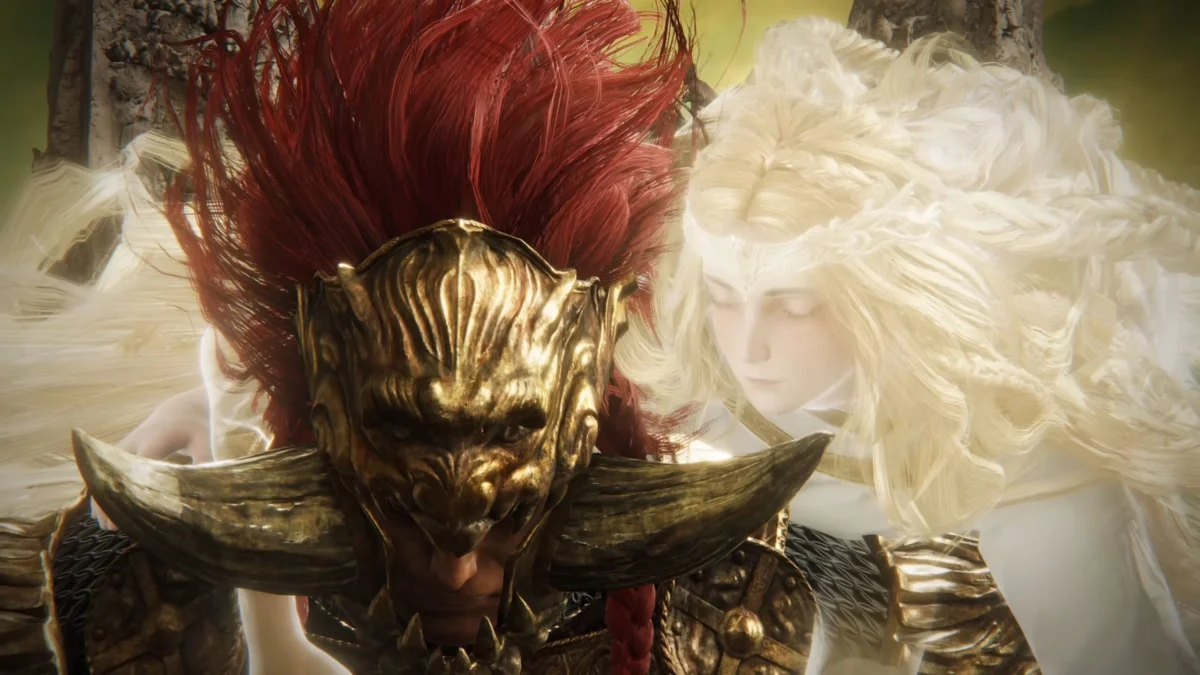
In the expansive landscape of modern interactive media, the "fantasy saga" is a genre rarely attempted with the tectonic ambition of literary titans like George R.R. Martin. While the industry is littered with acclaimed titles—Final Fantasy and Baldur’s Gate among them—these experiences traditionally operate within a defined, manageable scope. They focus on the journey of a single, curated party, often painting their worlds in the high-contrast colors of absolute heroism and irredeemable villainy. In these titles, moral ambiguity is rarely the foundation; if it exists at all, it is relegated to a minor side quest or a hidden basement of the narrative.
Elden Ring, FromSoftware’s magnum opus, stands as a stark, monumental exception. By weaving the complex, blood-soaked sensibilities of Martin into the developer’s signature "soulslike" framework, the game achieves a narrative density rarely seen in gaming. It is a sprawling, multi-generational epic that proves video games can tackle the "prestige drama" scale of HBO’s Game of Thrones—and perhaps even surpass it.
The Architect of Ruin: Martin’s Influence on the Lands Between
While FromSoftware has remained notoriously tight-lipped regarding the specific narrative contributions of George R.R. Martin, his thumbprint is undeniable. The collaboration injected a new level of sociopolitical complexity into the studio’s existing design philosophy.
In previous Dark Souls titles, the narrative often relied on esoteric, mythological abstractions: witches tampering with the embers of creation, the cyclical death of gods, and abstract clashes between light and shadow. While Elden Ring certainly retains this penchant for the cosmic and the surreal, it grounds these lofty themes in something far more visceral: a fractured, hyper-dysfunctional family unit.
The game’s lore is a dense tapestry of betrayal, incest, ambition, and theological warfare. At its center is Queen Marika the Eternal, a deity who ascended through the favor of a celestial patron, the Greater Will. Her subsequent actions—shattering the order of the world, banishing death itself, and creating a rigid, exclusionary Golden Order—set the stage for a conflict that feels ripped from the pages of a gritty, high-stakes fantasy novel.
A Chronology of Dysfunction: The Fall of the Demigods
To understand Elden Ring, one must understand the timeline of the Golden Order’s decay. The history of the Lands Between is not merely a record of wars, but a family tree choked by its own branches.
The Rise of the Eternal
The narrative begins with Queen Marika’s ascension. Upon aligning herself with the Golden Order, she effectively rewrote the laws of nature, removing the "Rune of Death" from the Elden Ring and imposing her dogma upon the continent. This era was defined by the systematic branding of dissenters—those who questioned the Order—as heretics.
The Great Betrayal and the Shattering
Marika’s domestic life was, by any metric, catastrophic. She cast aside her consort, Godfrey, leading to a series of wars that reshaped the map. She then took a new consort, Radagon, sparking a chain of events that left his former wife, Rennala, in a state of catatonic despair. As the children of these unions—the demigods—grew in power, they began to jockey for the throne.
This period, known as the Shattering, saw these siblings splinter into warring factions. One child, Godrick, resorted to "grafting"—the grotesque physical fusion of corpses to his own body to attain power. Others engaged in questionable, forbidden intimacies, echoing the dark familial tropes that have become a hallmark of Martin’s writing.
The Vacuum of Power
The current state of the game begins after the inexplicable disappearance of Marika. The Golden Order is in ruins, and the player—a lowly "Tarnished," a warrior resurrected from death by the very grace Marika once denied—enters this power vacuum. You are not a hero of destiny in the traditional sense; you are a scavenger of history, piecing together the wreckage of a god’s failed dynasty.
The Mechanics of Non-Linear Storytelling
Elden Ring distinguishes itself through its masterful marriage of open-world exploration and environmental storytelling. Unlike traditional RPGs that force-feed players exposition through lengthy cutscenes, Elden Ring treats its world as an archaeological site.
The Archaeology of Adventure
Every rusted sword, discarded talisman, and crumbling statue tells a story. When a player discovers an abandoned shack in the wilderness, they are not just finding a resource node; they are uncovering the remnants of a life affected by the wars of the demigods. This granular approach to world-building makes the vastness of the map feel purposeful. Every horizon promises not just a new challenge, but a new perspective on the conflict.
The Freedom of Dissent
The game’s non-linear structure allows for radical player agency. Guided by the enigmatic Melina—a figure whose true motivations remain shrouded in mystery—the player is technically prompted to follow a "path of grace." However, the game rarely forces this hand. Players can, and often do, abandon the intended path to explore the dark, subterranean bowels of the planet, where they may uncover revelations that entirely recontextualize the primary conflict.
This is the "perspective-altering" discovery that defines the Elden Ring experience. Finding a hidden item or stumbling into a secret area can reveal that the "heroic" struggle you were undertaking is, in fact, a continuation of the same cycle of trauma that destroyed the world in the first place.
Supporting Data: Scale and Scope
The sheer scale of the project is staggering. With a main campaign that demands dozens of hours of investment, plus the Shadow of the Erdtree expansion—which alone offers 25 to 40 hours of content—Elden Ring presents a volume of lore that rivals, if not exceeds, the runtime of entire television seasons.
- Complexity: The quest lines are notoriously intricate. The "Ranni the Witch" quest, for example, is a labyrinthine endeavor that requires players to traverse nearly every region of the map, culminating in a decision that fundamentally changes the "ending" and the theological trajectory of the entire world.
- Player Retention: Despite the high difficulty curve of the "soulslike" combat, the game’s retention rate remains high, driven by the desire to solve the "knot" of the story.
- Adaptation Potential: The success of the IP has led to active discussions regarding cinematic adaptations, confirming that the story has successfully migrated from a niche "gamer" interest to a broader pop-culture phenomenon.
Official Perspectives and Implications
FromSoftware’s design philosophy suggests that the "true" story of Elden Ring is not what is shown, but what is inferred. By refusing to provide a definitive, singular narrative, the developers have empowered the player community to act as scholars of their world. This has birthed a massive ecosystem of "lore-hunters" on platforms like YouTube and Reddit, who dissect item descriptions with the fervor of academic historians.
The implication for the industry is clear: the era of the "guided narrative" is facing stiff competition from the "participatory narrative." Elden Ring proves that players are more than willing to engage with complex, morally gray, and intellectually taxing stories if the world-building is sufficiently dense.
Conclusion: A New Standard for Fantasy
Elden Ring is a landmark achievement because it refuses to treat the player as a passive recipient of a plot. Instead, it invites the player to become a witness to a dying world. It captures the essence of Martin’s "family matter" approach—where the fate of the universe is tied to the petty, tragic, and often violent dramas of a single bloodline—and elevates it through the medium of interactive exploration.
As we look toward the future of the genre, Elden Ring serves as the gold standard. It suggests that if video games are to truly occupy the space of the grand fantasy saga, they must be willing to leave their worlds broken, their histories ambiguous, and their "heroes" just as morally compromised as the gods they seek to overthrow. In the Lands Between, the story isn’t just told; it is unearthed, one tragedy at a time.

