

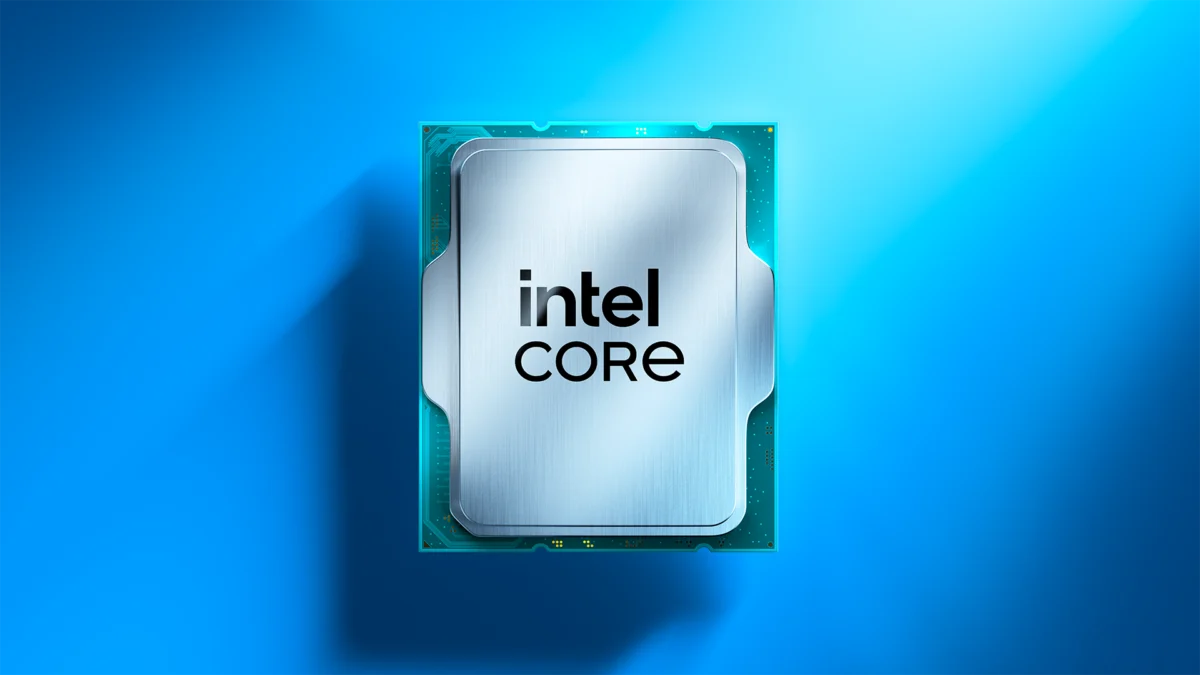
In an unexpected development that challenges standard hardware industry lifecycles, motherboard manufacturer Gigabyte has inadvertently leaked and subsequently confirmed Intel’s plans to launch a brand-new series of desktop processors compatible with the aging LGA 1700 socket.
According to an official press release issued by the hardware giant, Gigabyte is systematically rolling out a comprehensive BIOS update campaign designed to extend CPU support across its entire portfolio of Intel B760 and H610 motherboards. The move strongly implies that builders utilizing current-generation mainstream and entry-level chipsets will have a seamless upgrade path to unannounced silicon, bypassing the need to invest in new motherboards or migrate to upcoming socket architectures.
This extensive report examines the core facts of Gigabyte’s announcement, outlines the chronological context of Intel’s desktop roadmap, analyzes the technical implications for the PC enthusiast community, and weighs the broader market ramifications of prolonging the life of the LGA 1700 platform into early 2027.
Main Facts
The narrative surrounding Intel’s desktop processor roadmap has shifted dramatically following Gigabyte’s recent compliance disclosures. The primary takeaways from the announcement include:
- Continued Platform Longevity: Despite the introduction of newer sockets like LGA 1851 for Arrow Lake processors, Intel and its manufacturing partners are preparing a fresh wave of processors engineered specifically for the legacy LGA 1700 infrastructure.
- Target Launch Window: Industry tracking and Gigabyte’s rollout schedule point toward an official commercial launch in early 2027.
- Target Chipsets: Gigabyte’s current BIOS updates specifically target Intel B760 and H610 motherboards, indicating that budget-conscious and mainstream system builders are the primary target demographic for this refresh. High-end Z790 boards are expected to receive similar microcode updates concurrently or shortly.
- The Upgrade Mechanism: Users will not need to purchase new motherboards, power supplies, or memory kits (retaining support for both DDR4 and DDR5 variants depending on the specific board model). Instead, a simple firmware flash via Gigabyte’s Q-Flash utility will enable compatibility with the incoming processors.
- Industry Precedent: This move breaks from Intel’s historical pattern of limiting mainstream desktop sockets to two major architectural generations (e.g., LGA 1200 supporting Comet Lake and Rocket Lake, or LGA 1700 supporting Alder Lake, Raptor Lake, and Raptor Lake Refresh).
Chronology of the LGA 1700 Lifecycle
To understand the magnitude of an early 2027 processor launch for LGA 1700, it is essential to trace the history of Intel’s socket longevity and how this platform evolved over time.
Late 2021: The Birth of LGA 1700
Intel introduced the LGA 1700 socket alongside the 12th Generation Core processors, codenamed Alder Lake. Representing a massive architectural shift, Alder Lake introduced a hybrid core architecture blending Performance-cores (P-cores) and Efficient-cores (E-cores), alongside native support for PCIe 5.0 and DDR5 memory. Motherboards featuring Z690, B660, and H610 chipsets hit the market in late 2021, establishing a new physical layout with a rectangular design that required new CPU cooler mounting brackets.
Late 2022: Raptor Lake and Socket Maturity
Intel followed up with the 13th Generation Core processors (Raptor Lake) in October 2022. Maintaining full compatibility with existing 600-series motherboards via simple BIOS updates, Intel simultaneously launched the 700-series chipsets—led by the Z790, B760, and H700 variants. This generation cemented LGA 1700 as a high-performance gaming and productivity powerhouse, driving impressive core counts and clock speeds up to 6.0 GHz out of the box.
Late 2023: The Raptor Lake Refresh
Breaking slightly from historical naming conventions, Intel released the 14th Generation Core "Raptor Lake Refresh" in late 2023. While met with mixed reactions from critics due to its incremental IPC gains over the 13th generation, it pushed frequency thresholds even higher and extended the operational lifespan of the LGA 1700 platform well into its third year.
2024–2025: Transition to LGA 1851 and Instability Debates
As the industry moved toward late 2024, Intel launched its Core Ultra 200S series ("Arrow Lake-S") utilizing the brand-new LGA 1851 socket. Concurrently, LGA 1700 faced turbulent public relations due to high-voltage instability issues affecting high-end 13th and 14th Gen K-series processors. Patches were deployed, and extended warranties were issued. Most industry analysts assumed the platform was in its twilight phase, destined to be phased out entirely as Intel focused on LGA 1851 and upcoming mobile-to-desktop architectures.
Late 2025–Early 2027: The Unexpected Extension
Gigabyte’s recent press release and the subsequent deployment of B760 and H610 BIOS updates rewrite the narrative. By planning a hardware refresh specifically for LGA 1700 in early 2027, Intel and its partners are pushing the socket’s commercial lifespan past the five-year mark—an eternity in the fast-paced consumer PC ecosystem.
Supporting Data and Technical Architecture
The decision to launch new processors for an older socket raises intriguing technical questions regarding manufacturing nodes, memory support, and thermal performance limits.
Chipset Compatibility Breakdown
While Gigabyte’s initial focus centers on B760 and H610 motherboards, the underlying silicon architecture of LGA 1700 spans three generations of chipsets.
| Chipset Series | Market Segment | Memory Support | Status for 2027 CPUs |
|---|---|---|---|
| H610 / B660 / Z690 | Entry to Enthusiast (Gen 1) | DDR4 / DDR5 (dependent on board) | Pending microcode updates |
| H760 / B760 / Z790 | Entry to Enthusiast (Gen 2) | DDR4 / DDR5 (dependent on board) | Officially supported via current BIOS rollout |
Power Delivery and Thermal Considerations
Motherboards built on the H610 and B760 chipsets vary wildly in VRM (Voltage Regulator Module) quality. While high-end B760 boards feature robust 12+1 or 14+1 phase power designs capable of handling demanding thermal loads, entry-level H610 boards often feature basic 4+1 or 6+1 configurations without heatsinks.
Hardware experts note that if the incoming 2027 processors feature high thermal design power (TDP) ratings—similar to the Core i7 and i9 variants of the past—budget H610 motherboards may experience thermal throttling or VRM overheating. Consequently, it is heavily anticipated that these new processors will either be optimized for low-to-moderate TDP envelopes (such as 65W and 35W non-K models) or that manufacturers are issuing strict power-delivery guidelines alongside the new BIOS versions.
Memory Ecosystem Persistence
One of the greatest economic benefits of extending LGA 1700 is the prolonged viability of the DDR4 memory ecosystem. While modern platforms like AMD’s AM5 and Intel’s LGA 1851 mandate DDR5 memory, millions of users worldwide remain on high-capacity DDR4 kits. By supporting upcoming processors on B760 and H610 boards—many of which use DDR4 slots—consumers can upgrade their CPU processing power without writing off their existing memory investments.
Official Responses and Industry Reactions
The announcement has triggered a wave of reactions across the PC hardware landscape, ranging from consumer applause to cautious skepticism from industry analysts.
Gigabyte’s Official Position
In its press release, Gigabyte emphasized its commitment to consumer value and sustainability. A company spokesperson stated:
"Gigabyte is dedicated to providing our customers with long-term value and cutting-edge performance. By preparing our B760 and H610 motherboard lineups for the next wave of Intel processors well in advance, we ensure that system builders can upgrade their systems with minimum friction and maximum efficiency."
Competitor Pressure and Market Dynamics
The move is viewed by many market analysts as a direct response to AMD’s legendary platform longevity strategy. AMD’s AM4 socket, introduced in 2016, famously received new processor drops (such as the Ryzen 7 5800X3D) as late as 2022 and 2024, earning immense goodwill from the PC building community. Similarly, AMD has committed to supporting its current AM5 socket through at least 2027.
By extending LGA 1700 into 2027, Intel appears to be adopting a similar philosophy of platform longevity, countering criticisms that its platforms go obsolete too quickly.
Implications for the PC Market and Consumers
The decision to introduce new LGA 1700 processors in early 2027 carries far-reaching implications for consumers, system builders, and the broader component market.
1. Relief for Budget and Mainstream Builders
For budget-conscious gamers and office users running 12th or 13th Gen systems on B760 or H610 boards, this news is a financial windfall. Instead of purchasing an entirely new platform—which would require a new motherboard, new DDR5 RAM, and potentially a new cooler—users can simply buy the new processor, update their BIOS, and drop it into their existing chassis.
2. Used Market and Resale Value
The resale market for used LGA 1700 motherboards is set to experience a significant surge. Motherboards that might have depreciated sharply as "obsolete tech" will now maintain higher residual value because they serve as viable staging grounds for newer silicon.
3. Potential Confusion in Product Stack Naming
One downside to extending a legacy socket is potential consumer confusion. Retailers and online marketplaces will host motherboards and processors spanning multiple generations that physically fit into the same socket. Without careful guidance, novice builders might purchase incompatible combinations or struggle to understand why a brand-new CPU requires a BIOS update out of the box.
4. Strategic Outlook for Intel
For Intel, this strategy buys engineering and marketing teams critical time. As the company refines its next-generation architectures and manufacturing processes (such as Intel 18A and beyond), keeping the massive installed base of LGA 1700 users engaged prevents mass defection to competing AMD platforms.
Conclusion
Gigabyte’s confirmation of Intel’s 2027 processor rollout for the LGA 1700 socket represents one of the most surprising and consumer-friendly platform extensions in recent memory. By updating B760 and H610 motherboards to support unannounced silicon, Gigabyte and Intel are redefining the lifecycle expectations of desktop hardware.
As the industry counts down toward the early 2027 launch window, system builders and tech enthusiasts are advised to keep an eye out for upcoming BIOS releases and official specifications. For now, owners of Intel’s mainstream 600- and 700-series motherboards can rest assured that their systems have plenty of life left in them.

