

By Industry News Desk
December 20, 2021
In the ever-shifting landscape of digital media, the closure of a dedicated outlet is rarely just a business decision; it is a loss of a specific voice and a community hub. On December 20, 2021, The Indie Game Website (IGW) officially announced that it would be entering a hiatus, marking a significant transition for one of the few platforms exclusively committed to the burgeoning world of independent game development.
While the site’s archives—ranging from in-depth Satisfactory guides to niche roguelike analyses—will remain online, the cessation of new content marks the end of an era for a publication that prided itself on championing the smallest developers and the most aspiring writers.
The Core Facts: A Strategic Pause
The announcement came via a heartfelt final editorial, signaling that The Indie Game Website would be going on an indefinite break. Owned by the agency Game If You Are, the site had established itself as a staple of indie coverage, holding a distinct position on Metacritic and serving as a reliable resource for enthusiasts looking for alternatives to the AAA-dominated headlines.
The editorial confirmed that while the editorial team is stepping back, the parent company, Game If You Are, remains operational. Management has indicated that the ethos that defined the website—a deep-seated passion for indie titles—will carry over into future initiatives planned for the new year. For the reader, this means the end of daily updates, but the preservation of a massive library of tutorials, reviews, and features that helped define the platform’s identity.
Chronology of an Indie Pillar
To understand the significance of this closure, one must look at the trajectory of the site, particularly under the leadership of its final editorial team.
- January 2020: The final editorial lead assumed control of the site with a specific mandate: to transform the platform into a sanctuary for emerging writers and under-represented indie titles.
- 2020–2021: The site solidified its reputation as a Metacritic-recognized authority. During this period, the editorial focus shifted toward "niche-first" coverage.
- December 20, 2021: The official announcement of the site’s hiatus was published, reflecting on the two years of growth and the personal development of the contributors involved.
The transition from a standard news outlet to a mentorship-driven hub was a deliberate choice. The editorial policy encouraged writers to pursue stories that larger, more commercial outlets might reject due to "niche" subject matter or the small scale of the game in question.
Supporting Data: Why IGW Mattered
The importance of The Indie Game Website cannot be measured by traffic metrics alone. Its influence was felt in three specific tiers of the gaming ecosystem:
1. The Mentorship Pipeline
The editor-in-chief explicitly sought out newer writers, providing a platform for those early in their careers to hone their craft. This was not merely about publishing copy; it was an active mentorship program where the editor provided advice and, notably, encouraged contributors to pitch their best ideas to other outlets if the story didn’t fit the IGW mandate. This "outward-facing" generosity fostered a more collaborative rather than competitive atmosphere in indie games journalism.
2. Filling the Niche Void
In an industry where "SEO-bait" often drives coverage—leading to a saturation of news regarding major franchises—IGW focused on the "Daily Dose" of smaller titles. By covering games that were too small for mainstream outlets, they acted as a vital discovery engine for developers who lacked the marketing budgets of major publishers.
3. Archive Utility
The site’s archives remain a significant resource. High-performing content, such as their comprehensive Satisfactory tips and specific genre-focused guides (particularly for card games and roguelikes), serves as a testament to the longevity of "evergreen" content in the gaming space.
Official Responses and Editorial Philosophy
The final editorial from the site is a poignant reflection on the ethics of gaming journalism. The editor noted that their pride in the site was not derived from accolades or industry status, but from the simple act of "helping out."
"My aim was to have the features on the website be the ones that nobody else would buy, not because they were bad, but because the game was too small, or the idea was too niche," the editor wrote. This philosophy of serving the "underserved" created a unique bond between the site and its readership.
Regarding the future of the brand, the company Game If You Are has maintained a positive outlook. The announcement alluded to "new initiatives" that will be unveiled in the upcoming year, suggesting that while the website as a daily news entity is taking a break, the mission of the company remains intact. This provides a glimmer of hope for followers of the site, suggesting that the spirit of the project is evolving rather than evaporating.
Implications: The State of Indie Journalism
The closure of The Indie Game Website raises broader questions about the sustainability of niche gaming media. As the industry faces consolidation and a shift toward influencer-led marketing, outlets dedicated to long-form, thoughtful, and niche indie coverage face significant economic pressure.
The Challenge of Sustainability
Maintaining a staff of journalists dedicated to indie titles is notoriously difficult. Without the advertising revenue generated by massive blockbuster releases, niche sites often struggle to remain profitable. The fact that The Indie Game Website operated under a larger agency (Game If You Are) suggests that even with corporate backing, the model requires constant reinvention.
The "Niche" Conundrum
There is an irony in modern gaming journalism: the indie scene is larger and more prolific than ever, yet the platforms dedicated to covering it are increasingly fragile. When a site like IGW exits, the barrier to entry for new, small developers to gain critical recognition becomes higher. The loss of a platform that specifically looks for "niche" content means that fewer games will find their path to a wider audience through traditional critical channels.
A Call to Action for Readers
In the final address to the community, the editor made a specific request: support indie coverage wherever you find it. The industry relies on a healthy ecosystem of critics, writers, and journalists. If readers value the type of deep-dive, idiosyncratic coverage that IGW provided, the burden of sustainability shifts to the audience to seek out and support the remaining outlets that maintain these high editorial standards.
Final Thoughts: A Lasting Legacy
As the site moves into its hiatus, it leaves behind a blueprint for how independent media can function as a "force for good." By prioritizing the growth of writers and the discovery of small-scale art, The Indie Game Website proved that journalism could be an act of stewardship.
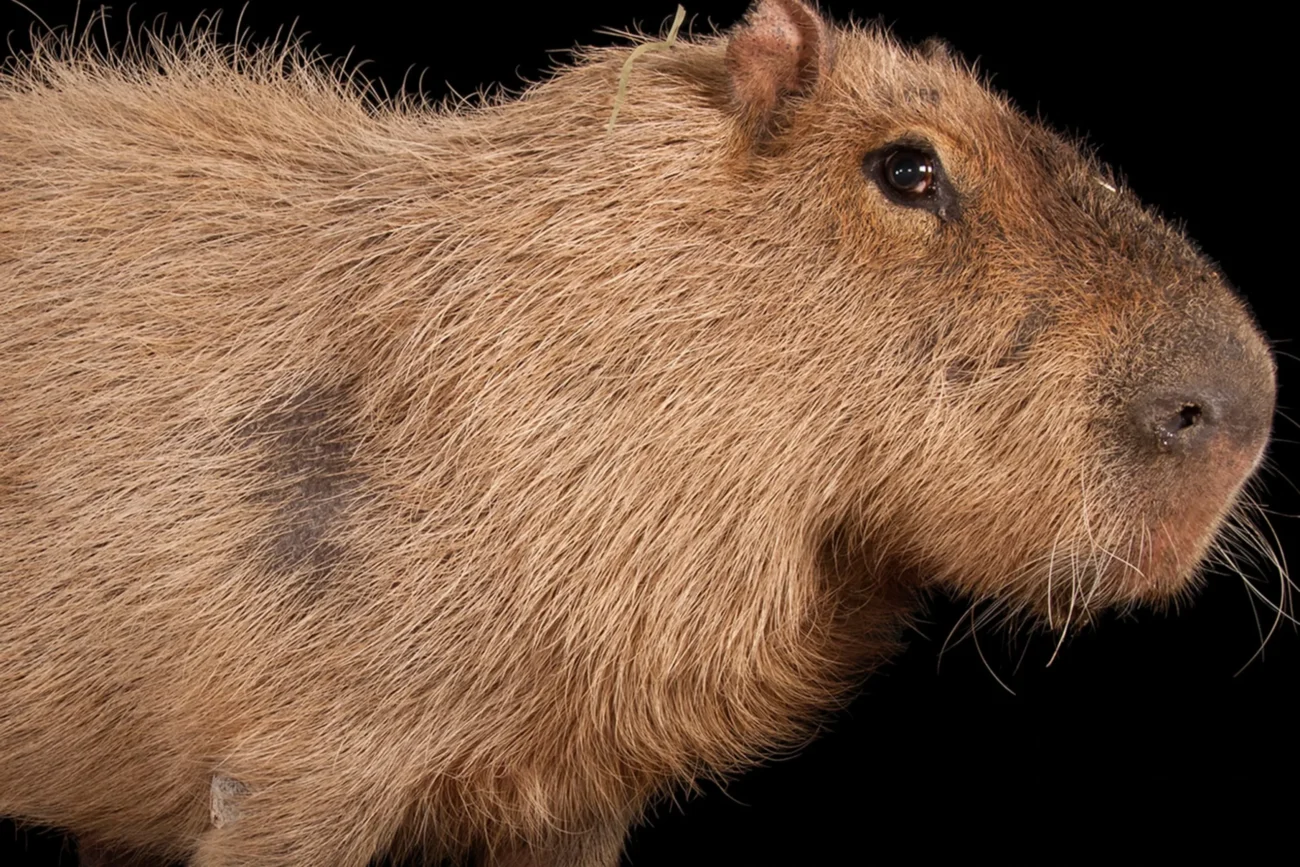
The "capybara" mentioned in the opening of their farewell post—a whimsical touch that became a symbol for the site’s relaxed yet passionate personality—is a fitting mascot for its departure. It serves as a reminder that games are meant to be enjoyed, and that sometimes, the best way to interact with the industry is not through cynicism or corporate analysis, but through curiosity.
While the editorial lights may be dimmed for now, the work published remains a vibrant record of a golden age of indie gaming. For those who contributed, read, or simply found a tip on a complex crafting system, the site served its purpose well. As the industry moves into 2022, the legacy of IGW will likely be found in the careers of the writers it helped launch and the developers whose games were given a voice when it mattered most.

