

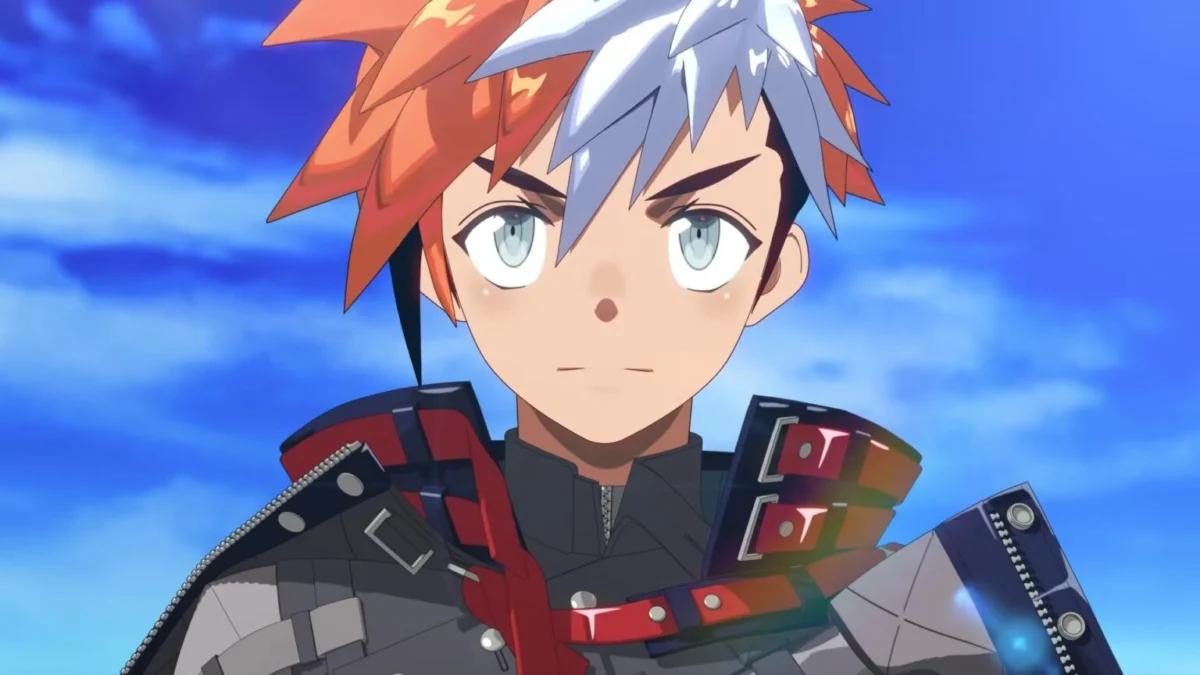
The crowdfunding ecosystem has suffered yet another staggering blow. Armed Fantasia—the highly anticipated spiritual successor to the beloved Wild Arms JRPG franchise, helmed by industry veteran Akifumi Kaneko—has been officially cancelled.
According to financial disclosures released by Digital Bros, the parent company of publisher 505 Games, development on the colourful fantasy title has been permanently discontinued. The cancellation arrives four years after a triumphant joint Kickstarter campaign that captured the imagination of classic JRPG enthusiasts worldwide, ultimately pulling in nearly $3 million in backing.
What began as an inspiring grassroots revival of a classic turn-based genre has instead descended into a cautionary tale plagued by corporate restructuring, missed milestones, and publishing friction.
Main Facts: The End of the Road for Armed Fantasia
The formal confirmation of the game’s demise was buried within Digital Bros’ most recent financial statement, which revealed a broader company strategy to scale back and "discontinue development" on several underperforming or misaligned projects.
For the dedicated community of backers who invested their hard-earned money into Armed Fantasia, the news marks a heartbreaking conclusion. Pitched as a grand return to the golden age of the genre—complete with grand storytelling, tactical combat, and a distinct aesthetic reminiscent of the Wild Arms series (which Kaneko spearheaded from its inception through Wild Arms 4)—the project represented more than just a video game. It was a bridge connecting modern gaming audiences to an era of classic Japanese role-playing experiences.
Instead, the title joins a growing graveyard of crowdfunded games that failed to survive the volatile intersection of independent development and corporate publishing pressures.
Chronology: From Record-Breaking Crowdfunding to Quiet Cancellation
To understand how Armed Fantasia unraveled, one must look back at its unprecedented origins in the summer of 2022.
1. The 2022 Double Kickstarter Phenomenon
In July 2022, a unique crowdfunding initiative hit Kickstarter. Spearheaded by industry legends, the campaign sought to fund two distinct JRPG prototypes simultaneously: Armed Fantasia (led by Akifumi Kaneko and his studio, Wild Bunch Productions) and Penny Blood (led by Matzuo Machida).
Unlike standard crowdfunding models where backers directly finance the full production of a single game, this "double Kickstarter" had a different objective. The funds raised were intended to build polished proofs-of-concept and playable vertical slices. The creators hoped these vertical slices would be robust enough to secure major publishing contracts, which would then provide the substantial capital required to complete full-scale development.
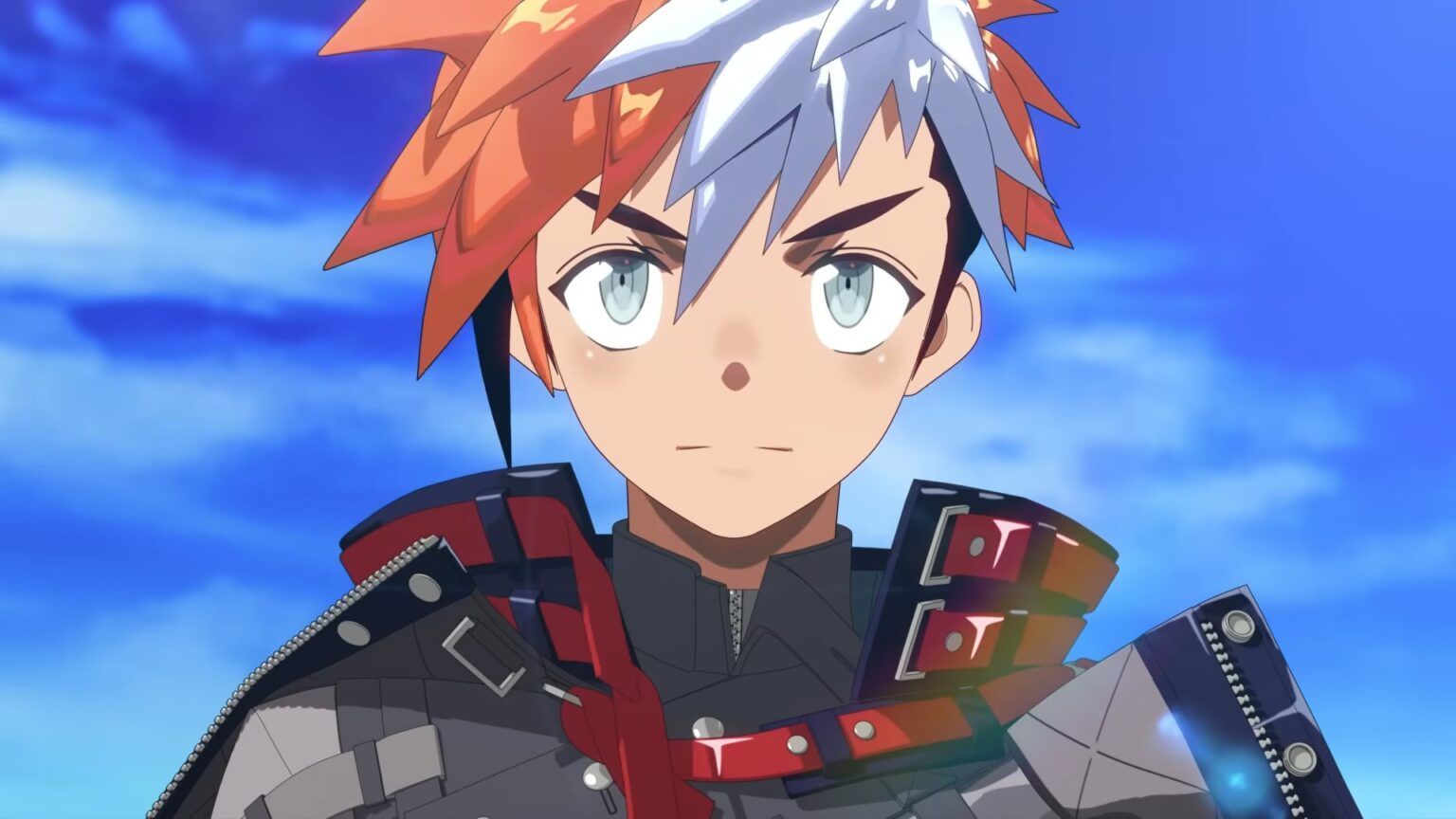
The gamble initially paid off beyond expectations. The campaign closed out by raising a staggering ¥379,328,385—roughly translating to just under $3 million USD in 2022 currency.
2. Securing Publishers
Following the successful funding campaign, both titles found external publishing partners. Armed Fantasia was signed by 505 Games (a subsidiary of Digital Bros), while Penny Blood was picked up by Japanese publisher Dangen Entertainment. For a brief period, the ambitious dual-project strategy appeared to be an unqualified success.
3. Delays and Fractured Relations
As development stretched into subsequent years, structural cracks began to show. Armed Fantasia comfortably missed its initially projected launch window of March 2025, slipping quietly into developmental purgatory.
By early 2026, communication between the creators and backers had grown increasingly tense. In a March 2026 Kickstarter update, Akifumi Kaneko announced that the team had completed a "Vertical Slice build," which encompassed the core gameplay systems and the main scenario for Armed Fantasia. This build was subsequently submitted to the publisher.
However, the tone of Kaneko’s update was conspicuously strained. He opened the post with an apology for missing scheduled update milestones, noting that "discussing matters like this goes somewhat beyond the authority I’ve been given." Kaneko openly admitted that his ability to share information with the community was "heavily influenced by the publisher’s strategy," signaling a clear disconnect between creative vision and corporate oversight.
4. The Final Blow
Just six months after Kaneko’s cautious reassurances, Digital Bros published the financial statement that pulled the plug on the project entirely, terminating development without prior direct warning to the backers who made it possible.
Supporting Data: The Numbers Behind the Ambition
The financial scale of the Armed Fantasia and Penny Blood joint venture highlights the massive expectations placed upon the developers:
- Total Crowdfunding Funds Raised: Approximately ¥379,328,385 (~$3 million USD at 2022 exchange rates).
- Backer Count: Over tens of thousands of individual contributors eager to see classic JRPG tropes modernized.
- Timeline to Cancellation: Exactly four years from the initial 2022 Kickstarter launch to the September 2026 Digital Bros financial write-off.
- Target Launch Window: Initially slated for March 2025, before missing deadlines entirely.
Compounding the misery of the dual Kickstarter is the troubled fate of its sister project, Penny Blood. Development on Penny Blood similarly derailed, culminating in a bitter 2024 lawsuit filed by developer Studio Wildrose against Dangen Entertainment, alleging that the publisher and its CEO withheld crucial Kickstarter funds meant for the project’s management. While Studio Wildrose has since pivoted to releasing complementary media like books and discussing potential new content avenues, the state of the Penny Blood video game prototype remains deeply uncertain.
Official Responses and Industry Context
The cancellation of Armed Fantasia reflects a broader, highly volatile trend within the mid-tier and indie gaming landscapes. Publishers like Digital Bros, facing tightening economic realities and shifting market demands, have increasingly begun trimming their portfolios of projects that carry prolonged development cycles or unpredictable return-on-investment timelines.
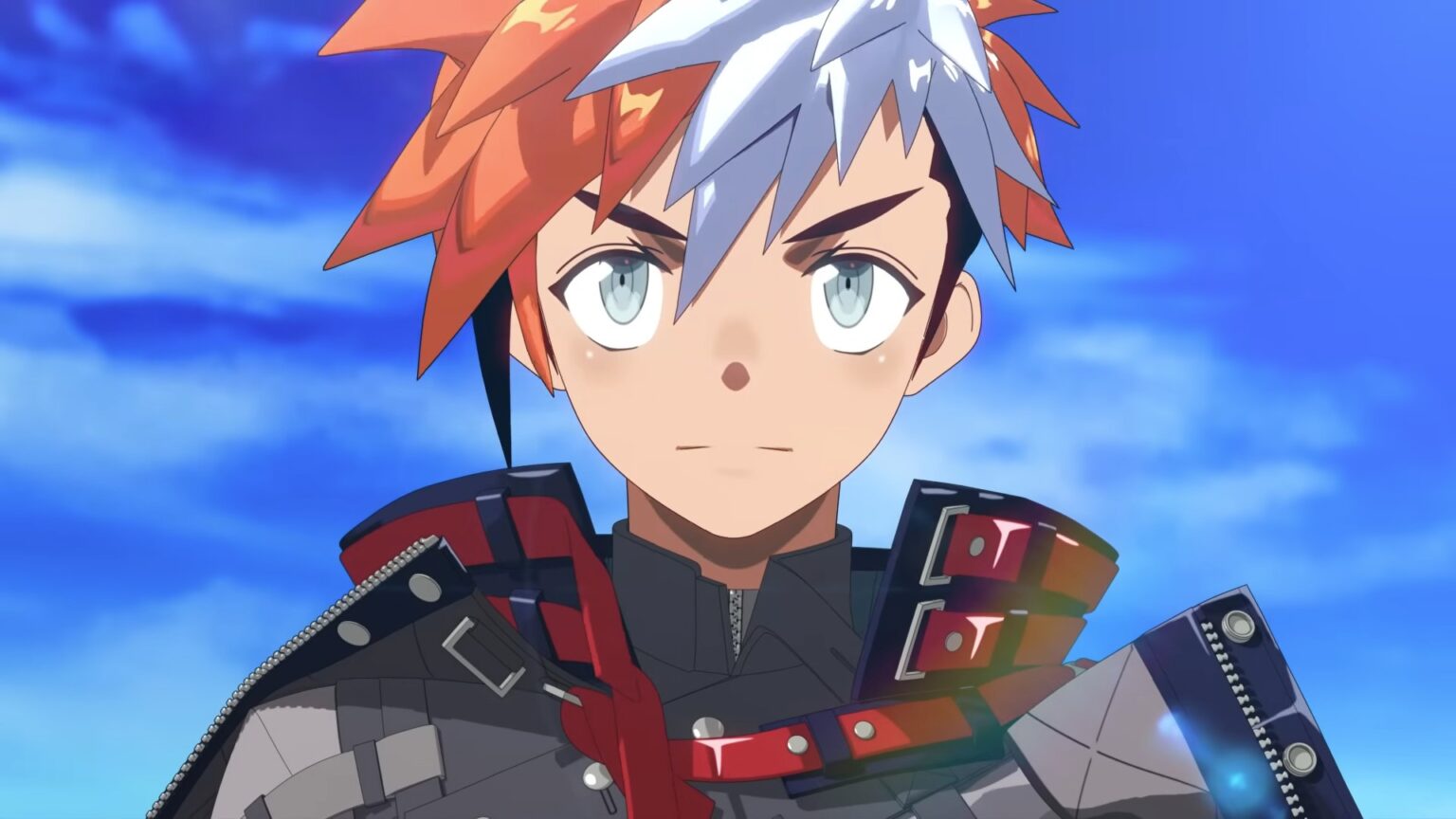
In his final status reports to backers, Kaneko attempted to maintain a brave face, assuring the community that despite publishing roadblocks, the internal team was "not facing these challenges alone." Yet, those very reassurances underscored the fundamental vulnerability of crowdfunded games that must rely on traditional publishing houses to cross the finish line. When a publisher changes its strategic priorities—as Digital Bros evidently did over the course of 2026—independent developers caught in contractual dependencies have little recourse.
Neither 505 Games nor Digital Bros has issued a detailed, standalone public press release explaining the specific metrics that led to the cancellation of Armed Fantasia, leaving the financial statement as the definitive obituary for the project.
Implications: What This Means for Crowdfunded JRPGs
The sudden demise of Armed Fantasia sends a chilling message to the video game crowdfunding community, carrying profound implications for future spiritual-successor projects:
1. The Perils of the "Prototype-to-Publisher" Model
The dual Kickstarter utilized by Armed Fantasia and Penny Blood proved that nostalgia is a powerful marketing tool capable of generating millions upfront. However, it also exposed the inherent risks of the "prototype-to-publisher" model. When a crowdfunded project is deliberately structured to require a massive corporate partner to complete production, the project’s ultimate fate is ripped out of the hands of the creators and its backers. If a publisher pulls out, the game dies—regardless of how much passion or grassroots money was initially poured into it.
2. Growing Backer Fatigue and Trust Deficit
Incidents like the legal battles surrounding Penny Blood and the unceremonious corporate cancellation of Armed Fantasia risk alienating a generation of crowdfunding backers. Trust is the primary currency of platforms like Kickstarter; when high-profile industry veterans fail to deliver on promises made to passionate fans, the entire ecosystem suffers from collateral reputational damage. Consumers may grow increasingly hesitant to fund projects that depend on external corporate stakeholders to materialize.
3. An Uncertain Future for Mid-Tier JRPGs
The modern gaming market is increasingly bifurcated into hyper-expensive blockbuster AAA titles and lean, highly specialized indie games. Mid-budget, narrative-driven Japanese role-playing games—such as those attempting to emulate the legacy of Wild Arms—occupy a fragile economic space. Without the safety net of major publishing support or fully realized independent funding structures from day one, traditional JRPGs may find it nearly impossible to secure the runway needed to reach modern production standards.
For now, the dream of stepping back into the vast, frontier-fantasy wastes pioneered by Akifumi Kaneko has been laid to rest. Armed Fantasia stands as a tragic monument to what might have been—a casualty of corporate recalibration and the harsh financial realities of modern game development.

