

The New Zealand game development landscape, already bolstered by the global success of titles like Dredge, is entering a new phase of institutional maturity. Black Salt Games, the studio behind the breakout fishing-horror hit, has officially announced the formation of a new, independent studio called Team Trifold, alongside a centralized white-label publishing entity known as Saltworks Entertainment. This strategic move aims to create a sustainable ecosystem for indie developers, allowing smaller teams to punch above their weight class through shared infrastructure and collaborative expertise.
Main Facts: A New Model for Indie Sustainability
The core of this announcement is the birth of Saltworks Entertainment, a “white-label” publisher designed to serve as a backbone for three distinct Christchurch-based studios: Black Salt Games, the newly minted Team Trifold, and the established indie outfit Disc 2 Games.
While each studio will retain full creative autonomy over its projects, they will share centralized services—including production, marketing, quality assurance (QA), localization, audio engineering, and business operations. By pooling these resources, the studios aim to mitigate the risks typically associated with independent game development.
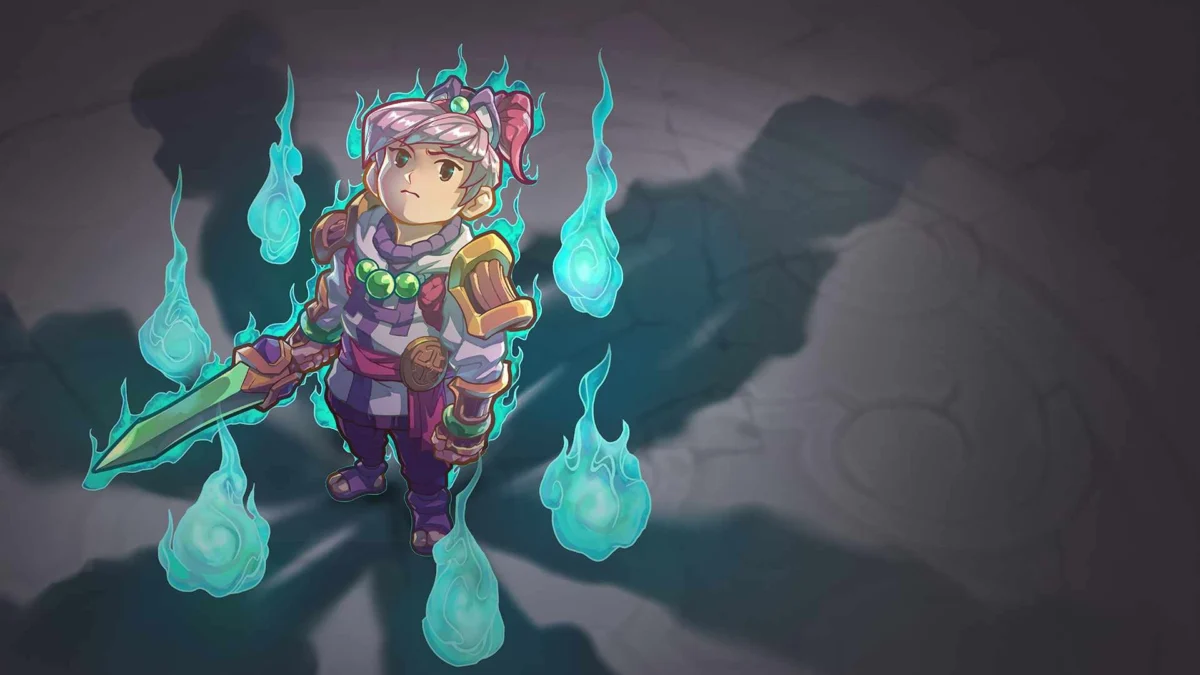
Team Trifold, the newcomer to this group, is hitting the ground running with its debut title, Nothing Lost. The project is being funded directly by Black Salt Games, leveraging the financial momentum generated by the massive success of Dredge. According to executive producer Nadia Thorne, this internal funding model, coupled with New Zealand’s advantageous Game Development Sector Rebate, provides the stability necessary for Team Trifold to focus exclusively on quality and iterative design.
Chronology: From Regional Success to Strategic Expansion
The path to this announcement is rooted in the steady growth of the Christchurch tech scene.
- The Rise of Black Salt Games: Following the international acclaim for Dredge, Black Salt Games established itself as a cornerstone of New Zealand’s gaming economy.
- The Rebate Catalyst: Throughout 2023 and 2024, the New Zealand government’s investment in the gaming sector began to pay dividends. As reported earlier this year, studios utilizing the sector rebate saw their combined revenue climb by 17%, reaching an impressive $829 million. This financial cushion allowed studios to look toward long-term growth rather than survival-mode development.
- The Formation of the Collective: With a firm footing, the leadership team began conceptualizing a “multi-studio strategy.” By gathering talent under one roof in Christchurch, they recognized that shared operational costs could protect individual teams from the volatility of the market.
- Team Trifold’s Inception: The team was formalized with three veteran industry members: Jed Uy (artist and writer), Wilson Teo (production and QA), and Carl Johnson (programmer).
- The Reveal of Nothing Lost: With their internal structure settled, the team recently unveiled their debut project, Nothing Lost, signaling their intent to challenge established tropes in the roguelike genre.
Supporting Data: Why Small Teams Are the Future
The economic philosophy driving Saltworks Entertainment is one of “resilient scale.” In an era where AAA development is often plagued by massive budgets and the need for high-end hardware, Saltworks is banking on the agility of smaller teams.
Nadia Thorne argues that the most sustainable model for the next five years of the industry is not found in massive, resource-heavy studios, but in small, highly focused teams. By sharing the "boring" but necessary aspects of game development—like legal, accounting, and QA infrastructure—individual developers can focus entirely on the core creative loop.
This model is supported by current industry trends. The “indie-pocalypse” discourse of the past decade has taught developers that growing too fast is often a recipe for failure. By keeping Team Trifold lean—a three-person core team—the studio avoids the overhead bloat that has led to widespread layoffs in larger firms. Their strategy is designed to keep development costs predictable while maximizing the quality of the final product.
Official Responses and Creative Philosophy
The members of Team Trifold bring decades of experience to the table, having worked across the spectrum from original indie IPs to high-pressure work-for-hire contracts.
Jed Uy emphasizes that the secret to their process lies in “design pillars.” For Nothing Lost, the team has established firm creative boundaries. "Individual details can and will change," Uy explains, "but commitment to a vision is non-negotiable." This commitment is tested through constant, rigorous playtesting—a hallmark of the studio’s workflow.
Wilson Teo, focusing on production, mirrors this sentiment: "One of the biggest lessons… is validating the core gameplay loop through rigorous playtesting feedback." He notes that in the competitive roguelike market, success depends on communicating the "why" of the game’s mechanics to the player.
The Nothing Lost Vision
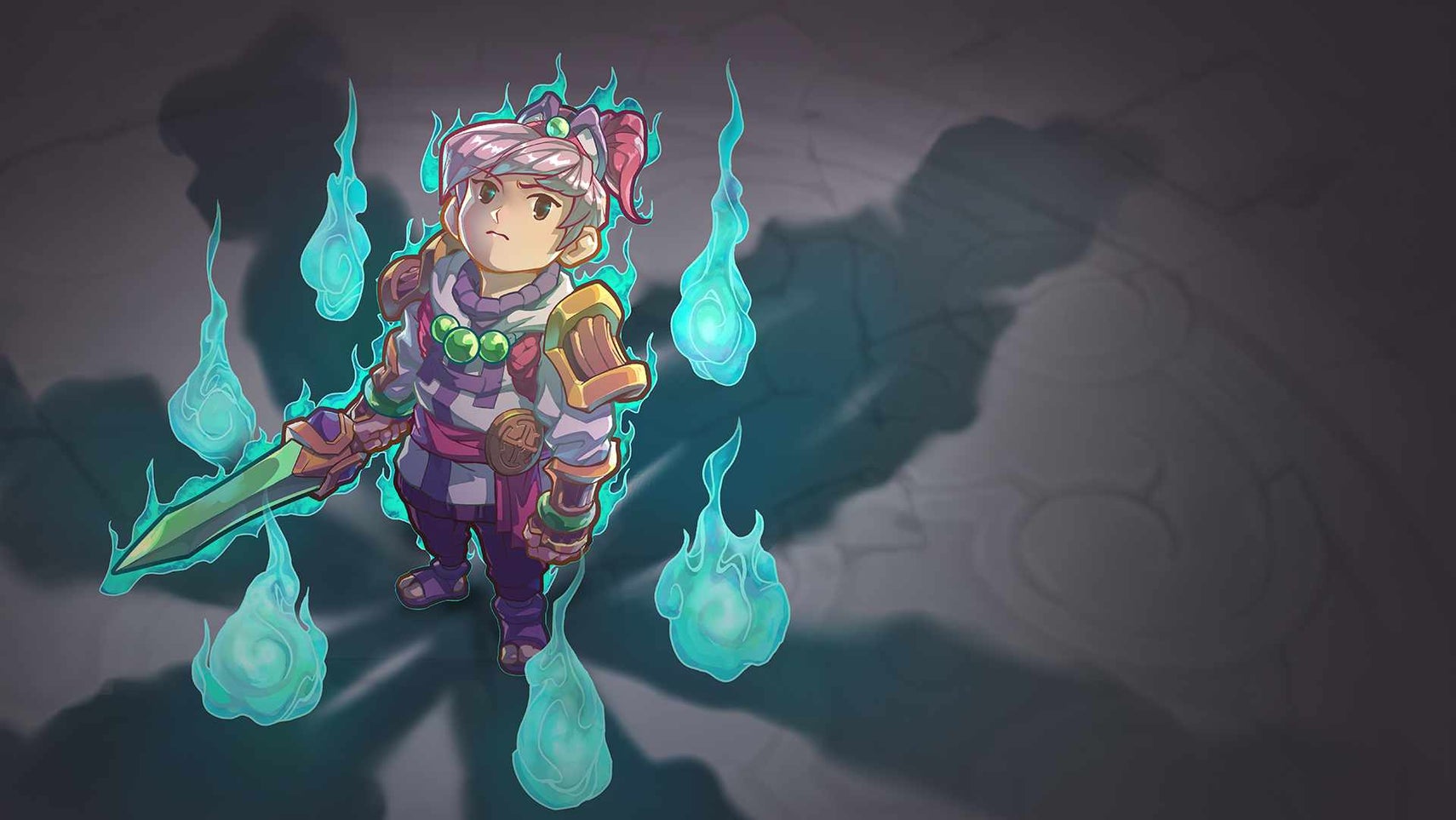
The game itself, Nothing Lost, aims to subvert the punishing nature of the roguelike genre. Influenced by the 2001 anime Shaman King, the game treats death not as a failure state, but as a core progression mechanic. Uy describes it as a “multiplicative death-based crafting system” that rewards players for what is traditionally considered the most frustrating part of the genre. By turning the “game over” screen into an opportunity for growth, the team hopes to offer a “sensational and wholesome” experience that stands out in a crowded marketplace.
Implications for the Industry
The launch of Team Trifold and the Saltworks ecosystem offers a potential blueprint for other indie hubs worldwide. The implications are significant:
- De-risking Innovation: By using the success of a veteran studio (Black Salt Games) to fund the debut of a new team, the industry can create a “circular economy” of talent and capital that doesn’t rely solely on venture capital or publisher whims.
- Regional Empowerment: The Christchurch model demonstrates that geography is no longer a barrier to global success. With the right government support—such as the Game Development Sector Rebate—remote tech hubs can produce world-class entertainment while maintaining a high quality of life for employees.
- The Death of "Crunch" Culture: By prioritizing sustainable growth and shared infrastructure, the Saltworks model aims to prevent the burnout that has become synonymous with indie game development. By offloading business and operations to a centralized team, creative developers like Uy, Teo, and Johnson can maintain a healthier work-life balance while still producing ambitious, high-quality titles.
Looking Ahead
As Nothing Lost moves through development, all eyes will be on how the roguelike community reacts to its “death-as-progression” loop. If successful, it will prove that the Saltworks strategy of “shared expertise, independent creativity” is a viable path forward for the next generation of game developers.
In a market currently defined by uncertainty, the Christchurch collective is betting on a simple, timeless truth: that the best games are built by teams who are empowered to focus, iterate, and sustain their creative vision without the crushing pressure of unsustainable corporate growth. For Team Trifold, the game has only just begun.

