

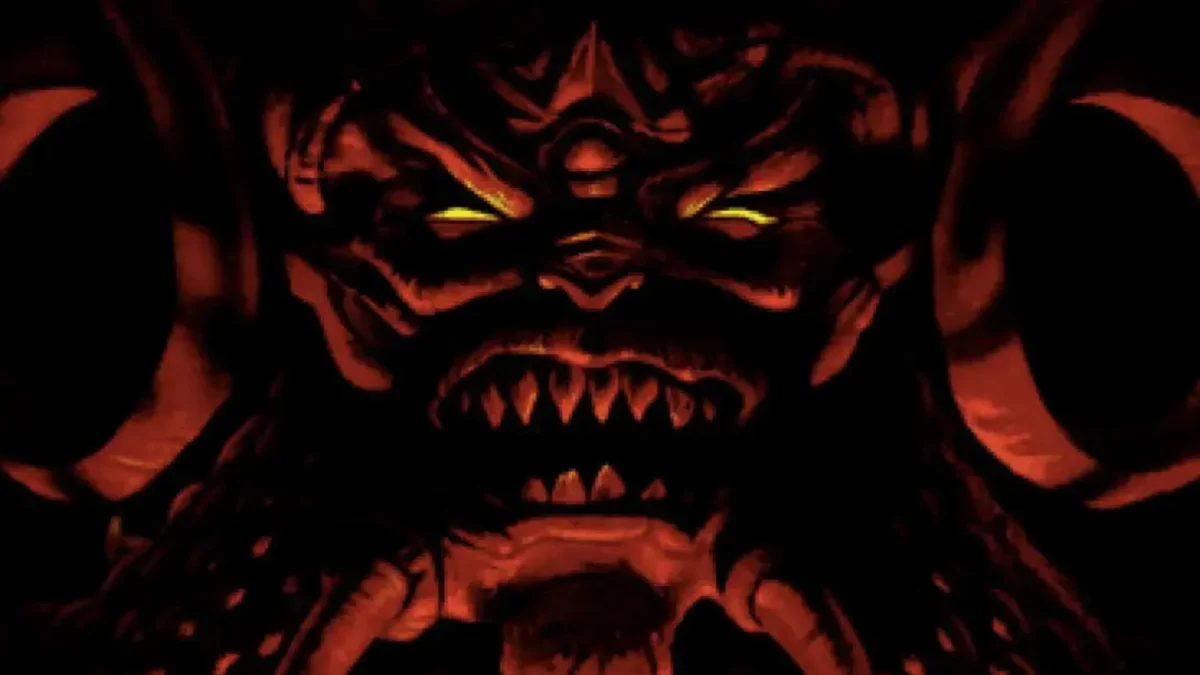
As the legendary action role-playing game (ARPG) franchise marks its monumental 30th anniversary, Blizzard Entertainment is pulling out all the stops to honor a legacy that essentially defined an entire gaming genre. During the recent BlizzCon presentations, the Diablo development team took center stage to reflect on the monumental journey that began back in 1996, bridging the nostalgic past with a bold, forward-looking roadmap.
While major discussions regarding Diablo 5 captured the attention of long-term visionaries, it was the imminent arrival of Diablo 4’s 15th season—appropriately titled Season of Hell’s Legacy—that stole the spotlight. Designed as a sweeping love letter to the franchise’s storied history, this upcoming season introduces "Waking Nightmares," a feature allowing modern players to experience legendary, retro encounters reimagined through the advanced engine, atmospheric art style, and refined combat mechanics of Diablo 4.
Main Facts: A Landmark Anniversary and the Season of Hell’s Legacy
The core announcement centers around the upcoming launch of Diablo 4’s 15th seasonal update, Season of Hell’s Legacy, which coincides with the 30th anniversary of the franchise’s inception. Spearheaded by Seasons Lead Owen Leach, Blizzard revealed a massive nostalgia-driven initiative called Waking Nightmares.
These special dungeons are meticulously crafted recreations of iconic environments and battles from previous entries in the series, specifically Diablo 1, Diablo 2, and Diablo 3. Among these, the Prime Evil Waking Nightmares stand out by thrusting players directly into the historic build-ups and confrontations against franchise mainstays Baal, Mephisto, and ultimately, the Lord of Terror himself, Diablo.
Most notably, one of the primary seasonal activities is an almost complete, condensed recreation of the original 1996 Diablo campaign. Players will fight their way from the familiar, haunted grounds of the Tristram Cathedral through the murky Catacombs and treacherous Caves, ultimately descending deep into Hell to face the Dark Lord once more.
Chronology: From 1996 Roots to the Road Toward Diablo 5
To understand the weight of the Season of Hell’s Legacy, it is essential to trace the historical timeline of the franchise and the strategic pivots Blizzard has recently undertaken:
- 1996: Blizzard North releases the original Diablo, introducing millions to dark gothic fantasy, procedural dungeon crawling, and real-time click-to-kill combat.
- 2000–2012: Diablo 2 perfects the loot hunt and character builds, followed years later by Diablo 3, which modernizes the franchise for a broader audience.
- June 2023: Diablo 4 launches to immense commercial success, establishing a live-service framework supported by continuous seasonal updates and major expansions.
- BlizzCon 2026: Blizzard outlines the future of the franchise, announcing that Diablo 4’s upcoming expansion, Lord of Hatred, will be the game’s final major expansion as the studio pivots resources toward the development of Diablo 5, slated tentatively for a 2029 release.
- Upcoming Launch: Season of Hell’s Legacy debuts, offering a nostalgic bridge between the franchise’s past triumphs and its upcoming final chapters.
Supporting Data and Technical Implementation
Bringing classic 2D pixel art and rudimentary 3D models from the late 1990s and early 2000s into the modern, physically-based rendering engine of Diablo 4 is no small technical feat. According to the development team, the Waking Nightmares system required an intricate translation of level geometry and atmospheric lighting.
- Three Distinct Dungeon Tiers: The Waking Nightmares feature is split into three core categories, each targeting different eras of the franchise’s history.
- The Prime Evil Tier: Focuses on the climactic acts of Diablo 2, recreating the specific architectural layouts and boss arenas leading to Mephisto, Baal, and Diablo.
- The Tristram Legacy Tier: Serves as a love letter to the original 1996 release, mapping out the multi-layered descent from the surface church down to the fiery depths of Hell.
- Engine Utilization: The dungeons utilize Diablo 4’s robust asset library, weather systems, and combat fluidity, ensuring that legacy encounters play with the responsiveness and speed modern ARPG fans expect.
Official Responses and Developer Insights
During the BlizzCon panels, Owen Leach shared his personal enthusiasm for the upcoming content, highlighting the emotional resonance of seeing where the franchise started versus where it stands today.

"The last one, and the one I’m probably the most excited about, is actually a recreation of almost all of Diablo 1, so you start in Tristram Cathedral, fight your way to the Catacombs, down to the caves, and then of course into Hell itself to take down Big Red, the Dark Lord, Lord of Terror, Diablo," Leach explained during a developer deep-dive.
Blizzard executives also addressed the broader corporate and creative strategy moving forward. With the announcement that Lord of Hatred will act as the final expansion for Diablo 4, the development team is restructuring its output. Rather than sustained, multi-year expansions, Blizzard is channeling its primary developmental manpower into building Diablo 5 from the ground up, with early targets pointing toward a 2029 release window. Consequently, upcoming seasons in Diablo 4—like Hell’s Legacy—are designed to carry the weight of keeping the community engaged and satisfied during this transitionary phase.
Implications for the Community and the ARPG Genre
The convergence of a 30th-anniversary celebration, nostalgic content drops, and the definitive timeline for Diablo 4’s twilight has sparked varied reactions within the global ARPG community.
1. The Nostalgia Factor vs. Live-Service Longevity
For longtime veterans who remember dropping into the original Tristram in 1996, the Waking Nightmares represent a powerful piece of interactive fan service. It validates decades of player loyalty by translating foundational gaming memories into the modern era. However, it also underscores a bittersweet reality: Diablo 4 is entering its mature phase sooner than some anticipated, given the confirmed end of major expansions.
2. A Content-Rich Bridge to Diablo 5
With Diablo 5 officially on the horizon for 2029, players are evaluating how Blizzard will sustain interest in Sanctuary over the next few years. If seasonal updates like Hell’s Legacy maintain this level of high-concept design, narrative depth, and heavy nostalgia, the community may experience a smooth transition rather than a stagnant content drought.
3. Setting a New Standard for Legacy Content
By embedding historical remakes directly into seasonal questlines, Blizzard is exploring a novel way to preserve gaming history. Instead of relying solely on external remasters or classic ports, integrating historical levels directly into a modern live-service ecosystem allows newer players to experience gaming heritage firsthand without leaving the current client.
As Season of Hell’s Legacy prepares to launch, the Diablo community stands at a fascinating crossroads—simultaneously celebrating the horrors that birthed the genre three decades ago while casting a hopeful gaze toward the next generation of darkness in Diablo 5.

