

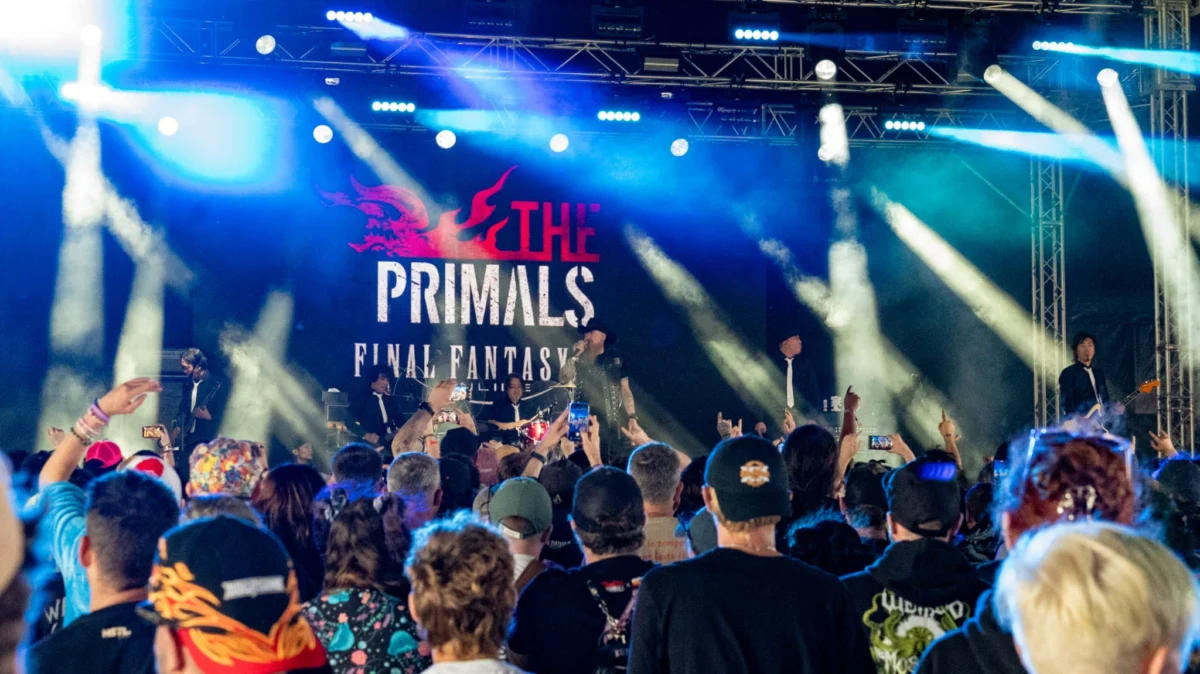
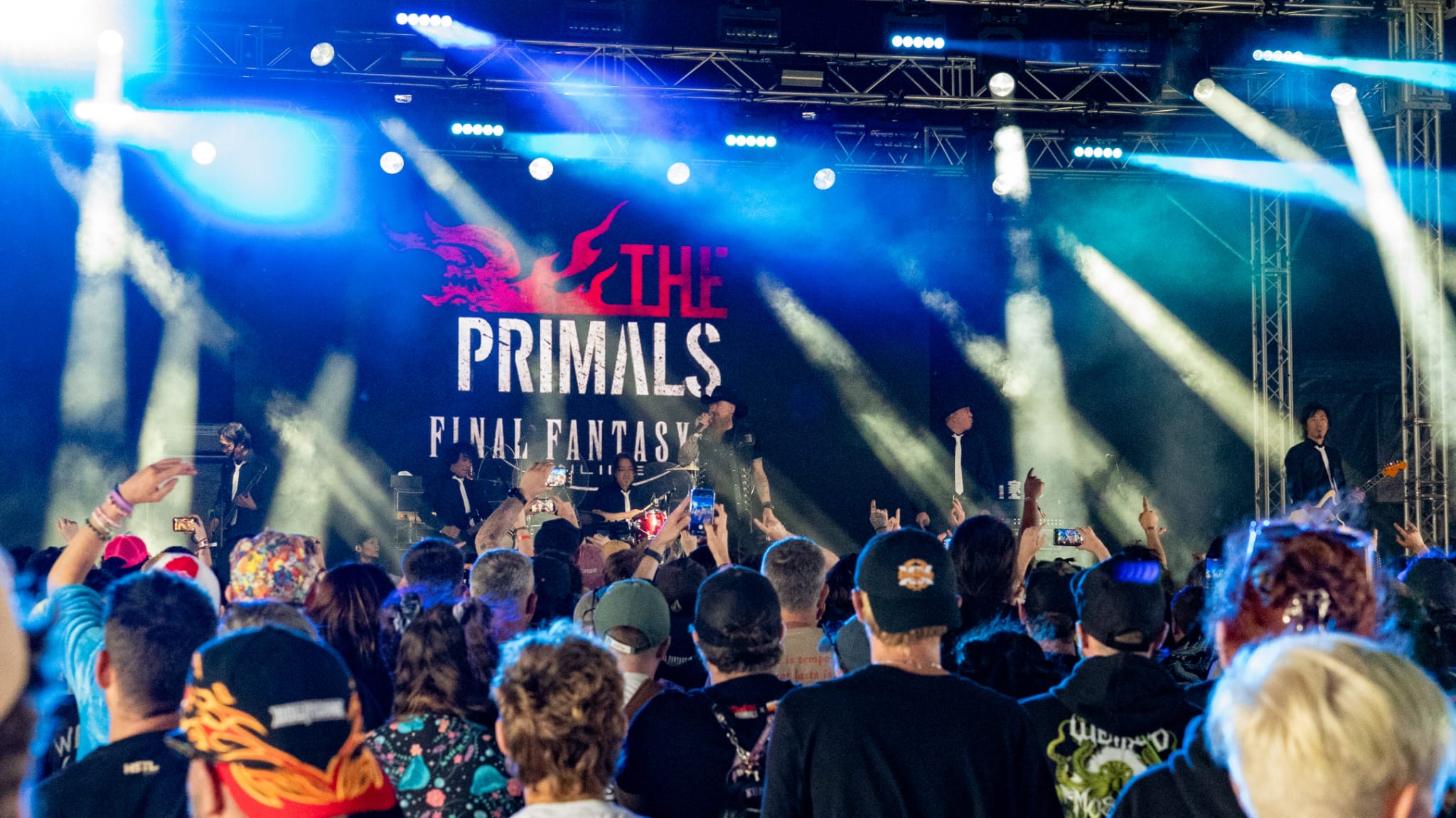
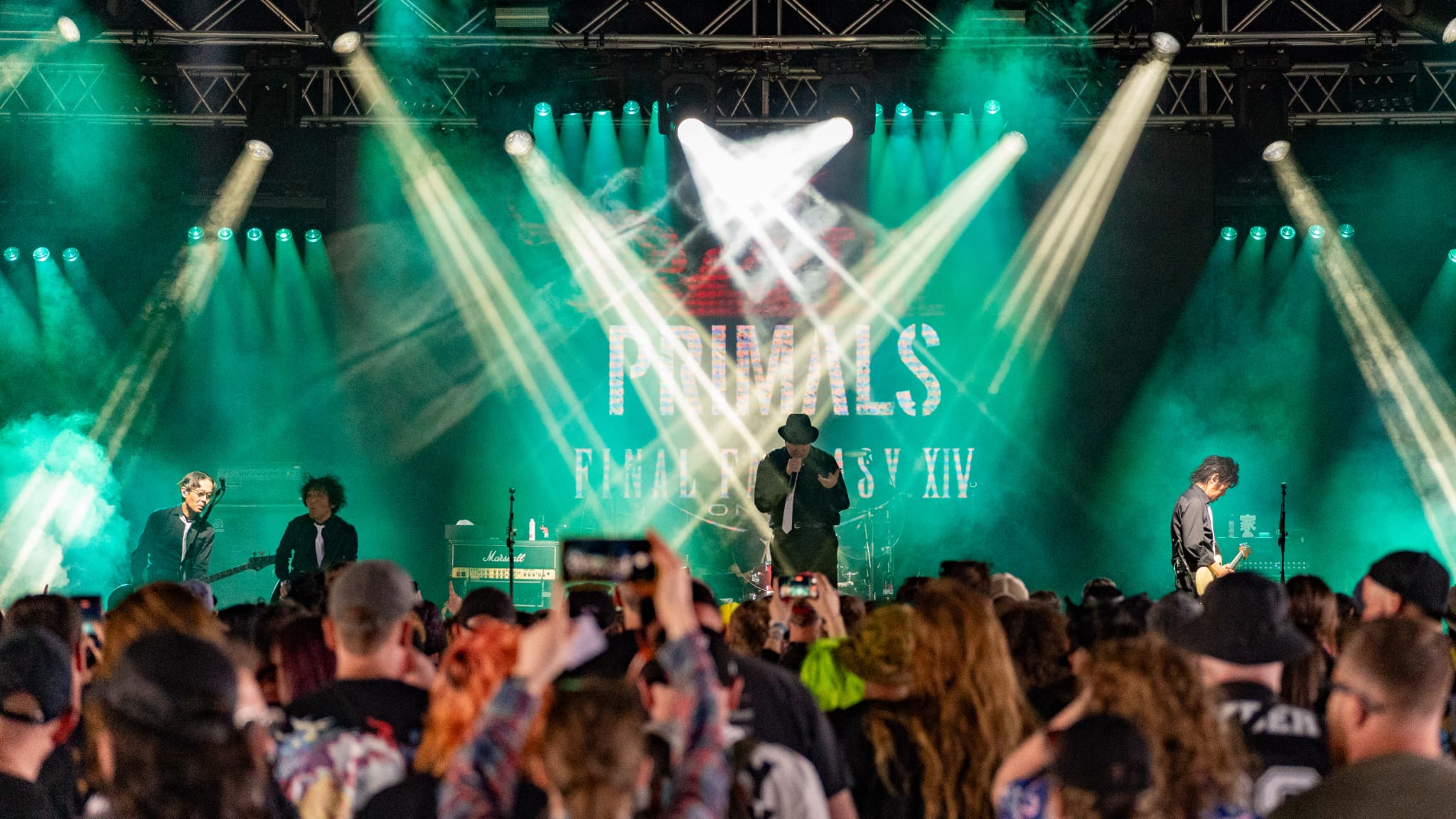
In the vast, sprawling ecosystem of contemporary music, the lines between "gaming culture" and "mainstream music" are becoming increasingly porous. For years, the intersection of these two worlds has been a one-way street: pop stars appearing in commercials for consoles, or Hollywood soundtracks borrowing heavily from the sweeping, cinematic tropes of interactive media. However, at the 2024 Download Festival in the United Kingdom, the dynamic shifted. The Primals—the official in-house rock band of Square Enix’s Final Fantasy XIV—took to the Dogtooth Stage, proving that the high-octane, symphonic metal of Eorzea doesn’t just belong in the digital realm; it commands a place in the hallowed, mud-caked arenas of real-world rock and roll.
The Convergence of Worlds: A Rare Crossover
The history of video game music (VGM) at mainstream festivals is brief and often relegated to novelty acts. We have witnessed the Tokyo 2020 Olympics opening ceremony integrate iconic chiptune anthems, and we have chuckled at the surreal imagery of the Vatican’s youth-oriented outreach programs utilizing Undertale’s "Megalovania." Yet, these instances often feel like academic nods to a subculture—a gesture of inclusion that stops short of true integration.
The appearance of The Primals at Download, the UK’s premier destination for heavy metal and hard rock, represented a radical departure from this trend. This was not a nostalgic orchestral tour or a digital-only event held within the game engine. This was a group of seasoned musicians, led by the legendary composer Masayoshi Soken, stepping onto a physical stage in Donington Park to play for a crowd of metalheads, goths, and festival veterans who—in many cases—had no prior connection to the MMORPG that birthed the band.
A Chronology of the Performance: From Tent to Tempest
For the uninitiated, Download Festival is a crucible. The "Dogtooth Stage," a massive, tented structure, offers a respite from the erratic British weather, but it is no sanctuary for the faint of heart. It is a space defined by high energy, thick bass lines, and the constant hum of a crowd that has survived days of camping and minimal hygiene.
On the day of the set, the atmosphere was thick with anticipation. Arriving 20 minutes before the 5:50 p.m. start time, the scene was already one of dense, claustrophobic energy. The crowd was a fascinating demographic split: the "Warriors of Light"—fans of Final Fantasy XIV easily identifiable by their game-branded apparel—were interspersed with curious metal enthusiasts, their black band tees standing in contrast to the vibrant, fan-art-heavy aesthetic of the MMO’s community.
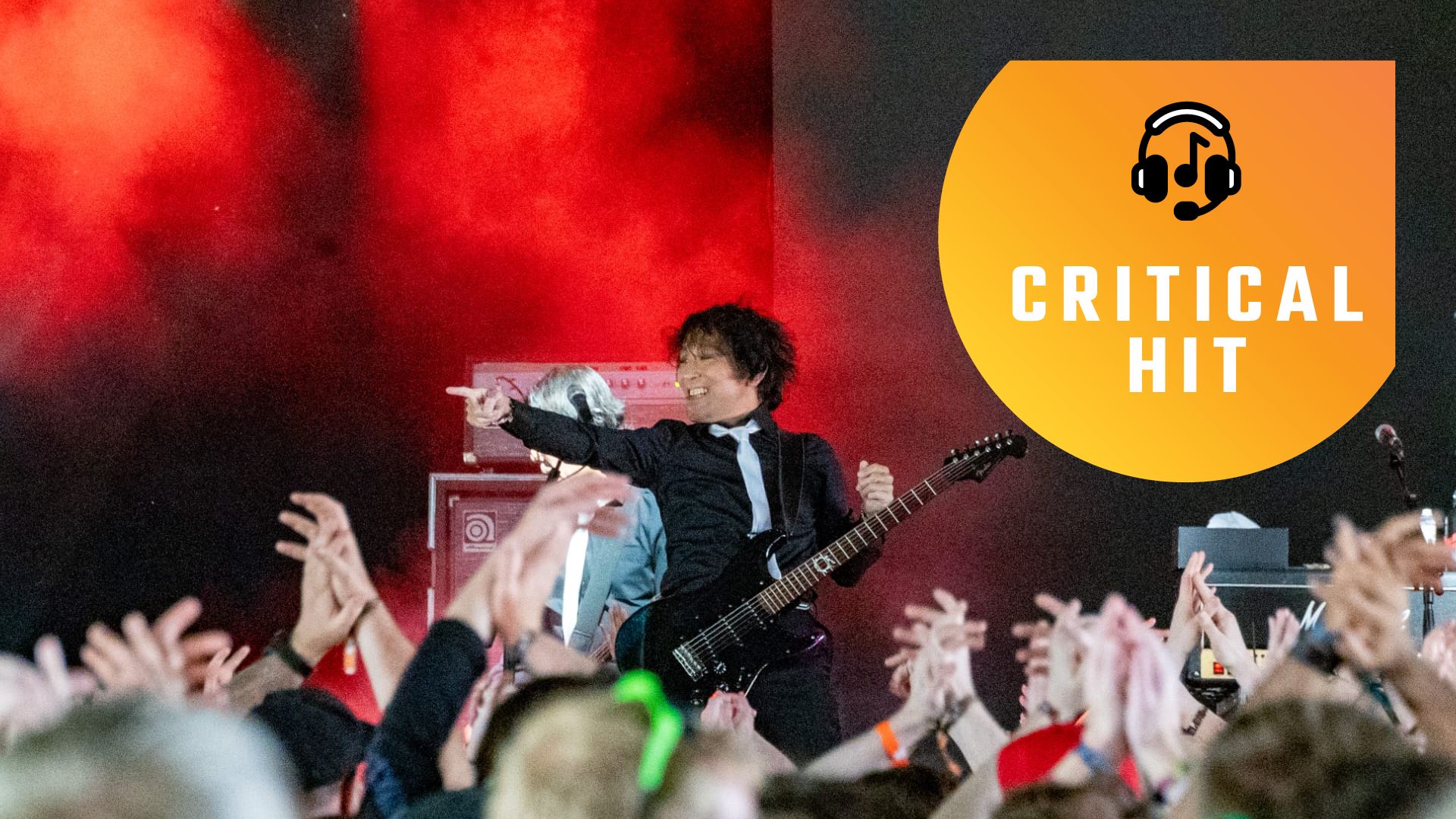
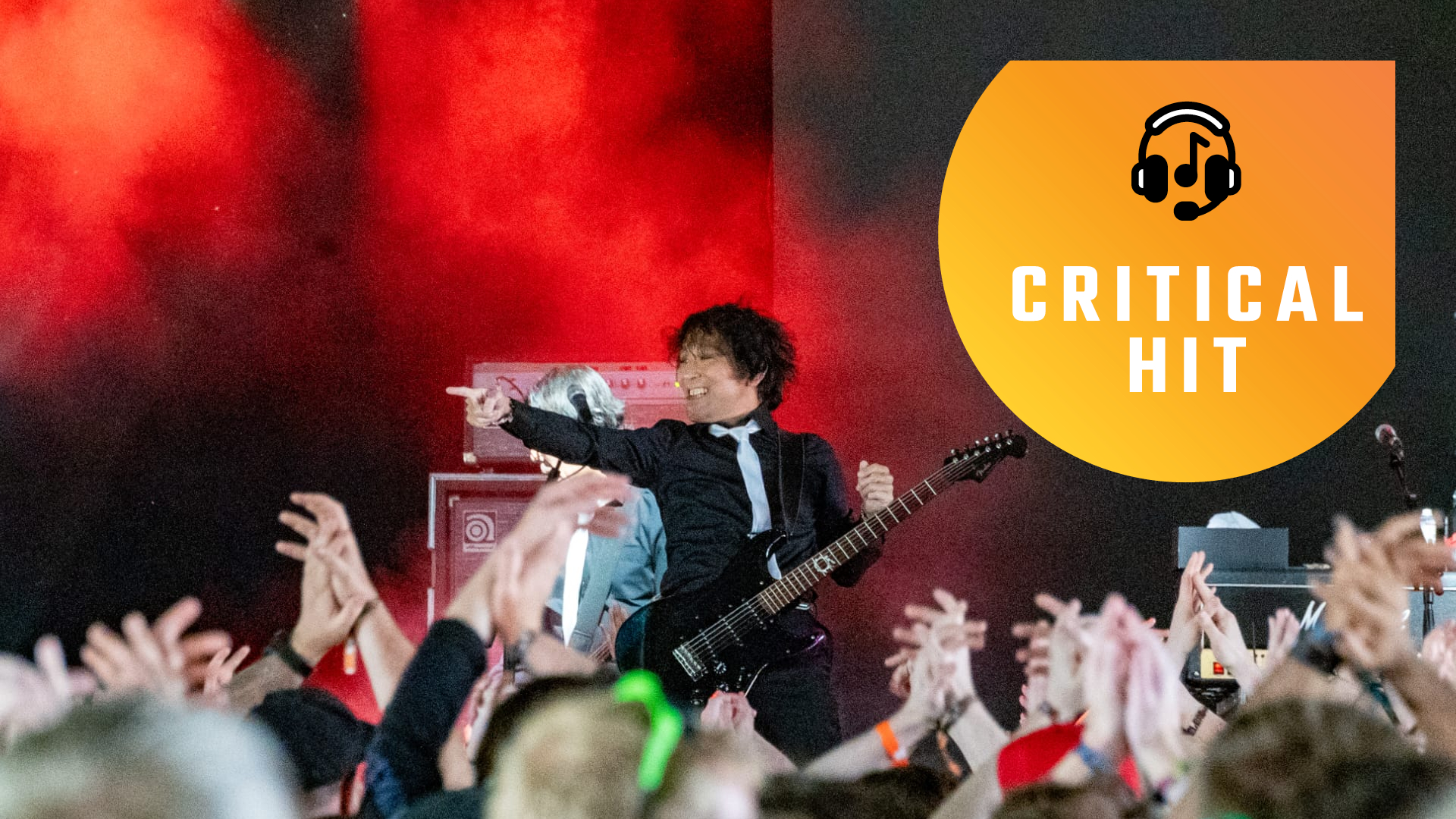
As the clock struck 5:50 p.m., the tension broke. The first distorted chords of "Shadowbringers" tore through the tent, serving as a sonic baptism for the audience. Masayoshi Soken, a figure as renowned for his chaotic stage presence as his melodic genius, led the charge alongside guitarist Gunn Lee, bassist Eikichi Iwai, drummer Tetsuya Tachibana, and vocalist Michael-Christopher Koji Fox. The set moved with the precision of a raid encounter, transitioning seamlessly into "Fiend," the heavy, rhythmic theme of the Heavensward expansion’s Sephirot. By the second song, the skepticism of the casual onlookers had dissolved into rhythmic headbanging.
The Anatomy of the Setlist
The Primals’ setlist was carefully curated to balance the demands of hardcore fans with the need to hook the casual listener. The band did not rely solely on the "greatest hits" of the game’s soundtrack, but rather on the most visceral, high-energy compositions that translate perfectly to a live rock format.
Following the initial surge of "Fiend," Michael-Christopher Koji Fox took the lead, addressing the crowd with a bravado that felt right at home at a rock festival. "You might have heard its soundtrack… fucking ROCKS HARD," he shouted to the audience, a sentiment that drew a massive roar of approval. The band then transitioned into "Not Afraid," a track that epitomizes the band’s transition from game-score composers to a legitimate hard-rock outfit.
The final act of the set featured the guest vocals of long-time collaborator Jason Charles Miller. The energy reached a fever pitch during "Absolute Tyranny," "eScape," and "Under the Weight." These tracks, characterized by complex time signatures and soaring, anthemic choruses, proved that the musical language of Final Fantasy XIV is universal. It doesn’t require a lore primer to appreciate the sheer technical proficiency of the band or the infectious energy of the compositions.

Official Responses and Behind-the-Scenes Perspectives
While the band is composed of employees of Square Enix, their performance at Download was a significant investment for the company. The logistical hurdle of bringing an exclusively Asian-touring act to the UK is substantial, but the payoff was clear. The official response from the Square Enix camp was one of quiet triumph; they viewed the performance not just as a marketing push for Final Fantasy XIV, but as a legitimate artistic validation of the game’s audio design.
For Soken, whose personal journey as a composer and performer is inextricably linked to the success of FFXIV, the stage was a platform to show the world that game music is not just "background noise" for a digital experience. It is a form of art that stands on its own merits, capable of holding the attention of a crowd accustomed to the likes of Iron Maiden or Slipknot.
Implications for the Future of VGM
The success of The Primals at Download Festival has profound implications for the future of game music in the public sphere. We are currently witnessing a "demystification" of video game culture. As the generation that grew up with Final Fantasy, Sonic, and Persona moves into positions of cultural and financial influence, the barriers that once separated "gamer music" from "real music" are crumbling.
1. Breaking the Niche Ceiling
The performance proved that a band can exist within a game’s ecosystem while simultaneously operating as an independent, viable live act. By stripping away the "videogame music" label and focusing on the raw quality of the performance, The Primals demonstrated that a good song is a good song, regardless of its origin.
2. The Potential for "Crossover Tours"
If a band like The Primals can command a tent at a festival as prestigious as Download, the door is now open for other iconic game-related musical acts to follow suit. The industry is rife with potential:
- Crush 40: The legendary Sonic the Hedgehog rock band would be a natural fit for high-energy festivals like Coachella or Reading & Leeds.
- Persona Live: A full ensemble performing the jazz-fusion and acid-rock tracks from the Persona series would offer a unique, sophisticated alternative to the standard rock-festival fare.
- The Legend of Zelda Orchestral Rock: A reimagining of Koji Kondo’s work with a modern metal backing could potentially reach a massive, untapped audience.
3. Cultural Validation
Perhaps most importantly, this performance validated the Final Fantasy XIV community. For the fans in attendance, seeing their passion acknowledged in such a visceral, public way provided a sense of community that the internet cannot replicate. It moved the "gamer" identity from the basement to the mainstage, proving that being a fan of a virtual world does not preclude one from being a part of the traditional rock-and-roll zeitgeist.
Final Thoughts: The Normalization of the Niche
As the final chords of "Under the Weight" echoed across the Dogtooth Stage, the lingering feeling among the crowd was not one of confusion, but of acceptance. If one were to walk into the tent without any knowledge of the Final Fantasy franchise, they would simply have witnessed an incredibly tight, high-energy, and technically gifted rock band.
The Primals succeeded because they refused to treat the festival as a gimmick. They arrived with the same intensity and professionalism as any other touring act, proving that when the walls of genre and origin are stripped away, quality persists. Moving forward, the goal for developers and artists should be exactly what The Primals achieved: making these marriages of communities feel "downright normal."
When we reach a point where a Final Fantasy band playing a set alongside heavy metal icons is viewed as a standard, expected occurrence, we will know that the cultural integration of video games is truly complete. Until then, The Primals remain a beacon of what is possible, a testament to the fact that with enough talent, volume, and a little bit of "Primal" energy, even the most niche corners of our favorite games can shake the foundations of the mainstream.

