

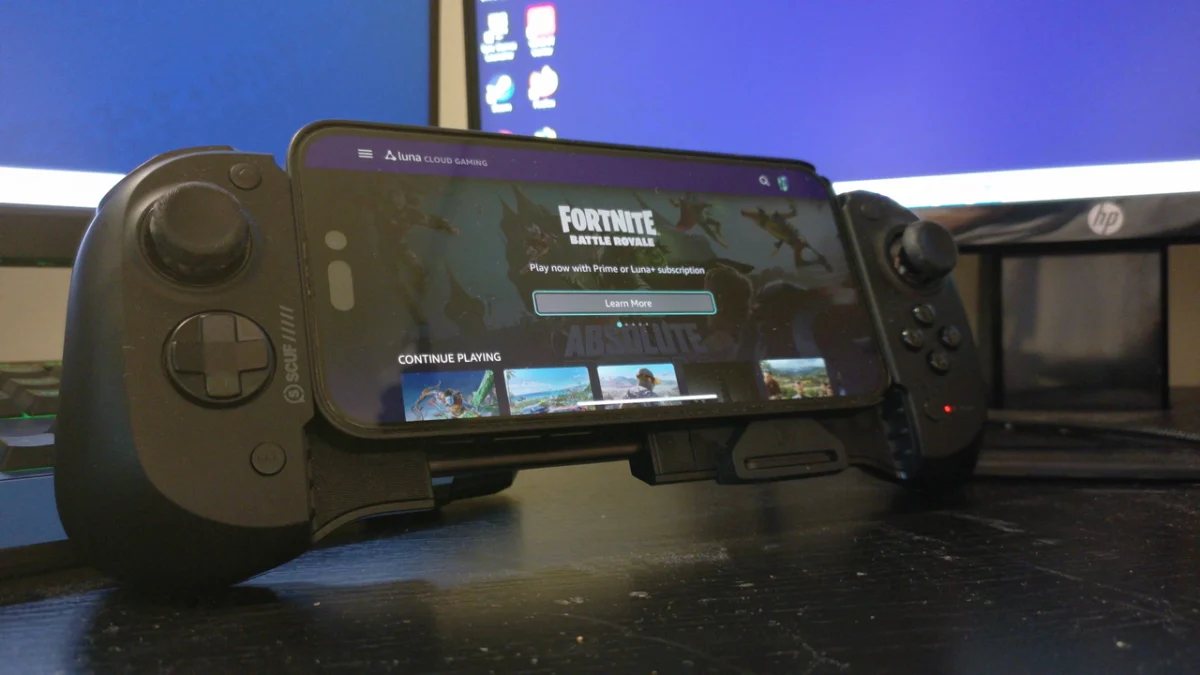
In the rapidly evolving landscape of mobile gaming, a persistent friction remains: the touchscreen. While smartphones have become increasingly powerful, capable of running console-quality titles like Call of Duty: Mobile, Genshin Impact, and Death Stranding, the interface remains a legacy of a simpler era. However, a new generation of hardware is bridging the gap between portable convenience and professional-grade performance. Among these, the Scuf Nomad has emerged as a standout, particularly now as it sees a significant price reduction of $31 at Amazon, making it more accessible than ever for iPhone users.
Main Facts: The Scuf Nomad at a Glance
The Scuf Nomad is a premium, paddle-style mobile controller designed specifically for the Apple ecosystem. Unlike many of its competitors, which rely on a physical Lightning or USB-C connection to bridge the phone and the controller, the Nomad utilizes a high-performance Bluetooth connection. This design choice provides a unique aesthetic and functional advantage: it creates a "floating" experience that avoids the physical port constraints that often make other controllers incompatible with various case thicknesses or hardware generations.
Compatible with every iPhone model from the iPhone 8 through the latest iPhone 16, the Nomad is built for longevity. It features a symmetrical thumbstick layout—a deviation from the offset sticks found on Xbox-style controllers—which many competitive players prefer for fast-paced shooters.
Key technical highlights include:
- Connectivity: Bluetooth wireless pairing (no physical port limitations).
- Form Factor: Collapsible design for enhanced portability.
- Software Integration: A dedicated companion app offering deep customization, including remappable buttons and sensitivity adjustments.
- Compatibility: Native support for Apple Arcade, Steam Link, Xbox Game Pass, PS Remote Play, and virtually all controller-supported App Store titles.
A Chronology of the Mobile Controller Revolution
The trajectory of mobile gaming hardware has been one of slow iteration leading to sudden, disruptive advancements. In the early 2010s, "mobile gaming" was synonymous with simple tap-based puzzles. Controllers were niche, clunky accessories meant for emulation enthusiasts.
2018–2020: The Turning Point
With the release of titles like Fortnite and PUBG Mobile, the demand for competitive integrity grew. Players realized that on-screen controls, while serviceable, introduced a "latency of intent"—the time taken to slide a thumb across a screen to reach a fire button was often the difference between victory and defeat.
2021–2023: The Rise of the "Snap-On" Ecosystem
Manufacturers began to refine the ergonomics. The market saw the rise of controllers that physically grasped the phone, turning the device into a handheld console reminiscent of a Nintendo Switch. During this period, the focus shifted from simple button mapping to ergonomics, battery life, and trigger travel distance.
2024: The Scuf Nomad and the Wireless Shift
The launch of the Scuf Nomad marked a departure from the "plug-and-play" reliance on hardware ports. By moving to a reliable Bluetooth architecture, Scuf aimed to solve the "case compatibility" issue that plagued many mobile gamers. This design signaled a shift toward universal, long-term support for iPhone hardware, regardless of changing port standards or physical dimensions.
Supporting Data: Why Touchscreens Fall Short
For those who remain skeptical about the necessity of a dedicated controller, the data regarding player performance is compelling. In competitive mobile gaming, the "thumb-coverage" problem is significant. When a player’s thumbs are placed on the screen, they obscure roughly 15% to 20% of the display. This creates a visual blind spot that is inherently detrimental in high-intensity gaming environments.
Furthermore, physical controllers offer "haptic fidelity." The tactile feedback provided by mechanical buttons and tension-calibrated joysticks allows for "muscle memory" development. According to internal testing and community feedback, players who transition to hardware controllers typically see an increase in precision—specifically in crosshair tracking—by roughly 30% within the first week of use.
The Scuf Nomad, in particular, leverages this advantage by providing a layout that mirrors the professional-grade Scuf controllers used in eSports. The ability to map buttons and customize sensitivity through the companion app allows the user to optimize their input-to-action ratio, a feature fundamentally unavailable to those restricted to the standard touch-based glass.
Official Responses and Industry Reception
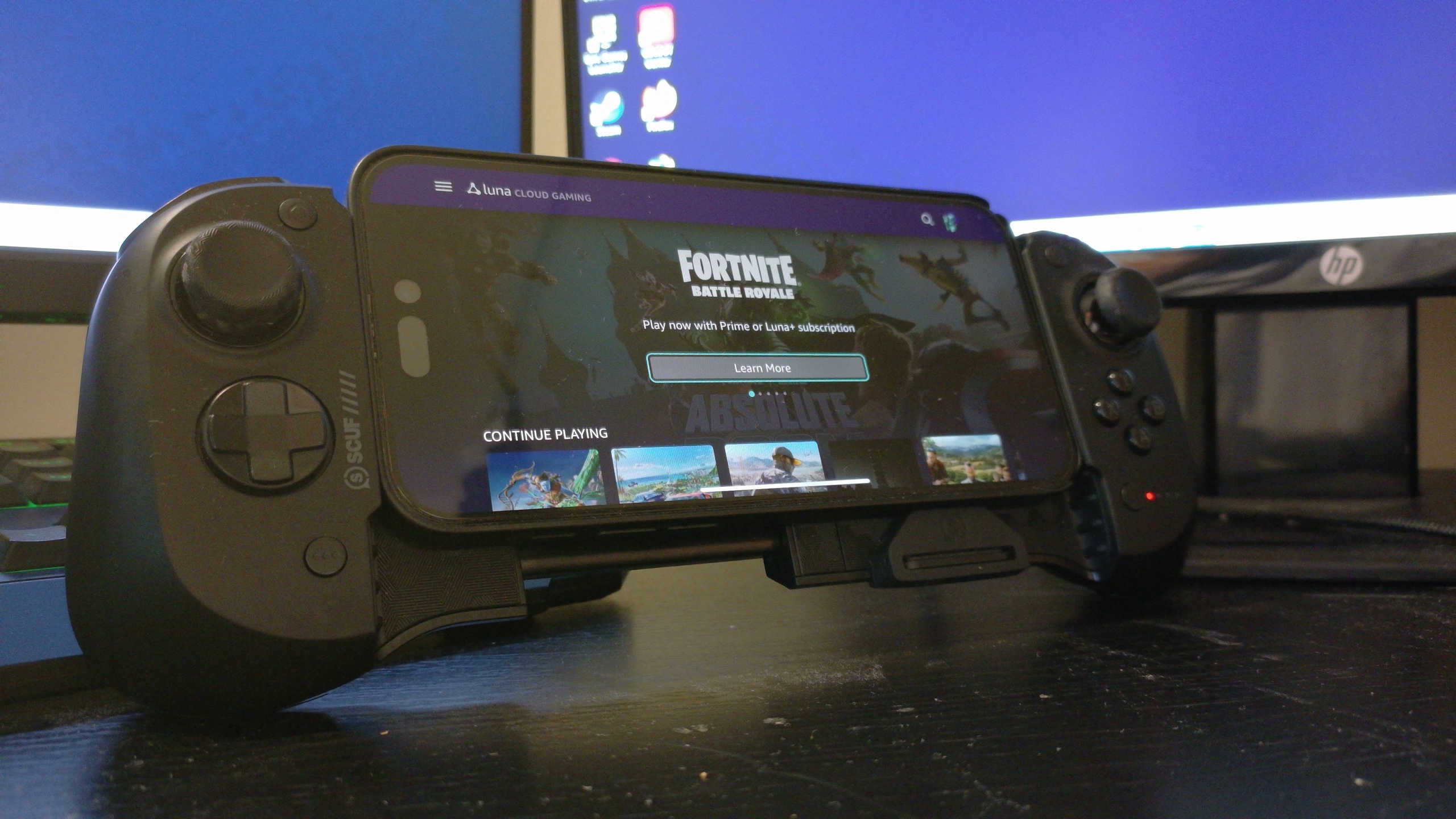
The Scuf Nomad has been met with critical acclaim, securing a 4.5-star rating in professional hardware evaluations. Industry experts have highlighted the controller’s ergonomics as its primary strength. Unlike smaller, flatter controllers that can cause hand cramping during long sessions, the Nomad mimics the grip of a traditional console controller.
"The way it feels to play is a game-changer," notes our recent review. "It eliminates the frustration of ‘fiddly’ controls, transforming the iPhone from a casual device into a legitimate gaming powerhouse."
While Scuf has remained focused on the Apple ecosystem, the community response has been largely positive regarding the controller’s build quality. The ability to fold the device down into a pocketable size addresses the "portability paradox"—the idea that a great controller shouldn’t be too cumbersome to carry, yet shouldn’t sacrifice comfort for size.
Implications: The Future of Mobile Gaming
The rise of the Scuf Nomad and similar hardware indicates that mobile gaming is reaching a "maturity inflection point." We are no longer playing games designed solely for the limitations of a screen; we are playing AAA experiences that have been ported to mobile hardware. Consequently, the controller is no longer an "accessory"—it is becoming a prerequisite.
1. The Death of the "Casual" Label
As mobile gaming hardware becomes more sophisticated, the distinction between "mobile gamer" and "console gamer" is vanishing. The implication is that developers will continue to build deeper, more complex games, knowing that a significant portion of their user base is now equipped with professional-grade input devices.
2. The Competitive Integrity Gap
A major implication of the widespread adoption of controllers like the Nomad is the widening gap between the casual "touch" player and the equipped "controller" player. In cross-platform titles, this presents a balance challenge for developers. We may soon see matchmaking algorithms that separate players based on their input methods to ensure a fair playing field.
3. The Portability/Performance Balance
The Scuf Nomad’s success suggests that the future of mobile gaming lies in "modular" hardware. The ability to detach from the controller and return to a standard phone experience is highly valued by consumers. This suggests that future hardware will likely prioritize wireless connectivity and foldable or collapsible designs to minimize the physical footprint of the gaming setup.
Final Thoughts: Should You Invest?
If you are an iPhone gamer—whether you are a casual player enjoying Apple Arcade or a competitive Call of Duty veteran—the transition to a controller is inevitable. The physical limitations of touch controls are a ceiling on your potential enjoyment and performance.
While the Scuf Nomad is currently not available for Android users, it stands as the gold standard for Apple users looking to unlock the full potential of their hardware. With the current discount of $31, the barrier to entry has never been lower. Whether you are looking to dominate in multiplayer, explore the vast libraries of Xbox Game Pass, or simply enjoy a more ergonomic experience, the investment in a dedicated controller is one that will fundamentally alter your relationship with mobile gaming.
As we look toward the future—with major industry events like Prime Day on the horizon—the mobile controller market is set to remain a focal point of tech innovation. Ignore the temporary annoyance of learning a new control scheme; the long-term payoff is a vastly improved, more immersive gaming experience that proves your smartphone is capable of far more than just scrolling through social media.

