

Welcome to Disk Cleanup, our recurring feature where we peer into the digital lives of the industry’s most influential figures. This week, we step into the virtual office of Harry Krueger, a luminary of the modern arcade-shooter renaissance. From his formative years as a programmer at Housemarque to the founding of his own independent studio, Cosmic Division, Krueger has defined a specific brand of "evocative, gameplay-first" design. We sat down with him to discuss the games that shaped his aesthetic, the software that fuels his creativity, and why he refuses to let certain classics leave his hard drive.
A Journey from LAN Parties to BAFTA Glory
Harry Krueger’s introduction to PC gaming was not a gradual descent, but a sudden, high-octane immersion. Unlike many industry veterans who grew up with home consoles, Krueger’s gaming life began in early adulthood, sparked by the frantic, sweat-soaked intensity of Quake 3: Arena.
"I went from zero to hero, basically," Krueger reflects on his early days. "I went from never having a PC in my life to setting up a LAN and getting Quake 3: Arena, Tiberian Sun, and Red Alert. We’d gather with friends in Greece, playing in my house with two teams. We had a friendly—and sometimes not so friendly—competition."

This competitive foundation proved to be the bedrock of his career. Krueger joined Finnish powerhouse Housemarque, where he helped define the studio’s transition into the "bullet-hell" genre. As a programmer, he contributed to titles like Outland and Resogun, but it was his tenure as Game Director on 2017’s Nex Machina and 2021’s critically acclaimed Returnal that cemented his reputation. Returnal was a watershed moment, securing four BAFTAs in 2022, including the prestigious "Best Game" award.
Following his departure from Housemarque in 2022, Krueger is now charting a new course with his studio, Cosmic Division. While the studio’s debut project remains shrouded in mystery, Krueger describes it as a "lean and mean" effort that will inherit the "arcade action DNA" that fans of his previous work have come to expect.
Current Play: The Resident Evil Renaissance
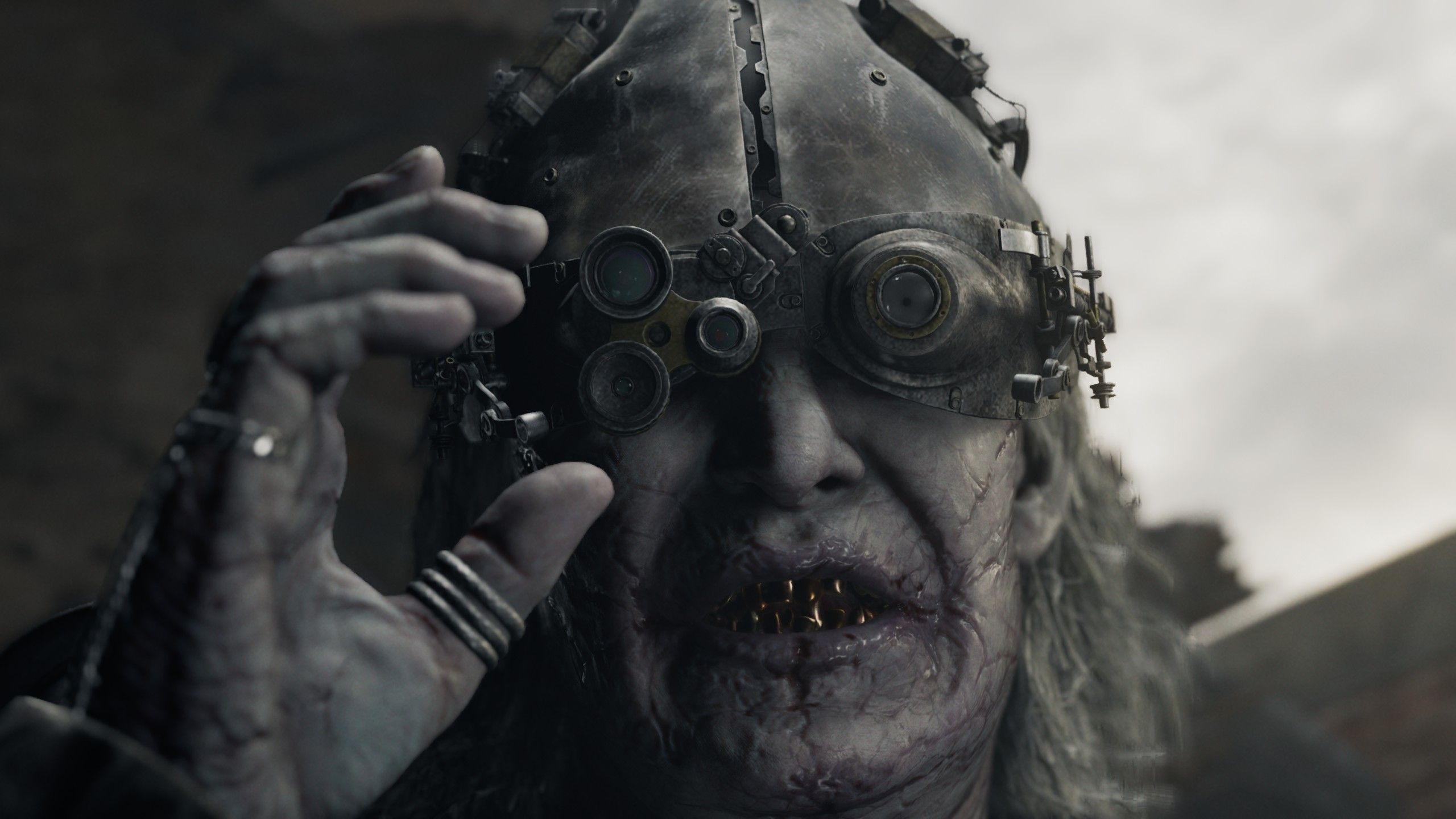
When asked what is currently consuming his limited downtime, Krueger points to Resident Evil: Requiem. A long-time aficionado of the franchise, his appraisal of the game is both analytical and enthusiastic.

"I’m a huge Resident Evil fan, and I honestly had pretty high expectations for Requiem, and it definitely delivered," he says. "It’s a phenomenal mixture of action and horror—balancing the power fantasy with genuine vulnerability. It’s up there with the very best of the series."
Krueger finds particular satisfaction in the game’s structural design. For a developer known for tight, fast-paced arcade loops, he clearly values the deliberate pacing and exploration found in survival horror. "The gunplay and the set pieces are incredibly satisfying," he adds. "But I also love the exploration—the keys, the secrets. I’m a bit of a completionist, so I enjoy going through all the nooks and crannies. I’ve finished it once, but it’s one of the few games where, once the credits rolled, I felt like I wanted to start all over again immediately."
Retrospective: From Monkey Island to Deus Ex
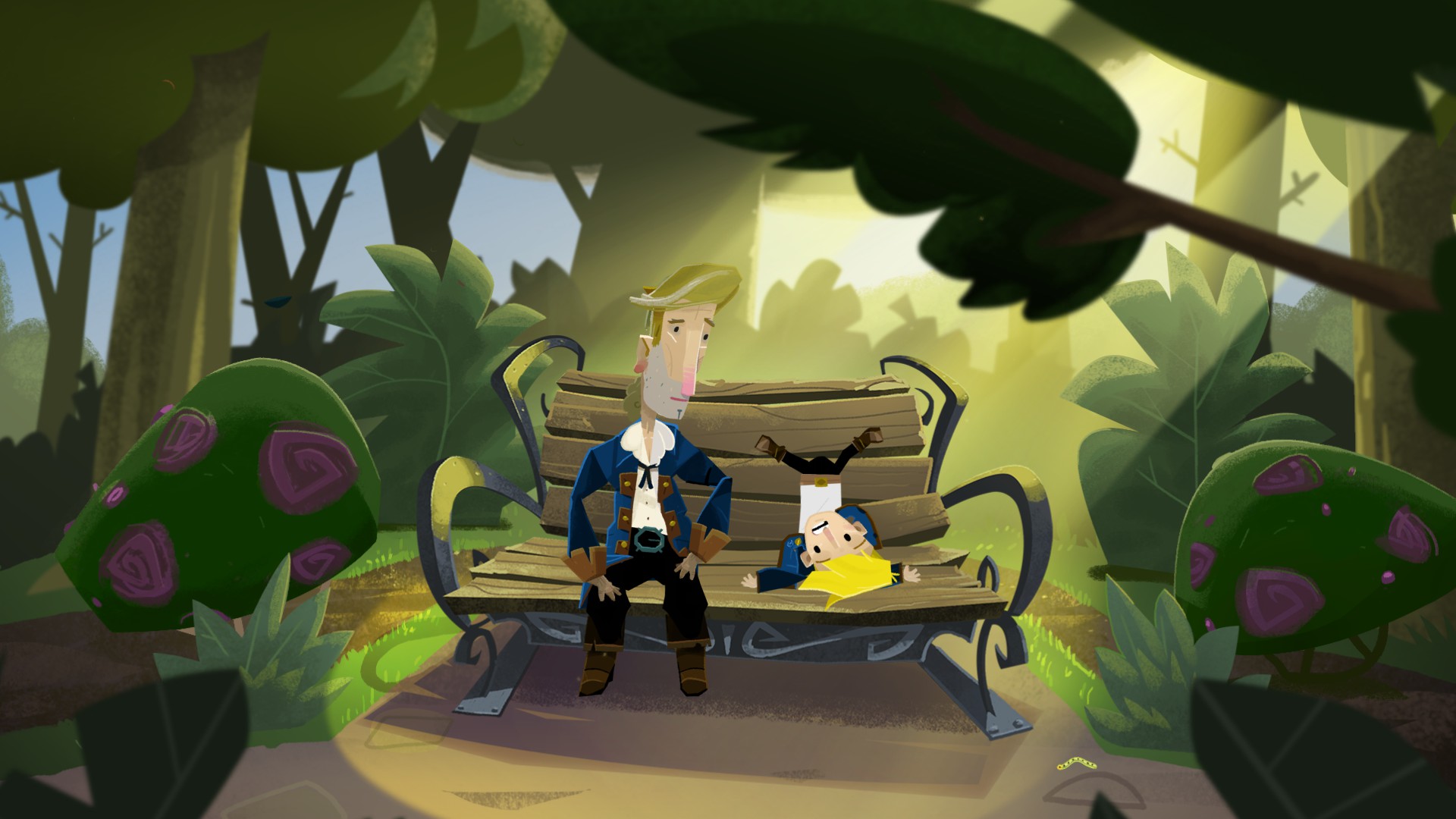
Krueger’s relationship with his PC storage is a reflection of his respect for game design history. When asked about the previous game he played, he highlights Return to Monkey Island.

"I’ve always cherished the Monkey Island series, and the latest installment felt like a true return to form," Krueger notes. "The puzzles were endearing, and the humor was top-notch. It’s interesting—we talk about how hard horror is to nail, but I feel that getting a consistently high caliber of humor is the hardest thing to achieve in any media. Monkey Island is one of the few series that succeeds at that."
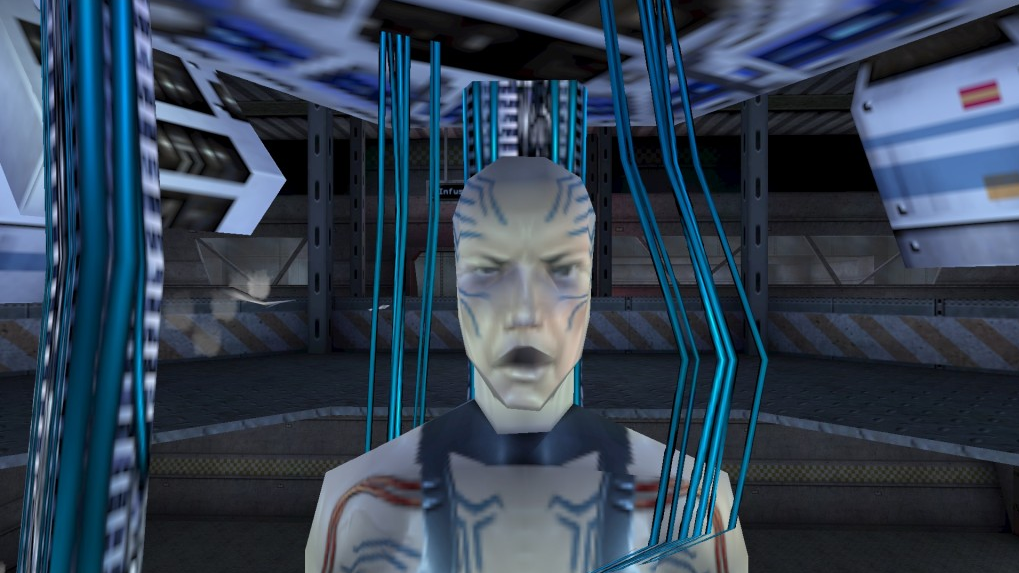
When asked for the oldest game currently installed on his machine, Krueger doesn’t hesitate: the original Deus Ex (2000). For the director, Deus Ex is more than just nostalgia; it is a masterclass in player agency.
"It’s one of my favorite games of all time," he says. "I appreciate the incredible mixture of exploration, action, and meaningful decision-making. I still consider it perhaps the best cyberpunk story ever told. I like to play as a completionist—stealthy, finding every keypad code, leaving no stone unturned. It’s a game that’s so rich with possibilities, and it reminds me why I got into this industry in the first place."
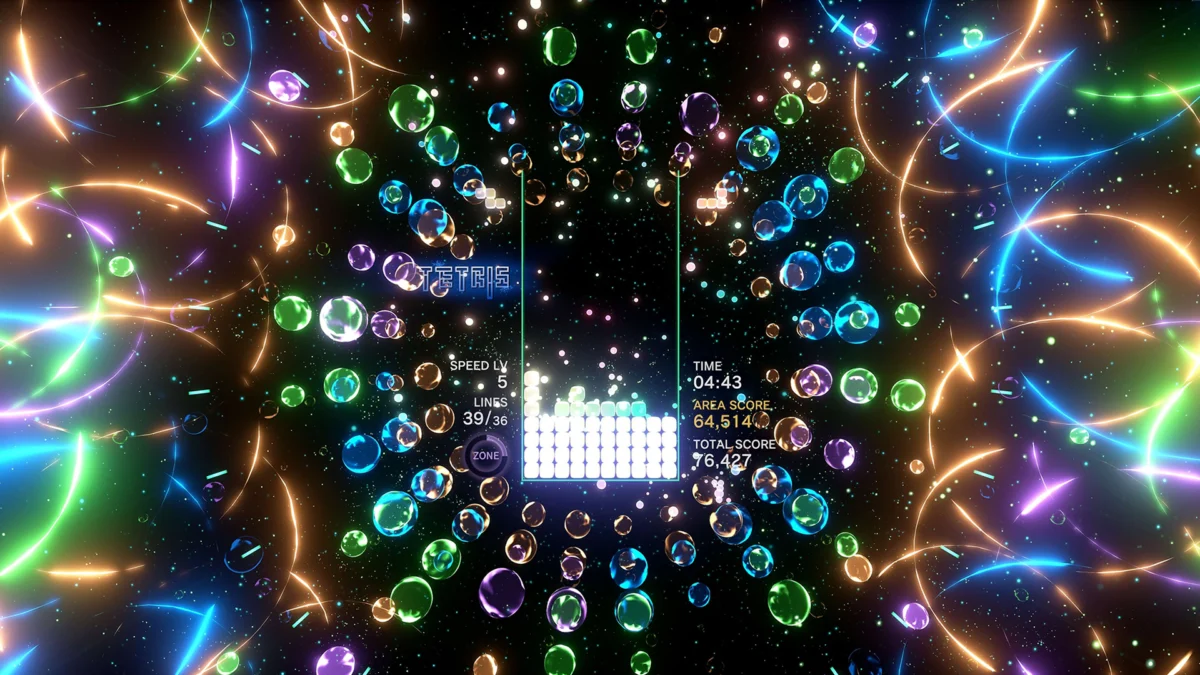
Analytical Data: The "Flow State" of Tetris Effect
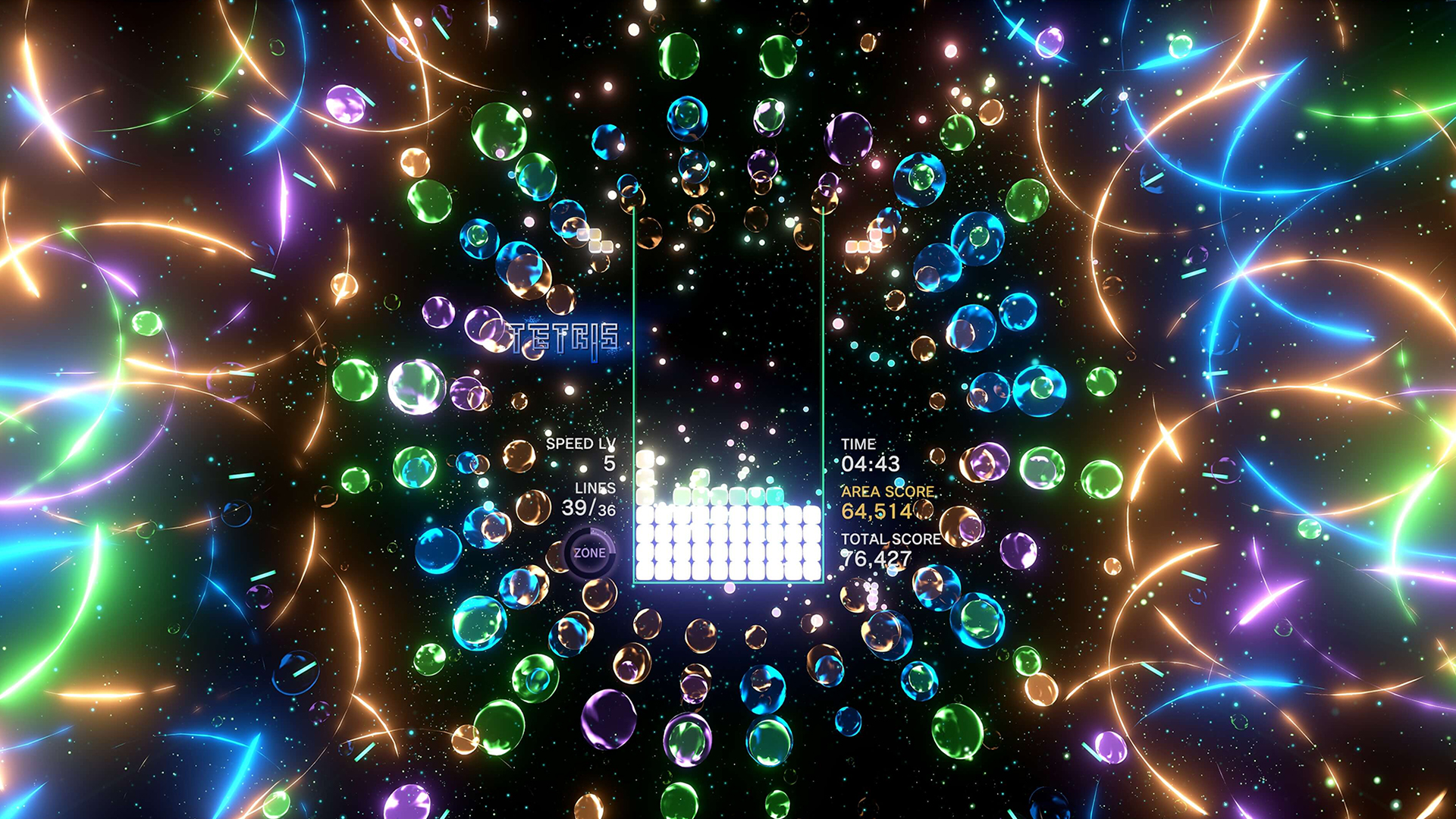
On the topic of raw playtime, Krueger’s Steam statistics reveal a surprising dedication to Tetris Effect, with over 200 hours logged.
"I’m a huge Tetris fan," he explains. "I played it religiously on my original Game Boy. Tetris Effect is a brilliant example of a design that’s simple to execute but takes a lifetime to master. It’s a great reference point for game-feel. You can make a game functional, but getting it to feel ‘crunchy’ and satisfying—getting that impact loop right—takes an immense amount of effort to make feel effortless."
Krueger now uses the game’s "Zone" mode as his primary method of decompression. "It’s my go-to game when I want to kick back and enter that instant flow state without overthinking."
The "Never Uninstall" List: Ikaruga
If there is one title that defines Krueger’s design philosophy, it is Ikaruga. It is the one game that he insists will never be removed from his storage.
"It’s a treasure at its finest," he says. "I adore everything about it: the gameplay, the music, the bullet patterns, the bosses. It’s poetry in motion. When I was working on Nex Machina or Returnal, I constantly looked back at Ikaruga for inspiration. It’s not just the bullet-hell gameplay, but the elegance and beauty of its formula and how minimalistic yet effective its narrative is."
For Krueger, having Ikaruga installed is akin to having a touchstone. "Even when I’m not actively playing it, it’s comforting to have it there. It’s like having an old friend nearby who reminds you of who you are."
Professional Tooling: The Art of the Mood Board
When we shift the conversation to non-gaming software, Krueger reveals the secret weapon behind his creative process: PureRef.
"I’m a very visual person," he explains. "When working on pitches like Returnal, I lean heavily on PureRef to organize raw reference materials. You collect textures, themes, and lighting references, and suddenly you start seeing patterns. It’s a distillation process—taking a massive vat of raw ideas and iteratively narrowing them down to the bare essentials."
This methodology extends to his desktop management. While he admits to being "pretty tidy," he acknowledges that his digital space is a reflection of his workflow. He keeps project-related materials in the top right, music projects in the top left, and lets the "chaos" of new, temporary files live on the left side of his screen—a system that, while seemingly casual, hides the rigorous organization of a director who understands the value of structure.
Implications for the Future
Krueger’s transition from a major studio director to an independent founder marks a significant shift in his career. His focus on "lean and mean" development, combined with a deep, encyclopedic appreciation for the classics—from Deus Ex’s narrative depth to Ikaruga’s mechanical elegance—suggests that his upcoming project with Cosmic Division will likely be a synthesis of these influences.
As he continues to curate his digital workspace and revisit the titles that defined the medium, one thing is clear: Harry Krueger is not just building games; he is continuing a lineage. Whether he is analyzing the "crunch" of a Tetris block or the stealth mechanics of a 24-year-old immersive sim, his work remains driven by a fundamental desire to create experiences that resonate, challenge, and endure. For now, we wait to see how these lessons—distilled through PureRef and tempered by decades of gaming—will manifest in the next great arcade-action experience.

