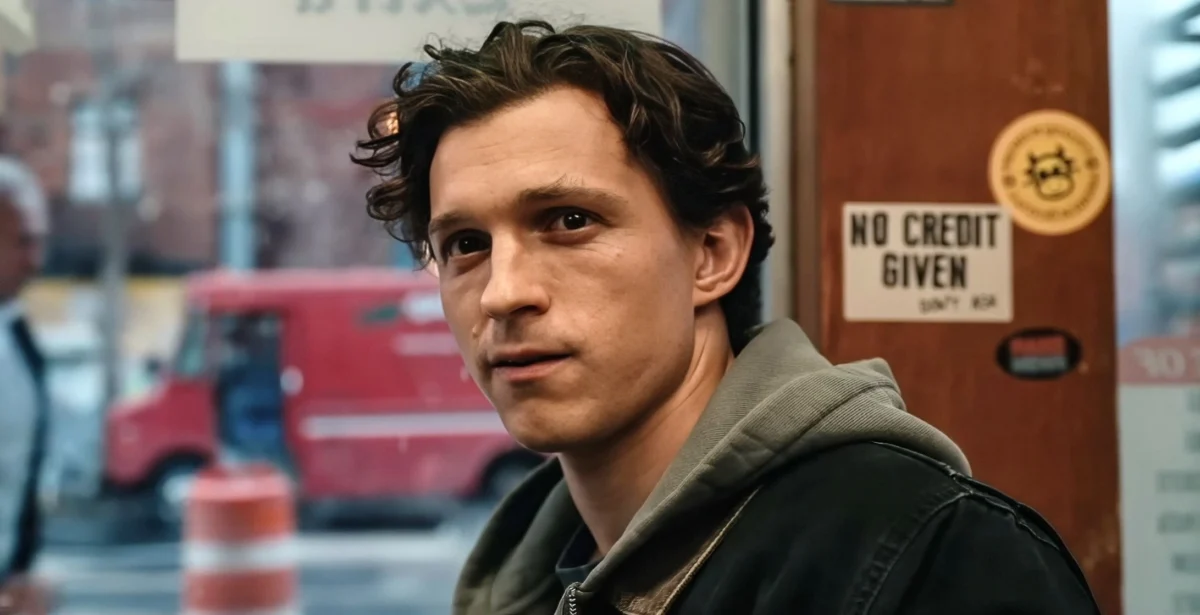
With the release of Spider-Man: Brand New Day marking Tom Holland’s fourth standalone feature as the iconic web-slinger, the conversation surrounding the cinematic legacy of Marvel’s flagship hero has naturally circled back to its origins. Before the cosmic stakes of Avengers: Infinity War, the reality-fracturing consequences of No Way Home, and the complex multiverse expansions that followed, Holland’s journey began on much smaller, more grounded streets.
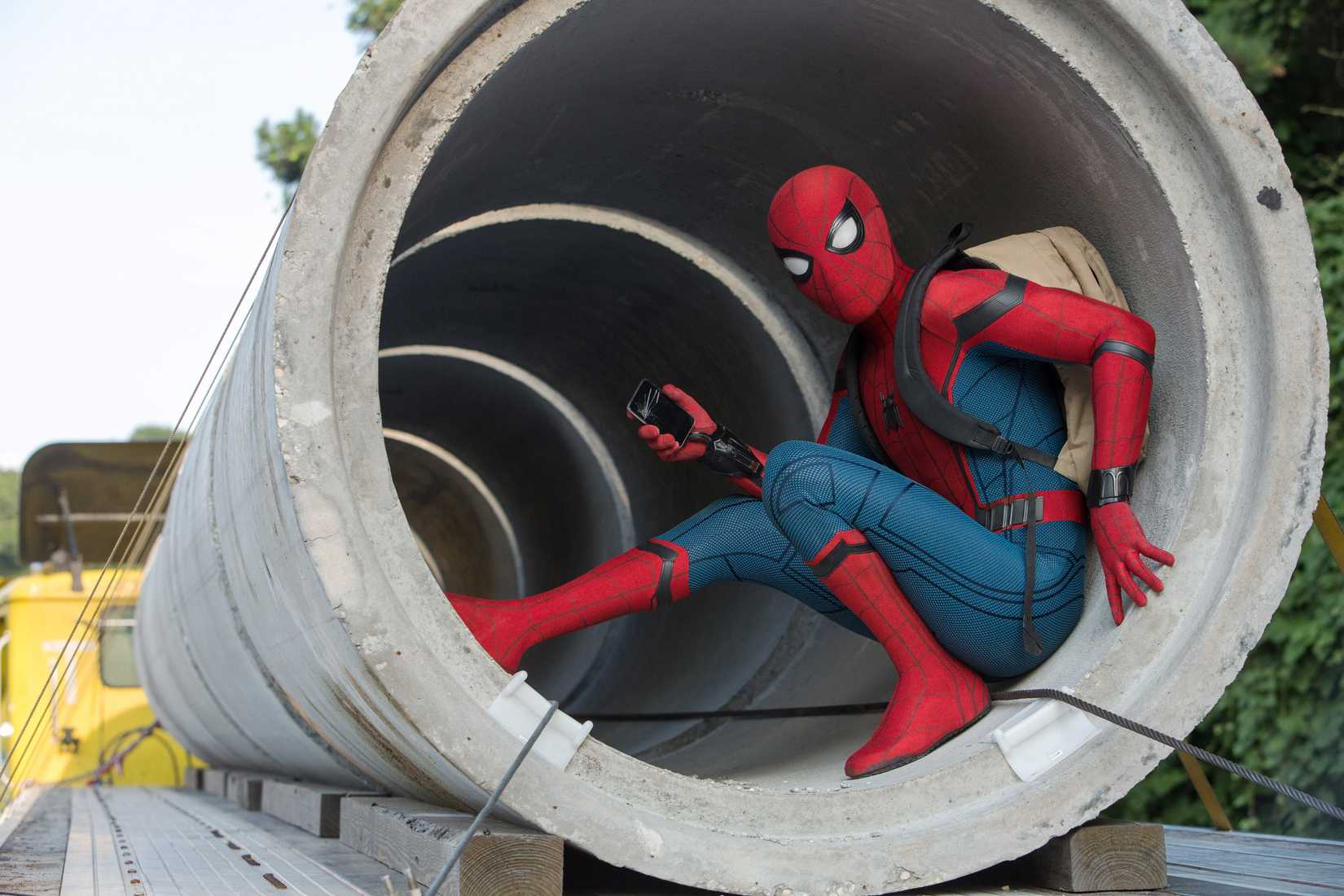
Directed by Jon Watts, 2017’s Spider-Man: Homecoming stands as a pivotal entry in the Marvel Cinematic Universe (MCU). Bypassing the well-trodden origin story of radioactive spiders and the tragic loss of Uncle Ben, Homecoming dropped audiences directly into the life of a 15-year-old Peter Parker trying to balance algebra quizzes, high school decathlon prep, and localized neighborhood heroics in Queens.
However, fans looking to revisit the film before its departure from Netflix on October 1 face a ticking clock. As the definitive starting point for Holland’s tenure as Peter Parker, Homecoming offers a masterclass in tone, character growth, and ground-level world-building that shaped the trajectory of the MCU’s street-level storytelling.
Chronology: From Civil War to the Streets of Queens
To understand the narrative footing of Spider-Man: Homecoming, one must trace the precise sequence of events that brought Peter Parker into the broader MCU.
The Introduction (2016): Peter Parker makes his bombastic debut in Captain America: Civil War. Recruited by Tony Stark (Robert Downey Jr.) using a smuggled, technologically advanced suit, Peter is thrust into an airport battle alongside and against some of the world’s mightiest heroes, including Captain America, The Winter Soldier, Falcon, and Iron Man.
The Post-Battle Re-entry (2016): Following the events of Civil War, Peter returns to his ordinary life in Queens, New York. Expecting a promotion to full-time Avenger status, he is instead met with silence from Tony Stark and Happy Hogan, relegated back to handling bicycle thieves and lost tourists.
The Discovery of the Vulture (2016): Peter stumbles upon an illegal arms-dealing ring utilizing scavenged alien technology left behind after the 2012 Battle of New York. This operation is spearheaded by Adrian Toomes (Michael Keaton), a working-class salvage contractor turned ruthless criminal after a Stark-backed corporate merger forced him out of business.
The Clash and Consequence (2017 Release Window / 2016 In-Universe): Peter attempts to dismantle Toomes’ organization single-handedly to prove his worth to Stark, culminating in a ferry disaster rescue, the destruction of an invisible plane, and a grueling personal confrontation that ultimately forces Peter to rely on his own inner strength rather than high-tech gadgets.
Supporting Data and Production Context
When Spider-Man: Homecoming swung into theaters in July 2017, it faced immense pressure. It was the third cinematic iteration of Spider-Man in fifteen years, following Sam Raimi’s beloved trilogy starring Tobey Maguire and Marc Webb’s The Amazing Spider-Man series starring Andrew Garfield.
The financial and critical data surrounding the film underscored its massive success:
Box Office Performance: Produced on an estimated budget of $175 million, Homecoming grossed approximately $880 million worldwide, cementing the character’s commercial viability under the newly brokered Marvel Studios and Sony Pictures co-production deal.
Critical Reception: The film holds a certified fresh rating of 92% on Rotten Tomatoes, with critics widely praising its John Hughes-inspired coming-of-age tone, comedic timing, and Michael Keaton’s nuanced portrayal of the villainous Vulture.
The Infamous Continuity Glitch: Among fan communities, Homecoming is famous for an accidental chronology error. The film opens with a sequence set during the 2012 Battle of New York, followed immediately by an on-screen title card reading "Eight Years Later," which threw the meticulously mapped MCU timeline into mathematical chaos (placing the film in 2020 rather than its actual in-universe year of 2016). Marvel Studios later course-corrected this with official timeline guidebooks, but the blunder remains a humorous piece of MCU lore.
Official Responses and Creative Intentions
Behind the scenes, the creative team was intentional about distinguishing Holland’s version of Spider-Man from his predecessors. Director Jon Watts and Marvel Studios President Kevin Feige focused heavily on youth, anxiety, and the mundane realities of being a teenager gifted with superhuman abilities.
In promotional interviews during the film’s release, Kevin Feige emphasized the unique storytelling space opened up by bypassing the origin story:
"We’ve seen the bite, we’ve seen Uncle Ben’s pearls falling in the alleyway. Those are great stories, and they’ve been told twice. What we hadn’t seen was a junior in high school dealing with real-world problems while trying to figure out how to navigate a world populated by gods, billionaires, and super soldiers."
Tom Holland frequently spoke about the physical and emotional demands of the role, noting that the production aimed to capture the authentic awkwardness of youth:
"Peter Parker isn’t trying to save the galaxy in this movie; he’s just trying to ask Liz out to the homecoming dance. That contrast is what makes him so relatable. The stakes are small on a global scale, but to a 15-year-old kid, they are everything."
Implications: The Long-Term Arc of the MCU’s Web-Slinger
While Homecoming was celebrated for its charm and humor, it faced initial pushback from comic book purists who took issue with Peter’s reliance on Stark Industries technology. Outfitted with an artificial intelligence nicknamed "Karen," over 500 web-shooter combinations, and a controversial "instant kill mode," some fans argued the character resembled "Iron Man Jr." rather than the self-reliant, scrappy underdog of the source material.
However, viewing Homecoming as the opening chapter of a much larger narrative reveals the brilliance of this creative choice. The tech-heavy suit served as a deliberate narrative crutch. When Tony Stark strips Peter of the suit as punishment for his recklessness during the ferry disaster, Peter is forced into a moment of profound realization. Trapped beneath tons of concrete in a collapsing warehouse, he must find the hero within himself—not in the armor gifted to him by a billionaire mentor.
This foundational struggle paved the way for the emotional maturity required in subsequent films like Avengers: Infinity War, Avengers: Endgame, and Spider-Man: No Way Home. By the time Peter enters the events of Brand New Day, he has shed the training wheels, outgrown his reliance on advanced tech, and evolved into a truly independent, mature protector of New York City.
As Homecoming prepares to leave Netflix on October 1, its legacy remains secure. It proved that superhero cinema does not always need multiversal incursions or world-ending stakes to resonate; sometimes, the most compelling stories happen when a teenage kid from Queens puts on a homemade suit and simply tries to do the right thing.