

By Global Gaming Desk
Published: September 2026
Main Facts
After nearly twelve years of pushing the boundaries of immersive storytelling and virtual reality design, Polyarc Games—the acclaimed independent studio best known for its enchanting Moss series—has officially closed its doors for good. The closure brings a definitive end to the Seattle-based developer’s active operations, following a severe economic downturn that saw the studio drastically downsize earlier in the year.
The bittersweet announcement was shared via an official statement on Polyarc’s LinkedIn account, bidding a final farewell to its community, partners, and the video game industry at large.

"Today is the end of an era for Polyarc," the studio’s final statement read. "After nearly 12 years riding the joyous rollercoaster of emotions that is making video games, our time together has come to an end. As we wind down active development, we are saying our farewells to each other."
The closure marks the end of an independent developer that proved third-person action-adventure experiences could thrive in virtual reality. However, it also underscores the ongoing, systemic financial volatility plaguing the mid-tier VR development sector. Alongside the farewell message, Polyarc published a resource spreadsheet detailing the roles and contact information of the affected development staff, actively encouraging prospective employers across the tech and gaming sectors to hire the displaced talent.
Chronology of a Studio: From Humble Beginnings to VR Royalty
To understand the magnitude of Polyarc’s closure, one must trace the studio’s decade-long journey, which paralleled the commercial evolution of modern virtual reality.

2014–2017: The Foundation and the Birth of Quill
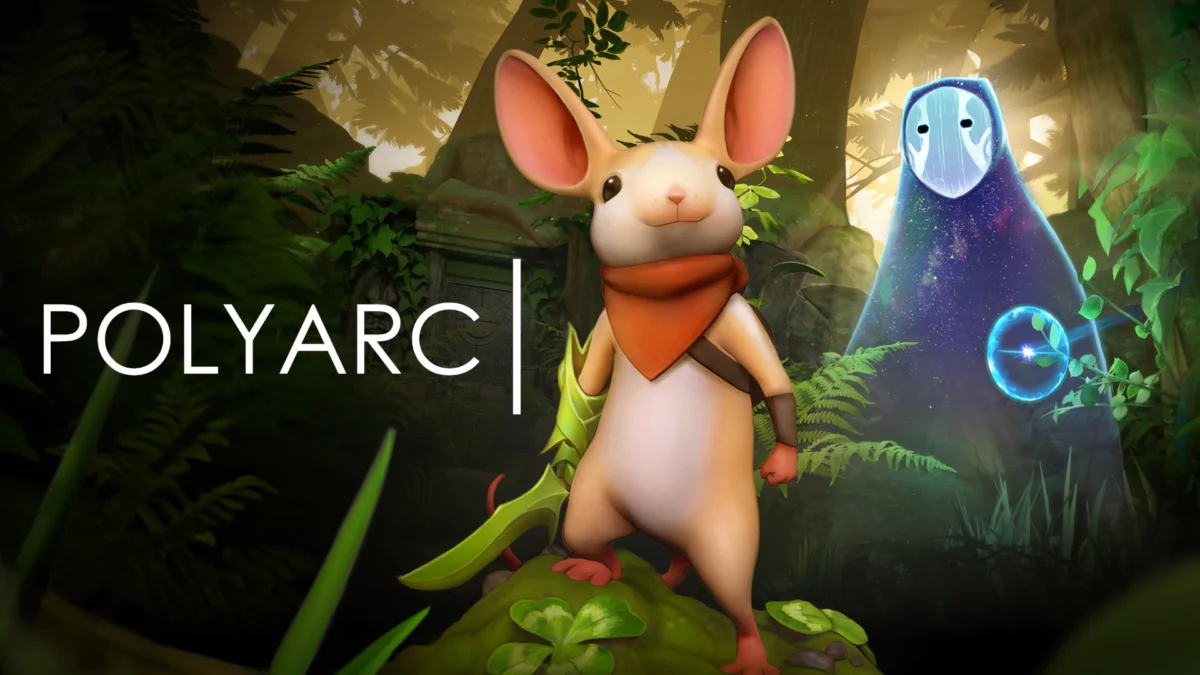
Founded in July 2014 by industry veterans—including CEO Tam Armstrong, Danny Bulla, and Chris Alderson—Polyarc set out with a distinct vision: to leverage virtual reality not just for first-person shooter immersion, but to create deep, empathetic emotional connections between players and digital characters. Operating out of Seattle, the small team spent years prototyping spatial mechanics before hitting upon a breakthrough concept—a tiny, courageous mouse named Quill.
2018–2019: Critical Acclaim with Moss
In February 2018, Polyarc released its debut title, Moss (later rebranded as Moss VR), for the original PlayStation VR. The game was an immediate critical and commercial darling. It cast the player not just as an observer, but as an active participant—an ethereal "Reader" who manipulated the environment to solve puzzles while guiding Quill through a sprawling fairytale realm.
The game’s release strategy quickly expanded. By June 2018, Moss arrived on PC VR platforms, and in May 2019, it served as a premier launch-day title for Meta’s standalone headset, the original Oculus Quest. By all accounts, Quill became one of the most recognizable mascots in the nascent VR ecosystem, amassing over 7,500 five-star reviews and garnering widespread adoration.

2022: Reaching the Pinnacle with Moss: Book II
Capitalizing on its debut success, Polyarc returned in March 2022 with Moss: Book II, initiating its rollout on PSVR before hitting Quest 2 and PC VR later that year. The sequel refined every foundational element of the original, introducing new combat mechanics, expanded environments, and a darker, richer narrative arc.
The industry responded with immense praise. Moss: Book II secured the coveted title of VR/AR Game of the Year at The Game Awards, alongside Game of the Year at the dedicated VR Awards, and picked up multiple accolades and nominations from the D.I.C.E. Awards and the New York Video Game Critics Circle.
2023–2025: Diversification and Strategic Shifts
Seeking to expand the Moss intellectual property beyond single-player campaigns, Polyarc ventured into competitive multiplayer territory. In 2023, the studio launched an extended early beta for Glassbreakers: Champions of Moss, a tactical PvP strategy game heavily inspired by titles like Hero Academy. After iterative development informed by community feedback, Glassbreakers officially launched in November 2025 across VR platforms and Apple Arcade.

However, the multiplayer spin-off struggled to capture the lightning-in-a-bottle magic of its single-player predecessors.
2026: The Final Chapter, Layoffs, and Closure
The pressures facing independent VR studios finally caught up with Polyarc in March 2026, when the company was forced to enact a devastating round of layoffs that eliminated roughly two-thirds of its workforce.
In an effort to recoup development costs and reach a broader audience, Polyarc made a strategic pivot toward flatscreen gaming, releasing Moss: The Forgotten Relic in July 2026—a consolidated port merging both mainline VR adventures into a single traditional display format. While the studio reported an encouraging metric of over 200,000 wishlists prior to launch, these digital expressions of interest ultimately failed to convert into the robust sales volume necessary to sustain the studio. Facing insurmountable financial runway depletion, Polyarc made the difficult choice to shutter operations entirely.

Supporting Data & Franchise Legacy
Polyarc’s footprint in the gaming industry is defined by high critical output, extensive international recognition, and a deeply loyal user base.
- Award Pedigree: Across its lifecycle, the Moss franchise accumulated over 160 industry awards and nominations.
- Critical Reception:
- Moss VR: Universally praised for its innovative blend of third-person platforming, tactile environment manipulation, and empathetic character design.
- Moss: Book II: Winner of VR/AR Game of the Year at The Game Awards and Game of the Year at the VR Awards.
- Platform Reach: The studio’s titles bridged generations of hardware, supporting original PlayStation VR, PSVR2, Meta Quest headsets, PC VR (Rift, Vive, Index), and eventually flat-screen ecosystems through The Forgotten Relic.
- Audience Engagement: Moss commanded more than 7,500 five-star reviews on the Meta ecosystem alone. Meanwhile, its final swan song, Moss: The Forgotten Relic, generated over 200,000 pre-release wishlists—a testament to the enduring appeal of the intellectual property, even if conversion rates ultimately fell short.
Official Responses and Industry Reactions
The closure of Polyarc sent immediate shockwaves through the virtual reality community, prompting an outpouring of grief, gratitude, and solidarity from fellow developers, critics, and players alike.
In its public farewell, the studio emphasized gratitude above all else, noting that bringing surprise and delight to players was an absolute privilege. The inclusion of a curated hiring spreadsheet for the displaced workers was widely praised by the broader tech industry as a class act, ensuring that the human capital behind Quill’s adventures could quickly find safe harbor in new studios.

Independent developers and industry analysts took to social media to reflect on Polyarc’s legacy. Many pointed out that Polyarc solved one of virtual reality’s hardest early design problems: mitigating motion sickness in third-person games while forging an emotional bond with a digital companion. Quill wasn’t just a video game character; she was a universally beloved ambassador for virtual reality.
Implications: What Polyarc’s Closure Means for the VR Industry
Polyarc Games’ demise is more than just the end of a beloved studio; it serves as a stark cautionary tale regarding the economic realities of independent virtual reality development.
1. The Mid-Tier Developer Squeeze
Polyarc was widely considered industry royalty—a studio with critical backing, proven intellectual property, and institutional prestige. If a developer of Polyarc’s caliber cannot survive the shifting economic tides of the current gaming landscape, it signals deep systemic vulnerabilities for other independent studios relying on niche or emerging hardware markets.

2. The Limits of Hardware Adoption Rates
Despite stellar reviews and industry-wide acclaim, premium VR software often struggles to achieve the runaway commercial scale required to fund multi-year development cycles for mid-to-large teams. While standalone headsets like the Meta Quest have expanded the ceiling of total hardware ownership, software monetization remains exceptionally challenging for narrative-driven, non-live-service games.
3. The Shift Toward Cross-Platform Strategy
Polyarc’s late-stage pivot to flat-screen gaming with Moss: The Forgotten Relic highlights a growing survival mechanism for VR-first studios: traditional console and PC ports are increasingly necessary to hedge bets against the financial unpredictability of the VR hardware market. Unfortunately, for Polyarc, the diversification arrived too late to offset accumulated debts and operational expenditures.
Final Thoughts
As the curtains close on Polyarc Games, the industry is left mourning the loss of a truly visionary developer. Yet, the legacy of Quill the mouse and the rich, tactile worlds crafted by the Seattle team will forever remain embedded in the history of interactive entertainment. For the developers who poured their hearts into making those worlds a reality, the gaming community watches with hope that their next chapters will find a more forgiving economic landscape.

