By Virtual Reality Fitness News Desk Published: October 2026
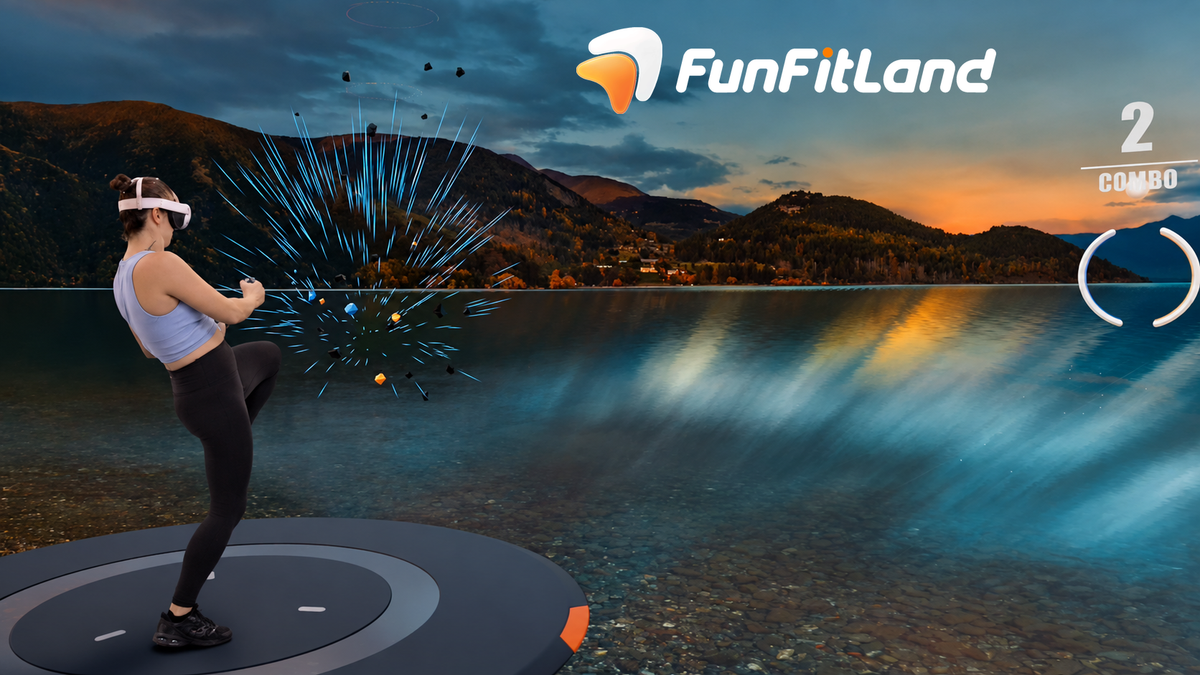
The landscape of virtual reality fitness continues to evolve at a blistering pace, bridging the gap between high-intensity home workouts and immersive digital gaming. Leading this charge is FunFitLand, a prominent VR fitness application renowned for its diverse catalog of cardio, strength, and mindfulness routines. In its latest major software update, the platform has rolled out a heavily anticipated physical mechanic: knee strikes. Exclusively integrated into the platform’s CombatFit workout series, this new addition transforms how users engage their core, test their balance, and experience full-body conditioning inside a headset.
Alongside the physical updates to CombatFit, FunFitLand is broadening its hardware footprint. The platform has officially brought its meditative Space environments to the Apple Vision Pro, pairing immersive mixed-reality relaxation with recent companion app updates that support real-time heart rate tracking. As the line between traditional gym training and spatial computing continues to blur, these developments signal a maturation in how developers design for both physical exertion and mental recovery within virtual environments.
Main Facts
New Mechanic:FunFitLand has introduced knee strikes to its CombatFit workout series.
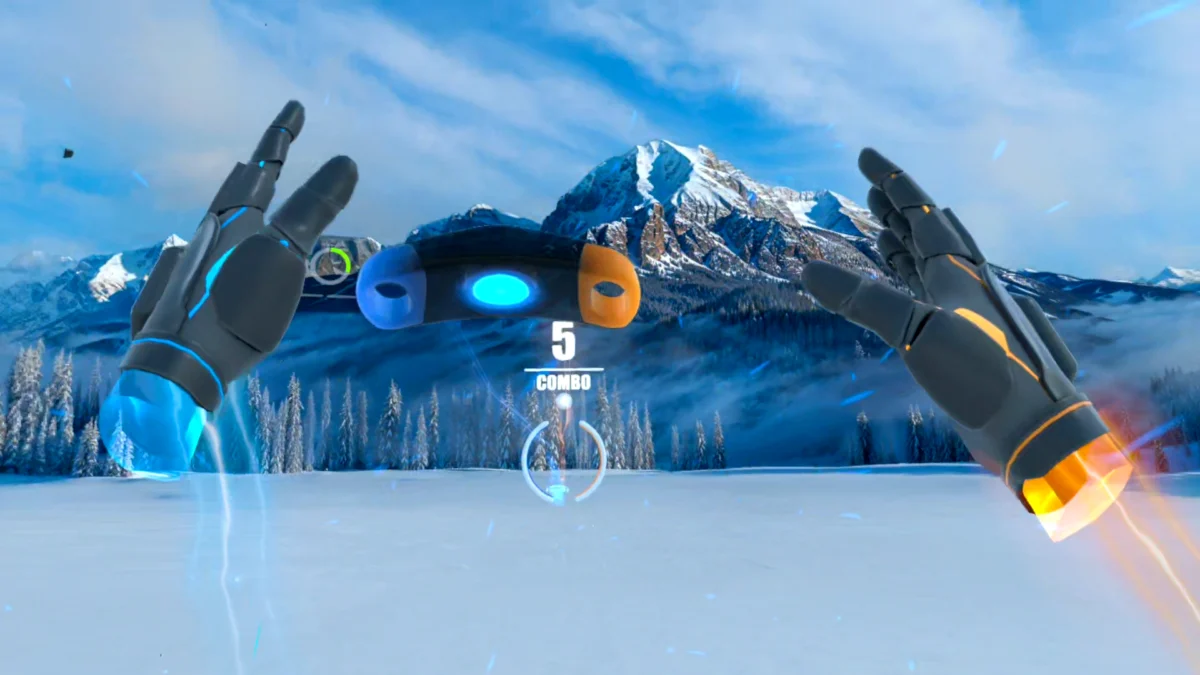
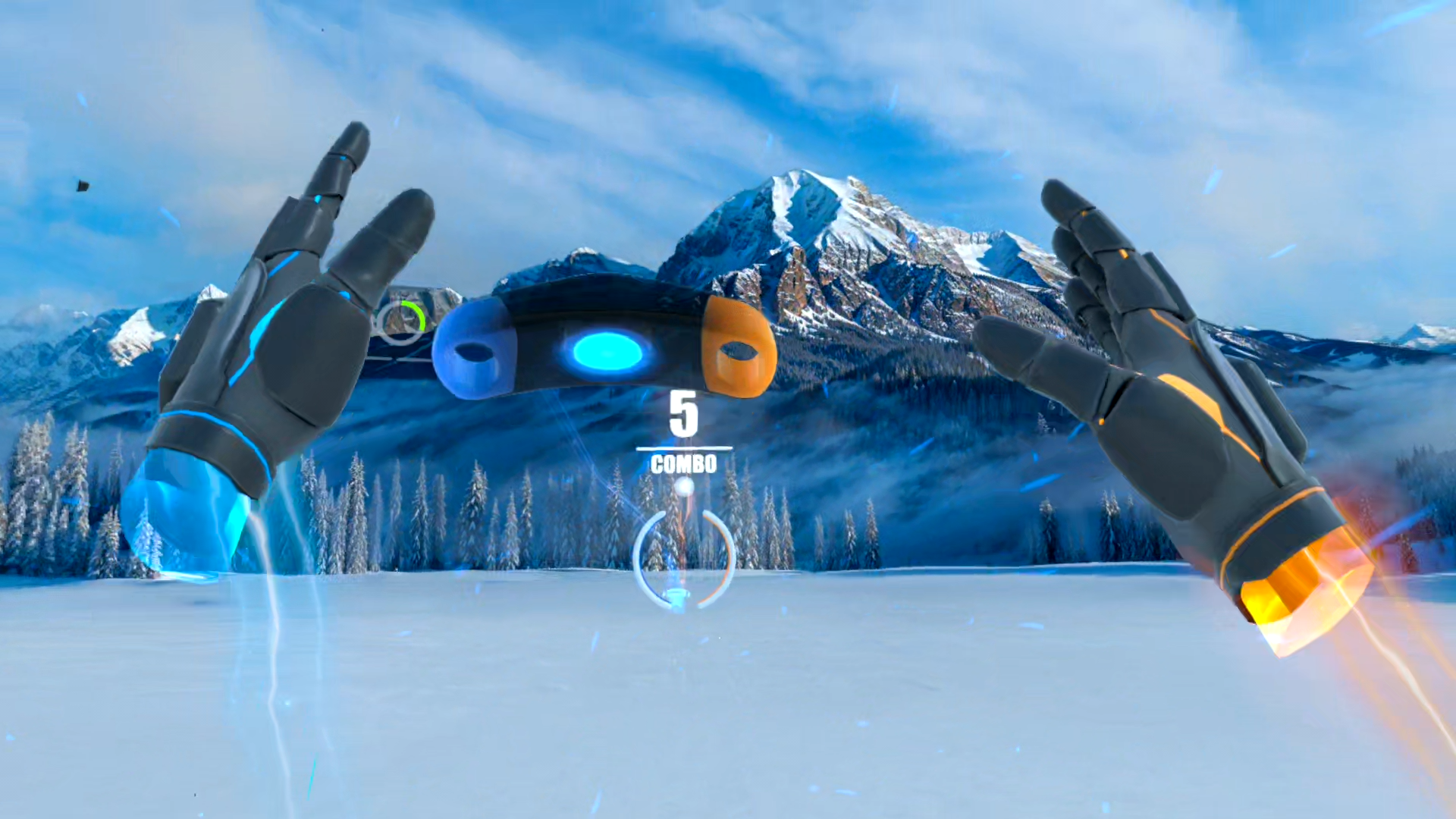
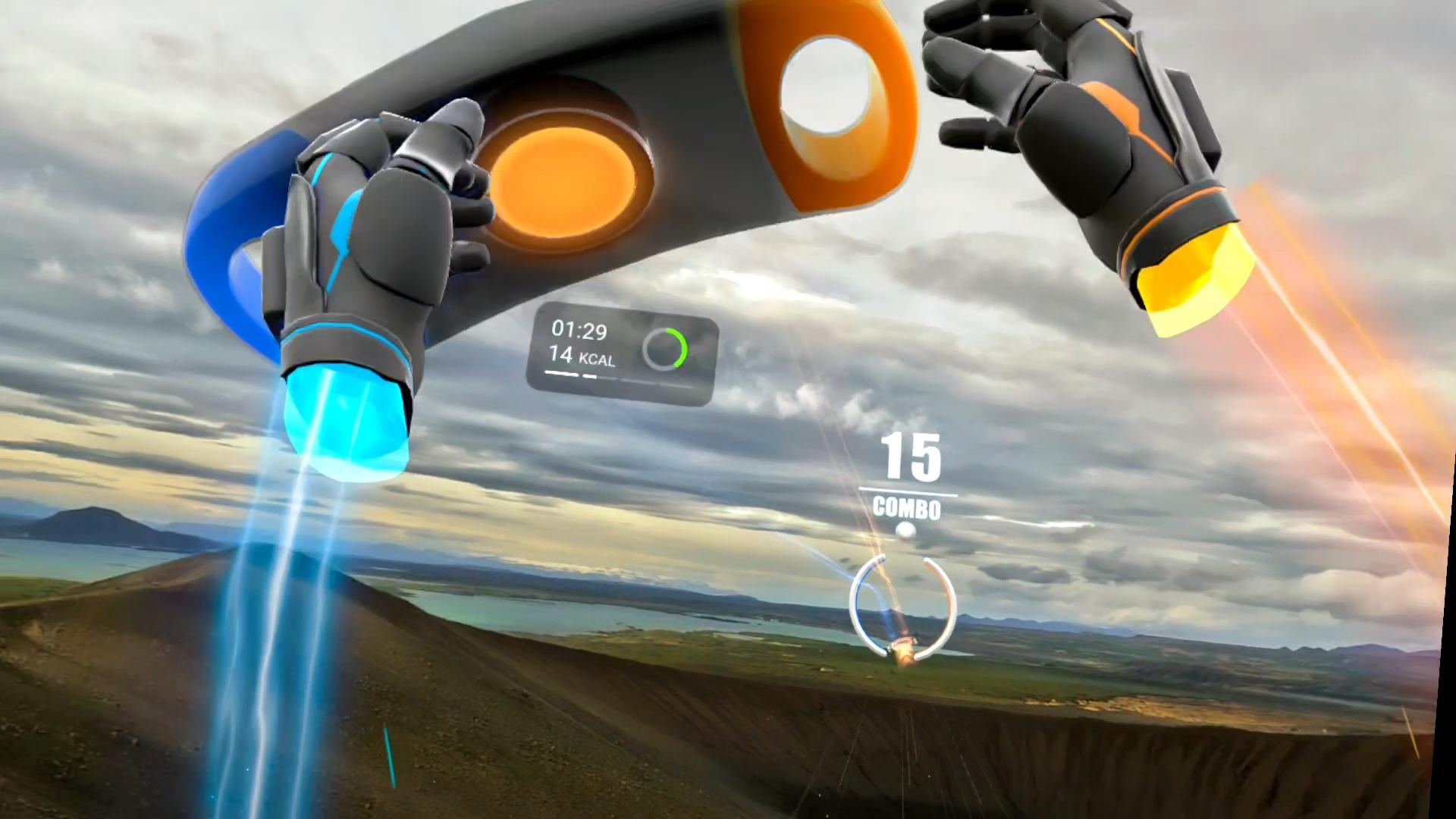
The "Grab and Smash" Design: The movement utilizes a two-handed mechanic where users pull an overhead target downward while simultaneously driving their knee upward to meet it.
Targeted Muscle Groups: The new addition delivers a rigorous, core-focused abdominal workout while improving overall stability compared to isolated leg-lift exercises.
Scope Restrictions: According to founder Meng Zhang, knee strikes will remain exclusive to CombatFit and will not be incorporated into SwingFit or FlowFit due to their differing, continuous movement rhythms.
Accessibility and Customization: The update features an automatic tutorial for first-time users, on-demand replayability, and a dedicated toggle in the settings menu allowing users to disable knee strikes entirely.
Apple Vision Pro Expansion: The platform’s immersive Space environments are now live on the Apple Vision Pro, offering high-fidelity cooling-down and meditation spaces.
Pricing and Availability:FunFitLand is available on Meta Quest and Apple Vision Pro, with a subscription model priced at $9.99 per month or $99.99 annually.
Chronology of Development: From Concept to Consumer Release
The journey to bringing knee strikes into the FunFitLand ecosystem was neither hasty nor accidental. It reflects a meticulous design philosophy focused on user safety, ergonomic comfort, and genuine athletic efficacy.
Phase One: Conceptualization and Initial Prototyping
As virtual reality fitness applications evolved past simple punching simulators, developers began experimenting with lower-body mechanics. However, tracking leg movements accurately without dedicated hardware straps presents inherent software and hardware challenges. The development team at FunFitLand needed a mechanism that would naturally sync upper-body controller inputs with lower-body tracking, ensuring that users felt a genuine connection between their physical effort and the digital response.
Phase Two: Closed Beta Testing and Iterative Refinement
Through two successive rounds of closed beta testing, early adopters and fitness enthusiasts put the preliminary mechanics through their paces. Feedback from these testing groups proved instrumental in shaping the final product. Initially, some design iterations toyed with simple leg-lift prompts. However, beta testers quickly reported that these isolated movements lacked stability and failed to provide a satisfying kinetic loop.
This led to the creation of the signature "grab and smash" mechanic. By requiring users to reach overhead, grab a virtual target, and pull it down into their rising knee, the developers solved a major balance issue. The opposing forces of the upper body pulling down and the lower body driving up created a stabilizing kinetic anchor, making the movement remarkably secure and easy to execute within a VR headset.
Phase Three: Final Polish and Accessibility Integration
Following successful beta trials, the feature was cleared for full deployment. To ensure a smooth onboarding process for both casual users and fitness veterans, the team engineered an automated tutorial system. Whenever a user selects a CombatFit workout containing knee strikes for the very first time, an instructional prompt plays automatically. Furthermore, acknowledging that high-impact knee strikes may not be suitable for every fitness level, room-scale space, or physical limitation, the developers built a quick-toggle disable option directly into the application settings.
Phase Four: The Vision Pro Ecosystem Pivot
Concurrently with the CombatFit update, FunFitLand has executed a strategic rollout of its Space meditation and cooldown environments onto Apple’s high-end Vision Pro headset. This move brings feature parity to Apple users who previously lacked the rich, immersive mental recovery tools available on Meta Quest platforms.
Supporting Data & Ergonomic Mechanics
To truly understand why the FunFitLand knee strike works, one must examine the intersection of biomechanics and virtual reality feedback loops. Designing fitness routines for virtual environments requires careful consideration of momentum, user balance, and sensory feedback.
The Physics of the "Grab and Smash"
In standard martial arts and cardio kickboxing classes, a knee strike requires explosive hip extension and core compression. Translating this into a virtual space where players cannot physically strike a heavy bag poses a unique challenge.
By implementing the two-handed "grab and smash," FunFitLand achieves several ergonomic victories:
Core Engagement: The downward pull engages the latissimus dorsi, core stabilizers, and obcisers, while the upward knee drive targets the rectus abdominis and hip flexors.
Balance Preservation: As confirmed by beta testers and early reviewers, attempting to balance on one leg in a VR headset—where visual reference to the real world is entirely cut off—can induce vertigo or instability. By anchoring the upper body through the downward pull motion, the user’s center of gravity remains stabilized over the planted foot.
Multi-Sensory Feedback: Upon impact, the application coordinates visual flashes, auditory crunches or thuds, and precise haptic feedback through the handheld controllers, tricking the brain into registering a tangible collision.
Platform Availability and Financial Commitment
FunFitLand continues to position itself as a premium cross-platform fitness service. The application is supported across major hardware ecosystems:
Feature / Metric
Meta Quest Ecosystem
Apple Vision Pro (visionOS)
Cardio & Combat Workouts
Fully Supported
Fully Supported
Knee Strikes (CombatFit)
Available
Available
Immersive Space Environments
Available
Newly Added
Live Heart Rate Tracking
Supported (via Mobile App)
Supported (via Mobile App)
Pricing Structure
$9.99/mo or $99.99/yr
$9.99/mo or $99.99/yr
Official Responses and Developer Insights
In discussions surrounding the launch of the knee strike mechanic, FunFitLand founder Meng Zhang offered valuable insights into the philosophy guiding the platform’s updates. Addressing the curation of workout modes, Zhang emphasized that not every mechanic belongs in every routine.
"We currently have no plans to add knee strikes to our SwingFit and FlowFit modes," Zhang stated.
"They work exceptionally well in CombatFit because of the percussive, aggressive nature of the hits. However, knee strikes would be entirely disruptive to the more flowing, continuous nature of those other sessions. Our beta feedback overwhelmingly aligned with this perspective, with testers noting that the movement demands an intensity that belongs strictly in the combat discipline."
Zhang also highlighted the critical role that community feedback played in refining the user experience, particularly regarding safety and stability.
"The evolution of the grab mechanic came directly from watching how our beta testers interacted with early builds," Zhang explained. "We noticed that isolated leg lifts caused unnecessary swaying. By coupling the lower-body drive with an upper-body pull, we inadvertently created a much more stable, athletic posture that protects the user’s balance while delivering a superior abdominal burn."
Implications for the Future of Virtual Reality Fitness
The integration of advanced lower-body mechanics like knee strikes—paired with multi-platform parity across Meta Quest and Apple Vision Pro—highlights several important trends in the broader VR health and wellness sector.
1. The Maturation of Biomechanical Design in VR
Early VR fitness games relied almost entirely on punching, dodging, and squatting. While effective for upper-body endurance and basic leg conditioning, these movements left a significant gap in martial arts and mixed martial arts (MMA) simulations. By successfully mapping complex, multi-limb coordination (pulling down with the arms while driving up with the legs), FunFitLand has set a new benchmark for how developers can trick the human body into executing complex athletic movements safely inside a headset.
2. Cross-Hardware Ecosystem Integration
The expansion of FunFitLand’s Space environments to the Apple Vision Pro—alongside live heart rate tracking via companion mobile apps—illustrates the industry’s shift toward unified fitness ecosystems. Users no longer expect fragmented experiences when moving from one headset brand to another. High-end spatial computing devices like the Vision Pro demand high-fidelity graphics and seamless environmental transitions, standards that FunFitLand is aggressively striving to meet.
3. Customization as a Standard for Inclusivity
As virtual reality fitness transitions from a niche tech hobby into a mainstream alternative to the brick-and-mortar gym, accessibility is paramount. Features such as automatic tutorials, on-demand replay systems, and immediate settings toggles to disable high-impact movements like knee strikes ensure that the platform remains inclusive. Whether a user is an advanced kickboxer looking to push their core endurance to the limit or someone recovering from minor joint stiffness who simply wants a lighter cardio flow, software flexibility is becoming the defining trait of successful VR fitness applications.
Conclusion
FunFitLand’s latest update proves that the platform is listening closely to its user base. By carefully introducing the CombatFit knee strike—backed by rigorous beta testing, intelligent ergonomic design, and robust customization options—the app continues to solidify its place at the forefront of digital wellness. Coupled with its high-end expansion into the Apple Vision Pro ecosystem, the future of exercising inside a virtual world has never looked more engaging, demanding, or refined.