

Main Facts
The highly anticipated Amazon Prime Day sales event has ushered in a remarkable opportunity for PC enthusiasts, as the Nvidia GeForce RTX 5070 Ti graphics card, lauded by experts as the best all-around enthusiast GPU for gaming in 2026, is now available at an unprecedented price of just $900. This significant markdown, offered by major retailers Best Buy and Newegg, represents a substantial reduction from its typical market price, which has consistently hovered around $1099. The specific model attracting this eye-catching discount is the ASUS Prime RTX 5070 Ti, a variant known for its robust build quality and efficient cooling solution. This deal arrives at a crucial time for gamers and content creators looking to upgrade their systems, offering premium 1440p and 4K gaming performance, bolstered by cutting-edge technologies like DLSS 4.5 and Multi Frame Generation, at a price point rarely seen since its market introduction.
Chronology: The RTX 5070 Ti’s Journey to Unprecedented Value
The GeForce RTX 5070 Ti has, since its release and integration into the broader GPU market landscape leading up to 2026, carved out a formidable reputation. From its initial debut, it quickly distinguished itself as a powerhouse, adept at handling the most demanding modern game titles with exceptional fidelity. Its capabilities in both traditional rasterization and advanced real-time ray tracing (RT) performance at high resolutions, particularly 1440p and 4K, positioned it as a top-tier contender for serious gamers.
Initially, this high-level performance came with a premium price tag. Market analysis and extensive research, including Tom’s Hardware’s comprehensive guides to the best graphics cards and GPU benchmarks for 2026, consistently placed the RTX 5070 Ti’s average street price around $1099. This pricing reflected its technological prowess, the ongoing demand for high-performance components, and the general economic climate influencing the semiconductor industry. For many enthusiasts, the $1099 price point, while justifiable given its capabilities, often represented a significant investment, sometimes pushing it just beyond the reach of a broader segment of the gaming community.
The current Prime Day sales event, however, marks a pivotal moment in the RTX 5070 Ti’s market trajectory. While sporadic discounts and minor price adjustments are common in the cyclical world of PC hardware, a reduction of this magnitude – bringing the card down to $900 – is particularly noteworthy. This is described as the "cheapest we’ve seen one of these cards go for in a long time," surpassing even earlier, less aggressive sales observed late last year. This aggressive pricing strategy during a major retail event like Prime Day often signals a combination of factors: competitive pressure among retailers, strategic inventory management by manufacturers, and a concerted effort to capture a larger market share during periods of heightened consumer spending. For consumers, it translates into an exceptional window of opportunity to acquire a top-tier component at a substantially reduced cost. This chronological progression, from a premium launch to a significant, event-driven discount, underscores the dynamic nature of the GPU market and the strategic importance of major sales events for both sellers and buyers.
Supporting Data: Delving into the RTX 5070 Ti’s Technical Prowess and the ASUS Prime Advantage
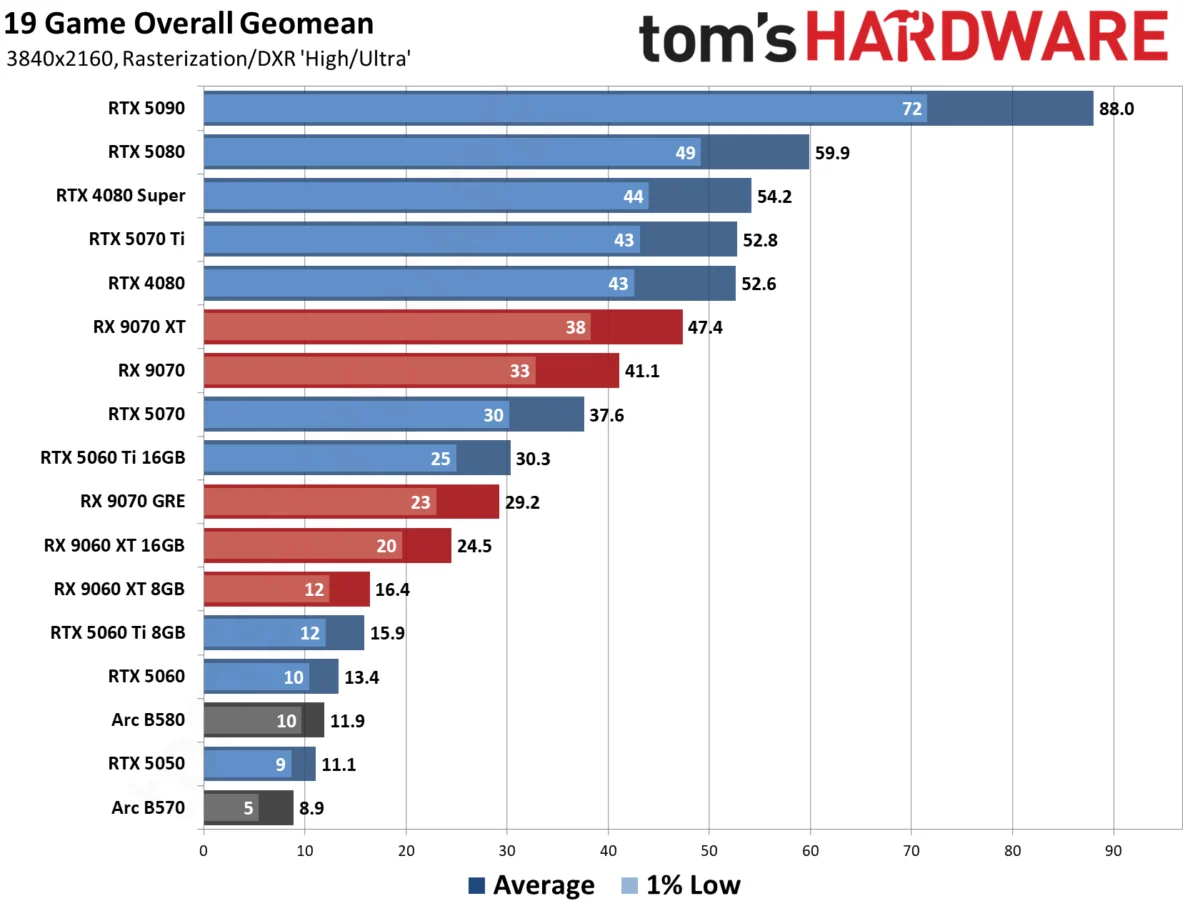
The NVIDIA GeForce RTX 5070 Ti’s recognition as a leading enthusiast graphics card is firmly rooted in its robust technical specifications and architectural advancements. At its core, the GPU delivers exceptional raw horsepower, translating into high frame rates and smooth gameplay across a wide array of titles, even at demanding resolutions like 1440p and 4K. For rasterized games, which represent the vast majority of current and upcoming releases, the 5070 Ti offers a consistently strong baseline performance, ensuring that users can enjoy visually rich experiences without compromise.
Where the RTX 5070 Ti truly shines is in its handling of ray tracing (RT) workloads. Ray tracing, a computationally intensive rendering technique that simulates the physical behavior of light, creates incredibly realistic reflections, shadows, and global illumination. The 5070 Ti’s dedicated RT Cores are engineered to accelerate these complex calculations, allowing gamers to experience the most immersive and visually stunning versions of path-traced games. This capability is critical for achieving the highest fidelity in cutting-edge titles that increasingly leverage these advanced lighting effects.
A cornerstone of the 5070 Ti’s future-proofing and performance enhancement suite is its generous 16GB of GDDR7 memory. This next-generation VRAM offers significantly higher bandwidth compared to previous GDDR6 and GDDR6X iterations, enabling the GPU to process and store vast amounts of texture data, complex geometries, and render targets with unparalleled speed. For gaming at 4K resolution, where textures and frame buffers require immense memory resources, 16GB GDDR7 ensures that the card avoids bottlenecks, maintains high frame rates, and allows for the highest possible texture quality settings without performance degradation. This abundant, high-speed memory is also crucial for professional applications such as video editing, 3D rendering, and AI development, further extending the card’s utility beyond pure gaming.
Beyond raw specifications, NVIDIA’s software innovations play a transformative role. The RTX 5070 Ti supports DLSS 4.5 (Deep Learning Super Sampling), an AI-powered upscaling technology that renders games at a lower internal resolution and then intelligently reconstructs them to a higher target resolution using deep learning algorithms. DLSS 4.5 represents the latest iteration, offering superior image quality and even greater performance boosts than previous versions. This allows gamers to achieve significantly higher frame rates at 1440p and 4K, often with visual fidelity that rivals or even surpasses native resolution, especially when combined with ray tracing.
Complementing DLSS 4.5 is Multi Frame Generation (MFG), another groundbreaking AI-driven feature. MFG intelligently interpolates new frames between traditionally rendered frames, effectively doubling the perceived frame rate. This technology is particularly impactful in highly demanding scenarios, such as games utilizing full path tracing or those pushing the absolute limits of graphical fidelity. The combination of DLSS 4.5 and MFG ensures fluid, responsive gameplay even in the most graphically intensive environments, making once unplayable settings viable and enhancing the overall user experience. For games like the highly anticipated Pragmata, which will undoubtedly leverage advanced rendering techniques, having DLSS 4.5 and MFG at one’s disposal will be essential for the best possible experience.
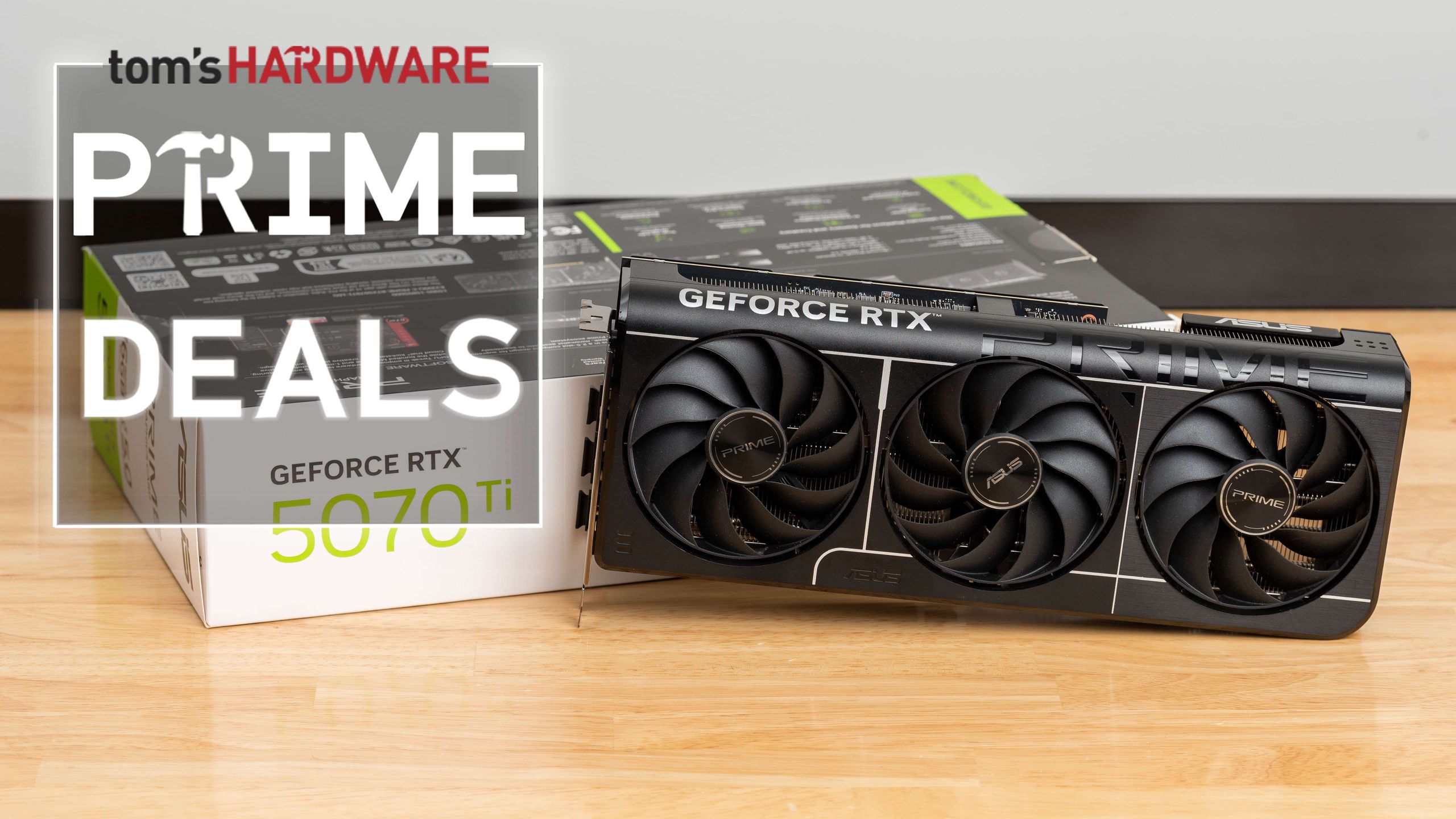
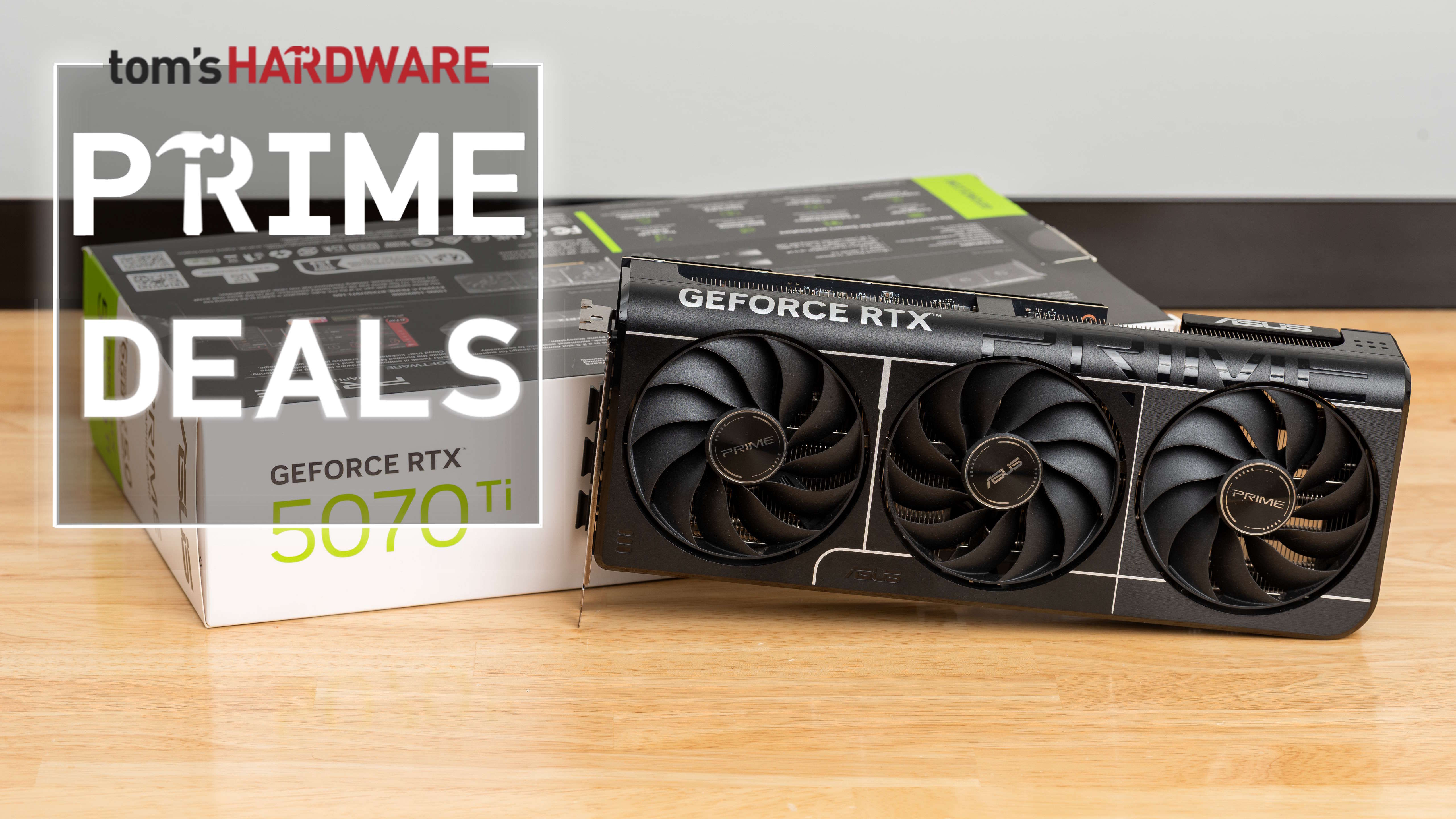
Focusing on the specific model on sale, the ASUS Prime RTX 5070 Ti offers a compelling package. As noted by Tom’s Hardware, the OC Edition of this card is used in their own rigorous lab testing, a testament to its reliability and performance. The base Prime 5070 Ti, currently discounted, sacrifices only a negligible 45 MHz in stock clock speed compared to the OC Edition. This minor difference is virtually undetectable in real-world gaming scenarios, meaning buyers are getting nearly identical performance for significantly less money.
The physical design of the ASUS Prime card also stands out. It features a "clean design," indicating a minimalist yet aesthetically pleasing exterior that fits well into various PC builds. Crucially, it incorporates a "quiet triple-fan cooler," an essential component for maintaining optimal temperatures during intense gaming sessions without generating excessive noise. Effective cooling ensures sustained performance and extends the lifespan of the GPU. Furthermore, the inclusion of a "full-length metal backplate" provides structural rigidity, preventing PCB sag over time, and aids in passive heat dissipation. These build quality aspects collectively contribute to a more durable, quieter, and generally "nicer" product than many other board partners’ most attainable product lines, which often cut corners on such premium features to hit lower price points. This combination of powerful NVIDIA silicon and ASUS’s thoughtful engineering makes the Prime RTX 5070 Ti a standout choice.
Official Responses: Expert Analysis and Market Context
While specific "official responses" from NVIDIA or ASUS regarding this particular $900 deal are not publicly available in the immediate context, the article itself provides a crucial form of expert endorsement: the assessment from Tom’s Hardware. As a leading authority in PC hardware analysis, Tom’s Hardware’s declaration of the NVIDIA GeForce RTX 5070 Ti as "the best all-around enthusiast graphics card for gaming in 2026" carries significant weight. This isn’t merely a subjective opinion but the culmination of extensive benchmark testing, performance analysis across diverse gaming titles and resolutions, and a thorough evaluation of its feature set against competing GPUs.
Jeff Kampman, the Senior Analyst for Graphics at Tom’s Hardware, whose expertise spans everything from integrated GPUs to hyperscale AI installations, stands behind this assessment. His insights are derived from rigorous, impartial laboratory testing, providing a credible "official response" from an industry-respected voice regarding the card’s inherent value and performance capabilities. The fact that Tom’s Hardware utilizes the OC Edition of this very ASUS Prime card for their internal testing further reinforces its quality and reliability.
The broader market context surrounding this deal also offers a form of "official response" from the retail sector. The concurrent availability of this $900 price point at two major retailers, Best Buy and Newegg, during Amazon Prime Day, suggests a coordinated or highly competitive market dynamic. This isn’t an isolated flash sale from a single vendor but a more widespread market adjustment for a top-tier product. Such aggressive pricing strategies often reflect:
- Inventory Optimization: Retailers and manufacturers may be looking to clear existing stock in anticipation of new product launches or to manage inventory levels efficiently.
- Competitive Pressure: The intense competition during major sales events like Prime Day often forces retailers to offer their best deals to attract customers, even if it means sacrificing some margin.
- Market Penetration: Driving down the price of a high-performance card like the 5070 Ti can broaden its appeal, bringing it within reach of a larger segment of enthusiast gamers who might have previously found it too expensive.
- Strategic Positioning: By offering a flagship card at such a compelling price, NVIDIA and its partners can reinforce their market leadership and brand perception during a critical sales period.
Therefore, while no direct corporate press release might explicitly state "we are cutting prices by 18%," the actions of the market – specifically the pricing strategy during Prime Day and the consistent expert validation from outlets like Tom’s Hardware – collectively serve as an "official response" to the value proposition of the RTX 5070 Ti, confirming its status as a desirable and now exceptionally affordable, high-performance GPU.
Implications: The Ripple Effect of a Premium GPU Deal
The availability of the NVIDIA GeForce RTX 5070 Ti at a reduced price of $900 carries significant implications for various stakeholders within the PC hardware ecosystem, most notably for consumers.
For the enthusiast gaming community, this deal is nothing short of a game-changer. Historically, acquiring a GPU capable of excelling at 1440p and 4K resolution, particularly with advanced ray tracing and AI upscaling technologies, has demanded a substantial financial outlay. The $1099 average price point was a barrier for many, forcing compromises or extended saving periods. The $900 price tag makes this elite level of performance considerably more accessible. It empowers a wider range of gamers to upgrade their systems, future-proofing their setups for the next generation of graphically intensive titles. This means more gamers can experience the latest visual innovations like path tracing, DLSS 4.5, and Multi Frame Generation, which elevate gaming immersion to new heights. The "don’t wait" sentiment expressed by Tom’s Hardware is not merely a sales tactic but a genuine recognition of a fleeting opportunity for those who have been patiently awaiting a prime moment to invest in a top-tier GPU.
From a market perspective, this aggressive pricing during Prime Day could signal several trends. Firstly, it indicates a highly competitive environment among retailers and potentially among GPU manufacturers themselves. Such significant price drops, especially on a card of the 5070 Ti’s caliber, suggest a desire to move inventory and capture market share. This could potentially lead to similar price adjustments on comparable cards from competitors, creating a more favorable buying environment across the board for high-end GPUs. Secondly, it highlights the increasing importance of major sales events like Prime Day, Black Friday, and Cyber Monday as critical periods for consumers to make significant tech purchases, often at prices that are unattainable during regular sales cycles.
For NVIDIA and its board partners like ASUS, offering such a compelling deal can strengthen brand loyalty and expand their user base. By making a highly-rated product more accessible, they reinforce their position as leaders in performance graphics. The ASUS Prime RTX 5070 Ti, specifically, benefits from this promotion. Its established reputation for quality, quiet operation, and durable construction, now paired with an attractive price point, makes it an even more appealing choice than other "entry-level" models from competing manufacturers. This strategic pricing can help consolidate ASUS’s market presence in the mid-to-high-end GPU segment.
Future-proofing is another critical implication. With 16GB of GDDR7 memory and advanced AI features like DLSS 4.5 and Multi Frame Generation, the RTX 5070 Ti is well-equipped to handle the evolving demands of game development. Developers are increasingly leveraging these technologies to push visual boundaries, and having a card that natively supports them ensures that users won’t feel compelled to upgrade again for several years. For gamers who prioritize longevity and performance in their hardware investments, this deal offers an exceptional value proposition for sustained high-fidelity gaming.
In conclusion, the $900 price point for the ASUS Prime RTX 5070 Ti during Prime Day is more than just a temporary discount; it’s a significant market event. It democratizes access to elite-level gaming performance, underscores the competitive dynamics of the hardware industry, and provides a robust, future-proof upgrade path for PC enthusiasts. For anyone contemplating a serious graphics card upgrade, especially those who missed earlier, less substantial deals, this current offering represents an unparalleled opportunity that should not be overlooked. The window of opportunity is likely narrow, consistent with the nature of Prime Day sales, making prompt action advisable for those seeking to elevate their gaming experience to the pinnacle of current capabilities.

