

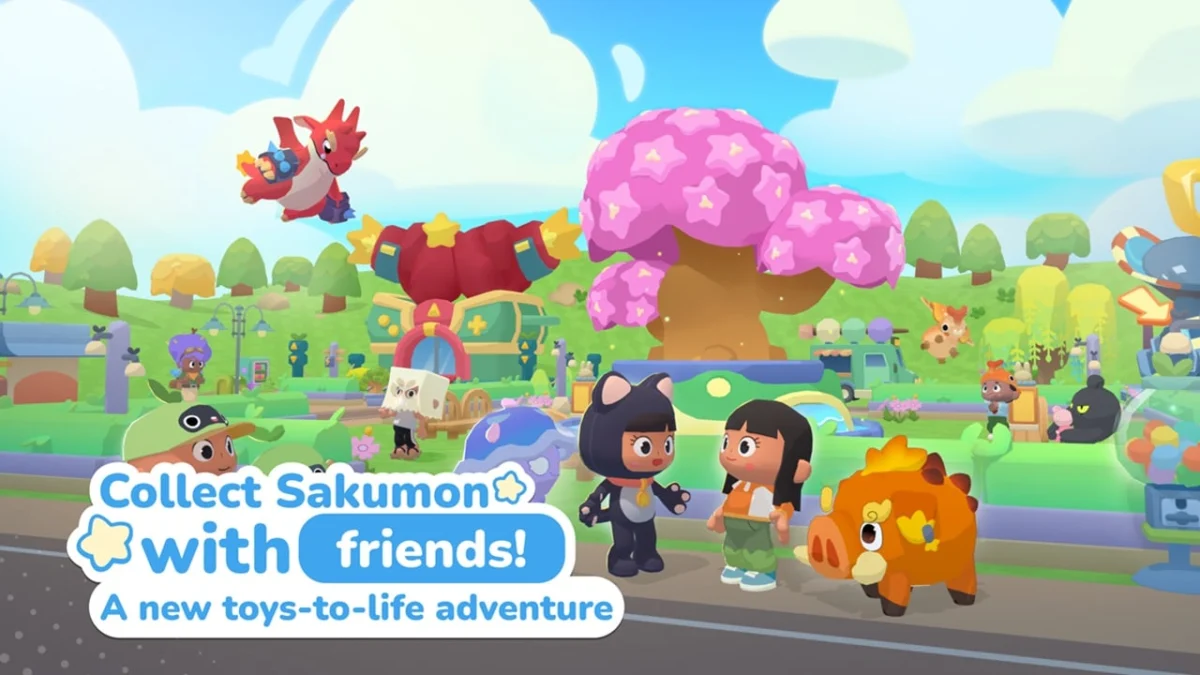
The landscape of mobile gaming is undergoing a significant transformation as developers seek to bridge the gap between tangible, physical play and immersive digital experiences. The latest entrant into this burgeoning market is Sakumon, a monster-collecting title that has officially entered Early Access on the Android platform. Developed by the Montreal-based studio Saku Monsters, Sakumon represents more than just another entry in the saturated creature-collection genre; it is an ambitious revival of the "toys-to-life" concept, a gaming sub-genre that famously struggled to maintain mainstream appeal in the mid-2010s.
The Core Concept: Merging Reality with Digital Fantasy
At its heart, Sakumon invites players into a vibrant, cozy world where they assume the role of a young explorer tasked with raising, training, and battling an array of unique creatures known as "Sakumon." The gameplay loop is built upon a foundation of social connectivity and customization. Players are granted their own island—a personal sanctuary that serves as a canvas for creativity. Here, users can decorate their environment, customize their avatars, and interact with a shared social hub.
The feature that distinguishes Sakumon from its contemporaries, however, is its integration of NFC-enabled physical collectibles. By utilizing Near Field Communication (NFC) technology, players can tap their physical blind-box figures against their mobile devices to instantly "import" the creatures into the digital environment. Once scanned, these figures become active digital companions, allowing players to carry their tangible collection into the virtual realm to battle, train, and socialize.
Chronology of Development: From Origin to Expansion
The journey of the Sakumon franchise is relatively recent but shows a clear trajectory of growth. The developer, Saku Monsters, first signaled its intent to carve out a niche in the monster-taming space with the launch of Saku Monsters Origin in June 2024.
- June 2024: The studio released Saku Monsters Origin, establishing the lore and aesthetic foundation of the universe.
- Late 2024: Following the positive reception of their initial title, the team shifted focus toward the more ambitious Sakumon project, incorporating the toys-to-life mechanics.
- Current Status: Sakumon has entered an Early Access phase on the Google Play Store. The development team has been transparent about this decision, stating that the soft launch is designed to facilitate a collaborative feedback loop. By involving the community during the development process, Saku Monsters aims to refine the balancing, social features, and technical stability of the game before a full, global rollout.
This deliberate pace is indicative of a "service-first" approach, where player feedback directly influences the roadmap for future monster additions and quality-of-life updates.
Supporting Data: Why "Toys-to-Life" Is Making a Comeback
The toys-to-life genre saw a massive rise and fall during the era of Skylanders and Disney Infinity. Analysts have long debated why the concept lost its luster, with many citing the high cost of entry and the rapid obsolescence of physical plastic peripherals as the primary culprits.
Sakumon approaches this challenge differently. Rather than requiring expensive, proprietary "portal" hardware, the game leverages the existing NFC hardware already built into modern smartphones. This drastically lowers the barrier to entry for the consumer.
The Ecosystem of Creatures
The current roster of Sakumon is designed to appeal to fans of "cozy" gaming aesthetics. Among the standout companions are:
- WEEFLE: A whimsical, sleepy beetle that resembles a waffle, blending culinary imagery with creature design.
- AXLE: A character inspired by the axolotl, playing into the immense popularity of the amphibian in modern gaming culture.
The developers have confirmed that these are merely the first wave of a larger, expanding roster. By creating a diverse ecosystem of creatures, the studio aims to keep the "collectibility" aspect of the game fresh, ensuring that players have a reason to keep returning to the physical blind-box shop on their website.
Official Perspectives and Studio Vision
Saku Monsters has positioned Sakumon as a response to the "always-on" intensity of many modern mobile games. In a market dominated by competitive shooters and high-stakes gacha games, the studio is betting on the appeal of "cozy" social features.
According to representatives from the studio, the decision to push into Early Access was driven by a desire to create a "living game." The studio has emphasized that the integration of physical toys is not merely a gimmick, but a way to foster a deeper emotional bond between the player and their virtual monsters. By holding a physical representation of the character, the player is meant to feel a greater sense of ownership over their digital companion.
"We wanted to bring back the magic of physical collecting," a studio spokesperson noted. "In an age where everything is ephemeral, having a piece of the game on your desk adds a layer of permanence and tactile satisfaction that a digital-only experience simply cannot provide."
The Implications for Mobile Gaming
The success of Sakumon could have significant implications for the mobile industry. If Saku Monsters can successfully demonstrate that consumers are still interested in the intersection of physical toys and digital gaming, it may invite other mid-tier developers to experiment with similar NFC-driven mechanics.
Market Challenges
Despite the optimism, the studio faces significant hurdles:
- Logistics: Unlike purely digital titles, Sakumon requires a supply chain. Managing physical inventory, shipping, and quality control for the blind-box figures is a massive logistical undertaking for an indie studio.
- Platform Limitations: While Android is currently the target, the restrictive nature of NFC usage on iOS devices could limit the game’s reach if the studio intends to port it to Apple platforms in the future.
- Market Saturation: The "cozy" game genre is currently enjoying a golden age, but it is also becoming increasingly crowded. Sakumon will need to maintain a consistent cadence of content updates to keep its community engaged.
The "Cozy" Gaming Trend
Sakumon aligns perfectly with the current shift toward low-stress, social-centric gaming. The inclusion of crafting, island decoration, and collaborative mini-games suggests that the developers are looking to build a community-driven platform rather than a solitary experience. This is a strategic move; social hubs are the lifeblood of long-term mobile retention, as they turn a game into a "third place" for players to spend their leisure time.
Conclusion: A New Chapter for Creature Collectors
Sakumon represents a bold attempt to modernize a forgotten gaming genre. By stripping away the clunky hardware of the past and embracing the ubiquity of smartphone technology, Saku Monsters is attempting to prove that the "toys-to-life" dream is not dead—it just needed to evolve.
As the game moves through its Early Access phase, the focus will undoubtedly be on how the community interacts with both the digital mechanics and the physical figures. Will players embrace the tactile nature of the game, or will the friction of needing physical items prove too much for the modern mobile gamer?
For now, the game stands as a testament to the creativity of indie developers in Montreal who are willing to take risks on hardware-software integration. Whether you are a fan of monster-taming games, a collector of unique figures, or simply looking for a new cozy space to decorate and explore, Sakumon offers a compelling, if experimental, experience.
Interested players can download the current build on the Google Play Store to see firsthand how these digital and physical worlds collide. With a roadmap that promises more creatures, more customization, and deeper social interactions, Sakumon is a project that bears watching as it moves toward its full, official release. As the lines between the toy shelf and the touchscreen continue to blur, Sakumon is positioned at the very front of that evolution, proving that sometimes, the best way to move forward is to reach back and pick up the toys we left behind.

