

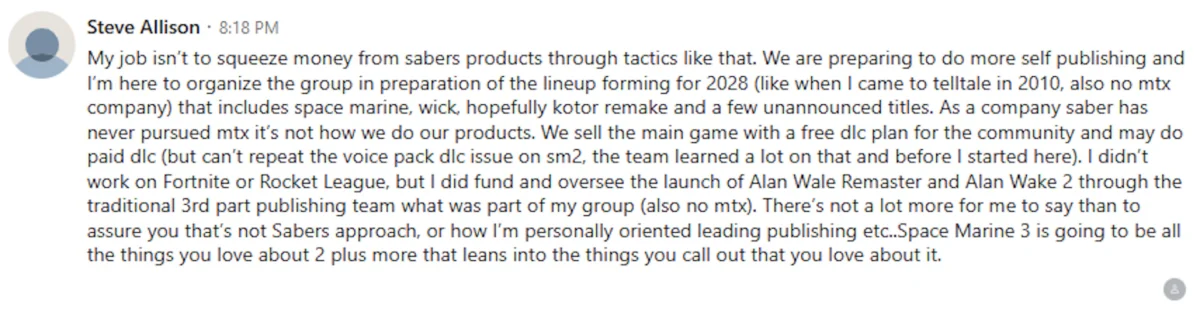
For years, the Star Wars: Knights of the Old Republic (KOTOR) remake has existed in a state of perpetual industry limbo. It is a title that has become the poster child for "development hell"—a project shrouded in rumors, studio shifts, and corporate upheaval. However, a recent, informal update from within the halls of Saber Interactive has provided the most concrete—albeit still fragile—timeline fans have received in years.
Steve Allison, the newly appointed Chief Business Officer at Saber Interactive, recently dropped a significant breadcrumb regarding the studio’s future output. In a candid response to fans on the Space Marine 2 subreddit, Allison outlined a roadmap for the company’s transition toward self-publishing, explicitly citing 2028 as the target window for a slate of major titles. Among those projects? The long-gestating Knights of the Old Republic remake.
The State of the Galaxy: A New Hope or Just Another Delay?
The mention of the KOTOR remake, even with the qualifier "hopefully," marks a shift from the vague "it is still in development" messaging that has defined the last few years. While the statement was made in an unofficial capacity—a fact later confirmed by a company representative—it provides the first tangible release window for a project that was announced with much fanfare at the 2021 PlayStation Showcase.
To the average observer, 2028 feels like an eternity away. Yet, for those tracking the project’s tumultuous history, any specific year is a step forward from the silence that preceded it. The remake, which seeks to modernize one of the most beloved RPGs in gaming history, has survived a gauntlet of corporate instability that would have likely killed a less valuable intellectual property.
A Chronology of Chaos: How We Got Here
The journey of the KOTOR remake is a case study in modern AAA development volatility. To understand why a 2028 estimate is both surprising and cautionary, one must look at the project’s turbulent timeline:
- September 2021: The project is officially unveiled. Aspyr Media is revealed as the lead developer, with Lucasfilm Games and Sony Interactive Entertainment overseeing. The trailer, featuring the iconic Darth Revan, sent shockwaves through the Star Wars fandom.
- July 2022: Reports begin to surface that the project is in deep trouble. Bloomberg reports that the studio had paused development following an internal demo that failed to impress stakeholders.
- August 2022: The project is reportedly shifted from Aspyr to Saber Interactive, a move that signaled the transition of the remake from a side project to a core focus for the broader Saber organization.
- 2023–2024 (The Embracer Implosion): As Embracer Group—the parent company holding the keys to the kingdom—faced a massive financial crisis, the industry braced for the cancellation of the KOTOR remake. In a move that shocked many, Saber Interactive was spun off from Embracer as an independent company, taking the KOTOR project with them.
- March 2024: Saber CEO Tim Willits offers the standard "it is still in development" assurance, providing no further details but successfully curbing rumors of immediate cancellation.
- February 2025: Steve Allison mentions the 2028 target, marking the most definitive, if informal, timeline provided since the project’s inception.
Beyond the Remake: Saber’s Strategic Shift
Steve Allison’s comments were not originally intended to serve as a press release for the KOTOR remake. They were part of a wider conversation regarding Saber’s business model and their approach to monetization. In an era where "games as a service" and aggressive microtransactions often dominate the headlines, Allison was keen to distance Saber from such practices.
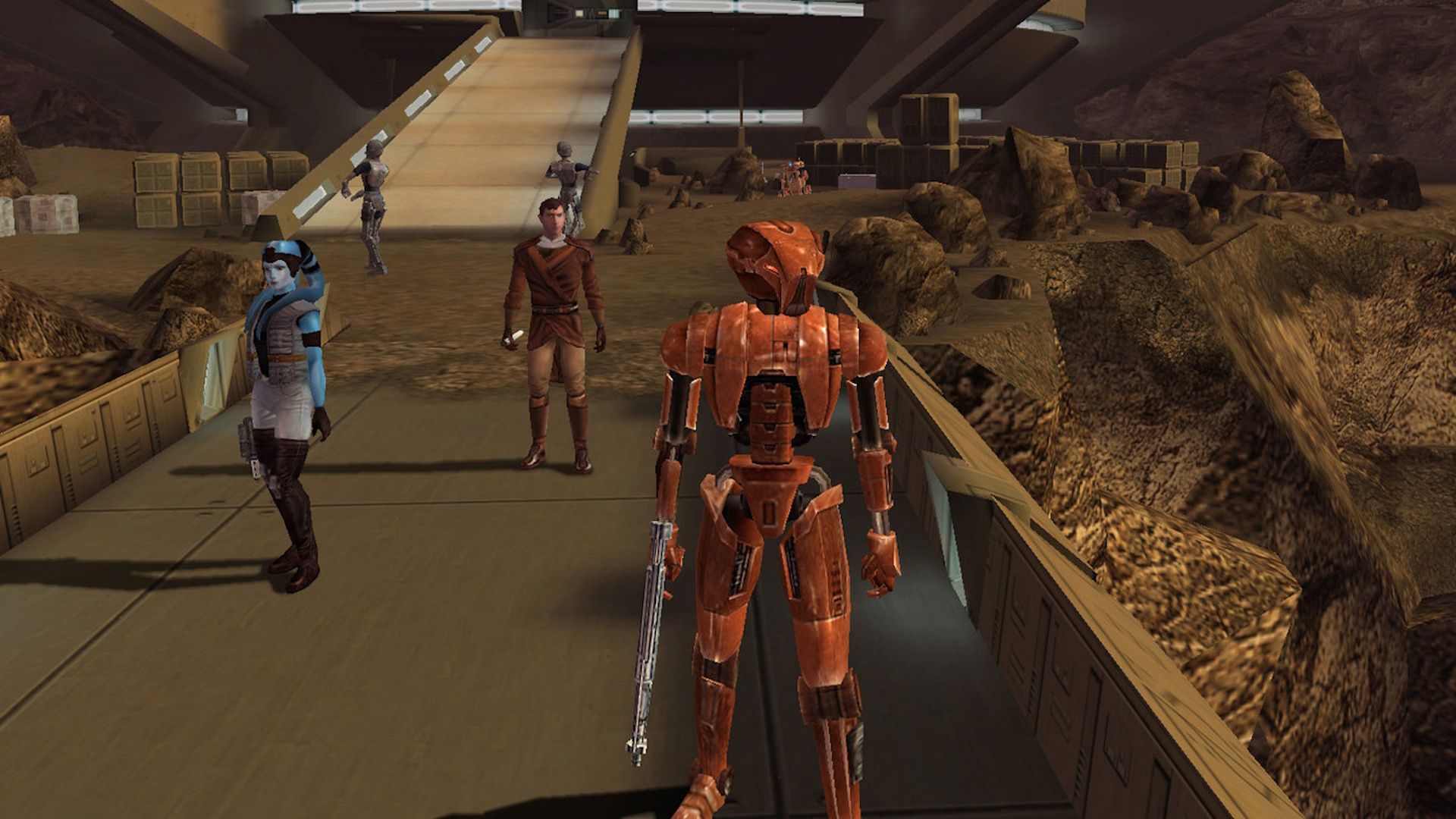
Addressing concerns regarding Space Marine 2, Allison stated, "My job isn’t to squeeze money from Saber’s products through tactics like that." He noted that while paid downloadable content (DLC) is a component of their strategy, the company is acutely aware of player sentiment. Specifically, he referenced the negative reception to the $5 voice-pack DLC for Space Marine 2, admitting that it was a misstep the company intends to avoid repeating.
This commitment to player-friendly monetization is a crucial part of the studio’s new identity as an independent, self-publishing entity. By taking control of their own release schedules and commercial strategies, Saber is attempting to build goodwill with a fanbase that has grown increasingly cynical toward modern industry practices.
Analyzing the 2028 Timeline
If we accept the 2028 date as a legitimate, albeit internal, goal, what does this tell us about the current state of the game?
First, it suggests that the project is likely in the "meat" of its development cycle. A game of the scale and technical ambition of a KOTOR remake—which requires a total overhaul of combat systems, high-fidelity graphics, and modernizing a massive script—is a monumental undertaking. If it were slated for 2026 or 2027, we would likely have seen marketing materials or gameplay deep-dives by now.
Second, the phrasing "hopefully" remains the most important word in Allison’s statement. It is a hedge. It acknowledges the fragility of the development process. A 2028 release date is three years away; in the world of high-budget game development, three years is a lifetime. Technology changes, team leadership shifts, and corporate priorities can pivot in an instant.
The Implications for Star Wars Gaming
The KOTOR remake occupies a unique space in the Star Wars gaming canon. Unlike the modern canon entries or the Jedi series by Respawn, KOTOR is a relic of the "Legends" era. It represents a time when Star Wars storytelling was allowed to be darker, more philosophical, and deeply tied to the morality of the Force.
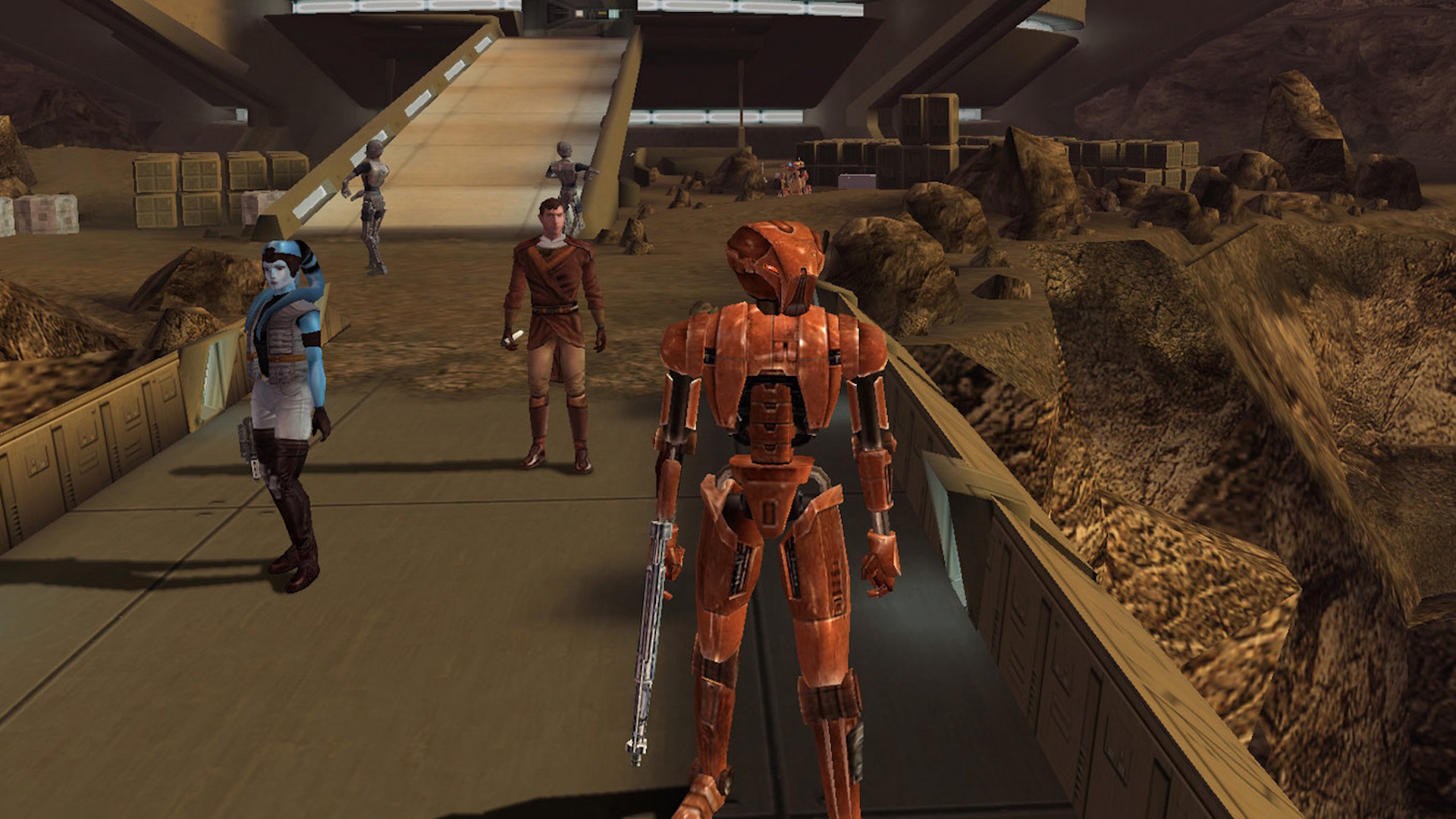
Should the remake successfully hit a 2028 release, it will be competing in a significantly different market. By then, the gaming industry will have moved into a new generation of hardware, likely following the mid-cycle refreshes of current consoles. The technical bar for what constitutes a "remake" will have been raised by titles like Final Fantasy VII Rebirth and the Resident Evil series.
Furthermore, there is the question of the legacy of the original. Fans of the 2003 classic are protective of the source material. Any deviation from the original’s turn-based combat or its specific character dynamics will be met with intense scrutiny. Saber Interactive is essentially attempting to renovate a cathedral while the congregation is still inside watching; the potential for backlash is as high as the potential for success.
Conclusion: A Cautious Optimism
Is the Knights of the Old Republic remake alive? Yes. Is it closer to completion than it was a year ago? Likely. But is it time to start planning your 2028 calendar around a return to the Ebon Hawk? Probably not.
Steve Allison’s transparency regarding the company’s 2028 lineup is a refreshing departure from the "no comment" culture that has surrounded this project for half a decade. It paints a picture of a studio that is organizing itself, finding its footing as an independent publisher, and attempting to manage a massive portfolio that includes Space Marine, a John Wick project, and the crown jewel of classic RPGs.
For the fans, the message is clear: The project is being treated as a long-term investment. It is not being rushed, and it is not being discarded. It is, for better or worse, being built. In an industry that thrives on hype and rapid cycles, perhaps the most important lesson from this saga is that some stories simply take time to tell. For now, the "meatbags" of the KOTOR community will have to wait just a little bit longer.

