

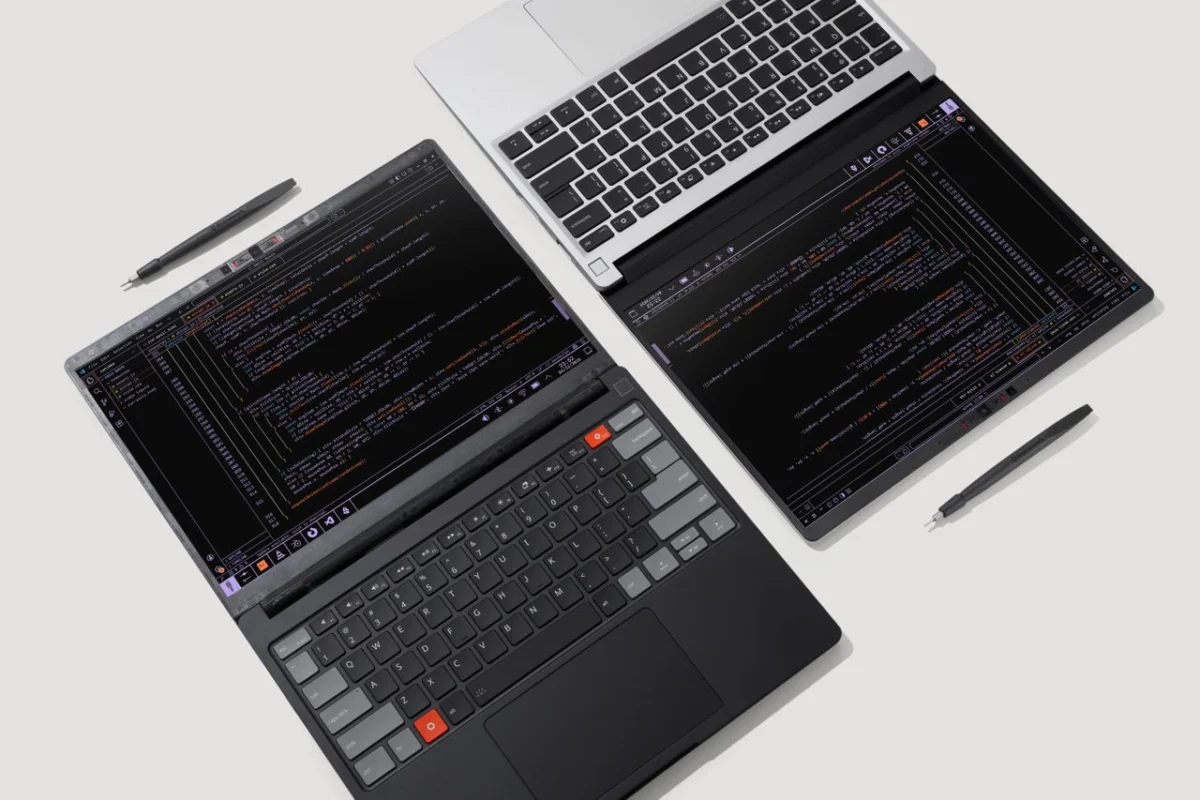
San Francisco, CA – Framework, the innovative modular laptop manufacturer lauded for its commitment to repairability and sustainability, has announced significant price adjustments for its upcoming Framework Laptop 13 Pro, particularly impacting configurations featuring LPCAMM2 memory. Citing an unprecedented "more than double" increase from its LPCAMM2 supplier, coupled with rising costs for other critical components, the company faces a challenging balancing act between its transparent business model and financial viability. The move underscores the acute pressures exerted by the current volatile global semiconductor and memory markets on even the most agile hardware companies.
The price revisions, detailed by CEO Nirav Patel in a recent blog post, reveal a dramatic surge in the cost of LPCAMM2 modules, a new memory standard specifically integrated into the Intel Core Ultra Series 3 version of the Laptop 13 Pro. This unforeseen escalation has forced Framework to implement substantial price increases for new orders and a complex re-allocation strategy for existing pre-orders, raising questions about the future of advanced component adoption and the true cost of cutting-edge technology.
Navigating Uncharted Waters: The Core Facts of Framework’s Price Adjustments
Framework’s announcement centers on an unexpected and drastic spike in the cost of LPCAMM2 memory, a next-generation module designed for compact and power-efficient devices. According to CEO Nirav Patel, the company received updated pricing from its supplier that far exceeded initial projections, presenting a "real financial risk" if absorbed entirely. Instead of a forecasted low-to-mid double-digit percentage increase from Q2 to Q3, the actual costs surged to "more than double" the prior inventory pricing.
This immediate impact primarily affects the Framework Laptop 13 Pro models powered by Intel Core Ultra Series 3 processors, which utilize the LPCAMM2 standard. In contrast, models equipped with AMD Ryzen AI 300 processors will continue to use traditional SO-DIMMs, largely insulating them from the specific LPCAMM2 price shock, though they are not entirely immune to broader component cost fluctuations.
For customers with existing pre-orders, Framework has outlined a tiered fulfillment strategy aimed at minimizing disruption. While the company possesses enough 64GB LPCAMM2 modules to cover initial pre-order batches (up to Batch 4 for laptops and Batch 7 for Mainboards), subsequent 64GB orders will be downgraded to 32GB, albeit at the original 32GB price. Similarly, a portion of 32GB DIY Edition and Mainboard pre-orders beyond these batches will be adjusted to 16GB at the original 16GB price. Notably, pre-built orders with 32GB memory will not be downgraded as a 16GB pre-built configuration is not yet available for the Core X7 Ultra.
The new pricing structure for LPCAMM2 memory is stark: the 32GB module, previously $439, will now cost an eye-watering $800, representing an 82% increase. The 64GB module sees an even more dramatic jump, from $849 to $1,600, a staggering 88% surge. The 16GB LPCAMM2 modules will temporarily remain at $239 for new orders until current inventory is depleted, after which their price is also slated for an increase.
Beyond memory, Framework also announced broader price adjustments across its systems and mainboards for new orders. Increases are expected for Intel X7 and X9 chips, Windows license costs, and certain memory, storage, and silicon components within some Ryzen AI 300 Series configurations. This comprehensive set of adjustments paints a picture of a complex and challenging supply chain environment.
A Timeline of Market Turmoil and Framework’s Response
The current pricing crisis for Framework is not an isolated incident but rather a symptom of broader trends within the global semiconductor and memory markets, which have experienced significant volatility over the past few years.
The Rise of LPCAMM2 and Initial Optimism
Framework, known for its forward-thinking approach, likely opted for LPCAMM2 memory for its Intel Core Ultra Series 3 laptops due to its inherent advantages. LPCAMM2 (Low Power Compression Attached Memory Module 2) offers a compact form factor, improved power efficiency, and potentially higher performance compared to traditional SO-DIMMs. Its design allows for a thinner laptop chassis and better thermal management, aligning with the premium segment of the market. When Framework made its initial design and component sourcing decisions, the projections for LPCAMM2 costs, while potentially higher than SO-DIMM, were likely within a manageable range, forecasting only modest increases as the technology matured and adoption grew. The modular nature of Framework’s laptops also meant that even with a newer memory standard, users would retain the ability to upgrade, a key selling point.
Escalating Global Supply Chain Disruptions
The semiconductor industry has been in a state of flux since the COVID-19 pandemic, experiencing chip shortages, logistics bottlenecks, and geopolitical tensions. While some segments of the market have seen stabilization, the high-performance memory sector, especially for newer technologies, remains susceptible to sharp price swings. Factors contributing to this include:
- Increased Demand: The burgeoning AI market, both at the data center and edge computing levels (including AI-enabled laptops), has created unprecedented demand for high-bandwidth, high-capacity memory.
- Limited Production Capacity: New memory standards like LPCAMM2 require specialized manufacturing processes and are produced by a limited number of suppliers. Ramping up production takes time and significant capital investment, leading to potential bottlenecks when demand outstrips supply.
- Raw Material Costs: The cost of raw materials required for semiconductor manufacturing has also seen fluctuations.
- Currency Exchange Rates: Global economic factors and currency valuations can impact the cost of imported components.
The Unforeseen Price Shock
Framework’s CEO, Nirav Patel, highlighted the sudden and severe nature of the price update. The company had prepared for a "low-to-mid double-digit percentage increase" for LPCAMM2 costs between Q2 and Q3. However, the actual update revealed prices that were "more than double" their existing inventory costs. This suggests a rapid and unexpected shift in market dynamics or supplier pricing strategies, leaving Framework with little room to maneuver without incurring substantial financial losses. The precise date of this notification from the supplier is not disclosed, but its immediate impact implies a very recent development, forcing Framework to act quickly ahead of the July shipping window for its first batch of Laptop 13 Pro pre-orders.
Framework’s Internal Deliberations and Public Disclosure
Upon receiving the drastic cost update, Framework’s leadership team undoubtedly faced a critical decision point. As a company that prides itself on transparency and community engagement, simply absorbing the costs or quietly adjusting prices without explanation would have contradicted its core ethos. The decision to publicly disclose the challenges via a detailed blog post by the CEO reflects this commitment. The company evaluated "a number of possible paths forward," ultimately choosing one that aimed to "minimize the impact" on customers while safeguarding the company’s operational integrity. This involved the complex pre-order fulfillment adjustments and the revised pricing for new orders. The blog post, updated regularly, serves as a real-time chronicle of Framework’s navigation through these "rocky ecosystems."
Imminent Shipping and Immediate Impact
With the first batch of Laptop 13 Pro pre-orders slated to ship in July, the timing of these price adjustments is particularly critical. Framework has a narrow window to implement these changes, communicate them effectively to its customer base, and manage the logistical complexities of fulfilling orders with adjusted specifications. The transparency, while commendable, also places Framework under immediate scrutiny from its loyal community and the wider tech industry.
The Data Behind the Disruption: Supporting Figures and Market Context
The specific numbers provided by Framework vividly illustrate the severity of the component cost increases. These figures, when contextualized against the broader memory market, reveal the unique challenges faced by companies adopting nascent technologies.
LPCAMM2: A Premium Price for Cutting-Edge Tech
The most striking data point is the escalation of LPCAMM2 memory prices:
- 32GB LPCAMM2: Increased from $439 to $800. This represents an 82.2% increase.
- 64GB LPCAMM2: Increased from $849 to $1,600. This represents an 88.5% increase.
- 16GB LPCAMM2: Currently priced at $239, but Framework anticipates an increase once existing stock is depleted.
These percentage increases are far beyond typical market fluctuations and significantly outpace general inflation rates. For context, DRAM (Dynamic Random-Access Memory) prices, while volatile, rarely see such steep, sudden spikes for established modules. The fact that LPCAMM2 is a relatively new standard, with potentially fewer manufacturers and a specialized supply chain, likely contributes to its susceptibility to such drastic price changes. Its adoption in high-performance, compact devices, particularly those with AI capabilities, could be driving a premium.
Pre-Order Fulfillment: A Delicate Balancing Act
Framework’s detailed policy for pre-orders demonstrates the logistical and ethical complexities of managing supply chain disruptions:
- 64GB Orders: Pre-orders up to Batch 4 (laptops) and Batch 7 (Mainboards) will receive 64GB modules. Beyond these batches, 64GB orders will be fulfilled with 32GB modules at the original 32GB price. This means customers pay less than the new 32GB price, but receive half the capacity they originally ordered.
- 32GB Orders (DIY/Mainboard): Pre-orders up to Batch 4 (laptops) and Batch 7 (Mainboards) will receive 32GB modules. Beyond these batches, 32GB orders will be fulfilled with 16GB modules at the original 16GB price. Again, customers receive lower capacity at a protected price.
- Pre-built 32GB Orders: These are explicitly excluded from downgrades because a 16GB pre-built Core X7 Ultra configuration is not currently offered. This decision prevents a scenario where customers receive a pre-built system with a configuration not officially supported or advertised, simplifying customer support.
This granular approach reflects a genuine effort to minimize financial burden on early adopters while acknowledging the company’s own cost constraints.
Broader Component Price Shifts
While LPCAMM2 is the primary culprit, Framework’s announcement also touches upon other component cost shifts:
- Increases: Intel X7 and X9 chips, Windows license costs, and certain memory, storage, and silicon components for AMD Ryzen AI 300 Series configurations. This indicates that the volatility is not confined to a single component or architecture.
- Decreases: Encouragingly, Framework noted cost reductions for some components, including 48GB DDR5 modules and high-capacity SSDs like the SN850X 8TB and SN7100 1TB drives. This highlights the dynamic nature of the market, where some segments may see easing supply and demand.
- Mixed Bag: Conversely, 16GB DDR5 modules and some other SSDs (SN850X 1TB, SN7100 4TB) have seen price increases.
Framework’s policy to pass on both price reductions (for unfulfilled pre-orders) and honor original prices (for increased costs) for existing pre-orders is a rare display of customer-centricity in the tech industry, where price hikes are often immediately applied without recourse for early buyers.
Transparency as Policy: Official Responses and Framework’s Ethos
At the heart of Framework’s handling of this crisis is its unwavering commitment to transparency, a core tenet of its brand identity. CEO Nirav Patel’s direct communication through a blog post stands in stark contrast to the often opaque practices of larger PC vendors.
Nirav Patel’s Candid Address
Patel’s blog post is not just an announcement of price changes; it’s a candid explanation of the underlying market forces and the difficult decisions Framework had to make. His statement, "We recently received a cost update from our LPCAMM2 supplier that goes far beyond anything we had predicted and anything we’re able to absorb without placing our ability to operate at real financial risk," is particularly telling. It reveals the vulnerability of a smaller, innovative company operating in a global market dominated by giants. This level of honesty is rare and deliberate. It aims to build trust with a community that values openness and ethical business practices.
The "Real Financial Risk" Implication
The phrase "real financial risk" is crucial. It indicates that absorbing the "more than double" increase in LPCAMM2 costs would not merely reduce profit margins but could genuinely threaten Framework’s ability to sustain operations, develop future products, or even fulfill existing commitments. For a startup challenging industry norms with its modular approach, financial stability is paramount. This admission underscores the severe pressure placed on the company by these unforeseen market shifts.
Customer-Centric Mitigation Strategy
Framework’s approach to existing pre-orders demonstrates a strong commitment to its customer base. By honoring the original pre-order price for components that have increased in cost, the company is effectively absorbing the difference for early adopters. Conversely, for components that have seen price reductions, Framework has pledged to pass those savings on, further reinforcing its customer-first policy. This dual approach aims to build goodwill, despite the unavoidable capacity downgrades for some LPCAMM2 pre-orders. While receiving less memory than initially ordered might be disappointing, paying the original, lower price for that reduced capacity is a tangible benefit in a challenging situation.
Differentiating from Industry Norms
Framework’s public disclosure and detailed explanation differentiate it significantly from most other PC vendors. Large OEMs typically have greater bargaining power with suppliers, allowing them to negotiate more stable pricing or absorb minor fluctuations without passing them directly to consumers. When price adjustments do occur, they are often announced without extensive justification or detailed explanations of supply chain woes. Framework’s deliberate choice to "showcase a very rocky ecosystem more publicly than most other PC vendors" is a strategic move to reinforce its brand as an honest and community-driven company, even when delivering unfavorable news. It invites its customer base to understand the complexities of hardware manufacturing rather than just consume the end product.
Broader Implications: For Framework, Consumers, and the Industry
The price adjustments announced by Framework carry significant implications, not only for the company and its immediate customers but also for the broader laptop market and the adoption of new technologies.
Implications for Framework’s Mission and Business Model
Framework’s core mission revolves around repairability, upgradability, and sustainability. These values are inherently linked to offering components at reasonable prices, allowing users to extend the life of their devices economically. The dramatic increase in LPCAMM2 memory costs challenges this model. If high-performance, modular components become prohibitively expensive, it could impact the economic viability of upgrading, potentially pushing users towards simply buying new devices rather than extending existing ones.
- Profitability and Growth: The necessity to absorb some costs for existing pre-orders while implementing steep increases for new orders will undoubtedly impact Framework’s profitability. Maintaining a competitive edge while battling unforeseen supply chain costs is a difficult balancing act for a company that isn’t operating on the scale of industry giants.
- Supplier Relationships: This incident might prompt Framework to re-evaluate its supplier diversification strategies for critical components, especially for new technologies like LPCAMM2, to mitigate future risks.
- Product Development: Future product designs might need to consider more cost-stable component options or build in greater pricing flexibility, potentially affecting the pace of adopting cutting-edge, but volatile, technologies.
Implications for Consumers and Pre-Order Holders
For consumers, the news presents a mixed bag, depending on their pre-order status and future purchasing plans.
- Pre-order Holders: Those who pre-ordered 64GB or 32GB LPCAMM2 configurations and fall outside the initial fulfillment batches will receive less memory than anticipated. While Framework is protecting them from the new, higher prices by charging the original, lower price for the downgraded capacity, the psychological impact of receiving a lesser product than ordered could lead to dissatisfaction, even with the price protection.
- New Buyers: Anyone considering a new Framework Laptop 13 Pro with Intel Core Ultra Series 3 and LPCAMM2 memory will face significantly higher costs, especially for higher capacities. A 64GB configuration will now be $1,600 for just the memory, a substantial barrier for many users. This might push potential buyers towards the AMD Ryzen AI 300 series models (which use SO-DIMMs) or towards competitors’ offerings.
- Value Proposition: While Framework’s modularity and repairability remain strong selling points, the increased cost of certain upgrades, particularly memory, could diminish the perceived long-term value for some consumers.
Broader Industry Impact
Framework’s transparency sheds light on challenges that likely affect other manufacturers but are rarely disclosed.
- LPCAMM2 Adoption: If LPCAMM2 remains prohibitively expensive, its broader adoption across the laptop industry could be hindered. Manufacturers might opt for more cost-effective, albeit potentially less performant or power-efficient, memory solutions for mainstream products, reserving LPCAMM2 for ultra-premium or specialized devices.
- AI PC Pricing: The Intel Core Ultra Series 3 processors are central to the emerging "AI PC" category. If advanced components like LPCAMM2, often paired with these processors, become excessively expensive, it could drive up the overall cost of AI-enabled laptops, potentially slowing their market penetration.
- Transparency Pressure: While unlikely to immediately change industry norms, Framework’s consistent transparency could subtly influence expectations. Consumers, now aware of the raw realities of component pricing, might start demanding greater clarity from other brands, particularly as supply chain volatility continues globally.
- Sustainability vs. Cost: The incident highlights a tension between adopting sustainable, repairable designs and the fluctuating costs of cutting-edge components. Achieving both affordability and advanced, ethical hardware becomes an increasingly complex equation.
As Framework prepares to ship its first batch of Laptop 13 Pro pre-orders in July, the coming months will be crucial in demonstrating how a company built on transparency and community engagement navigates such significant economic headwinds. The incident serves as a stark reminder that even in an age of technological advancement, the physical realities of supply chains and market dynamics continue to dictate the pace and price of innovation.

