


The first public-facing reveal of Call of Duty: Modern Warfare 4 gameplay was intended to be a watershed moment for Infinity Ward—a showcase of the next generation of tactical intensity and immersive combat. However, what transpired during the recent Alpha build livestream was less of a polished reveal and more of a technical spectacle that left the community reeling. As content creators debuted the new "Kill Block" mode, viewers were greeted not just by the game’s mechanics, but by a pervasive, screen-obscuring visual bug: a blinding muzzle flash and a dense cloud of smoke that erupted with every single trigger pull.
The optics were, to put it mildly, disastrous. What should have been a celebration of high-fidelity gunplay quickly spiraled into a viral conversation about visual clutter, leading Infinity Ward to issue an emergency clarification to quell rising player frustrations.
A Chronology of the Controversy
The issues began shortly after Infinity Ward invited select content creators to demo the early Alpha build of Modern Warfare 4. While the industry is well-acquainted with the "work-in-progress" nature of pre-release software, the severity of the visual effects in this specific build was unprecedented.
The Initial Reveal and Community Backlash
As streamers began sharing footage of the M4 assault rifle and various sniper rifles in action, social media platforms—particularly X (formerly Twitter)—ignited. Clips circulated rapidly showing players firing their weapons, only to have their entire field of vision engulfed in a strobe-like white light followed by a thick, opaque haze. The effect was so aggressive that many users joked it was the equivalent of being "flash-banged" by one’s own weapon.
The feedback was immediate and visceral. Influential creators like JGOD questioned the state of the build, noting that it deviated significantly from earlier, more controlled hands-on sessions. The irony was not lost on the community: this visual impairment arrived hot on the heels of ongoing discussions regarding the game’s "visual recoil"—a mechanic already deemed controversial for its tendency to make the screen shake and jitter during sustained fire.
The Infinity Ward Response
Recognizing the rapid degradation of public sentiment, Infinity Ward moved to address the situation with an official statement via their social channels. The studio emphasized that the extreme muzzle flash was a confirmed bug, rather than a design choice.
"Seeing #MW4 in the hands of players for the first time has been an exciting milestone for the team," the statement read. "These are pre-release Alpha builds and are still very much a work in progress. The muzzle flash VFX issue in today’s Alpha gameplay is a bug that will be fixed for Beta."
The Technical Reality: Visual Recoil and VFX
To understand the current friction, one must look at the two distinct but related issues plaguing the Modern Warfare 4 testing period: Visual Recoil and VFX Obscuration.
Visual Recoil: A Polarizing Mechanic
Before the muzzle flash bug even surfaced, Infinity Ward was already on the defensive regarding the game’s core gunplay philosophy. The studio has publicly stated its intent to make Modern Warfare 4 "even more immersive" than its predecessors. In the lexicon of modern FPS design, this often translates to increased camera shake, weapon sway, and visual recoil—mechanics that mimic the physical strain of firing a real firearm.
While some players argue that this adds a necessary layer of difficulty and realism, a significant portion of the competitive community views it as a direct hindrance to the "mouse and keyboard" experience. The fear is that such mechanics artificially inflate the skill floor while simultaneously punishing precision, leading to a game that feels "heavy" or unresponsive.
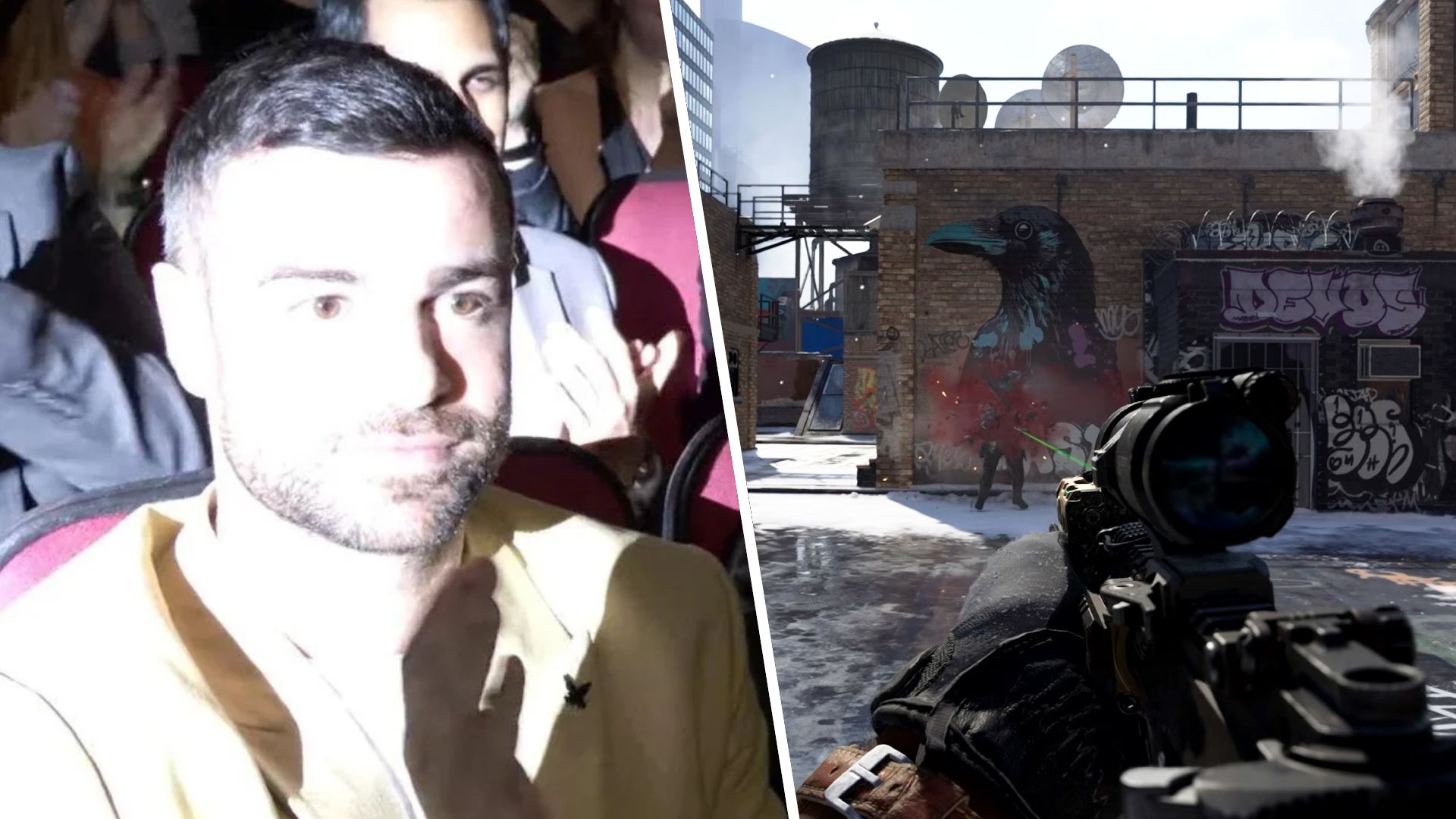
The "Flash-Bang" Bug
The muzzle flash bug acted as a force multiplier for these existing frustrations. Unlike visual recoil, which is a calculated design choice, the flash-bang bug represents a failure in the game’s particle system. When a player fires, the game triggers a flash particle and a smoke particle at the muzzle. In the Alpha build, these assets were clearly triggering with unintended intensity, likely due to a transparency or brightness scalar error that bypassed the game’s intended occlusion settings.
In darker environments—such as the tactical, night-ops scenarios featured in the recent footage—the effect was compounded. The light source was so potent it effectively created a dynamic lighting effect that illuminated the player’s room, drawing comparisons to high-intensity stage lighting.
Implications for the Beta and Beyond
The stakes for the upcoming Beta, scheduled for this September, have been raised significantly. The industry standard for Call of Duty is high; players expect a "snappy," responsive experience. When a game’s core feedback loop—shooting a gun—becomes physically uncomfortable or visually unreadable, it risks losing the trust of the player base before the game has even hit the shelves.
The "Alpha" Excuse and Player Trust
The "Alpha build" defense is a double-edged sword. On one hand, it is a valid technical excuse; games are often broken, unfinished, and unoptimized in their early stages. On the other hand, for a franchise as massive as Call of Duty, showing an Alpha build that is "broken" to the point of being unplayable can do lasting damage to pre-order momentum.
When developers invite content creators to show off a game, they are effectively using those creators as an extension of their marketing department. By allowing a build with such glaring, distracting bugs to be broadcast, Infinity Ward unintentionally undermined their own marketing campaign, forcing the community to focus on a technical oversight rather than the game’s new features, maps, or weapon balancing.
Preparing for the Beta
The transition from Alpha to Beta is critical. For Modern Warfare 4, the Beta will serve as the "true" test of the community’s patience. If the visual recoil remains in its current, controversial state and if even a hint of the muzzle flash bug persists, the narrative surrounding the game may shift from "highly anticipated sequel" to "technically flawed product."
Conclusion: Lessons from the Muzzle
The situation surrounding Call of Duty: Modern Warfare 4 is a microcosm of the challenges faced by live-service giants. As studios push for higher fidelity and deeper immersion, they risk creating a "noisy" experience that frustrates the very players they hope to engage.
The muzzle flash controversy serves as a stark reminder that in competitive shooters, clarity is king. Realism, while desirable, must never come at the cost of the player’s ability to see their targets. Infinity Ward has promised a fix, and the community is watching closely. Whether this was a simple, albeit embarrassing, hiccup or a symptom of deeper design issues regarding the game’s visual identity will only be revealed once the Beta servers go live.
For now, the studio faces the delicate task of balancing their vision for an immersive battlefield with the pragmatic needs of a community that values precision, visibility, and consistent, fair gameplay above all else. The path to launch is narrowing, and every frame of gameplay from here on out will be under the microscope.

